

Knowing exactly when to switch your dog from puppy food to adult food can be tricky. You want to give your furry friend the best nutrition without causing any health issues.
If you switch too early or too late, it could affect your dog’s growth and energy levels. You’ll discover the signs to look for and the best time to make this important change. Keep reading to ensure your dog stays healthy, happy, and full of life!
Signs Your Puppy Is Ready
Knowing when to switch your puppy to adult dog food is important for their health. Puppies grow fast, and their diet needs change as they mature. Watch for clear signs that your puppy is ready for adult food. These signs help you feed your dog the right nutrients at the right time.
Observe your puppy closely. Changes in body size, behavior, and health advice guide your decision. Feeding adult food too early or too late can affect your puppy’s growth and energy.
Physical Growth Milestones
Puppies reach certain size and weight before switching foods. Most dogs grow quickly in the first six months. When your puppy is close to their adult size, consider changing their diet. Look for stronger bones and teeth. Their baby teeth will have fallen out by now.
Behavioral Changes
As puppies grow, they become less hyperactive. Their energy needs drop slightly. Adult food supports a calmer, more stable energy level. You may notice your puppy eating less or becoming less playful. These changes show they need a different diet.
Veterinarian Recommendations
Your vet knows the best time to switch foods. They check your puppy’s weight, health, and growth rate. Vets can spot problems early and suggest the right food type. Always ask your vet before changing your puppy’s diet.

Credit: www.rover.com
Age Guidelines By Breed Size
Knowing the right age to switch your dog to adult food depends on their breed size. Different breeds grow at different rates. This affects when they need adult nutrition. Feeding adult food too early or too late can affect health and growth. Here are clear age guidelines by breed size to help you decide.
Small Breeds
Small breed dogs grow faster than larger breeds. They usually reach adult size by 9 to 12 months. At this age, their growth plates close. You can start feeding adult food around 9 months. Some small breeds may transition a bit earlier. Always watch their weight and energy levels during the change.
Medium Breeds
Medium breed dogs grow steadily and finish growing by 12 to 15 months. They need puppy food longer to support healthy bone and muscle growth. Switch to adult food around 12 months. This supports their energy needs and overall health. Monitor their weight to avoid overeating as they grow.
Large And Giant Breeds
Large and giant breed dogs take longer to mature. They can grow until 18 to 24 months. Feeding adult food too early can harm their bone development. Keep them on puppy food designed for large breeds until at least 18 months. This helps prevent joint problems and supports slow, steady growth.
Nutritional Differences In Adult Food
Adult dog food has different nutrients than puppy food. Dogs need a new balance of nutrients as they grow. This change supports their health and energy levels.
Adult food focuses on maintaining a healthy weight and keeping muscles strong. Understanding these differences helps you choose the right food for your dog’s age.
Protein And Fat Content
Adult dog food usually has less protein and fat than puppy food. Puppies need more protein and fat to grow fast. Adult dogs need enough protein to keep muscles strong. Fat gives energy but too much can cause weight gain.
Caloric Needs
Adult dogs need fewer calories than puppies. Puppies burn more energy while growing. Feeding adult dogs the right calories helps prevent obesity. Calories in adult food match their slower activity and metabolism.
Essential Vitamins And Minerals
Adult dog food has vitamins and minerals for long-term health. These nutrients support bones, skin, and the immune system. The amounts differ from puppy food to avoid excesses. Balanced vitamins and minerals keep adult dogs healthy and active.

Credit: www.poochandmutt.co.uk
Transitioning Your Dog’s Diet
Changing your dog’s food from puppy to adult is important for their health. It helps meet their new nutritional needs. A smooth change avoids stomach problems. It also helps your dog accept the new food better.
Gradual Food Mixing
Start by mixing a small amount of adult food with puppy food. Slowly increase the adult food amount over 7 to 10 days. This gentle change helps your dog’s stomach adjust. Sudden changes can cause upset or diarrhea.
Monitoring Digestive Response
Watch your dog’s stool and energy levels during the switch. Soft stools or vomiting may mean the change is too fast. Take a step back and slow down the transition. Healthy digestion shows the food suits your dog well.
Adjusting Portion Sizes
Adult dogs need different portion sizes than puppies. Follow feeding guides on the food package first. Adjust portions based on your dog’s weight and activity. Avoid overfeeding to keep your dog fit and healthy.
Common Mistakes To Avoid
Feeding your dog adult food at the right time is important for their health. Many dog owners make simple mistakes during this transition. These errors can affect your dog’s growth and energy levels. Avoiding common mistakes helps your dog adjust smoothly to adult food.
Switching Too Early
Switching your dog to adult food too soon can cause problems. Puppies need special nutrients to grow strong. Adult food may not have enough of these nutrients. This can slow their development and weaken their immune system. Wait until your vet says it is time to switch.
Ignoring Breed-specific Needs
Different breeds have different nutritional needs. Large breeds may need food that supports joint health. Small breeds may require more calories in less food. Using the wrong adult food can cause health issues. Choose food designed for your dog’s breed size and activity level.
Overfeeding Adult Formulas
Adult dog food is often higher in calories than puppy food. Feeding too much can lead to weight gain. Overweight dogs face many health risks like diabetes and joint pain. Measure your dog’s food and follow feeding guidelines carefully. Keep your dog active to maintain a healthy weight.
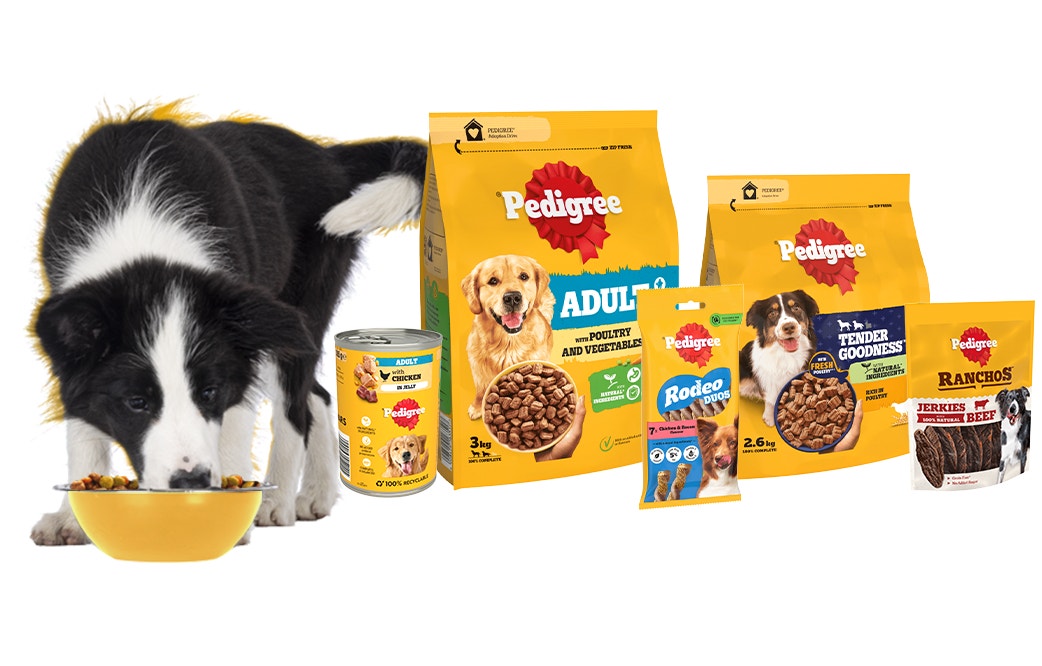
Credit: www.uk.pedigree.com
When To Consult Your Veterinarian
Knowing when to consult your veterinarian about switching to adult dog food is key. Your vet can give advice based on your dog’s breed, size, and health. This helps make the food change smooth and safe. Some dogs need special care during this time. Speak with your vet to avoid problems and keep your dog healthy.
Health Concerns During Transition
Some dogs may face health issues when changing food. Digestive upset is common. Your vet can spot problems early. They may suggest a slower food change or special supplements. Regular check-ups help track your dog’s health during the switch.
Special Dietary Requirements
Dogs with allergies or medical conditions need special diets. Your vet knows which food suits your dog best. They can recommend formulas for weight control or joint health. This ensures your dog gets the right nutrients without risks.
Signs Of Food Intolerance
Watch for itching, vomiting, or diarrhea after food changes. These may signal intolerance. Your vet can test and find the cause. They may advise trying a different food or adding probiotics. Early action prevents long-term issues and discomfort.
Frequently Asked Questions
When Should I Switch My Puppy To Adult Dog Food?
Switch your puppy to adult dog food between 12 to 18 months. Large breeds may need longer. This timing supports healthy growth and nutrient balance.
What Signs Indicate My Dog Needs Adult Food?
Signs include slowed growth, adult teeth, and stable weight. Puppies also become less active and more mature between 12-18 months.
Can Feeding Adult Food Too Early Harm My Dog?
Yes, feeding adult food too early can cause nutrient deficiencies. Puppies need higher protein and calories for growth, so wait until maturity.
How To Transition My Dog From Puppy To Adult Food?
Gradually mix adult food with puppy food over 7-10 days. Slowly increase adult food to avoid digestive upset and ensure smooth change.
Conclusion
Feeding your dog adult food at the right time keeps them healthy. Watch their growth and behavior for clues. Most dogs switch between one and two years old. Consult your vet to choose the best food. Quality nutrition supports energy, weight, and overall wellness.
Changing food too early or late can cause problems. Stay patient and observe your dog closely. Your careful attention helps your dog live a happy life. Small steps make a big difference in pet care. Trust your instincts and seek advice when unsure.


