

If you have a new puppy at home, you probably wonder when it’s the right time to switch from puppy food to adult dog food. Feeding your puppy the right food at the right time is crucial for their health and growth.
But how do you know when to make the change without risking their nutrition? You’ll discover clear signs and expert tips to help you decide the perfect moment to transition your puppy to adult dog food. Keep reading to make sure your furry friend gets the best start in life.

Credit: www.lur.cat
Puppy Nutrition Basics
Puppy nutrition sets the foundation for a healthy adult dog. Puppies grow fast and need special food. Their diet must support strong bones, muscles, and a good immune system. Proper nutrition helps prevent health problems later. Understanding the basics helps you choose the right food at the right time.
Feeding your puppy correctly is more than just giving food. It means providing all nutrients in the right amounts. This ensures steady growth and energy for play and learning. Knowing what makes puppy food different from adult food guides better feeding decisions.
Essential Nutrients For Growth
Puppies need protein to build muscles and tissues. Fat gives energy and helps brain development. Calcium and phosphorus support strong bones and teeth. Vitamins and minerals keep the immune system strong. DHA, an omega-3 fatty acid, aids in brain and eye growth. Balanced nutrients help puppies grow healthy and strong.
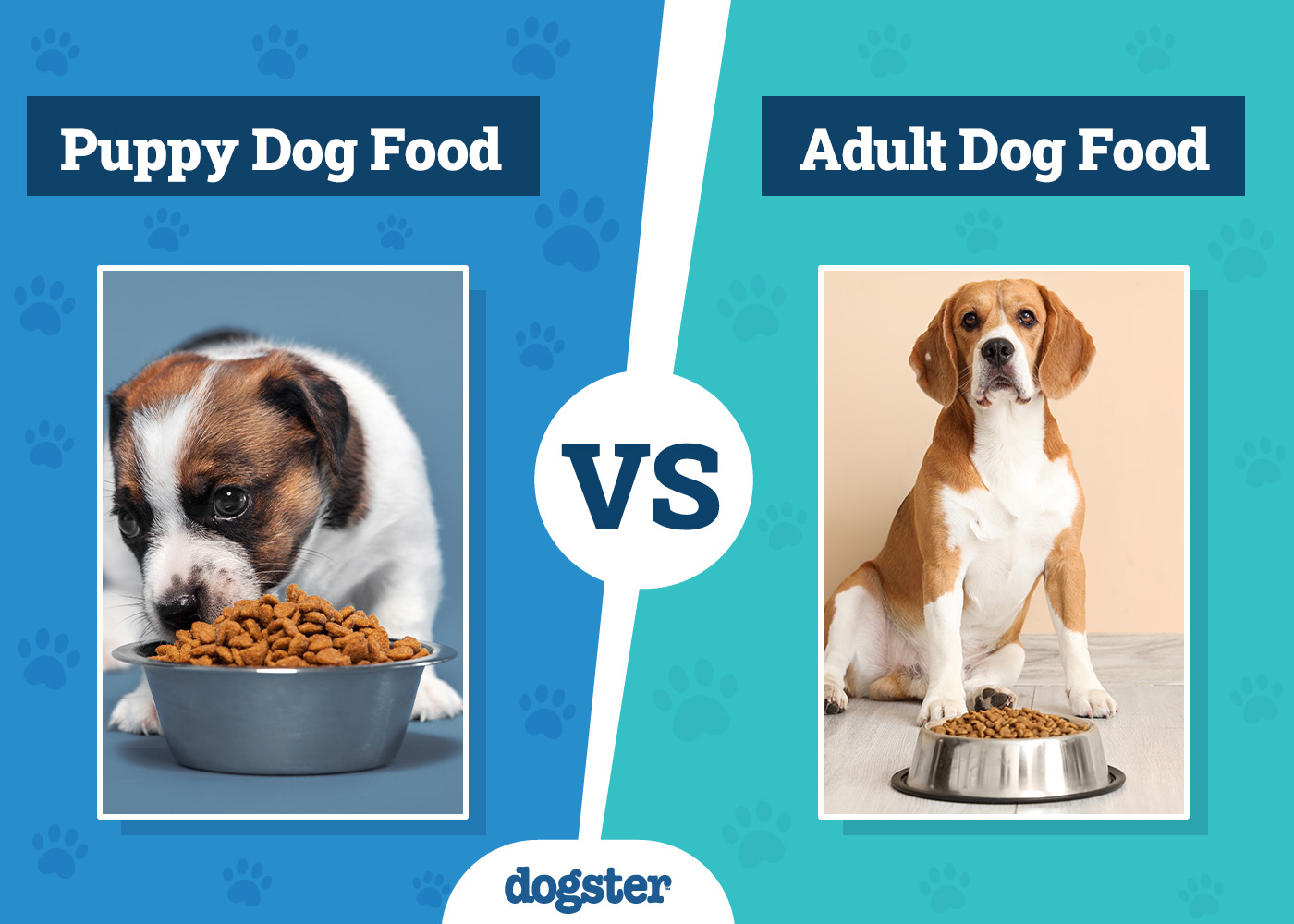
Differences Between Puppy And Adult Food
Puppy food has more calories than adult food. It contains extra protein and fat for growth needs. Adult food has fewer calories to avoid weight gain. Puppy food has nutrients like DHA that adult food lacks. The texture and size of puppy food pieces are smaller. This makes eating easier for growing teeth and jaws.
Signs Puppy Is Ready For Adult Food
Knowing when a puppy is ready for adult dog food is important for their health. Puppies need different nutrients than adult dogs. Feeding adult food too early can cause problems. Feeding puppy food too long may not meet their needs. Watch for clear signs your puppy is ready to switch. These signs help you make the right choice.
Age Milestones
Most puppies start eating adult food around one year old. Small breeds may switch earlier, at 9 to 12 months. Large breeds often switch later, at 12 to 18 months. Breed size affects how fast they grow. Age alone is not enough to decide.
Physical Development Indicators
Look at your puppy’s body changes. Their growth rate slows down. Their adult teeth usually appear by six months. Muscle tone becomes stronger and more defined. Their coat looks thicker and shinier. These signs show their body is maturing.
Behavioral Changes
Puppies ready for adult food often show new habits. They may eat less frequently but larger meals. Their energy levels may become more steady. They show less chewing or teething behavior. These changes hint their needs are shifting.
Risks Of Early Transition
Switching a puppy to adult dog food too early can cause problems. Puppies need special nutrition to grow strong and healthy. Adult food does not have the right nutrients for their needs. Changing the diet too soon can harm their health in many ways.
Nutritional Deficiencies
Puppies require more protein, fat, and calories than adult dogs. Adult food has lower levels of these nutrients. Feeding adult food early can cause lack of important vitamins and minerals. This leads to weak bones and poor muscle development.
Digestive Issues
Puppies have sensitive stomachs. Adult dog food is harder to digest for them. Early transition can cause diarrhea, vomiting, or upset stomach. Their digestive system is not ready for the change yet.
Impact On Growth
Proper growth depends on balanced nutrition. Adult food lacks extra nutrients needed for puppy growth. Early switch can slow down bone and organ development. This can cause long-term health problems for your puppy.

Credit: www.hladnovrockchoir.com
How To Transition Safely
Transitioning a puppy from puppy food to adult dog food requires care. Sudden changes can upset their stomach. A smooth switch helps keep your puppy healthy and happy. Follow these steps to make the change gentle and safe.
Gradual Mixing Techniques
Start by mixing a small amount of adult food with puppy food. Use about 25% adult food and 75% puppy food for the first few days. Slowly increase adult food while lowering puppy food. By two weeks, your puppy should eat only adult food. This slow change helps the puppy’s digestion adjust well.
Monitoring Puppy’s Response
Watch your puppy closely during the transition. Check for signs like vomiting, diarrhea, or loss of appetite. Also, note changes in energy or mood. If you see any problems, slow down the switch. Give the puppy more time to adapt before increasing adult food.
Adjusting Portion Sizes
Adult dog food has different calorie needs than puppy food. Feed smaller amounts at first until your puppy grows used to the new food. Follow the feeding guidelines on the adult food package. Adjust portions based on your puppy’s weight and activity level. Proper portions keep your puppy strong and fit.
Special Considerations
Deciding the right time for a puppy to start eating adult dog food needs care. Some factors influence this change. These special considerations help ensure your puppy stays healthy. Pay attention to breed size, health conditions, and advice from your vet.
Breed Size Differences
Small and large breeds grow at different rates. Small breeds mature faster and may switch to adult food sooner. Large breeds need more time to grow strong bones and muscles. They usually stay on puppy food longer to support this growth. Knowing your puppy’s breed size helps choose the right feeding time.
Health Conditions
Some puppies have health issues that affect their diet. Puppies with allergies or digestive problems may need special food. Nutritional needs can change if your puppy has a health condition. Talk to a vet about safe food options and timing for your puppy.
Veterinarian Recommendations
Your vet knows your puppy’s health best. They can guide you on when to switch foods safely. Vets consider growth, weight, and overall health in their advice. Follow their recommendations to avoid feeding problems and keep your puppy happy.
Credit: www.dogster.com
Adult Food Options For Puppies
Choosing the right adult food for puppies is an important step in their growth. Puppies need good nutrition to stay healthy and strong as they grow. Some puppies may start eating adult food before they are fully grown. This depends on their breed, size, and health. Understanding the best adult food options helps in making smart choices for your puppy’s diet.
Choosing High-quality Adult Food
Select adult dog food with high protein and fat content. Look for foods made with real meat as the first ingredient. Avoid foods with fillers like corn, soy, or wheat. Check for added vitamins and minerals to support your puppy’s health. Quality food supports energy and muscle growth. Always choose brands with good safety records and clear ingredient lists.
Supplementing Puppy Diets
Some puppies may need extra nutrients alongside adult food. Adding puppy supplements can help meet their special needs. Supplements like omega-3 fatty acids support brain and coat health. Calcium and phosphorus help bone development. Consult a vet before adding supplements. Proper balance avoids health problems and supports smooth growth.
Homemade Vs. Commercial Food
Homemade meals let you control ingredients and freshness. Use lean meats, vegetables, and grains in balanced amounts. Commercial foods offer convenience and complete nutrition. They are tested for safety and nutrient levels. Both options can work well with the right planning. Always ensure meals meet your puppy’s nutritional needs fully.
Common Mistakes To Avoid
Changing your puppy’s food to adult dog food is important. Doing it right helps your puppy stay healthy and grow well. Many pet owners make mistakes that can cause problems. Avoid these common errors to keep your puppy happy and strong.
Switching Too Quickly
Changing food suddenly can upset your puppy’s stomach. Puppies need time to adjust to new food. Mix a small amount of adult food with puppy food first. Slowly increase the adult food over 7 to 10 days. This helps avoid diarrhea and stomach pain.
Ignoring Puppy’s Needs
Every puppy grows at a different pace. Some need adult food earlier, some later. Watch your puppy’s weight and energy levels. Puppies still growing fast need puppy food longer. Adult food may lack nutrients for a young puppy. Tailor food changes to your puppy’s health.
Overfeeding Or Underfeeding
Feeding too much adult food can cause weight gain. Too little food slows growth and lowers energy. Follow feeding guidelines on the dog food package. Adjust portions based on your puppy’s size and activity. Keep your puppy at a healthy weight for best health.
Frequently Asked Questions
When Can A Puppy Start Eating Adult Dog Food?
Puppies can start adult dog food around 12 months old. Large breeds may switch later, between 12-18 months. Consult your vet for breed-specific advice. Transition gradually to avoid digestive issues.
Why Switch From Puppy To Adult Dog Food?
Adult dog food meets mature dogs’ nutritional needs. Puppy food has more calories, protein, and fat for growth. Switching prevents obesity and health problems in adult dogs.
How To Transition A Puppy To Adult Dog Food?
Mix increasing amounts of adult food with puppy food over 7-10 days. Monitor your dog’s digestion and energy. Gradual change helps prevent stomach upset and encourages acceptance.
What Signs Indicate A Puppy Is Ready For Adult Food?
Puppies show readiness by reaching full growth and stable weight. Decreased energy needs and slower growth rate signal it’s time. A vet can confirm readiness during check-ups.
Conclusion
Puppies need special food to grow strong and healthy. Switching to adult dog food too soon can cause problems. Wait until your puppy reaches about one year old or your vet says it is okay. Watch your puppy’s size, energy, and health closely.
Good nutrition helps your dog live a long, happy life. Always choose food that fits your dog’s age and needs. This simple step keeps your puppy healthy as they grow into an adult dog.


