

Bringing a new puppy home is exciting, but those first nights can be tough—especially when your puppy cries in their crate. You want to help your furry friend feel safe and comfortable, but it’s hard to know the best way to handle the crying.
What if there was a way to ease your puppy’s anxiety and make crate training a positive experience for both of you? Keep reading, and you’ll discover simple, effective tips that will calm your puppy and turn crate time into a happy, peaceful part of your daily routine.
Why Puppies Cry In Crates
Puppies often cry in crates. This behavior can be confusing for new dog owners. Understanding why puppies cry helps in crate training. Puppies express their feelings through crying. It signals something needs attention or comfort. Recognizing these reasons makes crate training easier and less stressful for puppies.
Separation Anxiety
Puppies feel scared when left alone. They miss their mother and siblings. The crate feels like isolation. This fear causes loud crying. Puppies want to be near people or other dogs. Separation anxiety is common in young puppies.
Discomfort Or Fear
The crate may feel strange or small. Puppies may not like the confined space. Loud noises or dark areas frighten them. They cry to show discomfort. It takes time to get used to the crate.
Need For Attention
Puppies are social animals. They want love and care. Crying is a way to get noticed. They seek petting or playtime. Ignoring their cries can make them feel lonely.
Physical Needs
Sometimes puppies cry because they need something. They may be hungry or thirsty. They might need to go outside. Puppies also cry if they feel pain or sickness. Meeting these needs stops their crying quickly.
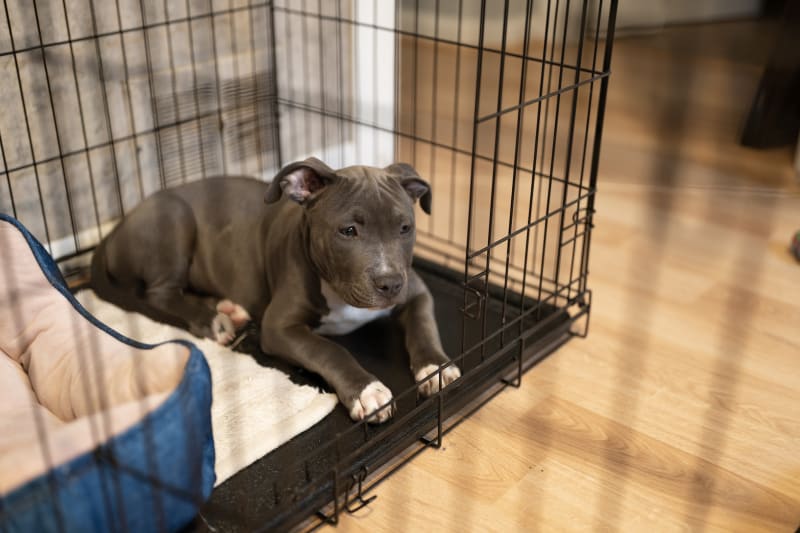
Credit: www.dunnellonanimalhospital.com
Choosing The Right Crate
Choosing the right crate is key to helping your puppy feel safe and calm. A crate that fits well makes your puppy less likely to cry. It becomes a cozy space your puppy will want to return to.
The crate should match your puppy’s size, needs, and comfort. Picking the right crate helps your puppy settle faster. It also supports good crate training habits.
Size Matters
Choose a crate big enough for your puppy to stand and turn. Too small makes your puppy uncomfortable and restless. Too large may encourage accidents inside the crate. A good fit helps your puppy feel secure and cozy.
Material Options
Crates come in plastic, metal, and fabric. Plastic crates feel enclosed and safe for shy puppies. Metal crates offer strong ventilation and visibility. Fabric crates are lightweight and easy to carry. Pick a material that suits your puppy’s needs and your home.
Comfort Inside The Crate
Soft bedding makes the crate inviting and warm. Avoid thick bedding for young puppies to prevent chewing. Add a favorite toy or blanket for comfort. A pleasant crate encourages your puppy to relax and stop crying.
Setting Up A Cozy Space
Setting up a cozy space is key to helping your puppy feel safe in the crate. A warm, inviting spot can ease their anxiety and stop the crying. The crate should feel like a little den where your puppy can relax and rest.
Soft Bedding
Choose soft bedding that fits well inside the crate. A comfy blanket or a small dog bed works great. Soft bedding cushions your puppy’s body and keeps them warm. Avoid hard or scratchy materials that might bother your puppy.
Favorite Toys
Place a few favorite toys inside the crate. Toys keep your puppy busy and distract from loneliness. Chew toys or plush toys are good choices. Rotate the toys to keep your puppy interested and happy.
Familiar Scents
Add something with a familiar scent to the crate. A piece of your clothing can comfort your puppy. The scent helps your puppy feel close to you. Familiar smells reduce stress and make the crate feel like home.

Credit: www.standingstonekennels.com
Gradual Crate Introduction
Introducing a puppy to a crate takes time and patience. Gradual crate introduction helps your puppy feel safe and calm. Start slowly to build trust and comfort with the crate. This method reduces crying and stress for your puppy. Follow these simple steps to make the crate a happy place.
Short Sessions
Begin with very short crate sessions. Let your puppy explore the crate without forcing them inside. Close the door for a few seconds only. Gradually increase the time as your puppy gets used to it. Keep sessions brief and positive. This helps your puppy feel safe and not trapped.
Positive Reinforcement
Use treats and praise to reward your puppy in the crate. Give a small treat when they enter the crate calmly. Speak softly and offer gentle petting. This creates a good feeling about the crate. Positive rewards help your puppy want to go inside.
Avoiding Negative Associations
Never use the crate for punishment. Avoid forcing your puppy inside when they cry. This creates fear and makes crying worse. Stay calm and patient during crate time. Make the crate a cozy, inviting space with a soft blanket or toy. Your puppy should see the crate as a safe place.
Establishing A Routine
Establishing a routine helps your puppy feel safe and calm. Puppies thrive on regular patterns. It reduces anxiety and crying during crate time. A steady schedule sets clear expectations for your puppy. Consistency builds trust and comfort inside the crate.
Consistent Crate Times
Set specific times for crate sessions every day. Your puppy learns when to expect crate time. It helps to avoid surprises that cause stress. Start with short periods and gradually increase them. Keep crate times similar on weekdays and weekends.
Pre-crate Exercise
Exercise your puppy before crate time to release energy. A tired puppy settles down faster in the crate. Play or take a short walk before placing your puppy inside. This reduces restlessness and crying during crate time. Physical activity prepares your puppy to relax.
Feeding Schedule
Feed your puppy before crate time to create a calm routine. Puppies digest food and feel sleepy after eating. Avoid feeding right before bedtime to prevent accidents. A consistent feeding schedule helps regulate bathroom breaks. This routine supports your puppy’s crate training success.
Soothing Techniques For Crying
Soothing a crying puppy during crate training helps build comfort and trust. Puppies feel safe when their crate feels like a cozy space. Using simple calming methods can reduce stress and crying quickly. These techniques support gentle crate training and happier pups.
Calming Sounds
Soft sounds help puppies feel less alone. Playing quiet music or white noise can soothe nerves. The sound mimics the mother’s heartbeat or gentle environment. Avoid loud noises that might scare your puppy. Keep volume low and steady for best results.
Covering The Crate
Covering the crate with a light blanket creates a den-like space. This darkens the crate and reduces outside distractions. Make sure air flows well under the cover. The cozy feeling helps puppies relax and feel safe. Remove the cover if the puppy seems too warm.
Using A Puppy-appropriate Item
Placing a soft toy or blanket inside comforts your puppy. Choose items with familiar smells, like the mother or littermates. These scents provide reassurance and reduce crying. Use only safe, chew-proof toys to avoid choking risks. Replace items if they become dirty or damaged.
Responding To Crying
Responding to a crying puppy during crate training is a delicate balance. Puppies cry to express needs or discomfort. Your reaction can teach your puppy what to expect. This affects how quickly your puppy adapts to the crate. Understanding when to comfort, avoid reinforcing crying, and checking for needs helps build trust.
When To Comfort
Comfort your puppy if crying seems urgent. Signs include whimpering with restlessness or scratching the crate. This shows distress or fear. Approach calmly and speak softly. Brief petting can soothe your puppy. Avoid long interactions. This keeps the crate as a safe place, not a play area.
Avoiding Reinforcement Of Crying
Do not respond to crying every time. Puppies learn to cry for attention. This makes crate training longer and harder. Wait a few minutes before going to your puppy. If crying stops, reward calm behavior with praise. This teaches your puppy to relax quietly. Stay consistent to avoid mixed signals.
Checking For Needs
Make sure your puppy’s basic needs are met. Check if your puppy needs to go outside to potty. Ensure your puppy has water and is not too hot or cold. Hunger or discomfort causes crying. Take care of these needs before crate time. This reduces unnecessary distress and helps your puppy settle.

Credit: www.youtube.com
Using Commands And Cues
Using commands and cues helps your puppy understand crate time better. Clear signals make the crate a safe and calm space. Puppies learn faster when they link words to actions.
Start with simple words. Use the same command every time. This builds trust and lowers stress for your puppy.
Introducing A Crate Cue
Pick a short word like “crate” or “bed.” Say it softly near the crate. Guide your puppy inside with a treat. Repeat the word as your puppy enters. This teaches the puppy to associate the word with the crate. Use this cue every time you want your puppy to go in. Keep the tone gentle and calm. This helps your puppy feel safe and relaxed.
Rewarding Quiet Behavior
Watch your puppy inside the crate. Praise your puppy when it stays quiet. Use treats and soft words for rewards. Quiet moments mean your puppy feels okay. Avoid giving attention to crying. Quiet is the best time to give rewards. This encourages calm and stops crying over time. Patience is key. Rewards help your puppy learn calm crate habits fast.
Common Mistakes To Avoid
Crate training a puppy can be challenging, especially when your puppy cries. Avoiding common mistakes helps your puppy feel safe and calm. These errors can make crate training harder and increase stress for both you and your puppy.
Punishing Crying
Never punish your puppy for crying in the crate. Crying is your puppy’s way to ask for help or attention. Punishment can create fear of the crate. It can also damage trust between you and your puppy. Instead, respond with calm and gentle reassurance.
Leaving Puppy Too Long
Do not leave your puppy in the crate for too long. Puppies have small bladders and need frequent bathroom breaks. Long crate time can cause anxiety and discomfort. Keep crate sessions short and increase time slowly. Always give your puppy breaks for exercise and play.
Ignoring Signs Of Distress
Watch for signs of distress like excessive whining or scratching. Ignoring these signs can hurt your puppy’s well-being. Your puppy may need a break, food, or bathroom. Pay attention to body language and sounds. React calmly to help your puppy feel safe.
When To Seek Professional Help
Knowing when to seek professional help is important for crate training a crying puppy. Some problems are normal and can improve with time. Others may need expert advice to keep your puppy happy and healthy. Watch your puppy’s behavior closely. Early help can prevent bigger issues later.
Persistent Anxiety
Some puppies cry for a long time despite all efforts. This may show strong anxiety. Anxiety can cause stress and harm your puppy’s health. A professional trainer or animal behaviorist can offer support. They use special techniques to reduce anxiety. Don’t wait too long to get help.
Health Concerns
Sometimes crying means pain or sickness. Puppies cannot always explain how they feel. Check for signs like limping, loss of appetite, or unusual tiredness. A vet can rule out health problems. Treating health issues can stop the crying. Always prioritize your puppy’s health.
Behavioral Training Assistance
Training a puppy is not always easy. Some puppies need extra guidance to learn good habits. Trainers teach both puppies and owners how to handle difficult behaviors. They provide clear steps and advice. Professional help can speed up training and reduce stress. It makes crate training smoother for everyone.
Frequently Asked Questions
How To Stop My Puppy From Crying In The Crate?
Comfort your puppy with soft bedding and a favorite toy. Gradually increase crate time. Avoid giving attention during crying to prevent reinforcement.
Why Does My Puppy Cry When Crated?
Puppies cry due to anxiety, loneliness, or needing to relieve themselves. They miss social interaction and comfort from their owners.
How Long Can A Puppy Stay In A Crate?
Puppies can stay in a crate for 1-3 hours based on age. Avoid long periods to prevent stress and accidents.
What Are The Best Crate Training Tips For Puppies?
Introduce the crate positively using treats. Keep sessions short, and reward calm behavior. Maintain a consistent routine for better results.
Conclusion
Crate training a crying puppy takes time and patience. Stay calm and consistent with your approach. Offer comfort and gentle reassurance often. Let your puppy explore the crate at their own pace. Avoid rushing or forcing them inside. Celebrate small successes to build trust.
Remember, every puppy learns differently and needs love. Keep practicing daily to help your puppy feel safe. Soon, your puppy will enjoy their crate space. Trust the process and enjoy the journey together.


