
How often do dogs need to be groomed? If you’re a dog owner, this question probably crosses your mind regularly.
Keeping your furry friend clean and healthy isn’t just about looks—it’s about their comfort and well-being too. But the answer isn’t the same for every dog. Your pet’s breed, coat type, and lifestyle all play a role in how often grooming should happen.
You’ll discover the key signs to watch for and simple tips to keep your dog looking and feeling great. Stick with us, and you’ll never wonder about grooming schedules again.
Factors Influencing Grooming Frequency
Grooming is a key part of keeping dogs healthy and happy. The frequency of grooming depends on many factors. These factors help decide how often your dog needs baths, brushing, and trims. Understanding them helps you care better for your pet.
Breed And Coat Type
Different breeds have different coat types. Some have short hair, others have long or curly fur. Dogs with long or thick coats need grooming more often. Their hair can tangle and mat easily. Short-haired dogs usually need less frequent grooming. Coat type also affects how much shedding occurs.
Age And Health
Older dogs may need gentler and more frequent grooming. Their skin can be sensitive and dry. Puppies need careful grooming to get used to the process. Dogs with health issues might require special grooming care. Skin problems or allergies affect grooming needs.
Activity Level
Active dogs get dirty faster. Dogs who play outside or swim often need more baths. Less active dogs stay cleaner longer. Grooming frequency changes based on how much your dog moves and plays.
Living Environment
Dogs living indoors usually stay cleaner than outdoor dogs. Outdoor dogs face dirt, mud, and bugs daily. Dust and pollen can build up on fur. Living environment affects how often grooming is needed to keep dogs clean and comfortable.
Credit: www.summitdogandcat.com
Common Grooming Tasks
Grooming keeps dogs healthy and happy. It helps prevent problems like mats, infections, and bad smells. Regular care also makes dogs feel comfortable and look good.
Different tasks are part of grooming. Each has its own schedule and method. Knowing these tasks helps you care for your dog better.
Brushing And Dematting
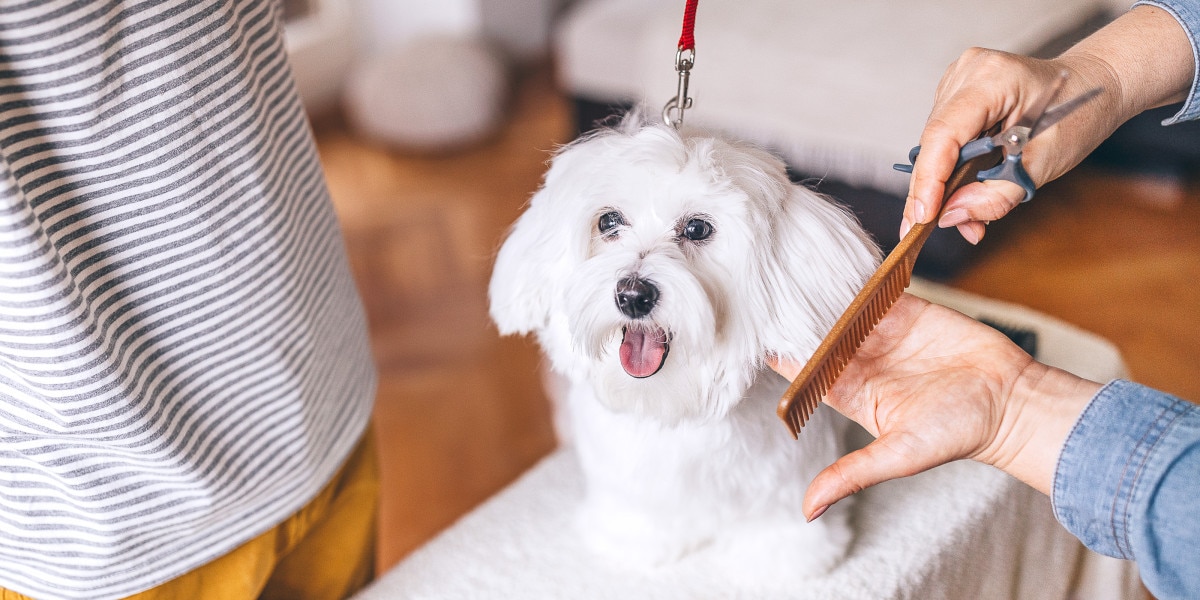
Brushing removes loose hair and dirt. It stops tangles from forming mats. Mats pull the skin and hurt dogs. Long-haired dogs need daily brushing. Short-haired dogs need it once or twice a week.
Use the right brush for your dog’s coat type. Gently work through tangles to avoid pain. Regular brushing keeps the coat shiny and healthy.
Bathing
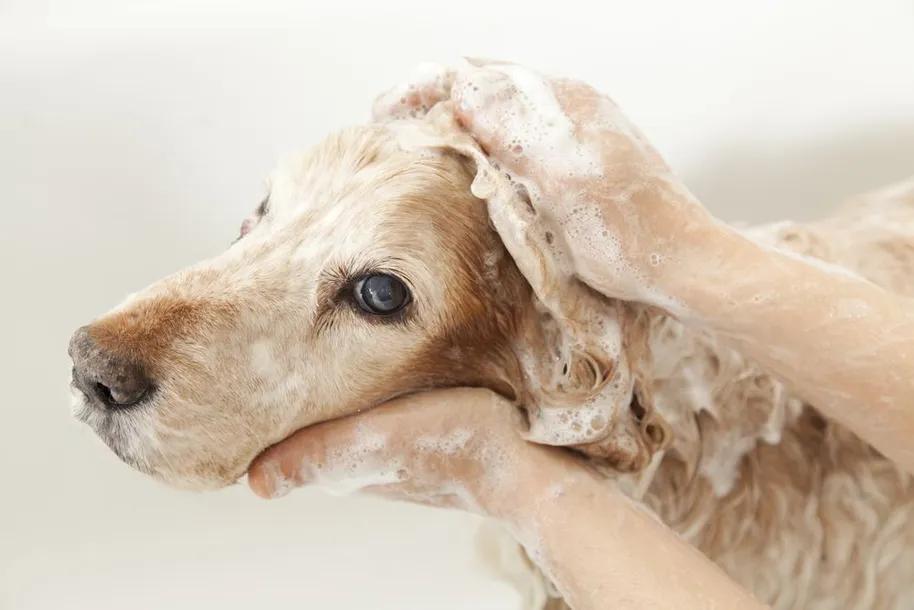
Bathing cleans the skin and fur. It removes dirt, oils, and odors. Most dogs need a bath every one to three months. Dogs that swim or get dirty often may need baths more.
Use dog shampoo that suits your dog’s skin. Avoid human shampoos as they can cause irritation. Rinse well to remove all soap and prevent dryness.
Nail Trimming
Nail trimming stops nails from getting too long. Long nails can hurt your dog’s paws and cause walking problems. Trim nails every three to four weeks. Some dogs wear down nails naturally and need less trimming.
Use sharp dog nail clippers. Cut small bits at a time. Avoid the quick, the pink part inside the nail, to prevent bleeding.
Ear Cleaning
Ear cleaning removes dirt and wax build-up. It helps prevent infections and bad smells. Check ears weekly for redness, dirt, or odor. Clean ears as needed with a vet-approved solution.
Use a cotton ball or soft cloth. Never insert anything deep into the ear canal. Gentle cleaning keeps ears healthy and comfortable.
Teeth Brushing
Teeth brushing prevents plaque and bad breath. It keeps gums healthy and stops tooth loss. Brush your dog’s teeth two to three times a week. Use dog toothpaste and a soft toothbrush.
Start slowly to help your dog get used to it. Healthy teeth support overall health and wellbeing.
Grooming Schedules By Dog Type
Different dog types need different grooming schedules. Their coat type affects how often grooming is needed. Understanding these differences helps keep dogs clean and healthy.
Some dogs need frequent grooming, while others require less care. Let’s explore grooming needs by dog type.
Short-haired Breeds
Short-haired dogs have smooth coats that shed moderately. Brushing once a week usually works well. Baths every month keep their skin clean. Nail trimming and ear checks are also important parts of grooming.
Long-haired Breeds
Long-haired dogs need more frequent grooming. Daily brushing prevents tangles and mats. Baths every three to four weeks help keep their coat soft. Professional grooming every six to eight weeks is often necessary.
Double-coated Breeds
Double-coated dogs have a thick undercoat and a topcoat. Brushing two to three times a week removes loose fur. Extra brushing during shedding season helps manage hair loss. Baths every six to eight weeks keep the coat healthy.
Hairless Breeds
Hairless dogs need special grooming care. Their skin requires regular cleaning to avoid dryness. Bathing every one to two weeks is important. Moisturizing and sun protection also protect their delicate skin.
Signs Your Dog Needs Grooming
Dogs need regular grooming to stay healthy and happy. Knowing the signs that your dog needs grooming helps you act on time. Watch for changes in their coat, skin, and behavior. These signs tell you it is time to groom your dog.
Matting And Tangling
Knots and mats form when fur is not brushed often. Mats pull on the skin and cause pain. Tangled fur traps dirt and moisture. This can lead to skin infections. Check your dog’s coat for clumps or tight knots.
Unpleasant Odors
A bad smell from your dog can mean dirt or oil buildup. It can also signal skin problems or ear infections. Regular grooming helps keep your dog smelling fresh. Notice any strong or unusual odors from your dog’s coat or ears.
Excessive Shedding
Shedding is normal but too much can be a problem. It may mean your dog’s coat needs brushing. Grooming removes loose fur and reduces hair around the house. Watch for large clumps of fur falling off your dog.
Discomfort Or Itching
Dogs that scratch or bite their skin often need grooming. Itching can come from dirt, dry skin, or parasites. Grooming soothes the skin and removes irritants. Look for signs of restlessness or frequent scratching.
Professional Grooming Vs. Home Grooming
Deciding between professional grooming and grooming your dog at home depends on many factors. Both methods keep your dog clean and healthy. Each has unique benefits and challenges. Understanding these can help you choose the best option for your pet’s needs.
Benefits Of Professional Services
Professional groomers have the right tools for every dog breed. They know how to handle different coat types safely. Groomers can spot skin issues early and suggest treatments. Many dogs feel more relaxed with trained groomers. Professionals offer services like nail trimming, ear cleaning, and haircuts. This saves time and effort for busy pet owners.
Tips For Grooming At Home
Start grooming your dog young to build trust. Use gentle brushes to avoid hurting your pet’s skin. Choose shampoos made for dogs to protect their fur. Trim nails carefully to avoid pain or bleeding. Keep grooming sessions short and positive. Reward your dog with treats to create good habits. Regular brushing reduces shedding and mats.
When To Seek Expert Help
Choose professional help if your dog has a thick or tangled coat. Look for grooming help if your dog shows stress during home grooming. Seek experts for difficult tasks like de-matting or medical skin care. Use professional groomers for nail trimming if your dog’s nails grow fast. Call a groomer if you notice unusual bumps, redness, or bad odor. Experts can handle grooming safely and reduce risks.
Credit: www.purina.com
Tools And Products For Grooming
Grooming a dog needs the right tools and products. These help keep your dog clean, healthy, and comfortable. Choosing the right items also makes grooming easier and safer. Each dog’s coat and skin type needs different care. The right tools help you handle these needs well.
Brushes And Combs
Brushes and combs remove dirt and loose hair. They also prevent mats and tangles. Dogs with long hair need slicker brushes. Short-haired dogs do well with bristle brushes. Combs help find small knots and debris. Regular brushing spreads natural oils for a shiny coat.
Shampoos And Conditioners
Shampoos clean your dog’s skin and fur. Use formulas made for dogs, not humans. Conditioners keep hair soft and easy to comb. They also reduce static and dryness. Choose shampoos for your dog’s skin type. Sensitive skin needs gentle, hypoallergenic products.
Clippers And Scissors
Clippers cut hair quickly and evenly. Use them for thick or long coats. Scissors help trim around sensitive areas like paws and face. Sharp scissors are safer and give a cleaner cut. Always keep blades clean and sharp to avoid pulling hair.
Nail Care Tools
Nail clippers or grinders keep nails at a safe length. Long nails can hurt your dog’s paws. Clippers are best for quick cuts. Grinders smooth out rough edges. Trim nails carefully to avoid cutting the quick, which can cause pain and bleeding.
Maintaining Grooming Habits
Maintaining grooming habits for your dog helps keep them healthy and happy. Regular grooming prevents mats, skin problems, and bad odors. It also strengthens the bond between you and your pet. Establishing good habits early makes grooming easier over time.
Creating A Routine
Set a regular grooming schedule based on your dog’s breed and coat type. Short-haired dogs may need grooming once a month. Long-haired dogs might require grooming every two to four weeks. Choose a calm time when your dog is relaxed. Consistency helps your dog expect and accept grooming sessions.
Training Your Dog For Grooming
Start grooming your dog slowly and gently. Use treats and praise to make grooming a positive experience. Let your dog smell and touch the grooming tools. Practice brushing and touching paws daily. This builds trust and reduces fear during grooming.
Handling Grooming Challenges
Some dogs dislike certain grooming steps like nail trimming or bathing. Stay calm and patient during these moments. Break grooming into small parts over several days. Seek help from a professional groomer or vet if needed. Always reward your dog for good behavior to encourage cooperation.

Credit: purrfectgrooming.pet
Frequently Asked Questions
How Often Should I Groom My Dog?
Dogs generally need grooming every 4 to 8 weeks. Frequency depends on breed, coat type, and activity level. Regular grooming keeps your dog healthy and comfortable. It prevents matting, reduces shedding, and promotes good hygiene. Consult a groomer or vet for breed-specific advice.
Does Grooming Affect My Dog’s Health?
Yes, grooming improves your dog’s health. It prevents skin infections, detects parasites early, and promotes blood circulation. Regular grooming also helps control shedding and keeps nails at a healthy length. A clean coat reduces allergens and keeps your dog comfortable and happy.
Can I Groom My Dog At Home?
You can groom your dog at home with proper tools and knowledge. Basic grooming includes brushing, nail trimming, and bathing. However, professional grooming is recommended for complex tasks like haircuts or dealing with mats. Always use dog-friendly products and be gentle to avoid injury.
What Signs Show My Dog Needs Grooming?
Signs your dog needs grooming include excessive shedding, matted fur, foul odor, and dirty ears. Overgrown nails causing discomfort and visible dirt or dandruff also indicate grooming is due. Regular checks help maintain your dog’s health and prevent painful issues.
Conclusion
Regular grooming keeps dogs healthy and happy. Different breeds need different grooming schedules. Short-haired dogs may need grooming less often. Long-haired dogs usually need grooming more frequently. Pay attention to your dog’s coat and skin. Clean ears and trimmed nails are important too.
Grooming also helps spot health problems early. Make grooming a part of your routine. Your dog will feel comfortable and look great. Keep grooming simple and consistent for best results.


