

Are you wondering if it’s okay to give your adult dog puppy food? You’re not alone.
Many dog owners face this question because puppy food often looks more appealing or is easier to find. But is it really safe for your adult dog? Could it help them stay healthier, or might it cause problems down the road?
Keep reading to discover the truth about feeding adult dogs puppy food and what you should consider before making a choice that affects your furry friend’s health.
Credit: www.acanapetfoods.co.uk
Differences Between Puppy And Adult Dog Food
Adult dogs and puppies have very different needs. Their food must match these needs. Puppy food supports growth and development. Adult dog food helps maintain health and energy. Understanding these differences helps you choose the right food.
Nutritional Needs Of Puppies
Puppies need more calories than adult dogs. Their bodies grow fast and require extra energy. Protein helps build strong muscles. Fat provides energy and supports brain growth. Puppies also need more vitamins and minerals. Calcium and phosphorus help develop healthy bones.
Nutritional Needs Of Adult Dogs
Adult dogs need fewer calories than puppies. Their growth has slowed, so they need balanced energy. Protein is important for muscle maintenance. Fat levels are lower to avoid weight gain. Adult dogs need nutrients to support their immune system and organ health.
Key Ingredient Variations
Puppy food contains higher protein and fat levels. It has added DHA for brain and eye development. Calories are denser to fuel growth. Adult dog food has moderate protein and fat. It includes ingredients for joint health and digestion. The formulas reflect each life stage’s unique needs.
Credit: www.bowlerspets.com
Potential Effects Of Feeding Adult Dogs Puppy Food
Feeding adult dogs puppy food can affect their health in several ways. Puppy food has more calories and nutrients to help young dogs grow. Adult dogs do not need that extra nutrition. Giving them puppy food regularly may cause problems over time.
Weight Gain And Obesity Risks
Puppy food contains higher calories and fats. Adult dogs eating this food may gain weight quickly. Extra calories turn into fat when not used. This can lead to obesity, which harms your dog’s health. Obesity increases risks of diabetes and joint problems.
Digestive Issues
Adult dogs have different digestive needs than puppies. Rich puppy food can upset their stomach. Signs include diarrhea, gas, or vomiting. The body struggles to process too many nutrients. This can cause discomfort and digestive problems over time.
Impact On Energy Levels
Puppy food boosts energy for growing dogs. Adult dogs may feel too energetic or restless. Some may even feel tired after overeating. Balanced nutrition suits adult dogs better. Too much energy from food can cause behavior changes.
When Puppy Food Might Be Suitable For Adults
Puppy food is rich in nutrients to support rapid growth. Adult dogs usually need fewer calories and less fat. Yet, some adult dogs may benefit from puppy food for special reasons. This section explains when puppy food might suit adult dogs.
Growth Recovery Or Illness
Adult dogs recovering from illness or surgery need extra nutrition. Puppy food provides more calories and protein. These help rebuild muscles and regain strength quickly. It supports healing and faster recovery. Vets sometimes suggest puppy food during this period.
High Activity Or Working Dogs
Dogs with high energy, like working or sporting dogs, burn many calories daily. Puppy food has more fat and protein to fuel their activity. It helps maintain their weight and muscle tone. Feeding puppy food can meet their intense energy needs better.
Veterinarian Recommendations
Vets may advise puppy food for adult dogs in certain cases. Each dog’s health and needs vary greatly. A vet can decide if puppy food fits your dog’s condition. Always follow professional advice to keep your dog healthy and safe.
Credit: www.gallant.com
Alternatives To Puppy Food For Adult Dogs
Adult dogs need food that fits their stage of life. Puppy food is rich in calories and nutrients for growing dogs. But adult dogs have different needs. Feeding puppy food to adults may cause weight gain or health issues. There are better options that keep adult dogs healthy and happy.
Specialized Adult Dog Formulas
Adult dog formulas have balanced nutrients for maintenance and energy. These foods contain the right amount of protein and fat. They support muscle health and keep the dog active. Adult formulas also help maintain a healthy weight. They suit most breeds and sizes well.
Senior Dog Nutrition
Senior dog foods cater to older dogs’ changing needs. They have fewer calories to prevent weight gain. These formulas include ingredients for joint health and digestion. Vitamins and antioxidants help support aging bodies. Feeding seniors the right food can improve their quality of life.
Homemade Balanced Diets
Homemade diets let you control ingredients and quality. Use lean meats, vegetables, and grains to balance meals. Avoid toxic foods like onions or chocolate. Consult a vet for proper recipes and supplements. Homemade food can be fresh, tasty, and healthy for adult dogs.
Tips For Transitioning Dog Food Safely
Changing your dog’s food needs care. Sudden switches can upset their stomach. Follow these tips to make the change smooth and safe. This helps your dog adjust without problems.
Watch your dog closely during the switch. Notice any signs of discomfort or changes in behavior. Keeping an eye on health helps catch issues early.
Gradual Introduction
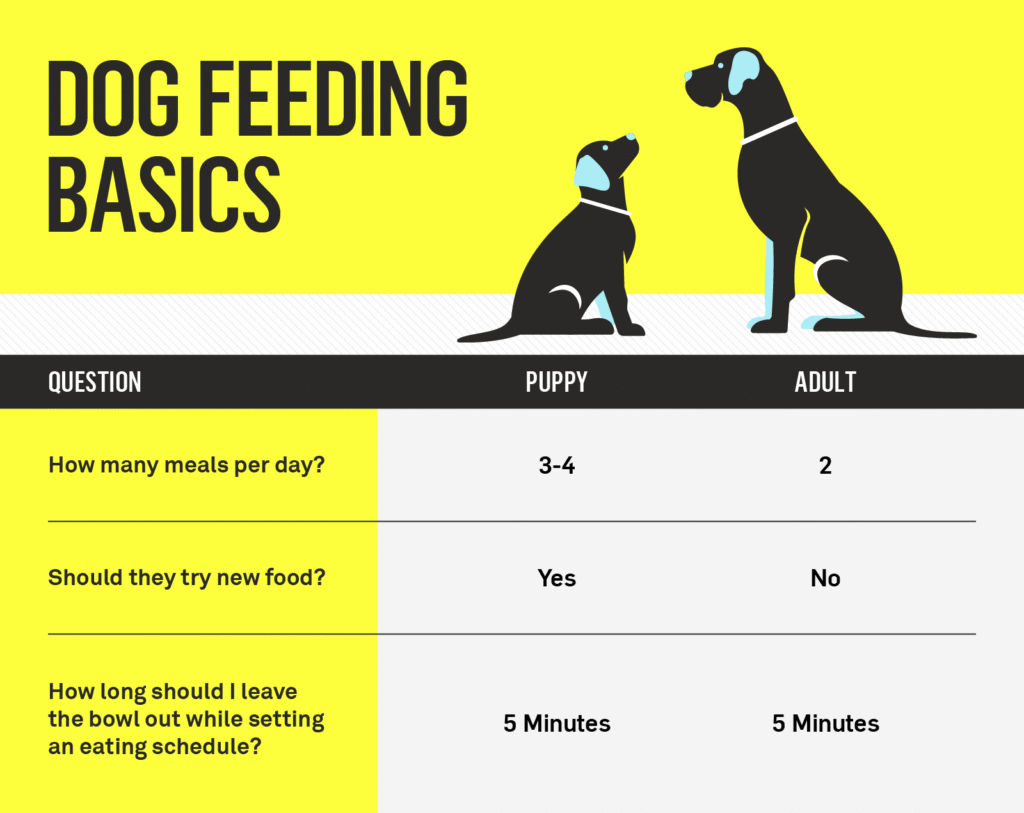
Start by mixing a small amount of new food with the old. Increase the new food slowly over 7 to 10 days. This slow change helps your dog’s stomach adjust. Avoid giving only new food at once.
Monitoring Health Changes
Look for signs like vomiting, diarrhea, or loss of appetite. Check if your dog seems tired or less playful. Changes in stool or skin can also show problems. Note these signs and act if they last more than a few days.
Consulting A Vet
Talk to your vet before switching foods. Your vet can guide you based on your dog’s health and age. They can suggest the best food type and schedule. This advice protects your dog’s well-being.
Frequently Asked Questions
Can Adult Dogs Safely Eat Puppy Food?
Adult dogs can eat puppy food occasionally, but it’s not ideal long-term. Puppy food has higher calories and nutrients meant for growth, which may cause weight gain or digestive issues in adults. It’s best to feed adult dogs food formulated for their age and health needs.
What Happens If Adult Dogs Eat Puppy Food Regularly?
Regularly feeding adult dogs puppy food can lead to obesity and digestive upset. The extra calories and nutrients are unnecessary for adult maintenance. Over time, this can strain organs and cause health problems. Always choose food suited for your dog’s life stage to maintain optimal health.
Is Puppy Food More Nutritious Than Adult Dog Food?
Puppy food contains more protein, fat, and calories to support growth. Adult dog food has balanced nutrients for maintenance and energy. Puppy food is not inherently “better,” but tailored for puppies’ developmental needs. Adult dogs require different nutrition to stay healthy and active.
Can Switching From Puppy To Adult Food Harm My Dog?
Switching from puppy to adult food is necessary as dogs mature. A gradual transition over 7-10 days helps prevent digestive upset. Abrupt changes can cause diarrhea or vomiting. Moving to adult food ensures your dog receives appropriate nutrients for their age and activity level.
Conclusion
Adult dogs can eat puppy food sometimes, but not always. Puppy food has extra nutrients that adult dogs do not need daily. Feeding puppy food all the time may cause weight gain or stomach problems. It is best to ask a vet before changing your dog’s diet.
Balanced adult dog food supports health and energy well. Treats and special needs may require different choices. Keep an eye on your dog’s weight and behavior. Healthy food helps your dog live a happy, long life. Choose wisely for your furry friend’s best care.


