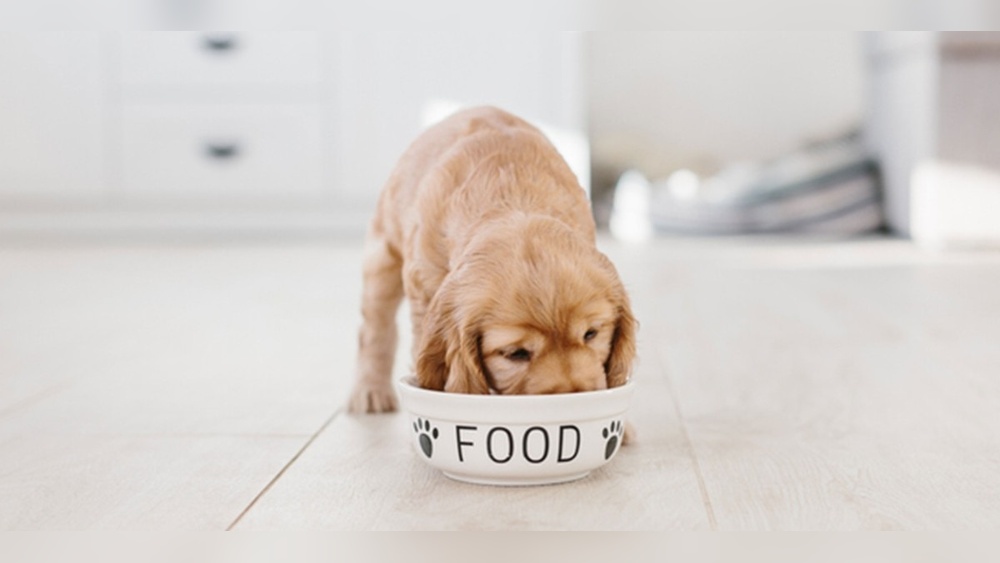
If you’re a puppy owner, you’ve probably wondered, “When can my puppy start eating adult dog food?” It’s a big step in your puppy’s growth and health. Feeding your furry friend the right food at the right time helps them grow strong and stay happy.
But switching too early or too late can cause problems. You’ll learn exactly when and how to make this important change. Keep reading to make sure you’re giving your puppy the best start in life.
Credit: www.bowlerspets.com
Puppy Nutrition Basics
Puppies need special care in their diet for healthy growth. Their bodies grow fast and require more nutrients than adult dogs. Proper nutrition supports strong bones, muscles, and a healthy immune system. Feeding the right food helps puppies develop well and avoid health problems.
Understanding puppy nutrition helps you choose the best food. It also guides when to switch to adult dog food. Let’s explore the key points about what puppies need and how their food differs.
Nutritional Needs Of Puppies
Puppies need more protein than adult dogs. Protein helps build muscles and tissues. They also need higher fat levels for energy. Vitamins and minerals support brain and bone development. Calcium and phosphorus are especially important for strong bones. Puppies need a balanced diet with all these nutrients. Feeding them less can slow growth. Feeding too much can cause health issues.
Differences Between Puppy And Adult Food
Puppy food has more calories than adult food. It contains higher protein and fat to meet energy needs. Adult dog food has fewer nutrients since adult dogs grow slower. Puppy food often includes extra vitamins and minerals. The texture of puppy food is softer to help chewing. Adult food is harder and designed for mature teeth. Using adult food too early can cause nutrient gaps. Puppy food supports their rapid growth and development better.
Signs Puppy Is Ready For Adult Food
Knowing when your puppy is ready for adult food is important for their health. Puppies grow fast, and their diet must change to keep up with their needs. Some clear signs show when the switch is due. Watch your puppy closely to spot these changes. They help you decide the right time for adult food.
Physical Growth Indicators
One sign is steady weight gain and size growth. Puppies start to look less like babies and more like small dogs. Their baby teeth fall out and adult teeth appear. Their bones feel stronger, and their energy lasts longer. These changes mean their body needs different nutrients than before.
Behavioral Changes
Older puppies eat less often than young ones. They may show less chewing on everything around. They seem calmer and less hyperactive at times. Their eating habits change too. They finish meals faster and want less food throughout the day. These signs help tell you they are maturing.
Veterinary Recommendations
Your vet is a great guide for this change. They check your puppy’s weight and health at visits. They suggest the best time to switch food based on breed and growth. Follow their advice to avoid feeding problems. Your vet may also recommend a gradual food change to avoid stomach upset.
Timing The Transition
Knowing the right time to switch your puppy to adult dog food is important. The transition affects their health and growth. Moving too early or too late can cause problems. Understanding the timing helps keep your puppy happy and strong.
Ideal Age To Switch
Puppies grow fast during their first year. Most dogs can start eating adult food between 9 and 12 months old. Small breeds may switch earlier, around 9 months. Large breeds often need to wait until 12 months or later. Check your vet’s advice for your puppy’s breed and size.
Gradual Transition Process
Switching food suddenly can upset your puppy’s stomach. Mix a small amount of adult food with puppy food at first. Increase the adult food slowly over 7 to 10 days. Watch your puppy’s reaction during this time. This gentle change helps your puppy accept the new food.
Avoiding Digestive Issues
Digestive problems happen if you change food too fast. Diarrhea and vomiting are common signs. Keep an eye on your puppy’s stool and appetite. Stop the transition if any issues appear. Return to puppy food and try again after a few days. A slow, steady change keeps your puppy’s tummy calm.
Choosing The Right Adult Food
Switching your puppy to adult dog food is an important step. This change supports healthy growth and daily energy needs. Choosing the right food helps keep your dog active and strong. Not all adult dog foods are the same. Some fit better for certain dogs than others. Understanding what your dog needs makes feeding easier and safer.
Nutritional Requirements For Adult Dogs
Adult dogs need balanced nutrition to stay healthy. Their food should have the right mix of protein, fat, and fiber. Protein helps build strong muscles. Fat gives energy and keeps the skin shiny. Fiber supports digestion and prevents stomach issues. Vitamins and minerals keep the immune system strong. Look for foods labeled for adult maintenance. Avoid puppy formulas once your dog grows up. Too many calories can cause weight gain. Proper portions matter as much as food type.
Special Considerations For Different Breeds
Different dog breeds have unique needs. Large breeds need food that supports joint health. Smaller breeds require smaller kibble sizes and more calories. Some breeds have sensitive stomachs and need gentle recipes. Others may need food for skin or coat care. Age and activity level also affect food choice. Tailor your dog’s diet to breed traits for best results. Consult your vet for specific breed advice.
Common Mistakes To Avoid
Knowing when to switch your puppy from puppy food to adult dog food is important. Many pet owners make common mistakes during this transition. These errors can affect your puppy’s health and growth. Avoiding these mistakes helps your dog stay healthy and happy.
Switching Too Early Or Too Late
Switching your puppy to adult food too early can cause nutrition gaps. Puppies need extra nutrients to grow strong. Adult food may not have enough of these nutrients. Switching too late can lead to weight gain or digestion problems. Each puppy grows at a different pace. Watch your puppy’s size and energy to decide the right time.
Ignoring Puppy’s Individual Needs
Every puppy is unique. Some puppies need more calories or special nutrients. Ignoring these needs can cause health issues. Talk to your vet about your puppy’s breed, size, and activity level. This helps choose the best food for your dog. Adjust food type and amount as your puppy grows.
Credit: www.acanapetfoods.co.uk
Monitoring After The Switch
Switching your puppy to adult dog food is a big step. After the change, careful watching is important. This helps ensure your dog stays healthy and happy. Small changes in food can affect your puppy’s digestion and energy. Monitoring after the switch lets you catch any issues early. It also helps adjust the diet to fit your dog’s needs better.
Tracking Health And Weight
Check your dog’s weight regularly. Use a scale to track any gains or losses. Healthy weight means your puppy is getting the right nutrition. Watch for changes in coat shine and energy levels. Dull fur or tiredness can signal a problem. Keep an eye on bathroom habits too. Loose stools or constipation need attention. Write down these observations to share with your vet.
Adjusting Food Portions
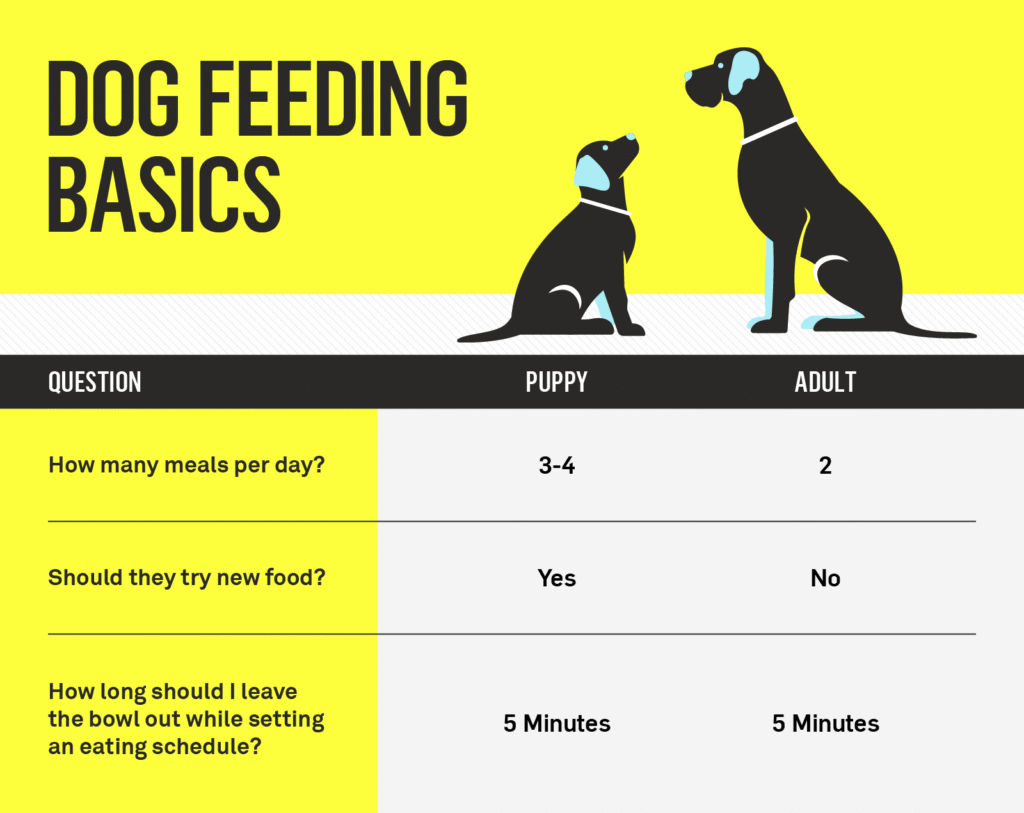
Start with the recommended adult dog food amount. Watch how your puppy reacts after meals. If your dog seems hungry or too full, change the portion size. Smaller, more frequent meals may help. Avoid overfeeding to prevent weight gain. Underfeeding can cause low energy and poor growth. Adjust portions slowly over days. This helps your dog’s stomach adapt comfortably to new food.
Credit: www.gallant.com
Frequently Asked Questions
When Should Puppies Transition To Adult Dog Food?
Puppies can start eating adult dog food around 12 months old. Large breeds may transition later, between 12-18 months. Always consult your vet to ensure the timing fits your puppy’s growth and nutritional needs for a healthy diet change.
Can Small Breed Puppies Eat Adult Dog Food Earlier?
Small breed puppies often mature faster and may switch to adult food closer to 10-12 months. Monitor their growth and consult your vet to ensure they receive proper nutrients for their size and energy needs during this transition.
What Are Risks Of Feeding Puppies Adult Dog Food Too Early?
Feeding adult dog food too soon can cause nutrient deficiencies. Puppies need higher protein, fat, and calories for growth. Early transition may lead to poor development, digestive upset, or weight issues. Always use age-appropriate food until your vet advises otherwise.
How To Gradually Switch Puppies To Adult Dog Food?
Mix increasing amounts of adult food with puppy food over 7-10 days. This helps your puppy adjust without digestive issues. Gradual change supports healthy eating habits and nutrient absorption during the transition period.
Conclusion
Puppies need special food to grow strong and healthy. Adult dog food lacks important nutrients for young dogs. Most puppies can switch after their first year. Always watch their health and ask your vet. Changing food too soon can cause stomach upset.
Take time to transition slowly to new food. This helps avoid problems and keeps your puppy happy. Feeding the right food helps your dog live well. Keep your puppy’s needs in mind every day. Good nutrition leads to a happy, healthy dog.