Are you wondering if it’s okay to give your puppy adult dog food? You want to do what’s best for your furry friend, but the choices can be confusing.
Feeding your puppy the right food is crucial for their growth and health. Giving them adult dog food might seem convenient, but could it cause problems? Keep reading to find out why what you feed your puppy matters so much—and how to make sure your little companion gets exactly what they need to thrive.
Credit: www.bowlerspets.com
Differences Between Puppy And Adult Dog Food
Puppies and adult dogs have different food needs. Their diets must support their unique stages of life. Puppy food and adult dog food vary in ingredients and nutrients. Feeding the right food helps dogs stay healthy and strong.
Understanding these differences is important for your dog’s growth and wellbeing. Let’s explore what makes puppy food different from adult dog food.
Nutritional Needs Of Puppies
Puppies need more calories than adult dogs. Their bodies grow fast and need energy. They require extra protein to build muscles and bones. Puppies also need more fat for brain development. Vitamins and minerals support their immune system and overall health.
Adult Dog Food Composition
Adult dog food has fewer calories than puppy food. It contains balanced protein and fat for maintenance, not growth. The fiber content is higher to aid digestion. Nutrients focus on keeping the dog’s body healthy and active. Adult food supports a stable weight and good energy levels.
Impact On Growth And Development
Feeding adult food to puppies may slow their growth. Puppies might miss key nutrients they need. This can cause weak bones and poor muscle development. It may also affect their brain and immune health. Proper puppy food helps puppies grow strong and healthy.

Credit: www.houndsy.com
Risks Of Feeding Adult Food To Puppies
Feeding adult dog food to puppies can cause serious health problems. Puppies need special nutrition to grow strong and healthy. Adult food does not meet these needs. This section explains the risks of giving adult dog food to puppies.
Nutrient Deficiencies
Puppies need more protein, fat, and calories than adult dogs. Adult food often lacks these nutrients. Missing key nutrients can slow puppy growth. It may also weaken their immune system. Proper nutrition supports strong bones, muscles, and brain development.
Digestive Problems
Puppy digestive systems are sensitive and still developing. Adult food is harder to digest for puppies. This can cause stomach upset, diarrhea, or vomiting. These problems make puppies uncomfortable and can lead to dehydration. Feeding age-appropriate food helps keep digestion smooth.
Long-term Health Issues
Poor nutrition early in life affects future health. Feeding adult food may cause obesity or joint problems later. It can also affect heart and organ development. Puppies need balanced diets to avoid health risks as adults. Good food choices now protect their long-term well-being.
When Adult Dog Food Might Be Acceptable
Adult dog food is usually not the best choice for puppies. Puppies need more nutrients and calories for growth. Still, there are times when feeding adult dog food to puppies might be okay. Understanding these situations helps keep puppies healthy while avoiding problems.
Short-term Feeding Scenarios
Adult dog food can work for puppies for a short time. For example, during travel or if puppy food is unavailable. A day or two of adult dog food won’t harm most puppies. But this should not become a regular habit. Puppies need special food for proper development.
Consulting A Veterinarian
A vet can give the best advice on feeding puppies. Some puppies with health issues might need adult dog food temporarily. Always check with a vet before changing a puppy’s diet. Vets can suggest the right food and feeding schedule.
Monitoring Puppy Health
Watch puppies closely when feeding adult dog food. Look for signs like weight loss, low energy, or digestion problems. If any issues appear, switch back to puppy food right away. Healthy puppies grow strong with proper nutrition.
Safe Alternatives To Adult Dog Food
Puppies need food that supports their fast growth and energy needs. Adult dog food lacks some key nutrients puppies require. Feeding puppies adult food regularly can cause health problems. Safe alternatives provide the right balance of nutrients. These choices help puppies grow strong and healthy.
Specialized Puppy Food Options
Specialized puppy foods are made just for young dogs. They have more protein, fat, and vitamins than adult foods. This helps puppies build muscles and develop their bones. Puppy foods come in dry, wet, and semi-moist forms. Choose a high-quality brand with simple ingredients. Feeding the right puppy food supports their immune system.
Homemade Puppy Meals
Homemade meals give control over ingredients and freshness. Use lean meats, cooked vegetables, and grains like rice or oats. Avoid foods toxic to dogs, such as onions and chocolate. Consult a vet to balance nutrients properly. Homemade meals can be tasty and healthy for puppies. They also allow for variety and cater to picky eaters.
Supplementing Puppy Diets
Supplements fill gaps in a puppy’s diet. Calcium supports bone growth, while omega-3 fatty acids help brain development. Use supplements recommended by a veterinarian only. Do not over-supplement, as it can harm puppies. Balanced feeding with proper supplements promotes healthy growth. Supplements are not a replacement for good puppy food.
Transitioning From Puppy To Adult Food
Transitioning your puppy from puppy food to adult dog food is an important step in their growth. This change supports their developing body and keeps them healthy. Making this switch properly helps your dog adjust well to the new diet. A smooth transition avoids stomach upset and nutrient gaps.
Ideal Timing For Switch
Most puppies need to switch to adult food between 9 and 12 months old. Small breeds may change sooner, around 9 months. Large breeds might wait closer to 12 months. Watch your dog’s size and energy levels for clues. Consult your vet for the best timing for your puppy.
Gradual Transition Methods
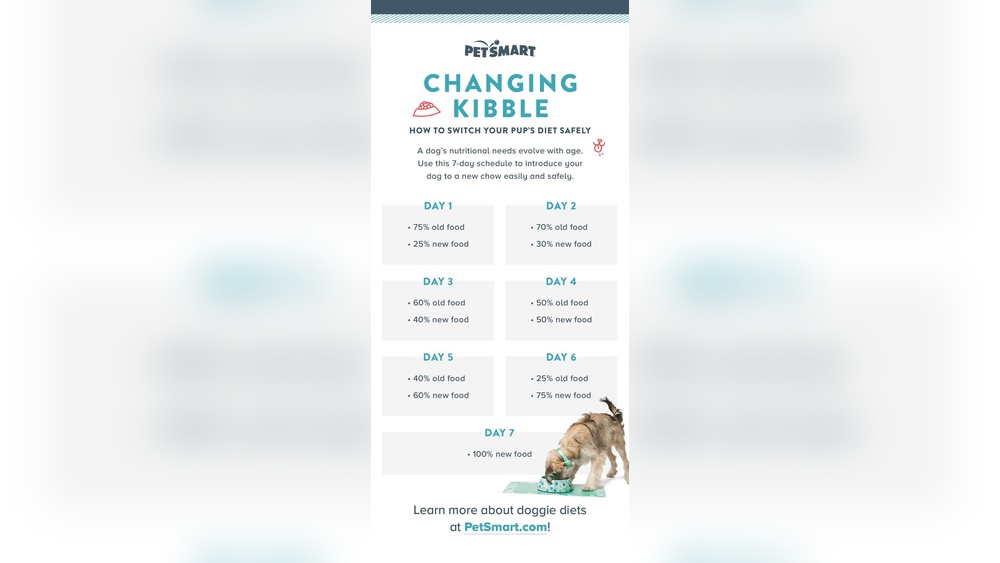
Start by mixing a small amount of adult food with puppy food. Increase the adult food amount over 7 to 10 days. This slow change helps your puppy’s stomach adjust. Avoid sudden switches to prevent diarrhea or vomiting. Keep fresh water available during the transition.
Signs Of Successful Transition
Your puppy eats the new food without fuss. Their stool remains firm and regular. Energy and playfulness stay steady or improve. Coat stays shiny and healthy-looking. No signs of allergies or upset stomach appear. These signs show the new diet suits your dog well.
Credit: www.acanapetfoods.co.uk
Frequently Asked Questions
Can Puppies Eat Adult Dog Food Safely?
Puppies can eat adult dog food temporarily, but it lacks essential nutrients for growth. Puppy food supports brain and bone development with higher protein and fat. Feeding adult food long-term may cause nutritional deficiencies and health issues in puppies.
What Are The Risks Of Feeding Puppies Adult Dog Food?
Adult dog food may lack vital nutrients like DHA, calcium, and vitamins needed for puppy growth. This can lead to weak bones, poor brain development, and compromised immunity. Puppies need food formulated specifically for their developmental stages to thrive and stay healthy.
When Can Puppies Switch To Adult Dog Food?
Most puppies can switch to adult dog food between 12 to 18 months of age. This depends on breed size and vet recommendations. Large breeds may take longer to transition. Always consult your vet to ensure the timing suits your puppy’s growth needs.
Why Is Puppy Food Better Than Adult Dog Food?
Puppy food is specially formulated with higher protein, fat, and essential nutrients. It supports rapid growth, brain development, and immune health. Adult dog food lacks these nutrients in the amounts puppies require, making it unsuitable for their dietary needs.
Conclusion
Puppies need food made just for them. Adult dog food lacks some important nutrients. Feeding puppies adult food can slow their growth. Puppy food helps build strong bones and muscles. Always choose food made for your pup’s age. Keep your puppy healthy with the right nutrition.
A little care now helps avoid problems later. Choose wisely to give your puppy the best start.