

Have you ever wondered just how many breeds of dogs exist in the world? Whether you’re thinking about adding a furry friend to your family or simply curious about these loyal companions, knowing the variety of dog breeds can help you find the perfect match for your lifestyle.
From tiny pups to giant protectors, each breed has its own unique traits and charm. Keep reading, and you’ll discover surprising facts that might change the way you see dogs forever. Your next favorite breed could be waiting right here.
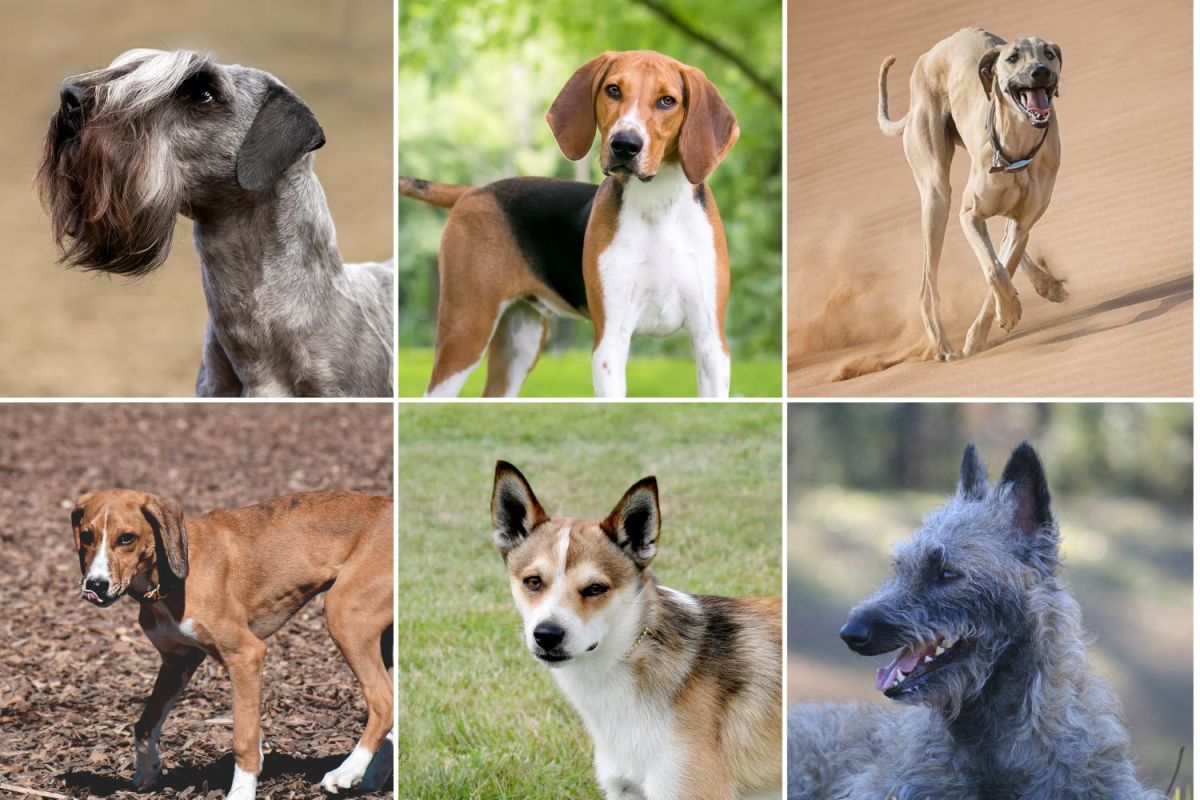
Credit: www.newsweek.com
Dog Breed Categories
Dog breeds are grouped into categories based on their traits and original jobs. These groups help people understand the dog’s behavior and needs better. Each category has unique characteristics that suit different lifestyles and environments.
Knowing the categories makes choosing a dog easier. It also helps in training and care. Below are the main dog breed categories and what makes each special.
Sporting Dogs
Sporting dogs are active and love water and land activities. They were bred to help hunters find and retrieve game. These dogs need lots of exercise and enjoy playing outside. Popular examples include retrievers and spaniels.
Working Dogs
Working dogs are strong and intelligent. They help with tasks like guarding, pulling sleds, and rescue work. These dogs need mental challenges and physical work to stay happy. Breeds like the Saint Bernard and Boxer fit here.
Hound Dogs
Hound dogs have a strong sense of smell and great stamina. They were bred to track or chase prey. Some hunt by scent, others by sight. Beagles and bloodhounds are well-known hound breeds.
Terriers
Terriers are feisty and energetic. They were bred to catch and kill vermin. These dogs are tough and curious. Many terriers have a bold, confident personality. The Jack Russell Terrier is a popular example.
Toy Dogs
Toy dogs are small and perfect for apartment living. They are friendly and make great companions. These dogs need gentle care and love attention. Chihuahuas and Pomeranians belong to this group.
Non-sporting Dogs
Non-sporting dogs are diverse in size and coat. They don’t fit into other specific categories. Their jobs vary from companionship to guarding. Examples include the Dalmatian and Bulldog.
Herding Dogs
Herding dogs are smart and quick learners. They help control livestock like sheep and cattle. These dogs need tasks to stay focused and happy. Border Collies and German Shepherds are famous herders.
Global Breed Recognition
Dog breeds vary widely across the world. Each country or group may recognize different breeds. Global breed recognition helps unite these differences. It creates standards for dog breeds internationally. This helps owners, breeders, and enthusiasts understand breed traits.
Several major organizations lead the way in breed recognition. They register breeds and set official guidelines. These groups influence how many breeds are known worldwide. Understanding their roles shows how diverse dog breeds truly are.
American Kennel Club
The American Kennel Club, or AKC, is a key U.S. group. It recognizes over 190 dog breeds. The AKC sets breed standards for show and breeding. It also organizes dog shows and events nationwide. The club updates its list when new breeds meet criteria. This keeps the breed count dynamic and growing.
Fédération Cynologique Internationale
The Fédération Cynologique Internationale, or FCI, is the world’s largest canine organization. It recognizes around 360 breeds. The FCI works with member countries to standardize breeds. It promotes international cooperation among dog clubs. Its breed list covers many rare and regional dogs. The FCI’s influence spans Europe, Asia, and beyond.
Other Major Organizations
Other groups also recognize dog breeds globally. The United Kennel Club in the U.S. lists many breeds, including some not in the AKC. The Kennel Club in the UK is another important body. It maintains breed standards and supports dog welfare. These organizations contribute to the global picture of dog breeds. Their combined efforts show how vast and varied dog breeds are worldwide.
Factors Affecting Breed Counts
The number of dog breeds changes over time. Several factors influence these changes. Understanding these factors helps us know why breed counts vary across lists and countries.
Dog breeds evolve through natural changes and human intervention. Breed recognition also depends on kennel clubs and breed organizations. These groups decide which dogs qualify as distinct breeds.
New Breed Development
New dog breeds appear as people create specific traits. Breeders select dogs with certain skills or looks. Over time, these dogs become a new breed.
New breeds need time to gain official recognition. Some breeds stay local and never become well-known. This process affects the total number of recognized breeds.
Breed Mergers And Splits
Some breeds merge if they share many features. Others split when new traits become important. This changes how many breeds exist on official lists.
Experts may decide to combine similar breeds for clarity. Or they may split a breed into two if differences grow. These choices impact the breed count.
Regional Variations
Different countries recognize different breeds. A dog breed popular in one region may be unknown elsewhere. Local culture and history shape which breeds are valued.
Some breeds only exist in certain areas. Others spread worldwide. Regional breed lists reflect these differences and affect total breed numbers.

Credit: theconversation.com
Rare And Emerging Breeds
Rare and emerging dog breeds offer fresh options for dog lovers. These breeds often come with unique traits and histories. Many are just starting to gain attention in the dog world. Some have only recently been officially recognized. Others are still being developed by breeders. Many rare breeds face risks of extinction. Conservation efforts help protect these special dogs.
Recently Recognized Breeds
Some dog breeds have gained official recognition in recent years. This means they meet the standards set by major kennel clubs. Recognition helps these breeds grow in popularity. It also supports breed health and preservation. Examples include the Russian Toy and the Turkish Kangal. These breeds are now easier to find and learn about.
Breeds In Development
New dog breeds are being developed by breeders worldwide. These breeds often combine traits from two or more existing breeds. The goal is to create dogs with specific qualities. Traits like temperament, size, or coat type are important. Some emerging breeds take years to stabilize. Breeders work hard to ensure consistent traits in each generation.
Conservation Of Rare Breeds
Many rare dog breeds face threats to their survival. Small populations can lead to health problems and loss of diversity. Conservation programs aim to protect these breeds. They encourage responsible breeding and awareness. Some groups focus on preserving native or indigenous breeds. These efforts help keep dog diversity alive for future generations.
Choosing The Right Breed
Choosing the right dog breed is important. It affects your happiness and the dog’s well-being. Different breeds have different needs. Understanding these needs helps you find a good match. This section covers key points to consider before picking a breed.
Lifestyle Compatibility
Your daily routine shapes the best dog choice. Active breeds need lots of exercise. Quiet breeds prefer calm homes. Small dogs fit well in apartments. Big dogs need space to run and play. Think about your work hours and activity level. Choose a breed that fits your life easily.
Health Considerations
Every breed has unique health risks. Some need regular grooming or special diets. Others may face joint or heart problems. Check the breed’s common health issues. Budget for vet visits and care. Good health means a longer, happier life for your dog.
Temperament And Training
Temperament varies widely across breeds. Some dogs are friendly and easy to train. Others can be stubborn or shy. Consider your experience with training dogs. Choose a breed that matches your patience and skills. Training builds a strong bond and good behavior.
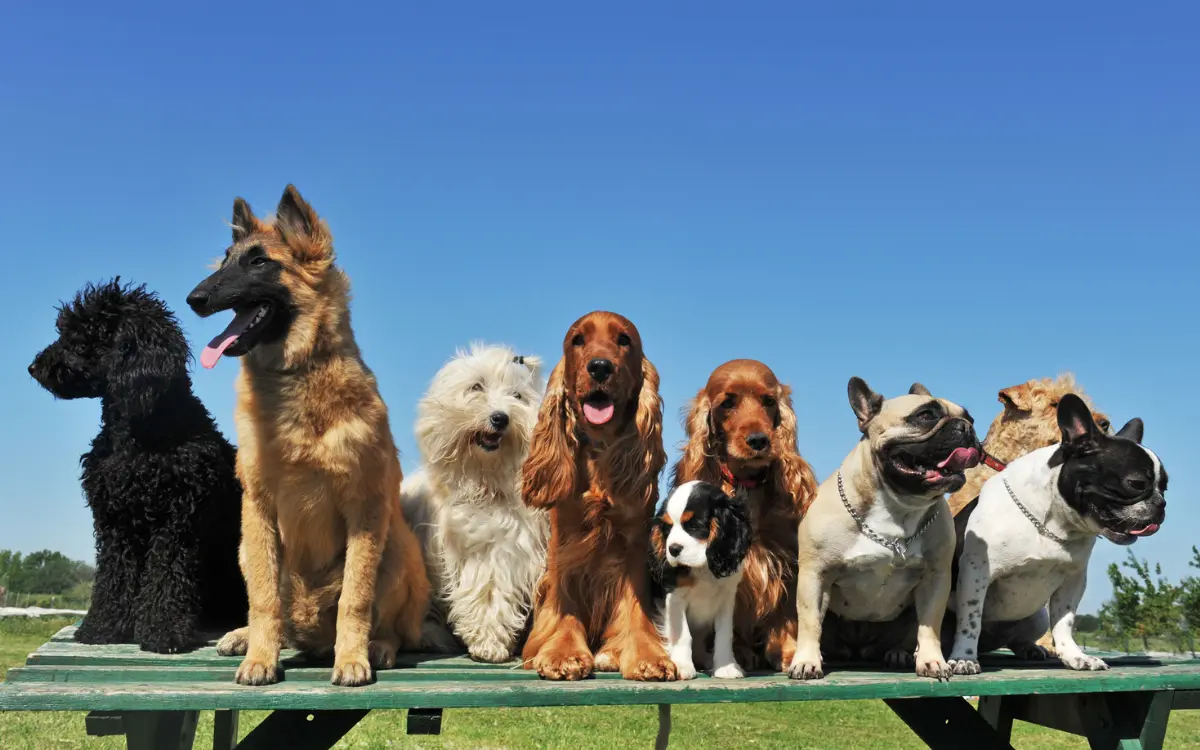
Credit: www.newsweek.com
Frequently Asked Questions
How Many Dog Breeds Exist Worldwide?
There are about 340 recognized dog breeds globally. Different kennel clubs categorize breeds based on traits and origin. This number may vary slightly depending on the organization.
Which Dog Breed Is The Most Popular?
The Labrador Retriever is the most popular dog breed worldwide. It is loved for its friendly nature and intelligence. Labs are great family pets and service dogs.
How Are Dog Breeds Classified?
Dog breeds are classified by size, coat type, and purpose. Common groups include working, herding, toy, and sporting breeds. Classification helps owners choose suitable pets.
Can New Dog Breeds Be Created?
Yes, new dog breeds can be developed through selective breeding. Breeders aim to combine traits from existing breeds. New breeds undergo recognition by kennel clubs after consistent traits.
Conclusion
Dogs come in many breeds, each with unique traits and charm. Knowing the number of dog breeds helps you appreciate their variety. Whether big or small, all dogs need love and care. Choosing the right breed depends on your lifestyle and needs.
Enjoy learning about dogs and find one that fits you best. Dogs bring joy and friendship to many homes worldwide. Keep exploring to discover more about these amazing animals.


