Are you wondering when to switch your furry friend from puppy food to adult dog food? It’s a big step that affects your dog’s health, energy, and growth.
Getting the timing right can keep your dog happy and strong, while switching too early or too late might cause problems. You’ll discover exactly when and how to make the change smoothly. Keep reading to learn the simple signs your dog is ready and what to watch out for during the transition.
Your dog’s well-being depends on it!
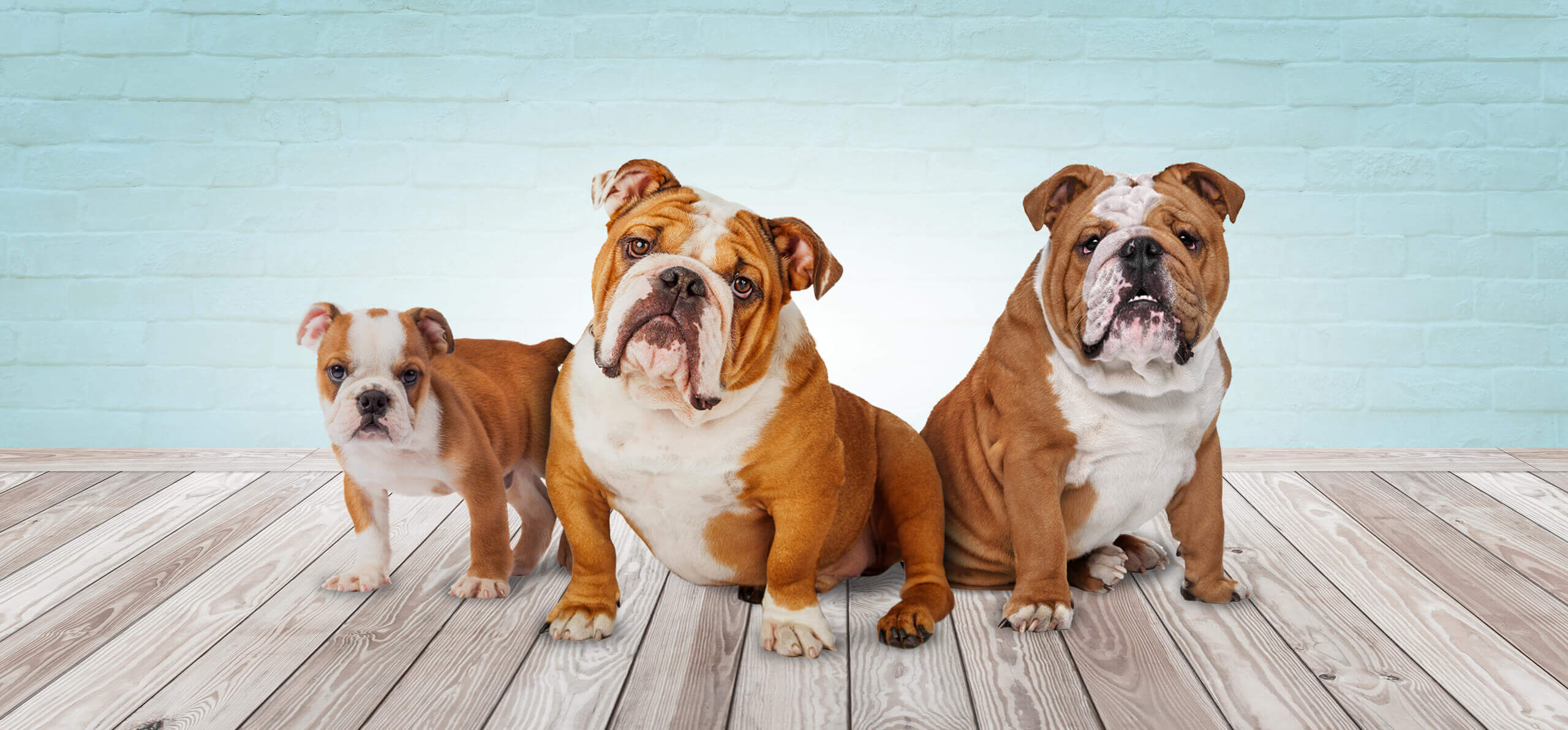
Credit: www.bluebuffalo.com
Puppy Growth Stages
Puppies grow very fast during their first year. Their bodies and minds change a lot. Each stage of growth needs different care and food. Understanding these stages helps you feed your puppy correctly. This supports healthy growth and strong development.
Feeding the right food at the right time is key. It helps puppies build strong bones and muscles. It also supports brain growth and energy levels. Let’s explore the main growth stages and what your puppy needs at each stage.
Key Age Milestones
From birth to eight weeks, puppies depend on their mother’s milk. They start to try solid food at about three to four weeks. By eight weeks, they are ready for puppy food.
Between three to six months, puppies grow very fast. Their bones and muscles get stronger. At six months, many puppies begin losing their baby teeth.
From six to twelve months, puppies slow down their growth. This stage prepares them to become adult dogs. Most dogs switch to adult food after one year.
Nutritional Needs By Stage
Newborn puppies need high-fat and high-protein milk for energy. As they start eating solid food, they need balanced puppy food. This food should support rapid growth and brain development.
During the fast growth phase, puppies need more calories and nutrients. Protein helps build muscles. Calcium and phosphorus support bone health.
In the final puppy stage, their energy needs drop. Food should focus on maintaining healthy weight. Too much food can cause problems with joints and bones.
Signs To Switch Food
Knowing when to switch your dog from puppy food to adult food is important for their health. Watch for clear signs that show your puppy is growing up. These signs help you make the right choice at the right time.
Weight And Size Indicators
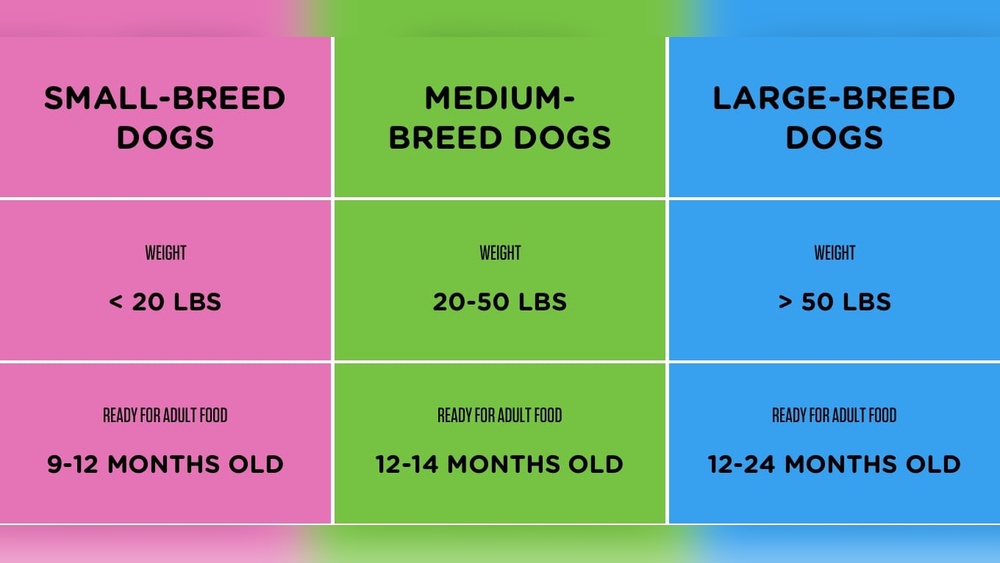
Puppies grow fast. Their weight and size tell a lot about their development. When your dog reaches about 80% of its adult weight, it may be time to change food. Small breeds grow faster and may switch earlier. Large breeds take longer to grow and need puppy food longer. Check your vet’s advice for your dog’s breed and size.
Behavioral Changes
As puppies grow, their energy levels change. They may become less hyper and more calm. Appetite may change too. Puppies often eat more during growth spurts. When your dog’s behavior and eating habits settle, adult food suits better. Watch for less playfulness and a steady appetite. These signs show they are ready for adult nutrition.
Choosing The Right Adult Food
Switching your dog from puppy food to adult food is an important step. The right food keeps your dog healthy and active. Adult dogs need different nutrients than puppies. Choosing the right adult food supports their growth and energy levels. It also helps maintain a healthy weight and strong immune system.
Understanding your dog’s needs helps you pick the best food. Age, size, and activity level affect their diet. The right adult food matches these needs perfectly. This section explains what to look for when selecting adult dog food.
Nutrient Requirements
Adult dogs need balanced nutrients for good health. Protein helps build and repair muscles. Fat provides energy and keeps skin healthy. Carbohydrates supply fuel for daily activity. Vitamins and minerals support bones and the immune system.
Adult dog food has less fat and calories than puppy food. This prevents weight gain as dogs grow older. Fiber helps digestion and keeps the stomach healthy. Water content is also important to keep dogs hydrated.
Types Of Adult Dog Food
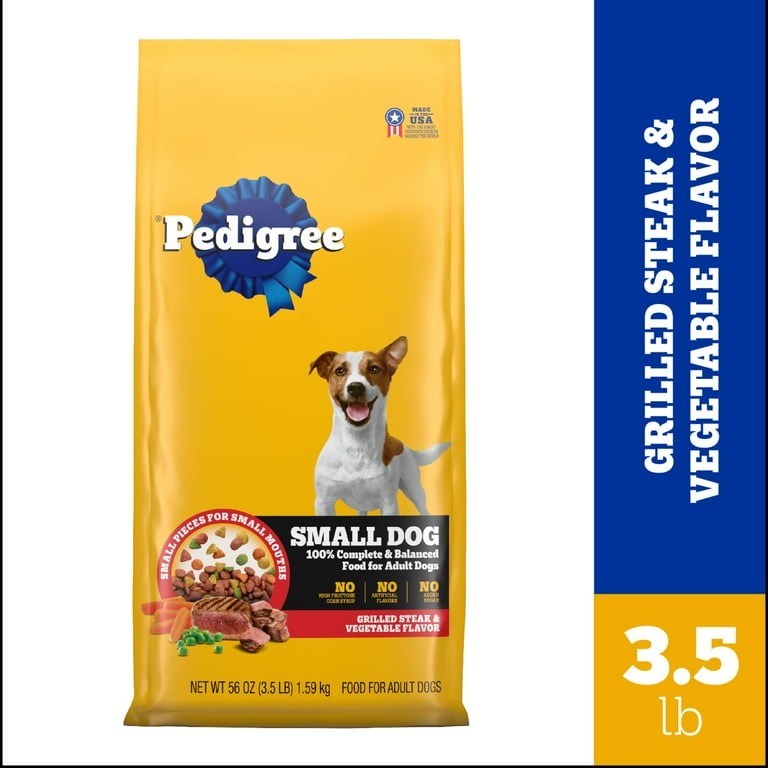
Dry kibble is popular and easy to store. It helps clean teeth and lasts long. Wet food has more moisture and tastes good. It is useful for dogs that drink less water. Some foods combine dry and wet options for balance.
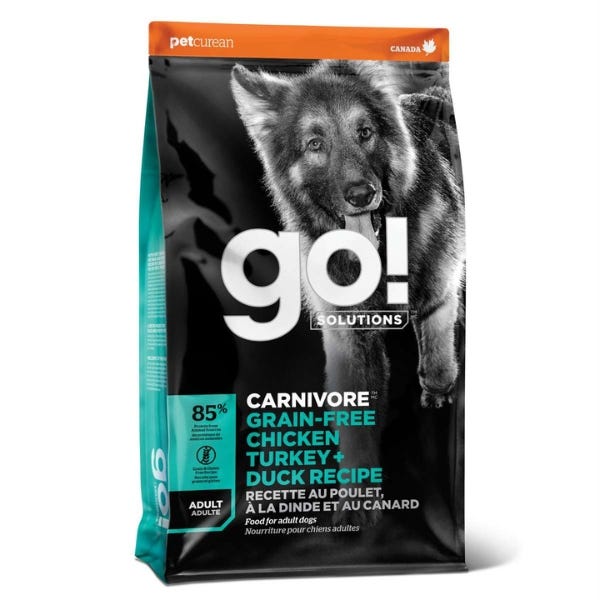
Special diets include grain-free, limited ingredient, and weight management foods. Choose food based on your dog’s health needs. Always check ingredient lists for quality and safety. Fresh, natural ingredients support long-term health.
Transitioning Smoothly
Switching your dog from puppy food to adult food needs care and patience. A smooth transition helps keep your dog healthy and happy. Sudden changes can upset your dog’s stomach. Taking small steps makes the process easier for your pet.
Gradual Food Mixing
Start by mixing a small amount of adult food with puppy food. Increase the adult food slowly over 7 to 10 days. This method lets your dog adjust to new tastes and textures. Watch your dog’s eating habits during this time. Avoid giving only adult food suddenly. Gradual mixing helps your dog’s body get used to the new diet.
Monitoring Digestive Health
Check your dog’s stools daily after starting adult food. Soft or loose stools may mean the change is too fast. Vomiting or loss of appetite also signals a problem. If these signs appear, slow down the transition. Keep fresh water available at all times. Good digestion shows your dog is adapting well to adult food.
Common Challenges
Switching your dog from puppy food to adult food brings some common challenges. These issues can affect your dog’s eating habits and health. Understanding these challenges helps you handle the transition smoothly.
Picky Eating
Many dogs become picky during the change. They may refuse the new food at first. The taste or texture might seem different to them. Some dogs prefer their old food and resist change. Patience is key to help them adjust. Try mixing small amounts of adult food with puppy food. Gradually increase the adult food over days or weeks. This makes the new food more familiar and less scary.
Allergic Reactions
Switching foods can cause allergies in some dogs. Watch for signs like itching, redness, or stomach upset. Allergies may appear with new ingredients in adult food. Consult your vet if you notice these symptoms. They can help identify the allergen and suggest safe options. Choosing adult food with simple ingredients may reduce allergy risks. Always introduce new food slowly to monitor your dog’s reaction.
Credit: www.walmart.com
Veterinarian Advice
Veterinarian advice plays a key role in deciding when to switch your dog from puppy food to adult food. Vets have the knowledge to guide you based on your dog’s breed, size, and health. They help ensure your dog gets the right nutrition at every stage of life.
Consulting a vet avoids common feeding mistakes. It helps your dog grow strong and stay healthy. Vets can also spot any special dietary needs early on.
When To Consult A Vet
Visit the vet before changing your dog’s food. Puppies grow at different rates. Some may need adult food earlier or later than others. The vet checks your dog’s weight and overall health. They advise the best time for the food switch.
Consult the vet if your dog shows signs of digestive upset. These signs include vomiting, diarrhea, or loss of appetite. The vet can suggest the right food or adjustments.
Tailored Nutrition Plans
Vets create nutrition plans for each dog’s needs. Large breeds have different requirements than small breeds. Puppies with health issues may need special diets.
Nutrition plans include the best type of food and feeding schedule. The vet may recommend supplements or treats to boost health. Tailored plans help your dog grow at a healthy pace.
Credit: www.homesalive.ca
Frequently Asked Questions
When Should I Switch My Puppy To Adult Dog Food?
Puppies typically transition to adult dog food between 9 and 12 months. This depends on breed size and growth rate. Large breeds may switch closer to 12 months, while smaller breeds transition earlier. Consult your vet for personalized advice.
Why Is Timing Important For Changing Dog Food?
Proper timing ensures your dog receives balanced nutrients for their life stage. Switching too early or late can cause digestive issues or nutritional gaps. Correct timing supports healthy growth and maintains optimal energy and weight.
How Do I Know My Puppy Is Ready For Adult Food?
Signs include reaching 80% of adult size and stable growth rate. Your puppy’s energy levels and coat condition also indicate readiness. Always check with your vet to confirm the right time to switch foods.
Can I Mix Puppy And Adult Food During Transition?
Yes, gradually mixing puppy and adult food over 7-10 days eases digestive adaptation. Start with mostly puppy food and increase adult food proportion daily. This helps prevent stomach upset and ensures smooth dietary transition.
Conclusion
Switching your dog from puppy to adult food is important. Most dogs need the change between 9 and 12 months old. Large breeds might need adult food later, around 12 to 18 months. Watch your dog’s growth and energy to decide the right time.
Good nutrition helps your dog stay healthy and strong. Always choose food made for their life stage. This change supports their body and keeps them happy. Pay attention and give your dog the best care possible.