

Are you thinking about breeding your dog but unsure when the right time is? Knowing how old your dog should be before breeding is crucial for their health and the well-being of their puppies.
Breeding too early or too late can lead to serious problems you want to avoid. You’ll discover the key signs and age guidelines that will help you make the best decision for your furry friend. Keep reading to ensure you’re fully prepared and confident before taking this important step.

Credit: www.newsweek.com
Ideal Age For Breeding Dogs
Knowing the ideal age for breeding dogs helps ensure healthy puppies and a healthy mother. Breeding too early or too late can cause health problems. Age affects a dog’s physical and emotional readiness. It also affects the quality of the puppies. Understanding the right age range for female and male dogs is important for responsible breeding.
Age Range For Female Dogs
Female dogs should be at least 18 to 24 months old before breeding. This age allows their bodies to fully develop. A female’s first heat cycle does not mean she is ready to breed. Waiting for the second or third heat cycle is safer. Breeding too young can lead to health risks for the mother and puppies. Most experts recommend not breeding after the dog reaches 5 to 6 years old. Older females have higher risks during pregnancy and birth.
Age Range For Male Dogs
Male dogs can breed a little earlier than females. They are usually ready between 12 and 18 months old. Their reproductive system matures sooner. Still, waiting until the dog is fully grown is best. Older males can continue breeding longer than females, often up to 7 years or more. Watch for signs of aging, as fertility and sperm quality can drop. Healthy males improve the chances of healthy puppies.
Physical Maturity Signs
Knowing when a dog is physically mature is key before breeding. Physical maturity means the dog’s body is ready to handle pregnancy or fathering puppies. This readiness helps ensure the health of both the parent and the puppies. Physical maturity is not just about age. It includes growth signs and health signals that tell you if the dog is ready.
Growth Milestones
Growth milestones show how the dog’s body develops over time. Most dogs reach full size between one and two years old. Larger breeds take longer to grow than smaller breeds. Watch for the dog’s bones and muscles to fully form. Teeth should also be fully grown and healthy. A dog’s coat becomes thick and shiny when they are mature. These signs mean the dog’s body is ready for breeding.
Health Indicators
Health indicators show if the dog is strong enough for breeding. The dog should have no infections or illnesses. Clear eyes, clean ears, and healthy skin are good signs. The dog should have a steady weight for its breed. Regular vet check-ups help confirm good health. The dog should also have a strong immune system. This reduces risks during pregnancy or fathering puppies.
Breed-specific Age Considerations
Different dog breeds mature at different rates. This affects the right age for breeding. Understanding breed-specific age considerations helps ensure healthy puppies and mother dogs.
Breeding too early can harm the dog’s health. Waiting too long can reduce fertility and increase risks. Each breed needs careful timing for the best results.
Small Breeds
Small breeds reach maturity faster than large breeds. Most small dogs can be bred safely at 12 to 15 months. Their bodies are ready sooner for pregnancy and birth.
Breeding too early in small dogs can cause health problems. Wait until they finish growing and have stable weight. Small breeds often mature by one year old.
Large Breeds
Large breeds grow slower and take longer to mature. Many experts recommend waiting until 18 to 24 months. Their bones and muscles need more time to develop.
Breeding large dogs too early can lead to complications. The mother’s body may not handle pregnancy well. Patience is important for safe breeding with large breeds.
Risks Of Early Breeding
Breeding a dog too early can cause many risks. Dogs need time to grow and develop fully. Early breeding puts their health and well-being in danger. Understanding these risks helps breeders make better choices.
Breeding before a dog is mature enough can lead to serious problems. These problems affect the mother, the puppies, and even future generations. Careful timing is key to safe breeding.
Health Complications
Dogs that breed too soon face many health issues. Their bodies may not be ready for pregnancy and birth. This can cause difficult labor or even death. Puppies may be weak or born with defects. Early breeding lowers the chances of healthy puppies. The mother’s immune system might also weaken. This makes her more likely to get infections or illnesses.
Behavioral Issues
Young dogs bred early can show behavior problems later. Stress from pregnancy affects their mental state. They might become anxious or aggressive. Early breeding can cause poor mothering instincts. This harms the puppies’ growth and social skills. These dogs may struggle with training and socializing. Proper mental development needs time before breeding starts.
Risks Of Late Breeding
Breeding a dog too late can cause many problems. Age affects a dog’s ability to have healthy puppies. Older dogs face more risks that can harm them and their puppies. Understanding these risks helps you decide the right time to breed.
Reduced Fertility
Older female dogs often have fewer eggs. This lowers the chance of pregnancy. Male dogs also produce less healthy sperm as they age. This can lead to smaller litters or no puppies at all. Fertility drops naturally after certain ages. Breeding late can waste time and effort.
Increased Health Risks
Older dogs have higher chances of health problems during pregnancy. They may face difficulties in labor or need surgery. Puppies from older mothers can be weaker or sickly. The mother’s body may not handle pregnancy well. Health risks grow with each year past prime breeding age.
Veterinary Recommendations
Veterinarians play a key role in deciding when a dog is ready to breed. Their advice helps ensure the health of both the dog and future puppies. Starting with a vet check-up protects against health risks. It also confirms the dog is physically mature enough for breeding.
Breeding too early can cause complications for the mother and pups. Vets suggest waiting until the dog is fully grown. This usually means at least 1.5 to 2 years old. A thorough health evaluation is essential before any breeding plans.
Pre-breeding Health Checks
Health checks are the first step before breeding. The vet will examine the dog’s heart, hips, and overall condition. Blood tests check for infections and genetic diseases. These tests prevent passing health issues to puppies.
Screening also includes testing for parasites and contagious diseases. The vet may recommend X-rays or ultrasounds. These help assess the dog’s reproductive organs. Only healthy dogs should be bred to keep the gene pool strong.
Vaccination And Nutrition
Vaccinations must be up to date before breeding. This protects the dog and puppies from common illnesses. The vet will suggest a vaccine schedule tailored to the dog’s needs.
Good nutrition supports the dog’s health during breeding. A balanced diet helps build strength and fertility. The vet may advise supplements to improve reproductive health. Proper nutrition lowers risks during pregnancy and birth.
Ethical Breeding Practices
Ethical breeding practices focus on the health and well-being of both dogs and puppies. Breeding should never harm the mother or the puppies. It requires patience and respect for the animals’ natural growth and readiness. Choosing the right time to breed a dog is part of these responsible practices.
Responsible Breeding Decisions
Responsible breeders wait until the dog is physically mature. Usually, this means the dog is at least two years old. This age allows the dog’s body to fully develop. Breeding too early can cause health problems for the mother. It can also lead to weak or sick puppies. Good breeders test for genetic diseases before breeding. They also avoid breeding dogs with bad temperaments or health issues.
Impact On Puppy Health
Breeding at the right age improves the puppies’ chances of being healthy. Mature mothers can carry and birth puppies safely. Puppies born to healthy mothers grow stronger and have better immune systems. Early breeding often causes small or fragile puppies. Ethical breeding lowers the risk of birth defects. It also helps puppies have a better quality of life.
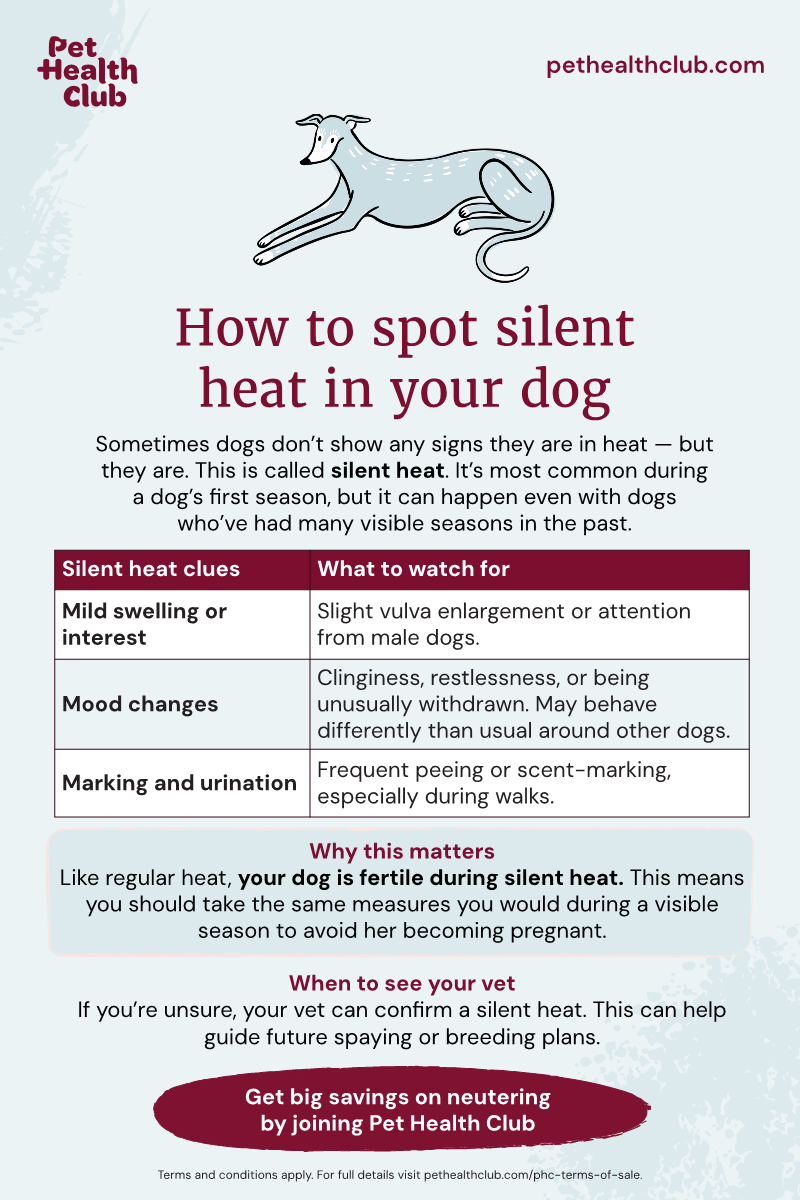
Credit: www.pethealthclub.com

Credit: vetsci.org
Frequently Asked Questions
How Old Should A Dog Be Before Breeding?
A dog should ideally be at least 2 years old before breeding. This ensures physical maturity and better health for the mother and puppies. Early breeding can cause health risks and developmental issues for both the dog and offspring.
Why Wait Until A Dog Is Fully Mature To Breed?
Waiting for full maturity helps prevent complications during pregnancy. Mature dogs have stronger immune systems and better reproductive health. It also ensures puppies inherit healthy genes and reduces risks of birth defects.
Can Dogs Breed During Their First Heat Cycle?
Breeding during the first heat is not recommended. Dogs are physically and emotionally immature at this stage. Early breeding can lead to health problems for the mother and weak puppies.
What Health Checks Are Needed Before Breeding A Dog?
Health screenings should include genetic testing, vaccinations, and overall physical exams. These checks prevent hereditary diseases and ensure the dog is fit for pregnancy. Consult a vet for proper pre-breeding health assessments.
Conclusion
Breeding a dog too early can cause health problems. Wait until your dog is fully grown and healthy. Most dogs are ready between one and two years old. Consult your vet to find the best time for breeding. Proper care before breeding helps puppies stay strong.
Healthy parents mean healthier puppies. Take time to learn and prepare. This ensures a happy, safe experience for your dog and the new litter. Careful planning makes all the difference.


