

Are you wondering if your 6-month-old puppy can start eating adult dog food? It’s a common question many pet owners have as their furry friend grows.
Choosing the right food at this stage is crucial for your puppy’s health and development. Feeding your puppy the wrong diet can affect their growth, energy, and overall well-being. You’ll discover what experts say about switching to adult dog food, when it’s safe to do so, and how to make the transition smooth for your puppy.
Keep reading to make sure you’re giving your puppy the best start in life.

Credit: www.visco-foam.com
Nutritional Needs Of Puppies
Puppies have special nutritional needs different from adult dogs. Their bodies grow fast and require the right food to stay healthy. Proper nutrition supports their bones, muscles, brain, and immune system. Feeding puppies the right diet helps them develop strong and happy.
Growth And Development Requirements
Puppies need more calories than adult dogs to support their rapid growth. Their bones and muscles grow quickly and need extra energy. Nutrients in the food help build strong bones and healthy muscles. Puppies also need food that is easy to digest for their sensitive stomachs. Feeding adult dog food too early may not provide enough energy or the right balance of nutrients.
Key Nutrients For Puppies
Protein is essential for building muscles and tissues in puppies. Fat gives them energy and helps brain growth. Calcium and phosphorus are important for strong bones and teeth. DHA, a type of fat, supports brain and eye development. Vitamins and minerals help keep the immune system strong. Puppy food has the right mix of these nutrients to help puppies grow well.

Credit: www.poochandmutt.co.uk
Differences Between Puppy And Adult Dog Food
Puppy food and adult dog food differ in many important ways. Puppies need more nutrients to support their fast growth. Adult dogs need food that keeps them healthy but does not cause weight gain. Understanding these differences helps you choose the right food at six months.
Calorie And Protein Content
Puppy food has more calories than adult dog food. Growing dogs need extra energy to build muscles and bones. Protein levels are higher in puppy food to help with tissue repair and growth. Adult dog food has fewer calories to prevent weight gain.
Vitamins And Minerals
Puppy food contains more vitamins and minerals for bone growth. Calcium and phosphorus are balanced to strengthen teeth and bones. Adult dog food has nutrients that support overall health but in smaller amounts. Puppies need these extra nutrients for healthy development.
Kibble Size And Texture
Puppy food kibble is smaller and softer. This makes it easier for young dogs to chew and digest. Adult dog food has larger, harder kibble to help clean teeth. The different sizes suit the mouth and teeth at each life stage.
When To Transition To Adult Dog Food
Choosing the right time to change your puppy’s food is very important. Puppies need special nutrition for growth. Adult dog food has different nutrients. Feeding adult food too early can affect your puppy’s health. Waiting too long might not meet their changing needs. Knowing the right time helps your puppy grow strong and healthy.
Age Milestones For Different Breeds
Small breed puppies grow faster than large breeds. Small breeds may switch to adult food around 6 months. Medium breeds often change between 9 to 12 months. Large and giant breeds need more time. They may stay on puppy food until 12 to 18 months. Breed size affects growth speed and nutrition needs. Knowing your dog’s breed helps pick the best time.
Signs Your Puppy Is Ready
Look for clues that your puppy is ready for adult food. Their growth rate may slow down. They may seem less energetic than before. Teeth usually start to look more adult-like. Weight gain might slow or stop. Appetite could change with growth stages. Your vet can help confirm if the time is right. Changing food slowly helps avoid stomach upset.
Risks Of Feeding Adult Food Too Early
Feeding adult dog food to puppies too early can cause serious problems. Puppies have special needs for growth and health. Adult food does not always meet these needs. This section explains the risks of giving adult food to puppies at six months old.
Nutritional Deficiencies
Puppies need more protein, fat, and calories than adult dogs. Adult food may lack these vital nutrients. Without enough nutrition, puppies cannot build strong bones or muscles. Their immune system may weaken, making them sick easier. Nutritional gaps slow down their growth and energy levels.
Growth Issues
Puppies grow fast during the first year. Feeding adult food too soon can harm their development. Adult food has fewer nutrients for bone and joint health. This may lead to weak bones or joint problems. Poor growth affects the puppy’s size and overall strength.
Digestive Problems
Puppies have sensitive stomachs. Adult food is harder to digest for young dogs. It may cause diarrhea, vomiting, or stomach pain. Digestive issues can lead to dehydration and weight loss. Puppies need food designed for their delicate digestive system.
How To Switch From Puppy To Adult Food
Switching a puppy to adult dog food needs care and attention. The right change supports growth and health. A sudden switch can upset your puppy’s stomach. A smooth transition helps your puppy adjust to the new food. Follow these steps to make the change easy and safe.
Gradual Transition Plan
Start by mixing 25% adult food with 75% puppy food. Feed this mix for three to four days. Then increase adult food to 50% and puppy food to 50%. Continue this for another three to four days. Next, mix 75% adult food with 25% puppy food. After about two weeks, feed only adult dog food. This slow change helps your puppy’s digestion adapt.
Monitoring Your Puppy’s Health
Watch your puppy’s stool for signs of change. Soft or loose stools may mean the transition is too fast. Check your puppy’s energy and mood daily. Any signs of discomfort or illness need attention. Contact a vet if problems last more than a few days. Keep an eye on your puppy’s weight too.
Adjusting Portions
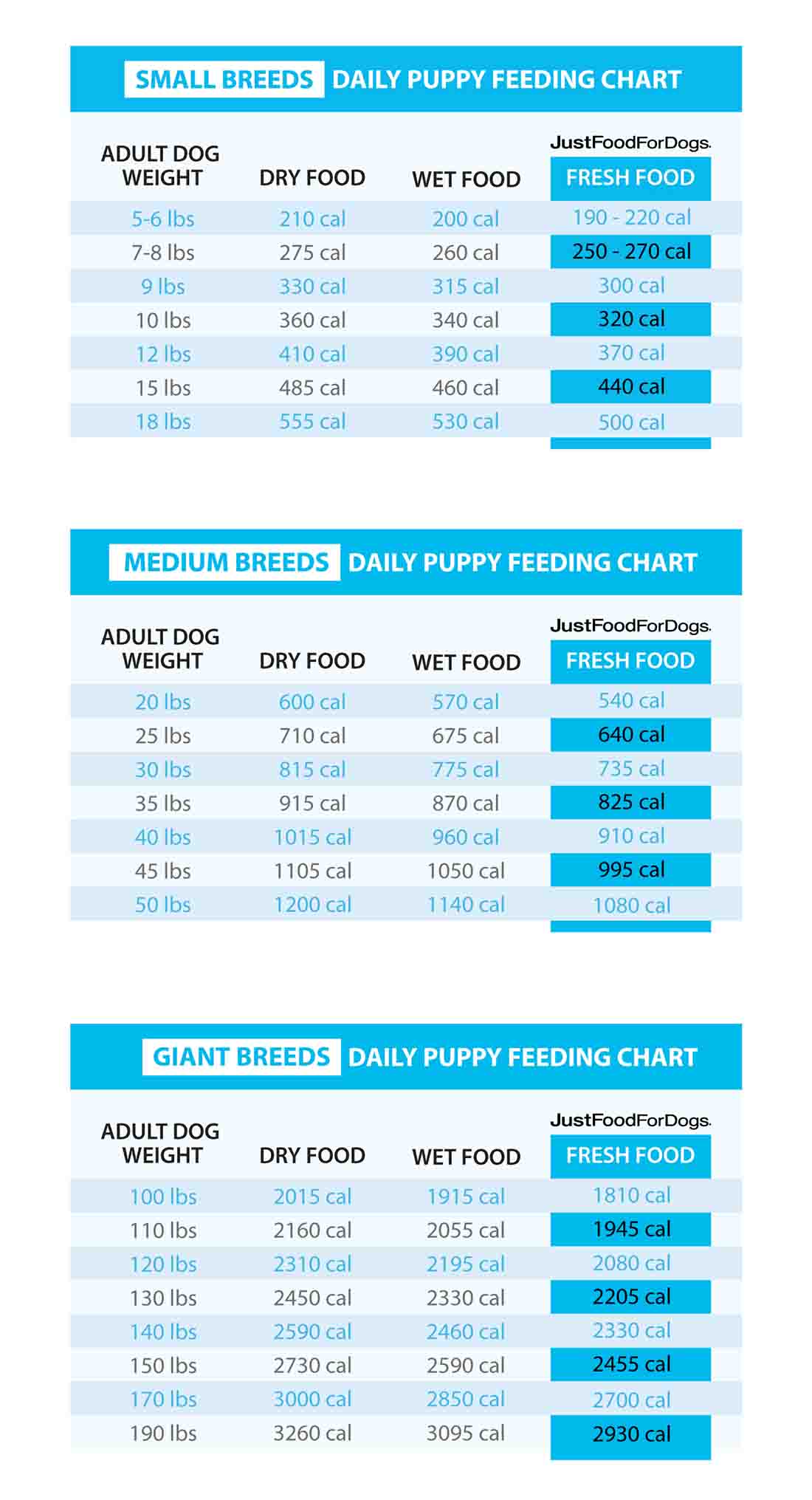
Puppies need less food as they grow older. Adult dog food has more calories per serving. Follow the feeding guide on the adult dog food package. Adjust portions based on your puppy’s weight and activity. Feed smaller meals if your puppy is less active. Regularly check weight to avoid overfeeding or underfeeding.
Credit: www.justfoodfordogs.com
Consulting Your Veterinarian
Consulting your veterinarian is important before changing your puppy’s diet. Puppies have special nutritional needs that differ from adult dogs. Your vet can guide you in making the best choice for your puppy’s health. This helps avoid problems during the switch to adult dog food.
Personalized Feeding Recommendations
Your veterinarian will consider your puppy’s breed, size, and health. They can suggest the right type of adult dog food. Also, they will tell you the right amount to feed daily. This advice helps your puppy grow strong and healthy.
Health Checks During Transition
Your vet can check your puppy’s health while changing food. They watch for any signs of allergies or stomach upset. Regular check-ups ensure your puppy is adjusting well. This keeps your puppy safe and comfortable during the change.
Frequently Asked Questions
Can 6-month-old Puppies Eat Adult Dog Food?
Yes, puppies can start eating adult dog food at 6 months. However, ensure the food meets their nutritional needs for growth.
What Are Risks Of Feeding Puppies Adult Dog Food?
Adult dog food may lack essential nutrients for puppies. It can cause growth issues and weaken their immune system.
When Should Puppies Switch To Adult Dog Food?
Most puppies can switch to adult food around 12 months. Large breeds may need longer puppy food feeding for proper development.
How To Transition Puppies To Adult Dog Food Safely?
Gradually mix adult food with puppy food over 7-10 days. This prevents digestive upset and helps puppies adjust comfortably.
Conclusion
Puppies need special food to grow healthy and strong. At six months, many can start eating adult dog food. But check with your vet to be sure. Watch your puppy’s weight and energy every day. Changes in food should be slow and steady.
Feeding the right food helps puppies stay happy and active. Keep their needs in mind for a smooth transition. Caring for your puppy’s diet means a better future. Simple steps lead to healthy, happy dogs.


