

Have you ever wondered if your dog is getting all the nutrients they need? Just like humans, dogs can suffer from nutritional deficiencies that affect their health and happiness.
But what is the most common nutritional deficiency in dogs, and how can you spot it before it becomes a serious problem? You’ll discover the key signs to watch for and simple ways to keep your furry friend healthy and full of energy.
Keep reading—your dog’s well-being depends on it!

Credit: waggingright.com
Common Nutritional Deficiencies In Dogs
Dogs need many nutrients to stay healthy. Sometimes, their diet may lack important vitamins or minerals. This causes nutritional deficiencies. These deficiencies can affect a dog’s energy, coat, and overall health.
Common nutritional deficiencies in dogs happen due to poor diet or health issues. Knowing these can help dog owners spot problems early. Feeding a balanced diet is key to preventing these issues.
Key Nutrients Dogs Often Lack
Dogs often miss out on important nutrients like calcium and vitamin D. These help build strong bones and teeth. Protein is another nutrient dogs need for muscles and repair. Fatty acids, like omega-3, keep their skin and coat healthy. Vitamins like A, E, and B-complex support their immune system and energy.
Iron is crucial for blood health. Lack of iron can cause anemia in dogs. Zinc helps with wound healing and growth. Many homemade diets miss these nutrients, causing deficiencies over time.
Symptoms Of Nutritional Deficiencies
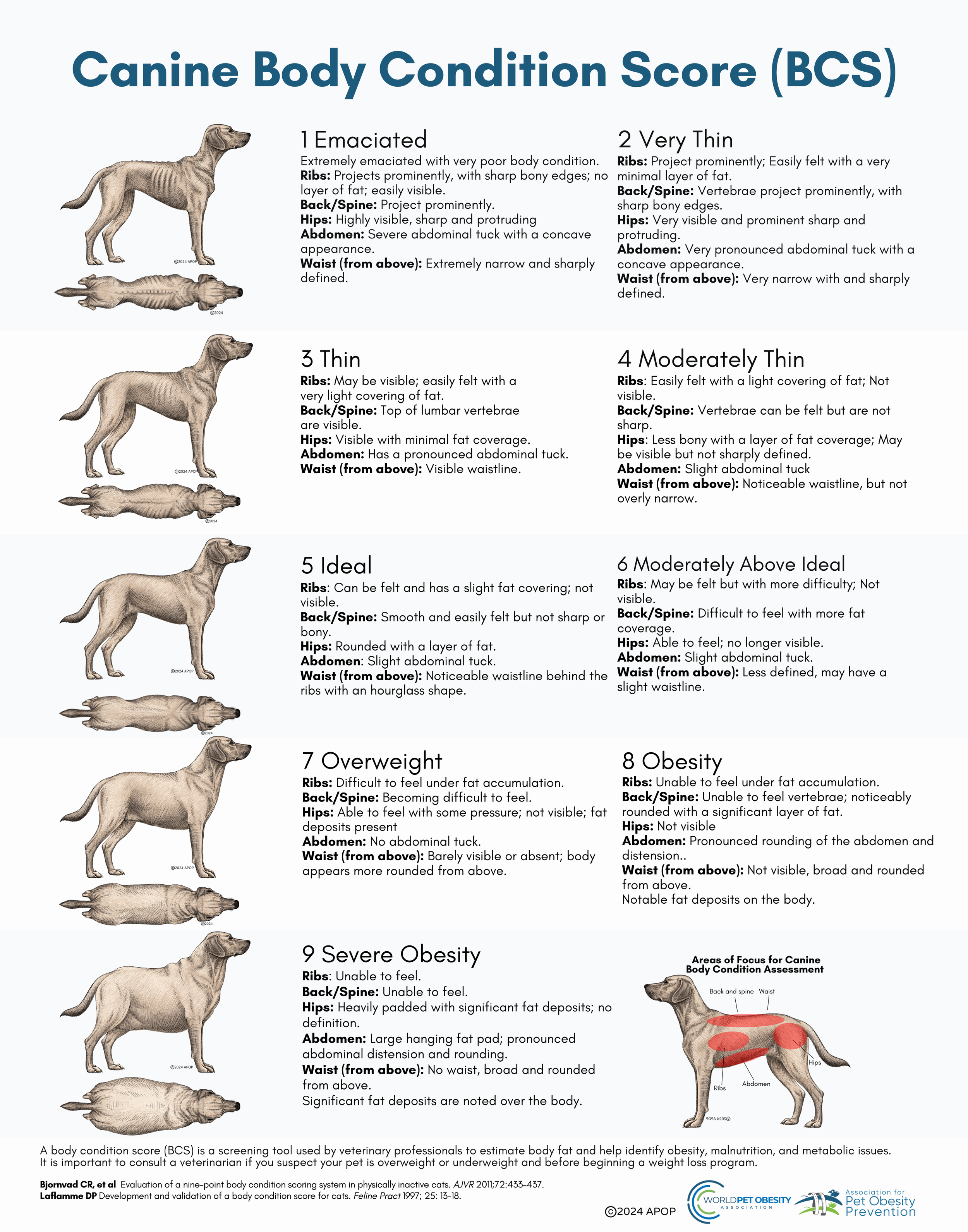
Signs of deficiencies vary but often include tiredness and poor growth. Dogs may lose hair or have dull coats. Skin problems like itching or sores can show up. Weakness or limpness might mean muscle or bone issues. Digestive problems like vomiting or diarrhea can also occur.
Sometimes, dogs show behavior changes like irritability or lack of interest. These symptoms point to problems inside the body. Early detection and correction improve a dog’s health quickly.
Causes Of Nutritional Deficiencies
Nutritional deficiencies in dogs happen for many reasons. These causes affect how well dogs get the vitamins and minerals they need. Understanding these causes helps prevent health problems and keeps dogs strong.
Poor Diet And Imbalanced Meals
Feeding dogs low-quality food can lead to missing nutrients. Some homemade diets lack important vitamins and minerals. Commercial dog foods may be unbalanced or not meet all needs. Puppies and older dogs need special nutrition, or they risk deficiencies. Skipping meals or feeding too little also harms their health.
Health Conditions Affecting Nutrient Absorption
Certain illnesses can stop dogs from absorbing nutrients properly. Problems with the stomach or intestines can block nutrient absorption. Parasites like worms take nutrients from the dog’s body. Chronic diseases like kidney or liver problems can cause deficiencies. Dogs with these conditions need careful diet management to stay healthy.
Most Prevalent Deficiency In Dogs
Dogs need many nutrients to stay healthy. Sometimes, they do not get enough of certain vitamins or minerals. This lack can cause health problems. Among all nutritional gaps, one stands out as the most common. Knowing this helps pet owners keep their dogs safe and strong.
Identifying The Top Deficiency
The most common nutritional deficiency in dogs is a lack of taurine. Taurine is an amino acid important for heart and eye health. Dogs cannot make enough taurine on their own. They must get it from their food. Without enough taurine, dogs may develop heart issues and poor vision.
Why It Occurs Frequently
Taurine deficiency happens because many dog foods lack this nutrient. Some commercial diets use ingredients low in taurine. Dogs on homemade or vegetarian diets also risk low taurine levels. Poor digestion and certain health problems can reduce taurine absorption. This makes taurine deficiency a frequent issue in dogs.
Credit: www.petobesityprevention.org
Impact On Dog Health
Nutritional deficiencies in dogs affect their health in many ways. Missing key nutrients can cause clear signs and hidden problems. Understanding these effects helps owners keep pets healthy.
Short-term Effects
Dogs with nutrient shortages often feel tired and weak. They may lose appetite or refuse food. Skin problems like dryness or itching can appear quickly. Some dogs have stomach upset or diarrhea. These signs show the body lacks needed vitamins or minerals. Early detection helps prevent worse problems.
Long-term Consequences
Ongoing nutritional gaps cause serious health issues. Weak bones and joints develop due to calcium or vitamin D lack. Immune systems weaken, leading to frequent infections. Poor coat quality and hair loss become common. Organ damage may occur if deficiencies persist. Long-term effects reduce lifespan and quality of life.
Preventing Nutritional Deficiencies
Preventing nutritional deficiencies in dogs is key to keeping them healthy and active. Dogs need many different nutrients for strong bones, shiny coats, and good energy. Deficiencies happen when their diet misses important vitamins or minerals. Careful attention to their food can avoid these problems.
Balanced Diet Tips
Feed your dog a diet with the right mix of proteins, fats, and carbs. Use high-quality commercial dog food that meets AAFCO standards. Fresh meats, vegetables, and grains can add extra nutrients. Avoid feeding only one type of food for long periods. Change meals gradually to prevent stomach upset. Always provide clean, fresh water with each meal.
Choosing The Right Supplements
Supplements help fill gaps in your dog’s diet. Use them only after consulting a vet. Common supplements include fish oil for omega-3s and calcium for strong bones. Avoid giving human vitamins, as some can harm dogs. Follow dosage instructions carefully to avoid overdoses. Regular vet visits help track your dog’s nutritional needs.

Credit: www.amazon.com
When To Consult A Veterinarian
Knowing when to consult a veterinarian is key for your dog’s health. Nutritional deficiencies can cause serious problems if left untreated. Early action helps prevent long-term damage. Watch your dog closely and act quickly if you notice any unusual signs. A professional can give proper advice and treatment.
Signs That Need Professional Attention
Look for signs like constant tiredness or weakness. Sudden weight loss or poor appetite also matters. Notice changes in your dog’s skin or coat, such as dryness or hair loss. Weakness in muscles or difficulty moving can signal a problem. If your dog shows these symptoms, visit a vet soon.
Diagnostic Tests For Deficiencies
Veterinarians use blood tests to check nutrient levels. They may also test urine or stool samples. These tests help find exact deficiencies causing health issues. Sometimes, vets recommend special diets to correct imbalances. Regular check-ups catch problems early and keep dogs healthy.
Frequently Asked Questions
What Is The Most Common Nutritional Deficiency In Dogs?
The most common nutritional deficiency in dogs is protein deficiency. Protein is essential for muscle growth, repair, and overall health. Lack of protein can lead to weakness, poor coat condition, and stunted growth in puppies.
How Can I Identify Nutritional Deficiencies In My Dog?
Signs of nutritional deficiencies include lethargy, poor coat quality, weight loss, and digestive problems. Behavioral changes and slow healing of wounds may also indicate a lack of vital nutrients.
Which Nutrients Are Often Lacking In Homemade Dog Diets?
Homemade dog diets often lack essential vitamins like vitamin E, calcium, and omega-3 fatty acids. Balanced nutrition is crucial to avoid deficiencies and maintain your dog’s health and energy levels.
Can Nutritional Deficiencies Affect My Dog’s Immune System?
Yes, deficiencies in vitamins and minerals can weaken your dog’s immune system. This makes dogs more prone to infections, illnesses, and slower recovery from diseases.
Conclusion
Nutritional deficiencies in dogs can cause many health problems. The most common one is often a lack of essential vitamins or minerals. Watching your dog’s diet helps keep them healthy and strong. Regular vet visits catch problems early. Feeding balanced, quality food supports your dog’s well-being.
A little care goes a long way in preventing deficiencies. Healthy dogs mean happy families. Keep learning and stay aware to give your dog the best life. Simple steps make a big difference.


