

Are you wondering if it’s okay to feed your adult dog puppy food? You’re not alone.
Many dog owners ask this question because they want the best for their furry friends but aren’t sure what’s right. Feeding your dog the wrong food can affect their health, energy, and happiness. Keep reading, and you’ll discover the truth about puppy food for adult dogs—and learn how to make the best choice for your pet’s well-being.
Your dog’s health depends on it!
Nutritional Needs Of Adult Dogs
Adult dogs need a balanced diet to stay healthy and active. Their nutritional needs differ from puppies. Feeding the right food supports their energy, weight, and overall health. Understanding these needs helps you choose the best diet for your dog.
Calorie Requirements
Adult dogs need fewer calories than puppies. Puppies grow fast and burn more energy. Adult dogs use calories mainly for daily activities and maintaining body functions. Overfeeding can lead to weight gain and health problems. Feeding the right amount keeps your dog fit and healthy.
Essential Nutrients
Adult dogs require protein, fats, vitamins, and minerals. Protein supports muscle maintenance and repair. Healthy fats provide energy and support skin and coat health. Vitamins and minerals strengthen the immune system. Balanced nutrients help your dog live a long and healthy life.
Differences From Puppy Needs
Puppies need more protein and calories for growth. They require extra nutrients for bone and brain development. Adult dogs need fewer calories and less protein. Feeding puppy food to adults can cause weight gain. Adult dog food matches their lower energy needs better.
Credit: blog.justfoodfordogs.com
Composition Of Puppy Food
Puppy food is made with special ingredients to help young dogs grow strong. It has a different mix of nutrients than adult dog food. This mix supports their fast development and high energy needs. Understanding the composition of puppy food helps decide if it suits an adult dog.
Each part of puppy food works to meet puppies’ unique needs. It focuses on growth, brain development, and building muscles. This section explains the main parts of puppy food and why they matter.
Higher Protein And Fat Content
Puppy food contains more protein than adult dog food. Protein builds muscles, bones, and tissues. Puppies need extra protein for quick growth. Fat is also higher in puppy food. Fat gives puppies energy and helps their brain develop well. Adult dogs usually do not need this much protein or fat.
Added Vitamins And Minerals
Vitamins and minerals in puppy food are added to support growth. Calcium and phosphorus help build strong bones and teeth. Vitamins like A, D, and E support the immune system and vision. These nutrients are balanced for puppies, not adults. Adult dogs need fewer vitamins and minerals than puppies.
Calorie Density
Puppy food has more calories per serving than adult food. Puppies burn a lot of energy playing and growing. Higher calories help keep their energy levels up. Adult dogs need fewer calories to avoid weight gain. Feeding adult dogs puppy food can lead to extra weight.
Potential Benefits Of Feeding Puppy Food To Adults
Feeding puppy food to adult dogs is not common advice. Yet, there are some cases where it might help. Puppy food has more nutrients and calories. This can support certain adult dogs better than regular adult food.
Understanding these benefits helps pet owners decide if this option suits their dog’s needs. Here are some potential benefits of feeding puppy food to adult dogs.
Support For Active Or Working Dogs
Active or working dogs burn more energy daily. Puppy food provides extra calories to meet these needs. It also contains more protein, which helps build and maintain muscles. This food can keep working dogs strong and healthy.
Aid In Weight Gain Or Recovery
Some adult dogs need to gain weight after illness or surgery. Puppy food has a richer calorie content that can support healthy weight gain. Its nutrients help the dog recover faster and regain strength. Feeding puppy food can be a good option during recovery.
Enhanced Energy Levels
Puppy food is designed to fuel growth and play. This means it provides higher energy than adult dog food. Adult dogs with low energy or low appetite may benefit from this boost. More energy can improve their daily activity and happiness.
Credit: www.acanapetfoods.co.uk
Risks Of Feeding Puppy Food To Adult Dogs
Feeding puppy food to adult dogs can cause several health problems. Puppy food has different nutrients and calories meant for growing dogs. Adult dogs need a balanced diet designed for their age and activity level. Giving them puppy food may harm their health and well-being.
Excess Calories And Weight Gain
Puppy food contains more calories than adult dog food. Adult dogs eating puppy food can gain weight quickly. Extra weight stresses their joints and heart. Overweight dogs face higher risks of diseases like diabetes.
Nutrient Imbalance
Puppy food has more protein, fat, and certain vitamins. Adult dogs do not need these in large amounts. Too much protein and fat may cause organ strain. Nutrient imbalance can affect your dog’s energy and coat health.
Digestive Issues
Adult dogs may find puppy food hard to digest. Rich ingredients can upset their stomachs. Dogs may have diarrhea or vomiting. A proper diet supports healthy digestion and comfort.
When Puppy Food Might Be Suitable
Puppy food is made with extra nutrients for growth. Sometimes adult dogs need these extra nutrients too. This section explains when puppy food might be good for adult dogs. Knowing this helps you feed your dog the right way.
Underweight Or Malnourished Adults
Adult dogs that are underweight need more calories and nutrients. Puppy food can help them gain weight safely. It has higher protein and fat levels. This supports muscle repair and energy. Use puppy food only for a short time. Check your dog’s progress to avoid excess weight gain.
Pregnant Or Lactating Dogs
Pregnant or nursing dogs require more nutrition than usual. Puppy food provides the extra energy and nutrients they need. This food supports the mother’s health and the puppies’ growth. Feeding puppy food during this time helps maintain good milk quality. Always watch your dog’s health during pregnancy and nursing.
Veterinary Recommendations
Sometimes vets suggest puppy food for adult dogs. This happens if your dog has special health needs. Vets may recommend it for recovery or certain illnesses. Follow the vet’s advice closely for best results. Do not change your dog’s diet without expert guidance.
Alternatives To Puppy Food For Adults
Feeding an adult dog with the right food is important for its health. Puppy food is rich in nutrients meant for growth, which may be too much for adults. There are better options designed specifically for adult dogs. These choices support their energy and health without overfeeding them.
Exploring alternatives to puppy food helps find the best match for your dog’s needs. Adult dogs have different nutrition needs than puppies. Their food should keep them fit, active, and healthy throughout their life.
Specialized Adult Formulas
Adult dog food formulas are made to meet mature dogs’ needs. They have balanced protein and fat levels. These foods help maintain muscle and a healthy weight. They also contain vitamins and minerals to support daily health. Using adult formulas prevents giving too many calories or nutrients.
Senior Dog Nutrition
Older dogs need special care in their diet. Senior dog food has less fat and calories. It often includes ingredients for joint health and digestion. These foods help manage aging problems and keep your dog comfortable. Feeding senior formulas supports their changing body needs.
Custom Diet Plans
Some dogs have unique health or allergy concerns. A custom diet plan suits their specific needs. It may include special ingredients or homemade meals. Consulting a vet helps create the best diet for your dog. Custom plans improve health and avoid food issues.
Tips For Transitioning Between Foods
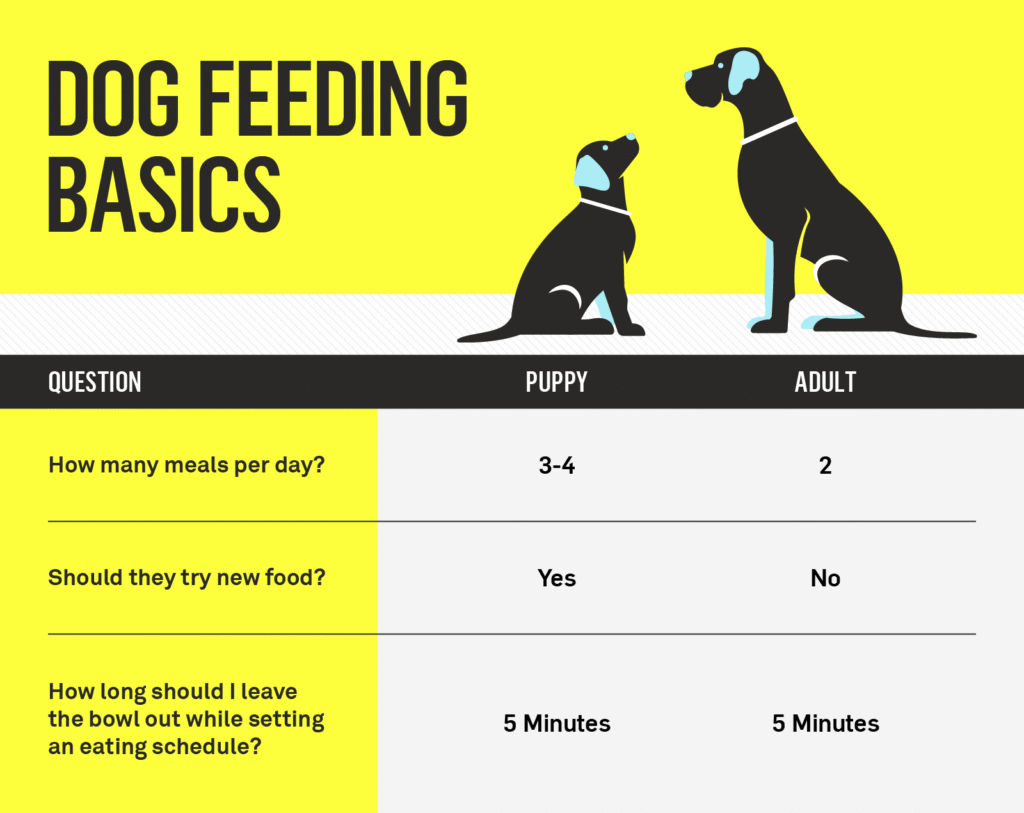
Changing your dog’s food needs care and patience. Sudden switches can upset their stomach. Proper transition helps your dog adapt well. It supports digestion and keeps your dog happy and healthy.
Follow these tips to make the switch smooth and safe.
Gradual Introduction
Start by mixing a small amount of new food with the old one. Increase the new food gradually over 7 to 10 days. This slow change helps your dog’s stomach adjust. Watch for any signs of discomfort or refusal to eat.
Monitoring Health And Weight
Keep an eye on your dog’s energy and mood. Check their stool for any changes like diarrhea or constipation. Weigh your dog weekly to track any sudden weight gain or loss. Early spotting of problems helps prevent bigger issues.
Consulting A Veterinarian
Talk to your vet before changing your dog’s diet. They can advise if puppy food suits your adult dog. Your vet can suggest the best food based on health and age. Professional advice ensures your dog stays healthy and strong.
Credit: www.gallant.com
Frequently Asked Questions
Can Adult Dogs Eat Puppy Food Safely?
Adult dogs can eat puppy food occasionally, but it’s not ideal long-term. Puppy food has extra calories and nutrients meant for growth, which may cause weight gain or digestive issues in adults if fed regularly.
What Happens If Adult Dogs Eat Puppy Food Regularly?
Feeding adult dogs puppy food regularly can lead to obesity and nutrient imbalance. Puppy food is richer in fats and proteins, which may strain adult dogs’ kidneys and liver over time.
Is Puppy Food Better For Small Adult Dogs?
Puppy food isn’t necessarily better for small adult dogs. Adult dog food formulated for small breeds provides the right balance of nutrients without excess calories that puppy food contains.
Can Switching From Puppy To Adult Food Affect My Dog?
Switching from puppy to adult food is important to meet changing nutritional needs. Adult dog food supports maintenance instead of growth, helping prevent health issues related to overnutrition.
Conclusion
Feeding adult dogs puppy food is not ideal for their health. Puppy food has extra calories and nutrients designed for growth. Adult dogs need balanced nutrition to maintain their weight and energy. Too many calories can cause weight gain and health issues.
Always choose food made for your dog’s current life stage. Talk to your vet before changing your dog’s diet. Proper nutrition helps your dog stay happy and active. Keep your dog’s diet simple and suited to their needs. Healthy choices lead to a longer, better life for your pet.


