

Have you ever wondered if your cat can learn tricks like a dog? You might think cats are too independent or stubborn to be trained, but that’s not true.
With the right approach, you can teach your feline friend to follow commands, use a litter box properly, or even do simple tricks. Imagine how rewarding it would be to see your cat respond to you just like a loyal dog does.
Keep reading, and you’ll discover practical tips and surprising facts that will change how you see your cat’s ability to learn.
Cat Vs Dog Training
Training cats and dogs requires different methods. Dogs often follow commands quickly. Cats need a different approach. Their behavior and learning styles vary a lot. Understanding these differences helps in training them well.
Training cats like dogs is not always possible. They respond to training but in unique ways. Knowing how cats and dogs learn makes training easier and more effective.
Behavioral Differences
Dogs are social animals and want to please their owners. They follow rules and routines easily. Cats are more independent. They do things on their own terms. Dogs seek attention often. Cats may prefer being alone or with few people.
Dogs obey commands to get rewards or avoid punishment. Cats may ignore commands if they see no benefit. Understanding these behaviors helps trainers set realistic goals.
Learning Styles
Dogs learn best through repetition and clear commands. They remember tasks well after practice. Cats learn by watching and exploring. They may repeat actions that interest them.
Training sessions for dogs can be longer. Cats need short and fun sessions. They lose interest quickly if training is boring. Using play and curiosity works best for cats.
Motivation Factors
Dogs often want treats, praise, or play as rewards. These motivate them to follow commands. Cats value food and play toys most. They respond better to rewards they enjoy.
Some cats are not interested in food rewards. They may prefer petting or quiet time. Trainers need to find what motivates each cat. This makes training more successful.
Basics Of Cat Training
Training a cat is different from training a dog. Cats have their own ways and habits. Understanding these basics helps you teach your cat better. Patience and consistency are key for success.
Start with small steps. Make training fun for your cat. Keep sessions short and positive to keep your cat interested.
Setting Realistic Goals
Set simple and clear goals for your cat. Teach one skill at a time. Avoid expecting too much too soon. Cats learn slowly but surely.
Focus on actions your cat can do naturally. For example, sitting or coming when called. These are easier to teach and remember.
Essential Commands
Use short, clear words for commands. “Sit,” “Come,” and “Stay” work well. Repeat the same word each time. This helps your cat understand better.
Use calm, steady voice tones. Avoid shouting or quick changes in tone. Cats respond to gentle and clear sounds.
Tools And Rewards
Use treats your cat loves as rewards. Small pieces of food work best. Offer praise and petting along with treats.
Use clickers or soft sounds to mark good behavior. These signals help your cat know what you want. Keep tools simple and consistent.
Effective Training Techniques
Training a cat is different from training a dog, but it is possible. Using the right techniques helps cats learn commands and behaviors. Patience and the right tools make training effective.
Some methods work better for cats because they respond well to rewards and gentle guidance. Understanding these techniques is key to success.
Clicker Training
Clicker training uses a small device that makes a clicking sound. This sound marks the exact moment a cat does something right. Cats quickly learn to associate the click with a reward, usually a treat.
This method helps cats understand what you want them to do. It creates clear communication without confusion.
Positive Reinforcement
Positive reinforcement means giving a cat a reward for good behavior. Treats, petting, or praise can motivate cats to repeat actions. Avoid punishment, as it can make cats fearful or stressed.
This technique builds trust and encourages learning. Cats respond best to kindness and rewards.
Consistency And Patience
Training takes time. Being consistent with commands and rewards helps cats learn faster. Use the same words and actions every time. Short, frequent sessions work better than long ones.
Patience is important. Cats may take longer to learn than dogs. Staying calm and persistent will lead to success.

Credit: www.youtube.com
Common Challenges
Training a cat like a dog comes with its own set of challenges. Cats think and behave differently. Understanding these challenges helps improve training success.
Patience and the right approach make a big difference. Each cat reacts in its own way. Knowing what to expect helps you stay calm and consistent.
Overcoming Stubbornness
Cats are known for their independence. They often ignore commands they don’t want to follow. Unlike dogs, cats do not seek approval all the time. This can seem like stubbornness.
To overcome this, use short training sessions. Reward good behavior immediately with treats or praise. Keep training fun and light. Avoid forcing the cat to do something.
Dealing With Distractions
Cats get distracted easily by sounds, smells, or movements. This can break their focus during training. A noisy or busy environment makes training harder.
Choose a quiet, calm place for training. Remove toys or other distractions. Keep sessions short to hold their attention. Gradually introduce distractions as they improve.
Addressing Fear And Anxiety
Fear can stop cats from learning new things. Loud noises or sudden movements cause anxiety. A scared cat will hide or freeze instead of responding.
Build trust with gentle handling. Use a soft voice and slow movements. Allow the cat to explore at its own pace. Give plenty of breaks and rewards to reduce stress.
Surprising Tips For Success
Training a cat is different from training a dog. Cats need a special approach for success. Here are some surprising tips that help your cat learn better. These simple ideas make training easier and more fun for both of you.
Timing Your Training Sessions
Keep sessions short. Cats lose interest quickly. Five to ten minutes works best. Train when your cat is calm and alert. Avoid times when your cat is hungry or sleepy. Consistency matters. Train at the same time daily.
Using Play To Encourage Learning
Use toys to make training fun. Play grabs your cat’s attention. Let your cat chase a string or ball after a command. This rewards good behavior naturally. Play builds trust and keeps your cat engaged. It turns training into a positive experience.
Adapting Techniques To Personality
Each cat is unique. Some cats respond well to treats. Others prefer gentle petting or quiet praise. Watch your cat’s reactions closely. Change your approach if your cat seems stressed. Patience and flexibility bring the best results. Let your cat’s personality guide your training style.
Credit: www.newsweek.com
Advanced Cat Tricks
Advanced cat tricks show how smart cats can be. They learn more than just sitting or shaking paws. Training cats with these skills builds a strong bond. It also keeps their minds active and healthy. These tricks prove cats can be trained like dogs, but with patience and care.
Teaching Recall
Recall means calling your cat to come back to you. It helps keep your cat safe outdoors. Start by calling their name and giving a treat. Repeat often in a quiet place. Use a happy voice and rewards to encourage them. Practice daily for better results.
Leash Training
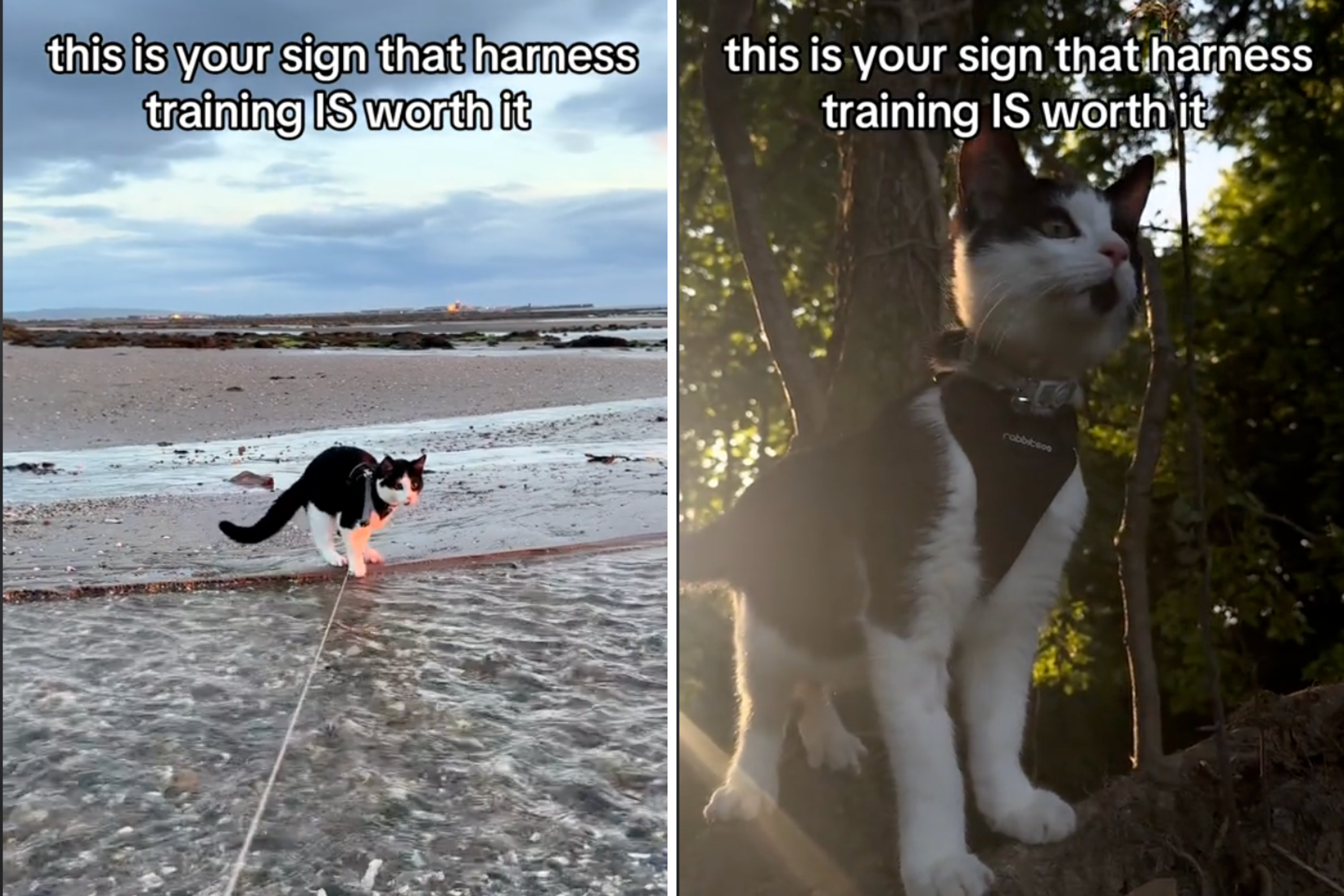
Leash training lets your cat explore outside safely. Begin by letting your cat wear a harness indoors. Let them get used to the feel. Then attach a leash and follow slowly. Use treats and praise to make it fun. Walk in quiet areas to avoid stress.
Problem Solving Skills
Cats enjoy challenges that make them think. Use puzzle toys to improve their problem solving. Hide treats inside and let your cat find them. This keeps their mind sharp and active. It also reduces boredom and unwanted behavior. Practice often to build confidence.
Benefits Of Training Cats
Training cats offers many benefits. It helps create a peaceful home and a happy pet. Cats learn good habits and feel more secure. Training also brings joy to both the cat and owner. It can make daily life easier and more fun.
Improved Behavior
Training teaches cats to follow rules. They learn not to scratch furniture or jump on counters. Bad habits reduce, making the home cleaner. Cats respond better to commands and routines. This leads to fewer problems and less stress.
Enhanced Bonding
Training builds trust between cats and owners. Time spent teaching creates a strong connection. Cats feel loved and understood. This closeness improves their mood and loyalty. Owners enjoy a more friendly and calm pet.
Mental Stimulation
Training challenges a cat’s mind. Learning new tricks keeps them sharp and curious. Mental exercise prevents boredom and destructive behavior. Cats stay active and alert longer. It also helps slow down aging in older cats.
Credit: vogdog.com
Frequently Asked Questions
Can Cats Learn Commands Like Dogs Do?
Yes, cats can learn commands using consistent training and positive reinforcement. They respond well to treats and rewards. However, their learning pace is usually slower than dogs. Patience and repetition are essential for success in training cats effectively.
What Are The Best Training Techniques For Cats?
Positive reinforcement, clicker training, and short sessions work best for cats. Use treats or affection as rewards. Avoid punishment as it can harm trust. Consistency and patience are key to teaching cats new behaviors.
How Long Does It Take To Train A Cat?
Training duration varies by cat’s personality and training method. Some cats learn basic commands in a few weeks. Others may take months to respond reliably. Regular, short, and positive sessions speed up the process.
Can Cats Be Trained To Do Tricks?
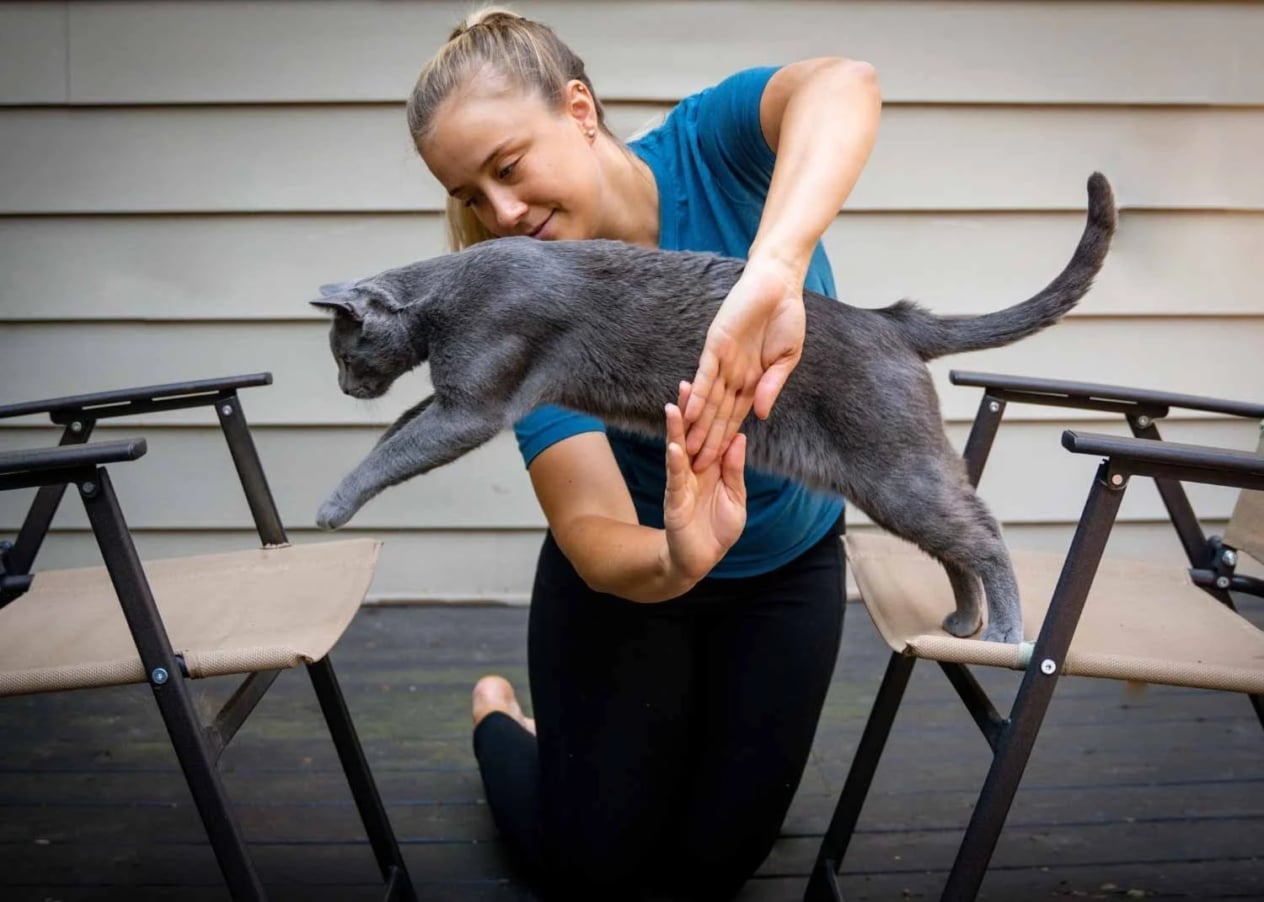
Yes, cats can learn simple tricks like sit, shake, or jump. Using treats and praise encourages them. Tricks stimulate their mind and strengthen your bond. Complex tricks may require more time and patience.
Conclusion
Cats can learn many things, just like dogs. They need patience and gentle training. Each cat has its own personality and pace. Reward good behavior with treats or praise. Training builds trust and a strong bond. It takes time, but results can be rewarding.
Remember, cats enjoy their independence too. Training should be fun for both of you. Keep expectations realistic and celebrate small successes. With love and care, cats can surprise you. Training a cat is possible, just different from dogs.


