

Are you wondering when the right time is to switch your dog to adult food? Feeding your furry friend the best diet is one of the most important choices you make as a pet owner.
But how do you know exactly when to make the change? Switching too early or too late can affect your dog’s health, energy, and growth. Keep reading to discover the key signs and expert tips that will help you make this important decision with confidence.
Your dog’s well-being depends on it!
Credit: www.purina.com
When To Switch Dog Food
Knowing when to switch your dog from puppy food to adult food is important. This change affects their health and growth. Feeding the right food at the right age helps your dog stay strong and active. Watch your puppy closely for signs it is time to switch.
Signs Your Puppy Is Ready
Look for changes in your puppy’s size and energy. Puppies grow fast and may eat less often. Their teeth and bones become stronger. If your puppy seems full after smaller meals, it may be ready. Also, check if your puppy’s coat looks healthy and shiny. These signs show readiness for adult food.
Breed And Size Considerations
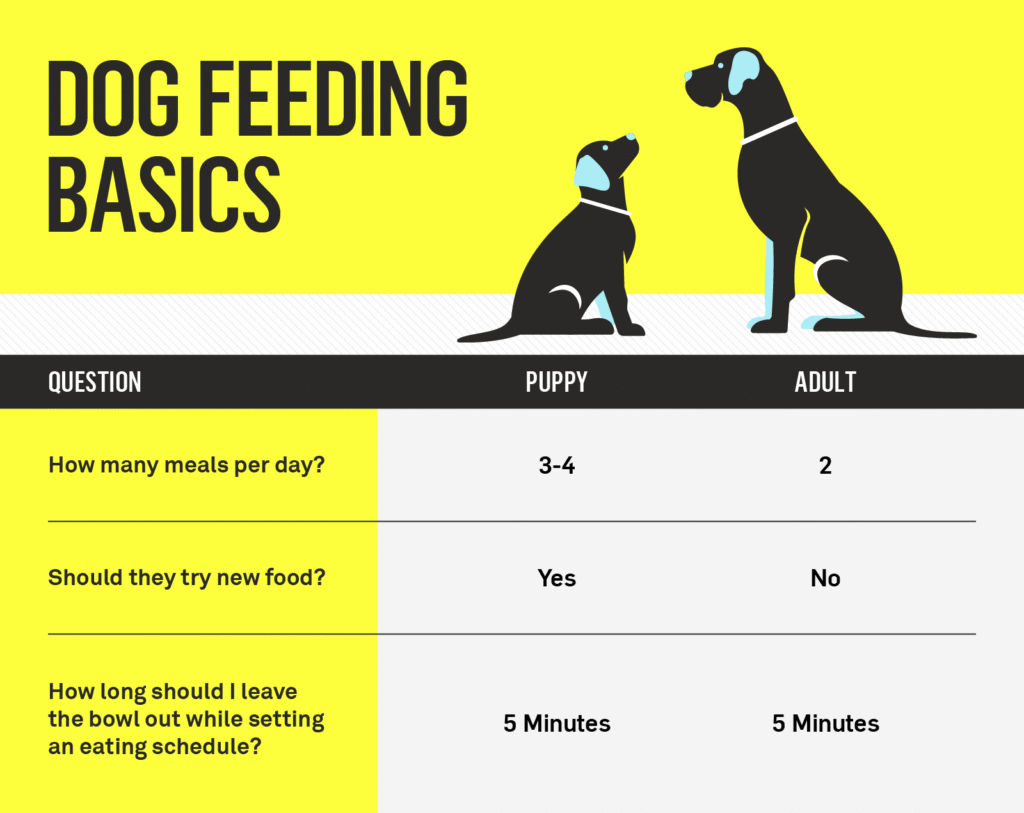
Small dogs grow faster than large dogs. Small breeds may switch to adult food at 9 to 12 months. Large breeds need more time to grow. They usually switch at 12 to 18 months. Consider your dog’s breed and size before changing food. Each dog needs different nutrition during growth.
Growth Stages And Nutrition
Puppies need food with more protein and calories. Adult dogs require balanced nutrition for maintenance. Changing food too early can cause nutrient gaps. Changing too late may lead to weight gain. Follow your vet’s advice to match food to growth stages. Proper nutrition supports healthy bones and muscles.
Credit: www.gallant.com
Choosing The Right Adult Food
Choosing the right adult food for your dog is important for their health and happiness. Adult dogs have different needs than puppies. Their food should support their energy, weight, and overall well-being. Picking the right food helps your dog stay strong and active for years. Here is what to consider when selecting adult dog food.
Nutritional Needs Of Adult Dogs
Adult dogs need balanced nutrition to stay healthy. Protein supports muscles and energy. Fat provides fuel for daily activities. Carbohydrates give extra energy and fiber aids digestion. Vitamins and minerals keep the immune system strong. The amount of nutrients depends on your dog’s size and activity level. Choose food that fits your dog’s life stage and health.
Ingredients To Look For
Good adult dog food has quality ingredients. Real meat or fish should be the first ingredient. Whole grains like brown rice or oats add energy. Vegetables provide fiber and vitamins. Healthy fats from sources like fish oil help coat and brain health. Avoid foods with too many fillers or artificial additives. Natural ingredients support your dog’s health better.
Avoiding Common Pitfalls
Check labels carefully to avoid harmful ingredients. Foods with too many fillers can cause weight gain. Artificial colors and flavors may upset digestion. Avoid foods with low protein or poor-quality ingredients. Switching food too quickly can cause stomach upset. Introduce new food slowly over 7 to 10 days. Watch your dog’s reaction to ensure they adjust well.
Transitioning To Adult Food
Switching your dog to adult food is an important step in their growth. This change supports their health and energy as they mature. Making this switch carefully helps avoid stomach upset and keeps your dog happy.
Gradual Food Changes
Start by mixing a small amount of adult food with puppy food. Slowly increase the adult food over 7 to 10 days. This slow change helps your dog’s stomach adjust. Avoid sudden switches to prevent digestive problems.
Monitoring Your Dog’s Response
Watch your dog closely during the transition. Check for any signs of discomfort or allergies. Look for changes in stool, energy, or appetite. If problems appear, slow down the change or consult a vet.
Adjusting Portions And Feeding Schedule
Adult dogs need different amounts of food than puppies. Adjust portion sizes based on your dog’s weight and activity. You may also change feeding times to fit their adult routine. Keep meals balanced and regular for best health.
Special Cases And Exceptions
Some dogs need special care when changing their food. Not all dogs switch to adult food at the same age. This section covers special cases and exceptions. It helps you understand when to adjust your dog’s diet.
Large And Giant Breeds
Large and giant breeds grow slower than small dogs. Their bones need more time to develop. Switching to adult food too soon can cause joint problems. These breeds often switch at 12 to 18 months. Puppy food for large breeds has extra nutrients for growth. Wait until your vet says the time is right.
Senior Dogs And Special Diets
Older dogs may need different food, not adult dog food. Senior dogs often require food with less fat and more fiber. Special diets help with weight control and digestion. Some dogs need food for joint health or kidney support. Follow your vet’s advice on the best diet for senior dogs.
Health Conditions Affecting Diet
Health problems can change a dog’s food needs. Dogs with allergies need hypoallergenic or limited ingredient diets. Dogs with diabetes may need special low-sugar food. Digestive issues require easily digestible meals. Always consult your vet for diet changes with health concerns. Proper food helps manage health and keeps dogs comfortable.
Expert Tips For Healthy Growth
Switching your dog to adult food is an important step. It supports their growth and keeps them healthy. Following expert tips can help your dog grow strong and happy.
Healthy growth depends on many factors. Proper nutrition, regular checkups, and good exercise all play a role. These simple tips guide you through the process.
Regular Vet Checkups
Visit the vet often to track your dog’s health. The vet can tell you when to switch food. They check weight, teeth, and overall condition. This helps catch problems early. Regular visits keep your dog on the right path.
Balanced Exercise And Diet
Exercise keeps your dog fit and happy. Mix walks, play, and rest each day. A balanced diet provides energy and nutrients. Adult dog food meets these needs well. Together, exercise and diet build strong muscles and bones.
Avoiding Overfeeding
Too much food can cause weight gain. Overfeeding leads to health issues like joint pain. Follow feeding guidelines on the food package. Measure portions carefully. Keep treats to a minimum. A healthy weight supports long life.
Credit: www.chewy.com
Frequently Asked Questions
When Should I Switch My Puppy To Adult Dog Food?
You should switch your puppy to adult dog food around 12 months. Large breeds may need switching closer to 18 months. This timing supports healthy growth and avoids excess calories.
Why Is Age Important For Switching Dog Food?
Age determines your dog’s nutritional needs. Puppies need more protein and calories. Adult dogs require balanced nutrients for maintenance. Feeding age-appropriate food promotes optimal health.
Can Switching Dog Food Too Early Harm My Dog?
Yes, switching too early can cause nutrient deficiencies. Puppies need specific growth nutrients. Premature switching may affect bone development and energy levels.
How To Transition Dog Food Without Upsetting Digestion?
Transition gradually over 7-10 days. Mix increasing amounts of adult food with puppy food. This helps prevent stomach upset and ensures smooth adaptation.
Conclusion
Switching your dog to adult food at the right age supports their health. Most dogs do well switching around one year old. Large breeds may need more time before switching. Watch your dog’s growth and energy levels closely. Consult your vet to find the best time.
Feeding adult food too soon can cause problems. Waiting too long may not meet their needs. Choose quality food suited for adult dogs. This helps keep your dog strong and happy. Stay attentive to your dog’s changes and needs.


