

Have you ever wondered if your dog can use a litter box just like a cat? If you’re tired of constant trips outside or dealing with unexpected messes, this idea might sound like a game changer.
Training your dog to use a litter box could save you time and stress. But is it really possible, and what does it take? Keep reading to discover the surprising truth about litter box training for dogs—and whether it could work for your furry friend.

Credit: www.reddit.com
Litter Box Training Basics
Litter box training a dog is possible with patience and the right approach.
Understanding the basics helps set your dog up for success. Start with the right tools and a calm space.
Choosing The Right Litter Box
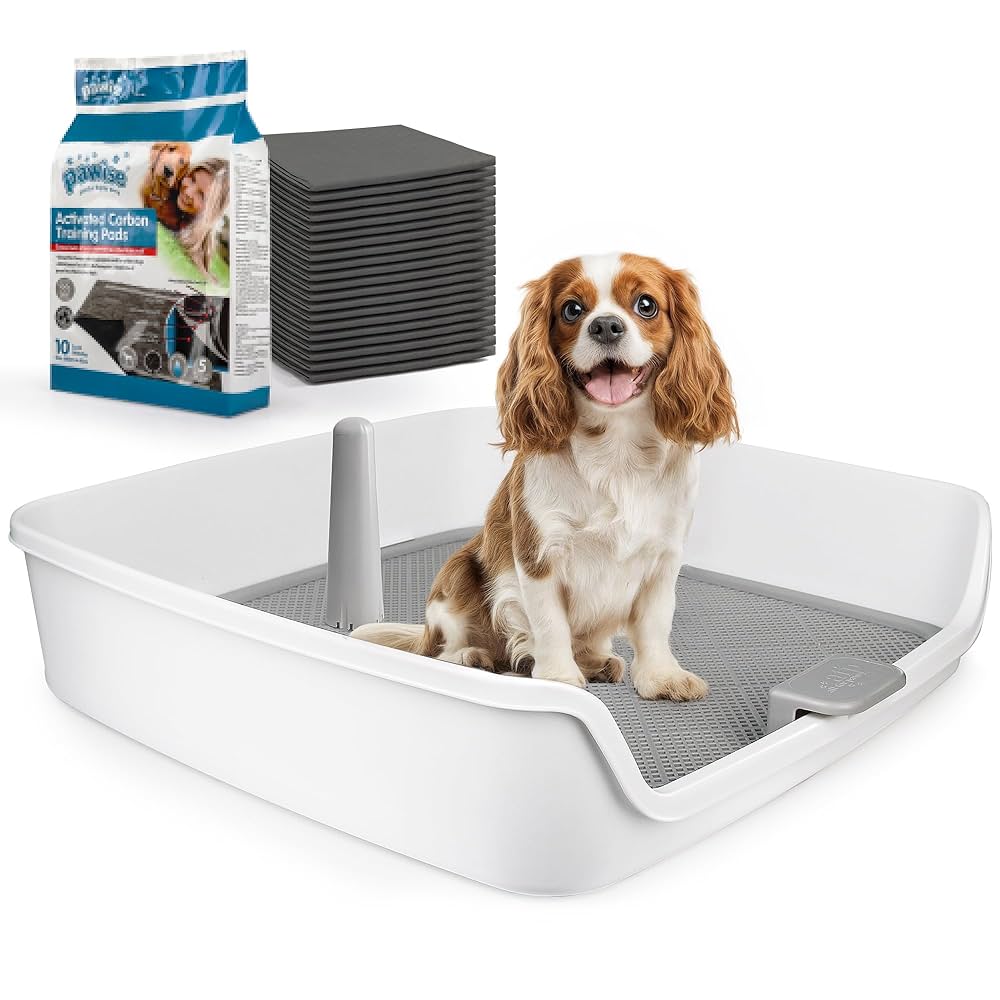
Select a litter box that fits your dog’s size. It should be large enough to turn around comfortably.
Low sides help small dogs step in easily. Consider covered boxes for privacy, but some dogs prefer open ones.
Durable and easy to clean boxes save time and effort.
Picking The Best Litter
Use dog-safe litter made from natural materials like paper or wood pellets.
Avoid clumping clay or scented litter. Dogs might find these irritating or harmful.
Test different types to see what your dog prefers and feels comfortable using.
Setting Up The Training Area
Choose a quiet, low-traffic spot for the litter box. This reduces distractions and stress.
Keep the area clean and easy to access for your dog at all times.
Place the box away from the dog’s food and water bowls to encourage use.

Credit: www.amazon.com
Teaching Your Dog To Use The Litter Box
Teaching your dog to use the litter box takes patience and clear steps. Dogs do not naturally use litter boxes, but with training, it is possible. The process starts with helping your dog feel comfortable and understand what to do.
Introducing The Box To Your Dog
Place the litter box in a quiet, easy-to-reach spot. Let your dog explore the box without pressure. Use a calm voice and gentle petting to encourage curiosity. Show your dog where the litter box is after meals or naps. Keep the box clean to make it inviting.
Positive Reinforcement Techniques
Reward your dog with treats or praise when it uses the litter box correctly. Avoid punishment for accidents; it can cause fear or confusion. Use a consistent word like “go potty” to link the action and reward. Celebrate small successes to build good habits. Positive feelings help your dog learn faster.
Establishing A Routine
Set regular times for your dog to use the litter box. After eating, sleeping, or playtime are good moments. Take your dog to the box frequently at first. Stick to the routine every day to build trust. Over time, your dog will expect the litter box as the right place.
Common Challenges And Solutions
Training dogs to use a litter box can be tricky. Many pet owners face common problems. Understanding these challenges helps find the right solutions. Patience and consistency are key to success.
Dealing With Accidents
Accidents happen often during training. Stay calm and avoid punishment. Clean the area with an enzyme cleaner. This removes odor and discourages repeat accidents. Praise your dog for using the litter box correctly. Offer treats or gentle petting to reinforce good behavior.
Handling Reluctance Or Fear
Some dogs feel scared of the litter box. It may seem strange or uncomfortable. Introduce the box slowly. Let your dog sniff and explore it. Use positive words and rewards to build trust. Avoid forcing your dog inside the box. Give time and space to adjust.
Addressing Litter Box Avoidance
Dogs may avoid the litter box for many reasons. The box might be dirty or in a noisy spot. Clean the box regularly to keep it fresh. Place it in a quiet, private area. Check the litter type; some dogs prefer certain textures. Observe your dog’s preferences and change the setup if needed.
Credit: www.amazon.com
Special Considerations
Training a dog to use a litter box requires special care. Several factors affect how easy or hard this process will be. Understanding these details helps set realistic expectations and improves success.
Training Puppies Vs Adult Dogs
Puppies learn new habits faster than adult dogs. They are more adaptable and curious. Training a puppy to use a litter box usually takes less time. Adult dogs might resist change more. Patience and consistency become very important with older dogs.
Breed And Size Factors
Small dog breeds often adapt better to litter box training. Their size fits litter boxes easily. Large breeds may find it uncomfortable or hard to balance. Some breeds have strong instincts to go outside. These traits affect how they respond to indoor potty training.
Health Issues Impacting Training
Health problems can slow down training progress. Dogs with urinary or digestive issues need extra care. Pain or discomfort may cause accidents. Always check with a vet before starting litter box training. Proper health support helps your dog succeed.
Maintaining Litter Box Hygiene
Maintaining litter box hygiene is key for a dog’s health and comfort. A clean box encourages your dog to use it regularly. It also stops bad smells and keeps your home fresh. Proper care helps prevent infections and skin problems. Let’s explore simple ways to keep the litter box clean and pleasant.
Cleaning Tips And Schedules
Clean the litter box daily to remove waste. Use a scoop or small shovel for this task. Wash the box with mild soap every week. Avoid strong chemicals that might harm your dog. Rinse well to remove all soap residues. Dry the box completely before adding fresh litter. Set a reminder to keep a steady cleaning routine.
Odor Control Methods
Use unscented litter to reduce strong smells. Add baking soda under the litter to absorb odors. Place the box in a well-ventilated area. Change the litter often to stop smell buildup. Consider using an air purifier nearby. Keep the surrounding area clean and dry. These steps help keep your home smelling nice.
Replacing Litter And Boxes
Replace the litter fully at least once a week. Use litter designed for dogs or unscented cat litter. Inspect the box for cracks or damage regularly. Replace the box if it becomes worn or stained. Choose a box size that fits your dog comfortably. A clean, sturdy box encourages good habits. This keeps your dog happy and healthy.
Alternatives To Litter Box Training
Many dog owners consider litter box training for their pets, but it is not the only option. Dogs have different needs and habits than cats. Some methods work better for dogs and fit their lifestyle. Here are some alternatives to litter box training that might suit your dog.
Outdoor Potty Training
Teaching your dog to go potty outside is a common choice. It helps keep your home clean and fresh. Dogs enjoy fresh air and space to move. Take your dog outside regularly, especially after meals or naps. Praise and reward them for going outside. Consistency is key to success.
Using Pee Pads
Pee pads are absorbent mats that catch urine. They work well for puppies and small dogs. Place pads in a quiet, accessible spot indoors. Change pads often to keep the area clean. Praise your dog when they use the pad. Pee pads help during bad weather or when you are away.
Crate Training Benefits
Crates provide a safe, cozy space for your dog. Most dogs avoid soiling their sleeping area. Use the crate to help control bathroom habits. Take your dog out often for potty breaks. Crate training supports house training and reduces accidents. It also helps dogs feel secure and calm.
Frequently Asked Questions
Can Dogs Use A Litter Box Instead Of Going Outside?
Yes, dogs can be trained to use a litter box. It requires patience, consistency, and positive reinforcement. Small breeds adapt faster, but all dogs can learn with proper training and the right litter box setup.
What Type Of Litter Box Is Best For Dogs?
A large, sturdy litter box with low sides works best for dogs. It should be easy to enter and clean. Using dog-specific litter or puppy pads helps absorb moisture and reduces odor effectively.
How Long Does It Take To Litter Box Train A Dog?
Training duration varies by dog size and age. Typically, it takes 2 to 4 weeks with consistent training. Patience, routine, and rewards speed up the process. Puppies may take longer than adult dogs.
Are There Health Risks With Dog Litter Box Training?
When kept clean, litter boxes pose minimal health risks. Regular cleaning prevents bacteria buildup and odor. Always monitor your dog’s behavior for any signs of discomfort or infection.
Conclusion
Dogs can learn to use a litter box with patience and practice. Small breeds often find it easier to adapt. Consistency helps dogs understand where to go. Clean the litter box regularly to keep dogs comfortable. Training takes time but can reduce accidents indoors.
Not all dogs will like or accept litter boxes. Watch your dog’s behavior and adjust training as needed. Litter box training can be a helpful option for some pet owners. Try it and see if it works for your dog.


