

If you have a loved one struggling with mental health challenges, or if you yourself face anxiety, PTSD, or depression, a psychiatric service dog could be a life-changing companion. But how do you train such a special dog to support your unique needs?
In this guide, you’ll discover simple, step-by-step methods to train your psychiatric service dog effectively. By the end, you’ll know exactly how to build a bond that brings comfort, safety, and confidence to your daily life. Keep reading—your future with a well-trained service dog starts here.
Choosing The Right Dog
Choosing the right dog is the first step to training a successful psychiatric service dog. The dog must fit your needs and lifestyle. Not all dogs have the traits needed for this important role. Careful selection helps ensure strong bonds and effective support. This section covers key points to consider before starting training.
Ideal Breeds For Service Work
Some breeds are better suited for service work than others. Labrador Retrievers and Golden Retrievers are popular choices. They are friendly, intelligent, and easy to train. German Shepherds are also common. They offer strong protection and loyalty. Smaller breeds like Poodles can work well for people who need a compact dog. The breed should match your activity level and living space.
Assessing Temperament And Behavior
The dog’s temperament is crucial. Choose a dog that stays calm in new places. Avoid dogs that get scared or aggressive easily. Service dogs must focus even with distractions. Look for dogs that enjoy human contact. They should be eager to please and quick to learn. A good service dog stays patient and gentle, even under stress.
Age And Health Considerations
Start with a young dog, but not too young. Puppies need time to learn basic skills. Older dogs may already know commands but might tire easily. Check the dog’s health before training. Avoid dogs with chronic health issues or poor eyesight. A healthy dog will train faster and work longer. Regular vet visits keep your service dog fit and happy.
Basic Obedience Training
Basic obedience training is the foundation for every psychiatric service dog. It teaches the dog how to listen and respond to important commands. This training helps build trust between the dog and its handler. It also prepares the dog to work calmly in different places and situations.
Training should start early and be part of daily life. Small, clear steps help the dog learn faster. The goal is a well-behaved dog that supports its handler confidently and safely.
Commands Every Service Dog Must Know
Every psychiatric service dog needs to learn key commands. These include “sit,” “stay,” “come,” and “heel.” The dog must follow these commands without hesitation. Commands help the dog stay focused and controlled in public. They keep both the dog and handler safe. Teaching these basic commands is the first step in training.
Consistency And Patience
Consistency is crucial in training a psychiatric service dog. Use the same words and gestures for each command. Train at the same times every day. Patience is just as important. Dogs learn at their own pace. Repeat training sessions often. Avoid rushing or showing frustration. A calm and steady approach builds the dog’s confidence and skills over time.
Using Positive Reinforcement
Positive reinforcement means rewarding good behavior. Use treats, praise, or toys to encourage the dog. This method helps the dog understand what is expected. Avoid punishment or harsh corrections. Rewards make training enjoyable and effective. They create a strong bond between the dog and handler. Positive reinforcement leads to faster learning and better results.
Specialized Psychiatric Tasks
Specialized psychiatric tasks are the core skills of a psychiatric service dog. These dogs help their handlers manage mental health symptoms daily. Training focuses on specific behaviors that ease anxiety, stress, and emotional crises.
Each dog learns to detect signs of distress early. They respond with actions that support emotional stability. This training strengthens the bond between the dog and handler. It builds trust and improves overall well-being.
Recognizing Anxiety And Panic Symptoms
Psychiatric service dogs are trained to spot anxiety signs quickly. They notice changes in breathing, body tension, or restlessness. Early detection helps prevent panic attacks from escalating.
The dog may nudge, paw, or stay close to the handler. These signals alert the person to take calming steps. This task reduces the severity of anxiety episodes effectively.
Task Training For Emotional Support
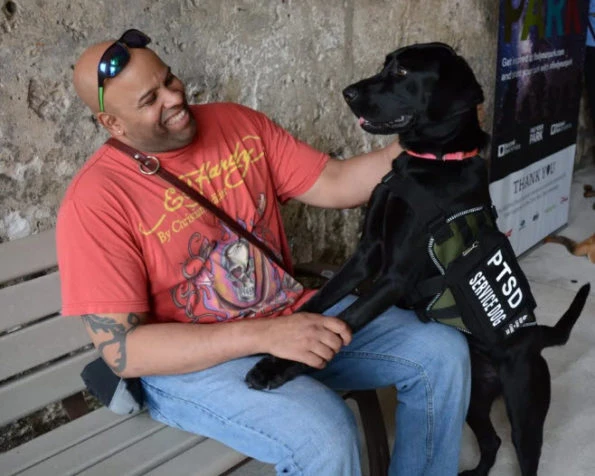
Dogs learn to provide comfort through touch and presence. They may lean on the handler or offer a paw. These simple acts help reduce feelings of isolation and fear.
Training includes staying calm during stressful moments. The dog’s steady behavior offers reassurance. This support helps the handler focus and regain control.
Interrupting Harmful Behaviors
Service dogs can interrupt behaviors like self-harm or repetitive actions. They use trained cues to distract and redirect the handler’s attention. This intervention breaks harmful cycles quickly.
The dog may gently nudge or guide the handler away from danger. These tasks protect the handler’s safety and promote healthier habits. Consistent training ensures the dog responds reliably.
Credit: www.servicedogcertifications.org
Socialization And Public Access
Socialization and public access are key parts of training a psychiatric service dog. The dog must behave well in many places and around different people. This training helps the dog stay calm and focused. It also ensures the dog can support you anywhere you go. Proper socialization builds confidence and good manners in the dog.
Introducing The Dog To Various Environments
Start by taking the dog to quiet places first. Parks, small shops, or calm streets work well. Let the dog explore and get used to new sights and sounds. Gradually visit busier places like malls or public transport. Always watch the dog’s reaction. Stop if the dog seems stressed. Praise calm behavior to encourage good habits.
Handling Distractions And Crowds
Distractions can upset a service dog’s focus. Train the dog to ignore noises and movements nearby. Use treats and commands to keep attention. Practice in different busy places to build tolerance. Teach the dog to stay close and calm in crowds. This skill is important for safe public access and support.
Etiquette For Service Dogs In Public
Service dogs must follow strict public behavior rules. They should not bark, jump, or sniff strangers. The dog needs to walk quietly on a leash. Avoid allowing the dog to eat or drink in public. Carry a vest or ID to show the dog is working. Teach the dog to wait patiently and stay alert. Good manners make public visits easier for everyone.
Maintaining Training And Health
Maintaining training and health is key for a psychiatric service dog’s success. Consistency keeps skills sharp. Good health supports daily tasks and long service. Both training and wellness need constant attention. This balance helps the dog perform well and stay happy.
Regular Practice Sessions
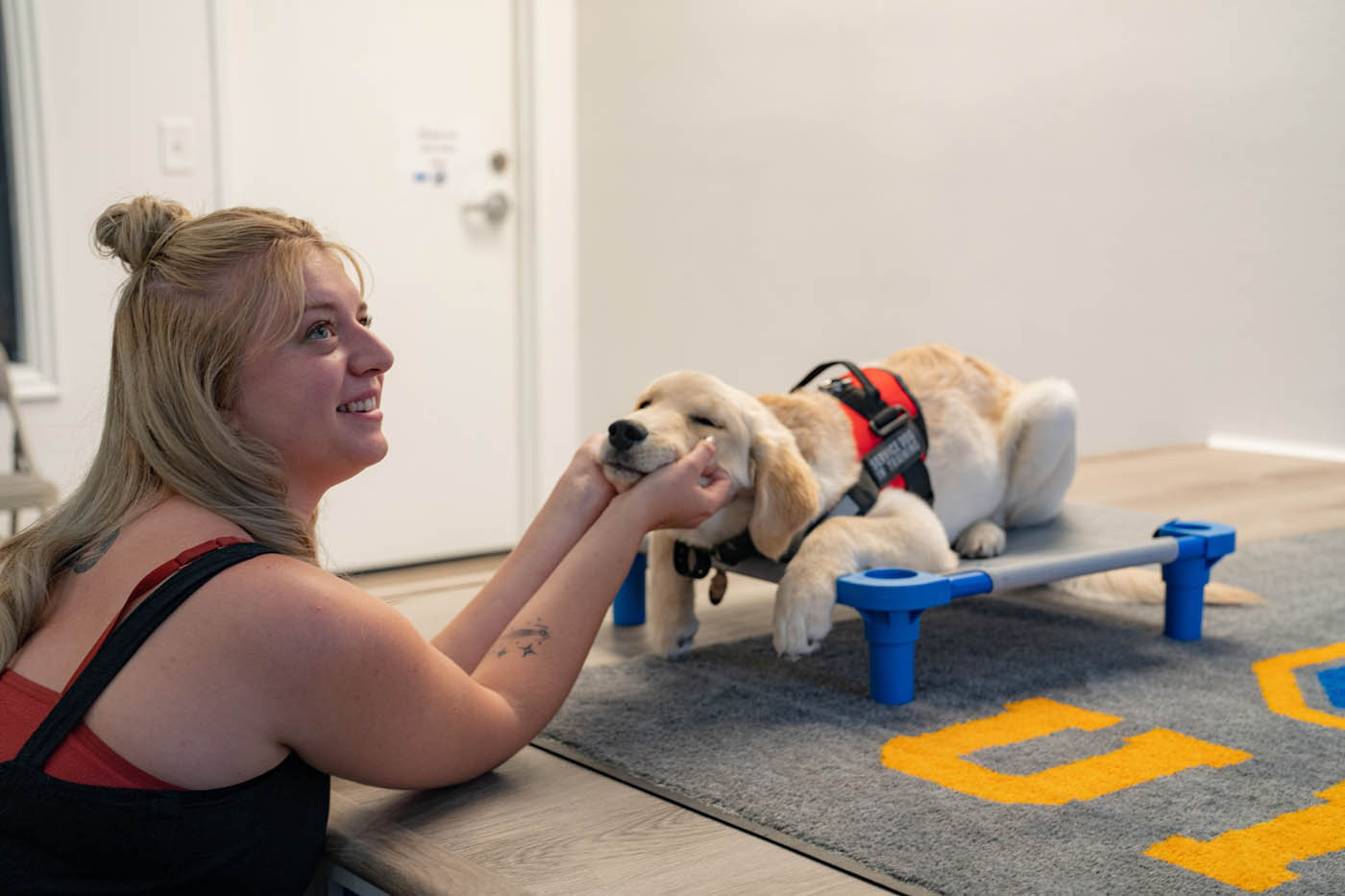
Practice daily in short, clear sessions. Repeat commands to strengthen memory. Use simple rewards like treats or praise. Keep sessions fun to hold interest. Change locations to improve focus in different places.
Monitoring Physical And Mental Well-being
Watch for signs of fatigue or stress. Check for changes in appetite or behavior. Regular vet visits ensure good health. Mental health is as important as physical health. Provide breaks and quiet time to relax.
Seeking Professional Support When Needed
Consult trainers for difficult behaviors. Vets can help with health issues. Therapists may guide emotional support needs. Professionals offer advice to improve training. Don’t hesitate to ask for help.
Credit: dogtrainingelite.com
Legal Rights And Certification
Training a psychiatric service dog involves more than just teaching tasks. Knowing your legal rights and certification requirements is essential. This knowledge helps protect both you and your dog in public spaces and travel.
Understanding the laws and having proper documentation ensures smooth access and fewer problems. It also builds trust and respect between you, your dog, and others.
Understanding Service Dog Laws
Service dogs are protected under laws like the Americans with Disabilities Act (ADA). These laws allow service dogs to accompany their handlers in public places. Businesses and public facilities cannot refuse entry to a trained service dog.
Psychiatric service dogs are recognized under these laws. They perform tasks that help with mental health conditions. It is important to learn the specific rights your dog has in your country or state.
Documentation And Identification
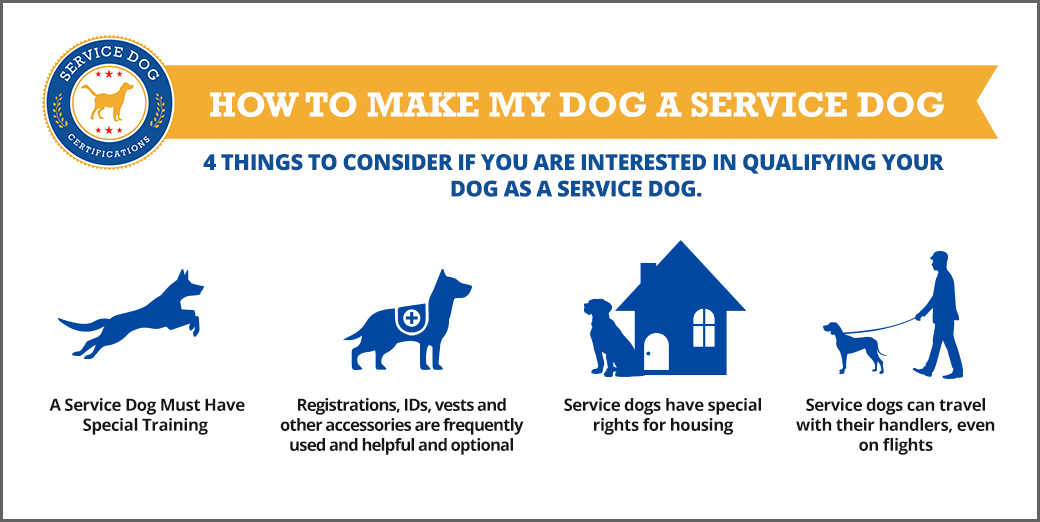
No official certification is required by law for service dogs in many places. Yet, carrying documentation can help avoid confusion. A letter from your doctor or therapist confirming your need for a service dog is useful.
Identification vests or harnesses for your dog are common. These do not prove legal status but signal the dog is working. Keep your papers and ID with you whenever you go out.
Traveling With A Psychiatric Service Dog
Airlines and transportation providers follow special rules for service dogs. The Air Carrier Access Act (ACAA) allows service dogs to travel with their handlers. You may need to submit forms or medical documents before flying.
Train your dog to behave calmly in busy places like airports. Knowing your rights helps you prepare for security checks and boarding. Travel becomes easier with proper planning and clear communication.
Credit: usaservicedogregistration.com
Frequently Asked Questions
What Is The First Step To Train A Psychiatric Service Dog?
The first step is selecting a calm, intelligent dog with a good temperament. Early socialization helps the dog adapt to different environments.
How Long Does It Take To Train A Psychiatric Service Dog?
Training usually takes 6 to 12 months. Consistent practice and positive reinforcement speed up learning.
What Tasks Should A Psychiatric Service Dog Learn?
Key tasks include grounding during anxiety, medication reminders, and interrupting harmful behaviors. Tailor tasks to individual needs.
Can I Train My Own Psychiatric Service Dog?
Yes, but professional guidance is recommended. Proper training ensures the dog meets legal and functional standards.
Conclusion
Training a psychiatric service dog takes time and patience. Start with basic commands and build trust with your dog. Practice skills that help with specific needs daily. Consistency and positive rewards keep training effective and fun. Remember, each dog learns at its own pace.
Your bond grows stronger through training and care. This teamwork helps improve your well-being and independence. Keep sessions short and focused to avoid stress. With dedication, your service dog becomes a true companion. Stay patient and enjoy the journey together.


