

Are you wondering if a grain free diet is right for your dog? You’ve probably heard a lot of talk about it, but what does it really mean?
Understanding what a grain free diet involves can help you make the best choice for your furry friend’s health and happiness. You’ll discover what a grain free diet is, why some dogs might need it, and how it could improve your dog’s well-being.
Keep reading to find out if this approach could be the key to a healthier, happier pup.
Grain Free Diet Basics
A grain free diet for dogs means feeding without grains like wheat or corn. Many dog foods use grains as filler. Grain free dog foods replace these with other ingredients. This diet suits dogs with grain allergies or sensitivities.
Understanding the basics helps you decide if grain free is right for your dog. It also helps you spot healthy options in stores.
What Is Grain Free Dog Food
Grain free dog food contains no wheat, corn, barley, or rice. These foods use other sources of carbohydrates. They often focus on proteins and vegetables. Grain free does not mean carb-free. It just means no traditional grains.
Common Ingredients Replaced
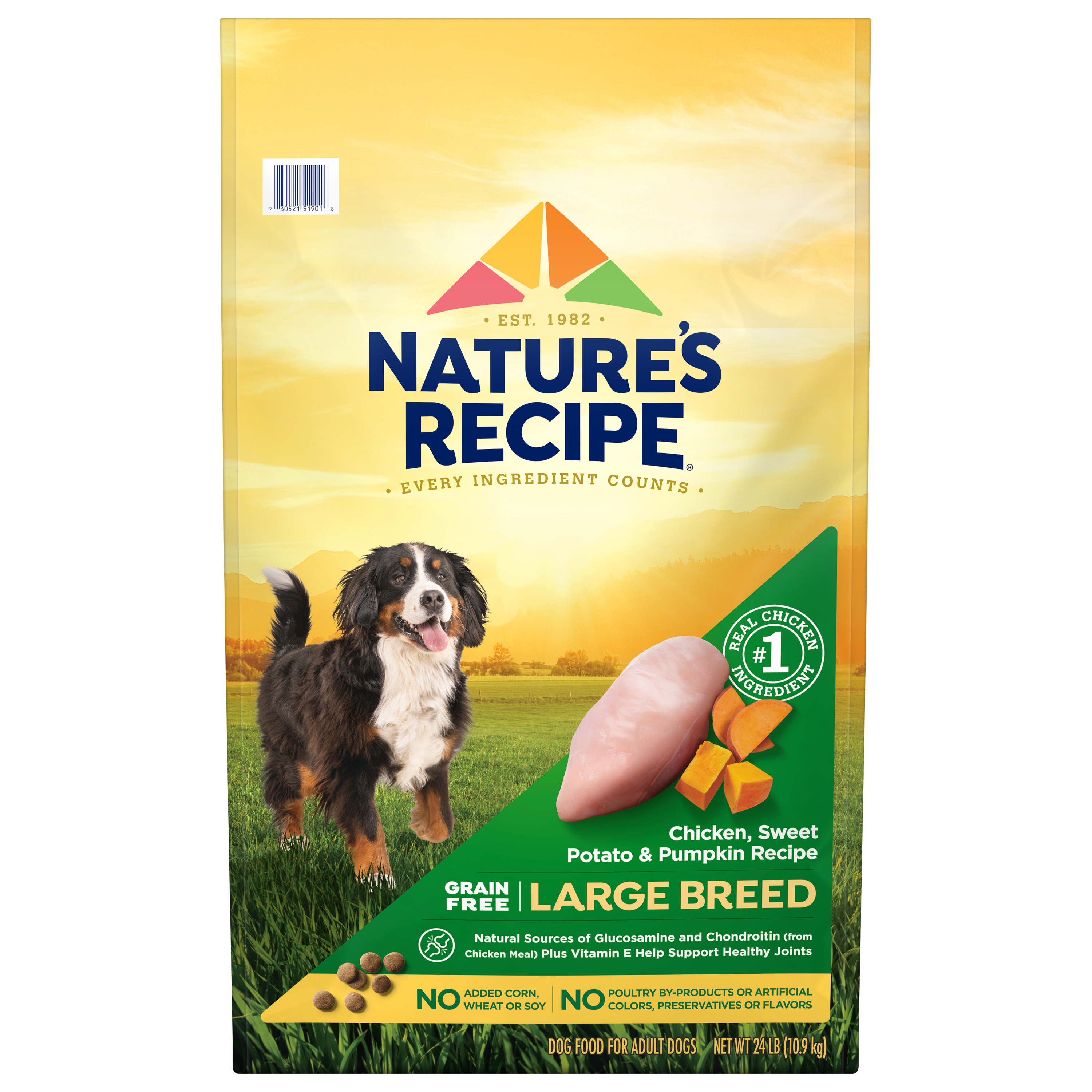
Instead of grains, dog food may include potatoes, peas, or lentils. These provide energy and fiber. Meat like chicken, beef, or fish stays as the main protein. Vegetables like carrots and sweet potatoes add vitamins. These ingredients help meet nutritional needs without grains.
Why Choose Grain Free
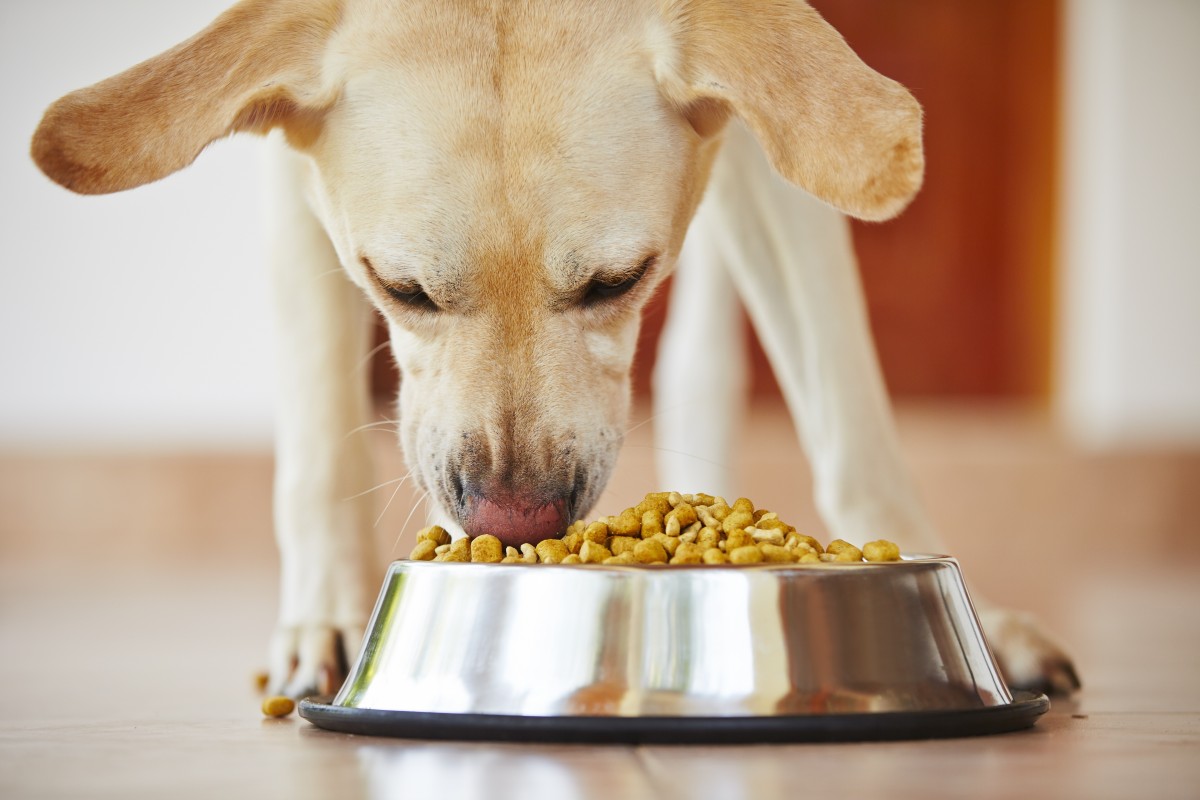
Some dogs have trouble digesting grains. Grain free food can reduce allergies and skin problems. It may improve digestion and energy levels. Many owners choose grain free to avoid fillers. It can offer a more natural diet option for dogs.
Credit: vetmed.tamu.edu
Health Benefits For Dogs
A grain free diet can bring many health benefits for dogs. It focuses on natural ingredients without grains like wheat, corn, or rice. Dogs may find this type of food easier to digest and better for their overall health.
Many dog owners notice positive changes after switching to grain free food. These improvements include digestion, skin health, weight control, and allergy relief. Understanding these benefits helps decide if a grain free diet suits your pet.
Improved Digestion
Grain free diets often contain more protein and fiber from vegetables and meats. This mix supports the dog’s digestive system. It reduces stomach upset, gas, and diarrhea. Dogs with sensitive stomachs often feel better with grain free food.
Allergy Relief
Grains can cause allergies in some dogs. Symptoms include itching, redness, and ear infections. Removing grains helps reduce these allergic reactions. Dogs may experience less scratching and more comfort.
Weight Management
Grain free diets usually have fewer carbohydrates. This helps dogs maintain a healthy weight. Overweight dogs can find it easier to lose pounds. Better weight means less stress on joints and heart.
Better Coat And Skin
Dogs eating grain free food often have shinier coats. Their skin feels softer and less dry. This diet includes healthy fats and oils that improve skin health. A good coat shows a dog is healthy inside out.
Potential Risks And Considerations
Choosing a grain free diet for dogs may seem healthy. Yet, it carries some risks. Owners should know what to watch out for before making changes. Understanding these risks helps keep dogs safe and healthy.
Nutritional Balance
Grain free diets remove important grains like wheat and corn. These grains provide energy and fiber. Without them, dogs might miss key nutrients. Some grain free foods replace grains with potatoes or peas. These may not give the same vitamins and minerals. Poor balance can cause digestion problems or nutrient deficiencies.
Possible Heart Health Concerns
Some studies link grain free diets to heart issues. A condition called dilated cardiomyopathy (DCM) is a concern. This disease weakens the heart muscle. It can affect certain dog breeds more. The exact cause is unclear, but diet may play a role. Signs include weakness, coughing, and difficulty breathing.
Consulting Your Veterinarian
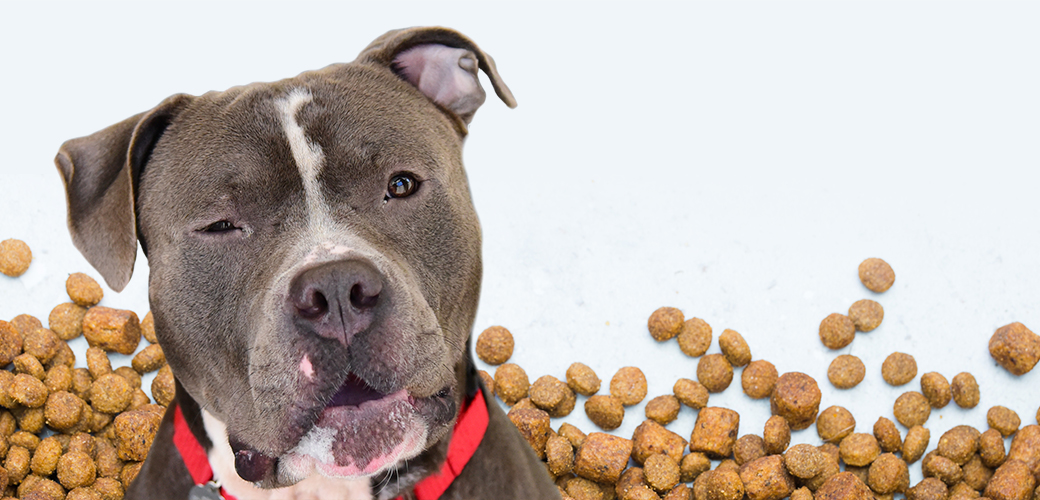
Always talk to a vet before changing your dog’s diet. Vets can check your dog’s health and needs. They help choose the best food based on breed, age, and health. Regular check-ups can catch problems early. Do not switch diets without professional advice.
Credit: www.aspca.org
Choosing The Right Grain Free Food
Choosing the right grain free food for your dog is important for their health. Not all grain free foods are the same. Some may lack important nutrients or contain ingredients that do not suit your dog’s needs. Careful selection helps ensure your dog gets balanced nutrition without grains.
Reading Labels Carefully
Check the ingredient list on the package. The first ingredients should be meat or fish, not fillers. Avoid foods with vague terms like “meat meal” or “animal by-products.” Look for clear names such as chicken, beef, or salmon. Check for added sugars or artificial colors. These do not benefit your dog’s health.
Quality Protein Sources
Protein is essential for your dog’s muscles and energy. Choose foods with real meat or fish as the main ingredient. Avoid meals that rely on plant proteins like soy or corn. High-quality proteins help your dog stay strong and healthy. Some foods also include eggs or fish oil for extra nutrition.
Avoiding Fillers And Additives
Fillers like corn, wheat, and soy add no real nutrition. They may cause allergies or digestive issues. Grain free does not always mean free from fillers. Look for foods without artificial preservatives, colors, or flavors. Natural ingredients support your dog’s digestion and overall well-being.
Transitioning Your Dog’s Diet
Switching your dog to a grain free diet needs care and patience. Sudden changes can upset your dog’s stomach. A smooth transition helps your dog adjust well. It also reduces risks of digestive issues. Follow simple steps to make the change easy.
Gradual Food Changes
Start by mixing a small amount of grain free food. Mix it with the old food in the bowl. Increase the new food amount slowly over 7 to 10 days. This helps your dog’s body get used to the new diet. Watch your dog’s eating habits during this time.
Monitoring Reactions
Observe your dog for any signs of allergy or discomfort. Look for itching, redness, or upset stomach. Note changes in energy and bathroom habits. If your dog shows problems, pause the transition. Consult your vet for advice before continuing.
Adjusting Portions
Grain free diets may have different calorie levels. Adjust the food portions to match your dog’s needs. Follow the package guidelines and your vet’s advice. Keep your dog’s weight and activity level in mind. Proper portions keep your dog healthy and happy.
Homemade Grain Free Options
Making homemade grain free meals for your dog can be healthy and rewarding. You control the ingredients and avoid fillers. It suits dogs with grain allergies or sensitive stomachs. Simple recipes with fresh ingredients keep your dog happy and strong.
Safe Ingredients To Use
Choose high-quality proteins like chicken, beef, or fish. Use vegetables such as carrots, peas, and green beans. Add sweet potatoes or pumpkin for energy and fiber. Avoid onions, garlic, grapes, and chocolate. These are toxic to dogs and unsafe.
Balanced Meal Planning
Balance protein, fats, and carbohydrates carefully. Include vitamins and minerals through supplements or natural sources. Consult your vet to meet your dog’s needs. Measure portions to prevent weight gain or loss. A well-planned meal supports overall health and energy.
Storage And Preparation Tips
Cook food thoroughly to kill bacteria. Store meals in airtight containers in the fridge. Use leftovers within three days for freshness. Freeze extra portions for future use. Clean all utensils and surfaces before and after cooking.
Common Myths About Grain Free Diets
Many dog owners hear about grain free diets and get confused by common myths. These myths often cause wrong ideas about dog nutrition. Understanding the facts helps in making the right choice for your pet’s health.
Grain free diets are not always what they seem. Let’s clear up some popular myths to help you decide better.
Grains Always Harmful
Grains are not always bad for dogs. Many dogs digest grains without any problem. Grains like rice and oats provide important nutrients and fiber. Problems only happen if a dog has a real grain allergy, which is rare. Avoid thinking all grains harm your dog’s health.
Grain Free Means Allergy Free
Grain free does not always mean allergy free. Dogs can be allergic to many ingredients, not just grains. Some may react to meat or other proteins in the food. Allergy testing by a vet is the best way to know what to avoid. Choosing grain free food alone does not guarantee no allergies.
Cost Vs. Quality
Grain free dog food often costs more than regular food. Higher price does not always mean better quality. Some grain free foods have fillers or less balanced nutrition. Look at ingredients and nutritional value, not just price. Good quality food fits your dog’s needs, grain or no grain.
Credit: www.naturesrecipe.com
Frequently Asked Questions
What Is A Grain Free Diet For Dogs?
A grain free diet for dogs excludes wheat, corn, and rice. It focuses on proteins, vegetables, and fruits to improve digestion and reduce allergies.
Are Grain Free Diets Better For Dog Allergies?
Grain free diets can help reduce allergies caused by grains. However, not all dogs need grain free food; consult your vet first.
Can Grain Free Diets Improve My Dog’s Digestion?
Yes, grain free diets can improve digestion by removing hard-to-digest grains. This often leads to less stomach upset and better nutrient absorption.
Is A Grain Free Diet Safe For All Dogs?
Grain free diets are generally safe, but not suitable for all dogs. Always check with your vet to ensure it meets your dog’s health needs.
Conclusion
A grain free diet for dogs means feeding them without grains like wheat or corn. Many dogs may feel better with this diet, especially those with allergies or sensitive stomachs. It can help improve their coat and energy levels. Always check with a vet before changing your dog’s food.
Every dog is different, so watch how yours reacts. This diet is not needed for all dogs but can be helpful for some. Keep your dog’s health and happiness as the top priority. Simple, clear choices lead to a happier pet.


