

You want the best for your dog, and that includes feeding them the right food at the right time. But how do you know when to switch to adult dog food?
Making this change at the right moment can impact your dog’s health, energy, and happiness. If you’re unsure about the signs or the right age to make the switch, keep reading. This guide will help you understand exactly when and why you should make this important change for your furry friend.

Credit: www.greatpetcare.com
Signs Your Dog Is Ready
Knowing the right time to switch your dog to adult food is important. Dogs grow fast and their needs change quickly. Watch your dog closely for signs that show it is ready for adult dog food. These signs help keep your dog healthy and strong as it grows.
Age Milestones
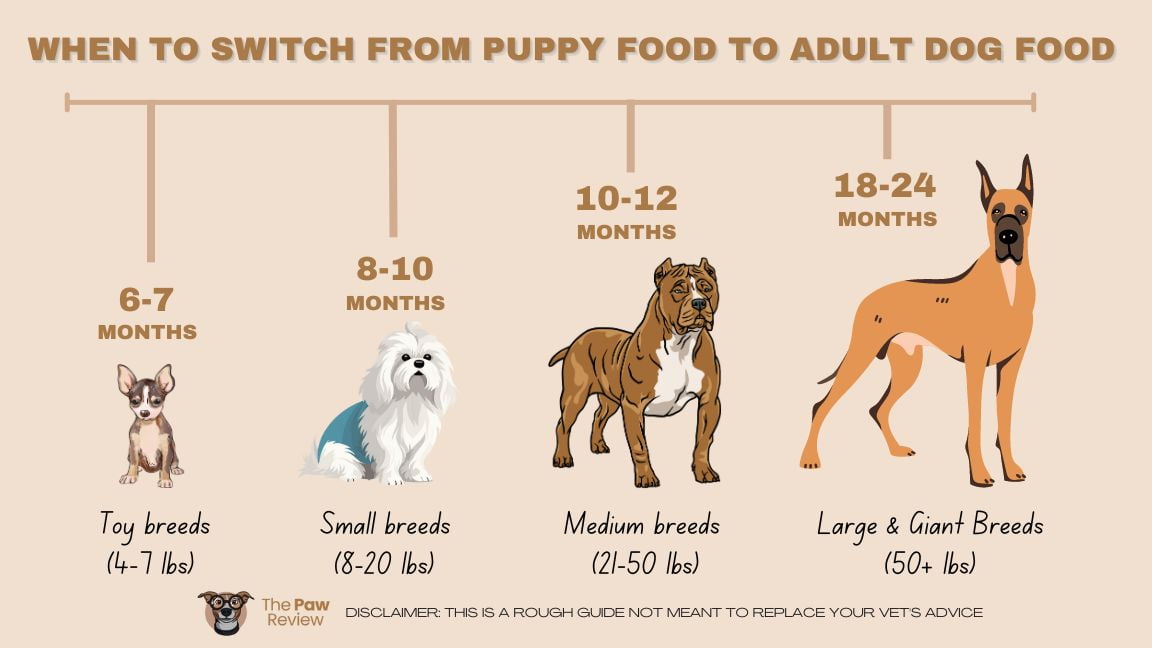
Most dogs switch to adult food between 12 and 18 months old. Large breeds may need more time and switch later. Small breeds often mature faster and change sooner. Check your dog’s breed and age to find the best time. Age gives a good guide but is not the only sign.
Behavioral Changes
Your dog may act different as it grows. It might be less hyper and more calm. Appetite can change, with your dog eating less or more. Watch for these changes to know if adult food suits your dog better. Behavior helps show if your dog’s body needs new nutrition.
Nutritional Needs
Puppies need more calories and nutrients to grow. Adult dogs require balanced food to keep their weight and energy. Switching food helps match these new needs. Adult dog food has less fat and more protein for muscle health. Meeting nutritional needs keeps your dog active and healthy.

Credit: www.iams.com
Choosing The Right Adult Dog Food
Choosing the right adult dog food is important for your dog’s health. Adult dogs need different nutrients than puppies. The right food helps keep their energy, weight, and coat healthy. It supports their immune system and helps avoid health problems. Understanding what to choose makes the switch easier and better for your dog.
Key Ingredients To Look For
Protein should be the main ingredient. It helps build strong muscles. Look for real meat like chicken, beef, or fish. Whole grains like brown rice provide energy. Vegetables add vitamins and minerals. Healthy fats, such as omega-3 and omega-6, support skin and coat health. Avoid foods with too many fillers like corn or soy.
Avoiding Harmful Additives
Some dog foods have artificial colors and flavors. These can cause allergies or upset stomachs. Avoid foods with preservatives like BHA, BHT, or ethoxyquin. These chemicals may harm your dog’s health over time. Choose foods with natural preservatives like vitamin E or rosemary extract. Always read the label carefully for additives.
Considering Breed And Size
Different breeds have different needs. Small dogs may need smaller kibble and more calories per pound. Large breeds need food that supports joint health. Some breeds have sensitive stomachs or specific health risks. Choose food made for your dog’s size and breed. This helps keep your dog healthy and active.
Transitioning Smoothly
Switching your dog to adult food needs care. A smooth change helps avoid stress and health problems. Dogs’ stomachs can be sensitive to sudden changes. A gentle transition supports their digestion and keeps them happy.
Gradual Food Changes
Start mixing a small amount of adult food with puppy food. Increase the adult food portion slowly over 7 to 10 days. This slow change helps your dog adjust to new flavors and nutrients. Avoid switching all at once to prevent upset stomach.
Monitoring Your Dog’s Reaction
Watch your dog closely during the food change. Check for signs like vomiting, diarrhea, or loss of appetite. Also, notice energy levels and mood changes. These clues show how well your dog adapts to new food.
Managing Digestive Issues
Minor stomach upset can happen during the switch. Offer plenty of water to help digestion. If diarrhea or vomiting lasts more than a few days, contact your vet. Sometimes adding a probiotic can ease digestion problems. Keep meals small and frequent until your dog feels better.
Common Mistakes To Avoid
Switching your dog to adult food is a key step in their growth. Many pet owners make simple mistakes during this change. These errors can cause health problems or make your dog unhappy. Knowing what to avoid helps your dog stay healthy and enjoy meals.
Switching Too Early Or Late
Changing to adult dog food too soon may harm your puppy’s growth. Their body still needs puppy food nutrients. Switching too late can cause weight gain or poor nutrition. Watch your dog’s age and breed size. Follow guidelines to pick the right time.
Overfeeding During Transition
Many owners feed too much while changing food. Dogs may eat less of the new food at first. Overfeeding causes weight gain and stomach problems. Measure portions carefully. Gradually mix old and new food over 7-10 days.
Ignoring Veterinary Advice
Your vet knows your dog’s needs best. Ignoring their advice risks health and growth issues. Some dogs need special diets due to health problems. Always ask your vet before switching foods. Follow their plan for a smooth transition.
Maintaining Optimal Health
Switching to adult dog food is a key step in your dog’s life. It supports their health as they grow. Maintaining optimal health means giving the right food and care. This helps your dog stay happy and strong for years.
Regular Vet Checkups
Vet visits help track your dog’s health. The vet can spot problems early. They check weight, teeth, and coat condition. Regular checkups ensure the adult food suits your dog’s needs. Your vet can suggest diet changes if needed.
Balancing Treats And Meals
Treats are fun but can add extra calories. Balance treats with main meals to avoid weight gain. Choose healthy treats and feed them in small amounts. Keep treats under 10% of daily calories. This keeps your dog’s diet balanced and healthy.
Adjusting Portions Over Time
Your dog’s energy needs change with age and activity. Adjust food portions to match these changes. Watch your dog’s weight and body shape closely. Increase or reduce portions to keep a healthy weight. Proper portions help prevent obesity and keep your dog fit.
Credit: paw-review.com
Frequently Asked Questions
When Should I Switch My Puppy To Adult Dog Food?
Switch to adult dog food when your puppy reaches 12 months. Large breeds may need 18-24 months. Adult formulas meet mature dogs’ nutritional needs better.
What Are Signs My Dog Needs Adult Food?
Signs include slower growth, stable weight, and less energy. Puppies outgrow high-calorie needs. Switching prevents excess calories and supports healthy aging.
Can Switching Too Early Harm My Dog?
Yes, switching too early may cause nutrient deficiencies. Puppies need extra protein and calories. Wait until proper age to ensure healthy development.
How To Transition Dog Food Without Digestive Issues?
Gradually mix adult food with puppy food over 7-10 days. Increase adult food daily to avoid stomach upset and improve acceptance.
Conclusion
Switching to adult dog food keeps your dog healthy and strong. Watch your dog’s age, size, and activity to know the right time. Changing food too early or late can cause problems. Choose a balanced diet made for adult dogs.
Always check with your vet if unsure. A smooth switch helps avoid stomach upset. Your dog will enjoy better nutrition and energy. Healthy food means a happy, active dog. Keep an eye on your dog’s needs as they grow. That’s the key to a long, joyful life together.


