Are you wondering if a grain free diet is the right choice for your dog? With so many options out there, it’s easy to feel confused about what’s best for your furry friend’s health.
You want to give your dog food that keeps them happy, energetic, and strong. But is cutting out grains really the answer? Keep reading to discover the facts about grain free diets, so you can make the best decision for your dog’s well-being.
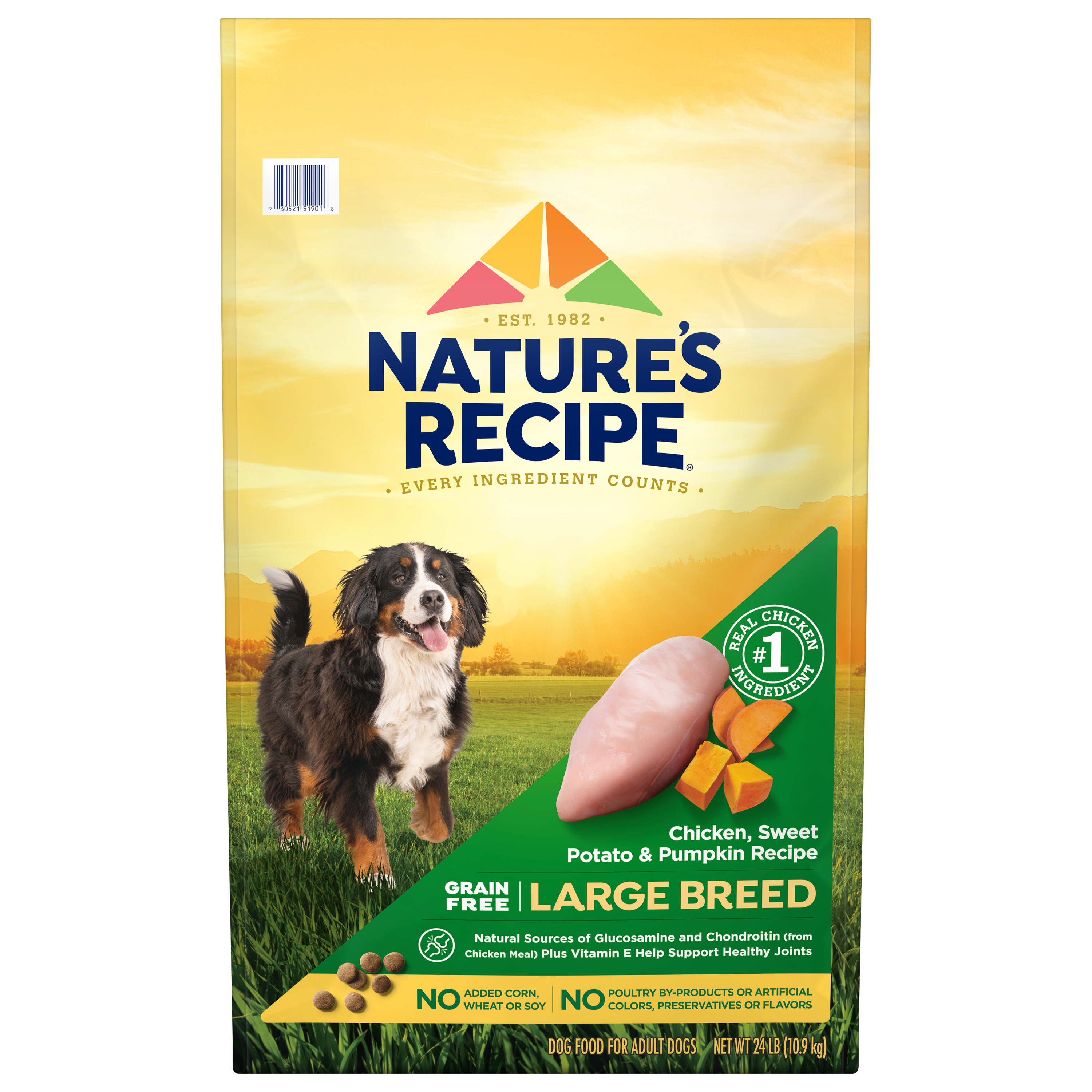
Credit: www.naturesrecipe.com
Grain Free Diet Basics
A grain free diet for dogs removes common grains like wheat, corn, and rice. This diet focuses on other ingredients to provide energy and nutrients. Some dog owners choose grain free diets to help with allergies or digestion issues.
Understanding the basics helps decide if grain free food suits your dog. It’s important to know what grain free dog food contains and how it differs from regular dog food.
What Is Grain Free Dog Food
Grain free dog food does not contain grains such as wheat, corn, barley, or rice. Instead, it uses other carbohydrate sources like potatoes or peas. This food aims to reduce grain-related allergies and improve digestion for some dogs.
Some dogs have trouble with grains, so grain free options can be easier on their stomachs. Not all dogs need grain free food, but it can be helpful for those with sensitivities.
Common Ingredients In Grain Free Diets
Grain free dog foods often include ingredients like sweet potatoes, lentils, chickpeas, and peas. These provide carbohydrates and fiber without grains. Proteins come from meats like chicken, beef, fish, or lamb.
Vegetables and fruits also add vitamins and minerals. Oils like fish oil or flaxseed oil provide healthy fats. This mix aims to keep dogs healthy without grain ingredients.
Reasons For Choosing Grain Free
Choosing a grain free diet for dogs has gained popularity among pet owners. Many believe it offers health benefits beyond basic nutrition. Some dogs have trouble with grains, which can cause discomfort or health issues. A grain free diet can help avoid these problems.
Allergies And Sensitivities
Some dogs suffer from allergies or sensitivities to grains like wheat, corn, or soy. These allergies can cause itching, skin rashes, and ear infections. Removing grains from their diet may reduce these symptoms. Grain free food uses alternative ingredients that are easier to digest. It supports dogs with sensitive stomachs or skin issues.
Digestive Health Benefits
Grain free diets often include higher protein and fiber from vegetables and legumes. This supports better digestion and nutrient absorption. Dogs with digestive problems may find relief on grain free food. It helps maintain healthy bowel movements and reduces gas or bloating. The diet is closer to what wild dogs eat, which some experts prefer for digestive health.
Potential Risks And Concerns
Choosing a grain-free diet for dogs may seem healthy. Yet, it has some risks and concerns. Pet owners should know these before changing their dog’s food. Understanding these risks helps keep dogs safe and well-nourished.
Link To Canine Heart Disease
Some studies link grain-free diets to heart disease in dogs. The condition is called dilated cardiomyopathy (DCM). DCM weakens the heart and reduces its ability to pump blood. Dogs eating grain-free food may develop this disease more often. The exact cause is still unclear. Some experts think missing nutrients in grain-free food play a role. Dogs with DCM need special care and treatment. Always watch your dog’s health closely if on a grain-free diet.
Nutritional Imbalance Issues
Grain-free diets may lack important nutrients. Grains provide fiber, vitamins, and minerals that dogs need. Removing grains can cause shortages of these nutrients. Dogs might suffer from digestive problems or poor coat health. Some grain-free foods replace grains with more meat or legumes. This can create too much protein or other imbalances. Nutritional imbalance can affect your dog’s energy and overall health. Check ingredients carefully and consult a vet before switching diets.
Credit: www.naturesrecipe.com
Comparing Grain Free With Traditional Diets
Choosing the right diet for your dog can be confusing. Grain free and traditional diets have different features. Both aim to keep dogs healthy and happy. Comparing these diets helps pet owners make informed choices. Understanding their differences in nutrients and cost is key.
Nutrient Profiles
Grain free diets remove grains like wheat, corn, and rice. They use vegetables, fruits, and alternative carbs like potatoes. These diets often have more protein from meat sources. Traditional diets include grains as a carbohydrate source. Grains provide fiber and some vitamins. Both diets must meet a dog’s nutritional needs. Quality ingredients matter more than the presence of grains. Dogs need balanced amounts of protein, fats, and vitamins. Some dogs may digest grain free diets better. Others do well with traditional diets. Always check the ingredient list and nutritional information.
Cost And Availability
Grain free dog foods usually cost more. Ingredients like sweet potatoes and meat are pricier than grains. These foods can be harder to find in some stores. Traditional diets are often cheaper and widely available. Many brands offer traditional recipes at lower prices. Budget can influence the choice of diet. Some pet owners prefer grain free for health reasons despite the cost. Others choose traditional diets for affordability and easy access. Both options offer good nutrition if chosen carefully.
Veterinary Opinions And Research
Veterinary opinions and scientific research play a key role in understanding grain free diets for dogs. Veterinarians study dog health and nutrition to guide pet owners. Their insights help decide if a grain free diet benefits dogs or not.
Research investigates how grain free diets affect dogs’ digestion, allergies, and overall health. This information helps vets make informed recommendations. Let’s explore recent studies and expert advice on this topic.
Recent Studies Findings
Recent studies show mixed results about grain free diets. Some research finds no clear health benefits over regular diets. Others suggest certain dogs with allergies may improve on grain free food.
Scientists also study links between grain free diets and heart problems. Some reports connect these diets to a condition called dilated cardiomyopathy (DCM). This condition affects heart muscles and can be serious.
Researchers continue to explore if ingredients replacing grains cause health issues. Results are not definitive yet. More studies are needed to understand long-term effects.
Expert Recommendations
Veterinarians recommend grain free diets only for dogs with specific needs. Dogs with diagnosed grain allergies or intolerances might benefit. For most dogs, a balanced diet with grains is healthy and safe.
Experts advise pet owners to consult their vet before changing diet. Sudden diet changes can upset a dog’s digestion. A vet can help choose the right food based on the dog’s health.
Quality of ingredients matters more than removing grains. Experts suggest focusing on complete, nutritious food. This supports dogs’ health better than just cutting out grains.
Credit: www.aspca.org
Choosing The Right Diet For Your Dog
Choosing the right diet for your dog is a key part of keeping them healthy. Each dog is unique. Their age, size, and health affect what food suits them best. A balanced diet supports energy, growth, and overall well-being. Picking the correct food can prevent health problems and improve your dog’s life.
Assessing Your Dog’s Needs
Start by thinking about your dog’s age and weight. Puppies need more calories and nutrients than older dogs. Active dogs burn more energy and need more food. Dogs with allergies or sensitivities may need special diets. Watch your dog’s coat, digestion, and energy for clues. These signs help decide which diet fits best.
Consulting With Professionals
Veterinarians know a lot about dog nutrition. They can suggest diets for specific health issues. A vet can test for allergies or deficiencies. Pet nutritionists also offer advice on balanced meals. Their guidance helps avoid problems from wrong diets. Always ask a professional before changing your dog’s food.
Tips For Transitioning Diets
Switching your dog to a grain-free diet requires care and patience. Sudden changes can upset your dog’s stomach. A smooth transition helps your dog adjust without stress. Follow these tips to make the change easier and safer.
Gradual Changes
Start by mixing a small amount of the new food with the old food. Increase the new food portion slowly over 7 to 10 days. This slow change helps your dog’s digestive system adapt. Avoid switching all at once to prevent upset stomach or diarrhea.
Monitoring Your Dog’s Response
Watch your dog closely during the transition. Check for signs like vomiting, diarrhea, or loss of appetite. Also, note changes in energy and coat health. If problems appear, slow down the transition or consult your vet. Keep a daily log to track any changes in behavior or digestion.
Frequently Asked Questions
What Are The Benefits Of A Grain Free Diet For Dogs?
A grain free diet may reduce allergies and improve digestion in some dogs. It often contains more protein and fewer fillers. However, benefits vary by individual dog’s health and needs. Consult a vet before switching to grain free food.
Are Grain Free Diets Safe For All Dog Breeds?
Grain free diets are generally safe but may not suit every dog. Some breeds with specific health issues might need grains for balanced nutrition. Always seek veterinary advice to ensure the diet meets your dog’s unique requirements.
Can Grain Free Diets Cause Health Problems In Dogs?
Some studies link grain free diets to heart issues like dilated cardiomyopathy in dogs. These risks are still being researched. It’s important to choose balanced food and consult your vet regularly for your dog’s health monitoring.
How To Transition A Dog To A Grain Free Diet?
Switch gradually over 7-10 days by mixing grain free food with current food. Increase grain free portions daily to avoid digestive upset. Monitor your dog’s reaction and consult your vet if issues arise.
Conclusion
A grain free diet can help some dogs with allergies or digestion. Not all dogs need it, though. Some do better with grains in their food. Talk to your vet before changing your dog’s diet. Watch your dog’s health and energy closely.
Good food helps dogs live happy, healthy lives. Choose what suits your dog’s needs best. Simple, balanced meals often work well for many dogs. Keep your dog’s well-being as your top priority.