

Have you ever thought about turning your love for dogs into a meaningful career? Becoming a trainer of service dogs is a powerful way to make a real difference in people’s lives.
Imagine helping someone regain independence or confidence by training a dog that supports them every day. This guide will show you exactly how to start, what skills you need, and the steps to become a trusted service dog trainer. If you’re ready to take action and make an impact, keep reading—you’re closer than you think.
Career Pathways In Service Dog Training
Service dog training offers many career options. Trainers work with different types of dogs. Each path needs special skills and knowledge. Understanding these paths helps you choose the right one.
Types Of Service Dogs
Service dogs assist people with disabilities. Some dogs help the blind with navigation. Others alert people with hearing loss to sounds. Some service dogs assist with medical conditions. They can detect seizures or low blood sugar. Mobility assistance dogs help people move safely. Each type requires unique training techniques. Trainers often specialize in one type.
Roles And Responsibilities
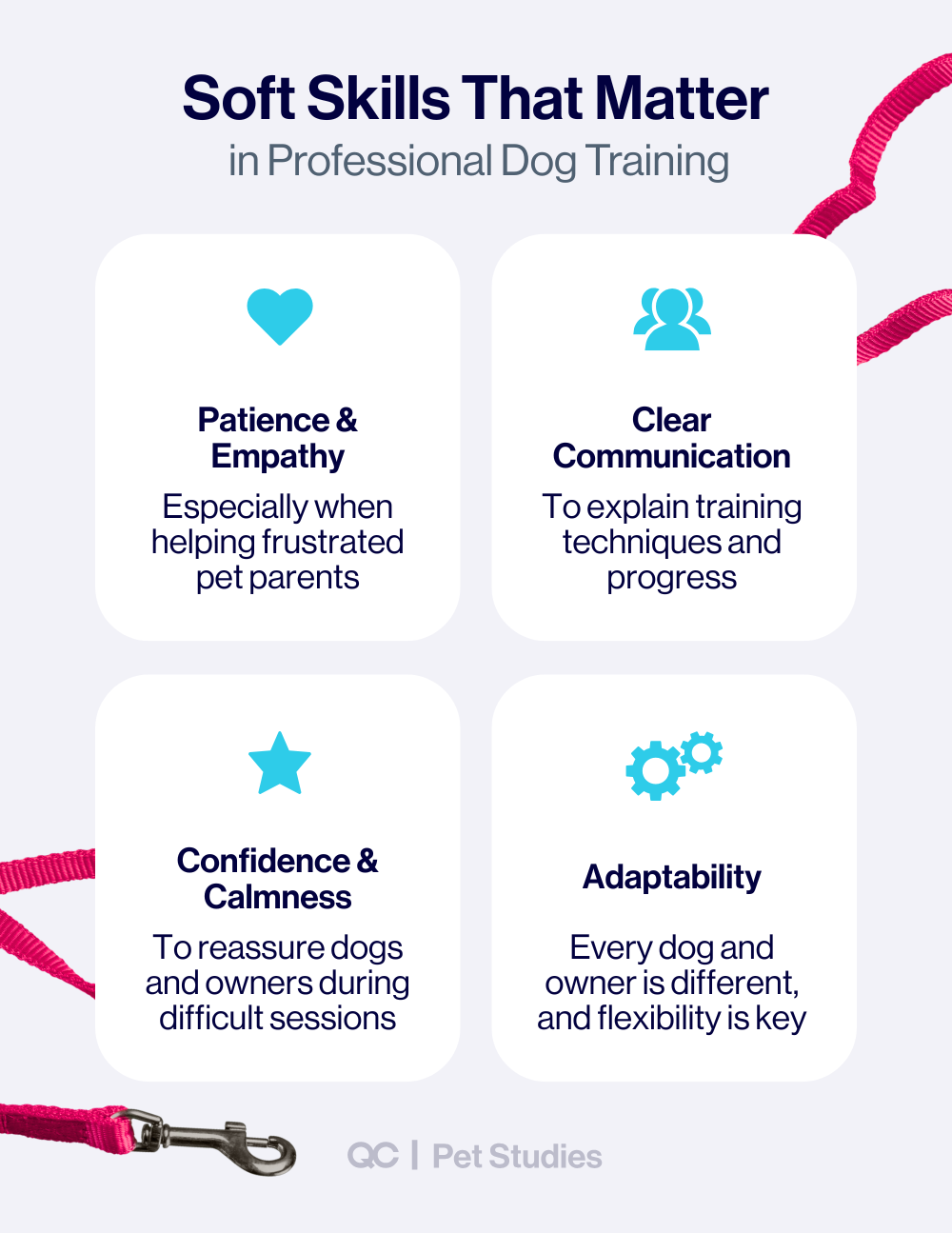
Service dog trainers teach dogs specific tasks. They work with dogs and future owners. Trainers must understand dog behavior well. They also assess each dog’s abilities. Trainers develop training plans and goals. They track progress and adjust methods. Communication skills are important for teaching owners. Trainers ensure dogs are ready for real life. They may also help with dog selection. Safety and patience are key qualities for trainers.
Credit: www.qcpetstudies.com
Essential Skills And Qualities
Becoming a service dog trainer requires more than just basic knowledge. Certain skills and qualities are vital to succeed in this role. These traits help trainers work closely with dogs and future handlers. They ensure effective training and positive results.
Patience And Communication
Patience is key when training service dogs. Dogs learn at different speeds. Some tasks take time to master. Trainers must stay calm and consistent. Clear communication helps dogs understand commands. Using simple words and gestures works best. Positive feedback encourages good behavior. A patient trainer builds trust with the dog.
Animal Behavior Knowledge
Understanding animal behavior is essential. Trainers must know how dogs think and react. This knowledge guides training methods. Recognizing signs of stress or confusion helps adjust techniques. Trainers learn about dog breeds and traits. This helps match training styles to each dog. Good behavior knowledge prevents problems and improves success.
Educational Requirements
Becoming a trainer of service dogs requires specific education. This helps you understand dog behavior and training methods. Knowledge in this field improves your ability to train dogs effectively. Education also prepares you to handle different challenges during training. Many trainers start with courses and certifications that focus on animal care and training.
Relevant Courses And Certifications
Courses in animal behavior, psychology, and obedience are essential. Certifications from recognized organizations add value to your skills. These programs teach you how to train service dogs for various needs. Basic certifications cover dog handling, safety, and communication skills. Advanced courses may include training for specific disabilities.
Training Programs And Workshops
Hands-on training programs offer real experience with service dogs. Workshops often focus on practical skills and problem-solving. These programs help you learn from experienced trainers. They also cover legal and ethical aspects of service dog training. Participating in workshops improves your confidence and technique.
Hands-on Experience
Hands-on experience is key to becoming a skilled service dog trainer. It builds your confidence and sharpens your training skills. Practical work helps you understand dog behavior and training challenges. Real-life practice teaches lessons books cannot provide.
Internships And Volunteering
Internships offer a great way to gain hands-on experience. You work with experienced trainers and service dogs daily. Tasks may include basic training, socializing dogs, and learning commands. Volunteering at service dog organizations also helps. You get to observe training methods and assist in care. Both internships and volunteering improve your skills and knowledge.
Apprenticeship Opportunities
Apprenticeships provide deeper training experience under expert guidance. You learn advanced techniques and training routines. This close mentorship helps you understand the trainer’s thought process. Apprenticeships often involve training dogs for specific tasks. You gain confidence handling dogs with different needs. This experience prepares you for a career as a service dog trainer.
Starting Your Own Training Practice
Starting your own service dog training practice is an exciting step. It lets you share your skills and help many people and dogs. Running a business means more than just training dogs. You will need to plan, follow rules, and manage daily work. This section guides you through the basics of starting your own practice.
Business Planning
Planning your business is the first step. Decide what services you will offer. Will you train dogs for physical disabilities, autism, or other needs? Set clear goals. Understand your target customers and their needs. Create a budget for equipment, space, and marketing. Think about pricing for your services. Plan how you will attract clients. A strong plan helps keep your business on track.
Legal Considerations
Follow legal rules to protect your practice. Register your business with local authorities. Get the necessary licenses or permits. Learn about laws related to service dogs in your area. Understand liability and insurance needs. Contracts for clients should clearly explain terms and responsibilities. Protect yourself and your clients by following the law carefully.
Building Relationships With Clients
Building strong relationships with clients is key to becoming a successful service dog trainer. It helps create trust and ensures the training meets the client’s unique needs. Good communication and understanding help trainers support clients and their service dogs better.
Assessing Client Needs
Start by learning about the client’s daily challenges and goals. Ask clear questions to understand what kind of support they need from their service dog. Each client has different needs, so a tailored approach is important. Observe the client’s lifestyle and environment to plan effective training. This step sets a strong foundation for future progress.
Ongoing Support And Training
Clients need help even after the initial training ends. Regular check-ins allow trainers to adjust the program as needed. Offer guidance on handling new situations and behaviors. Be patient and listen carefully to the client’s feedback. This ongoing support helps maintain the dog’s skills and the client’s confidence.
Challenges And Rewards
Becoming a trainer of service dogs brings both challenges and rewards. The journey demands patience, skill, and dedication. Trainers face tough moments but also experience deep satisfaction. This work changes lives, both human and canine. Understanding these challenges and rewards helps prepare for the path ahead.
Common Obstacles
Training service dogs requires time and effort. Each dog learns differently. Some dogs struggle with specific tasks or commands. Trainers must stay calm and persistent. Finding the right dog for service training is not easy. Not all dogs have the temperament needed. Trainers often face setbacks during the process. It can be emotionally hard when progress slows. Handling medical or behavioral issues adds more difficulty. Trainers must keep learning new techniques to succeed.
Success Stories
Many trainers share moments of great joy. Seeing a dog help a person live more independently is powerful. Some dogs alert owners to health problems early. Others provide safety and comfort every day. These success stories inspire trainers to continue their work. Each success proves the hard work is worth it. Trainers often build strong bonds with their dogs. These bonds make the journey rewarding beyond measure.

Credit: atlasdog.org
Keeping Skills Updated
Keeping your skills updated is crucial in becoming a successful service dog trainer. The field changes often with new training methods and rules. Staying current helps you provide the best care and training for dogs and clients.
Training techniques improve, and laws evolve. You must adapt to maintain high standards. This section explains two key ways to keep your skills fresh and effective.
Continued Education
Continued education means learning new things regularly. Attend workshops and seminars about service dog training. Online courses also offer flexible options to expand knowledge. This helps you learn new techniques and understand dog behavior better. It also keeps you aware of legal changes affecting service dogs. Regular learning boosts your confidence and expertise.
Networking With Professionals
Networking connects you with other trainers and experts. Join local or online groups focused on service dog training. Share experiences and ask questions to solve problems. Meeting other professionals opens doors to new ideas and opportunities. It also helps you stay updated on industry trends. Building strong relationships supports your growth in this field.

Credit: www.animalbehaviorcollege.com
Frequently Asked Questions
What Qualifications Are Needed To Become A Service Dog Trainer?
To become a service dog trainer, you need knowledge of dog behavior and training techniques. Certification programs and hands-on experience are essential. A background in animal science or psychology can help. Patience, consistency, and strong communication skills are also important for effective training.
How Long Does It Take To Train As A Service Dog Trainer?
Training to become a service dog trainer typically takes 6 months to 2 years. The duration depends on the program, hands-on practice, and skill mastery. Continuous learning and experience improve your ability to train service dogs effectively over time.
What Skills Are Essential For Training Service Dogs?
Key skills include patience, observation, and understanding canine behavior. Trainers must communicate clearly with dogs and handlers. Problem-solving and adaptability help address training challenges. Physical stamina and empathy ensure effective and compassionate training sessions.
Can Anyone Become A Certified Service Dog Trainer?
Anyone with dedication and proper training can become certified. Certification requires completing specialized courses and passing assessments. Practical experience with service dogs is crucial. Commitment to ongoing education ensures trainers stay updated on best practices.
Conclusion
Becoming a service dog trainer takes patience and care. Start by learning about dog behavior and training techniques. Practice with different dogs to gain experience. Join a training program or find a mentor to guide you. Always focus on the needs of the dog and the person who will receive it.
This work makes a real difference in lives. Stay committed and keep learning every day. Your effort helps people and dogs form strong bonds. It’s a rewarding path worth pursuing.

