

Are you wondering when it’s the right time to switch your dog to adult food? You want to make sure your furry friend gets the best nutrition at every stage of life.
Feeding your dog the wrong type of food can affect their health and energy. But how do you know exactly when to make the change? Keep reading, and you’ll discover clear answers that will help you keep your dog happy, healthy, and full of life.
This simple guide will make choosing the right food easy for you and your pet.
Credit: www.gallant.com
When To Switch To Adult Food
Knowing the right time to switch your dog to adult food is important for their health. Dogs need different nutrients as they grow. Feeding adult food too early or too late can affect their growth and energy. Watch your dog’s development and behavior to decide the best time to change their diet.
Puppy Growth Stages
Puppies grow fast in the first year. They need more calories and nutrients for bones and muscles. Small breeds finish growing around 9 to 12 months. Large breeds take longer, sometimes up to 18 months. Their food must support their stage of growth to keep them healthy.
Breed Size Impact
Breed size changes when to switch food. Small dogs mature faster and need adult food sooner. Large and giant breeds grow slowly and need puppy food longer. Their bones and joints need extra care during growth. Choose food based on your dog’s breed size for the best results.
Signs Your Dog Is Ready
Look for signs your dog is ready for adult food. Their body becomes less round and more muscular. They lose puppy energy but stay active. Teeth become stronger and adult teeth appear. Weight becomes steady without fast gains. These signs help know the right time to switch food.
Nutritional Needs Of Adult Dogs
Adult dogs need different nutrition than puppies. Their bodies grow slower and need fewer calories. Feeding the right food helps keep them healthy and active. Choosing the correct diet supports strong muscles, healthy skin, and a shiny coat.
Understanding what nutrients adult dogs need helps you pick the best food. It also guides you on how much to feed. This keeps your dog at a good weight and full of energy.
Key Nutrients For Adults
Protein is important for muscle health and repair. Adults need moderate protein to maintain strength. Fat provides energy but should be balanced to avoid weight gain. Fiber helps digestion and keeps the stomach healthy. Vitamins and minerals support the immune system and bone health. Water is vital for all body functions and should always be available.
Differences From Puppy Food
Puppy food has more calories and protein for growth. Adult food has fewer calories to prevent extra weight. Puppy food is softer and easier to chew. Adult food is firmer to help clean teeth. The nutrient balance in adult food focuses on maintenance, not growth.
Adjusting Portions
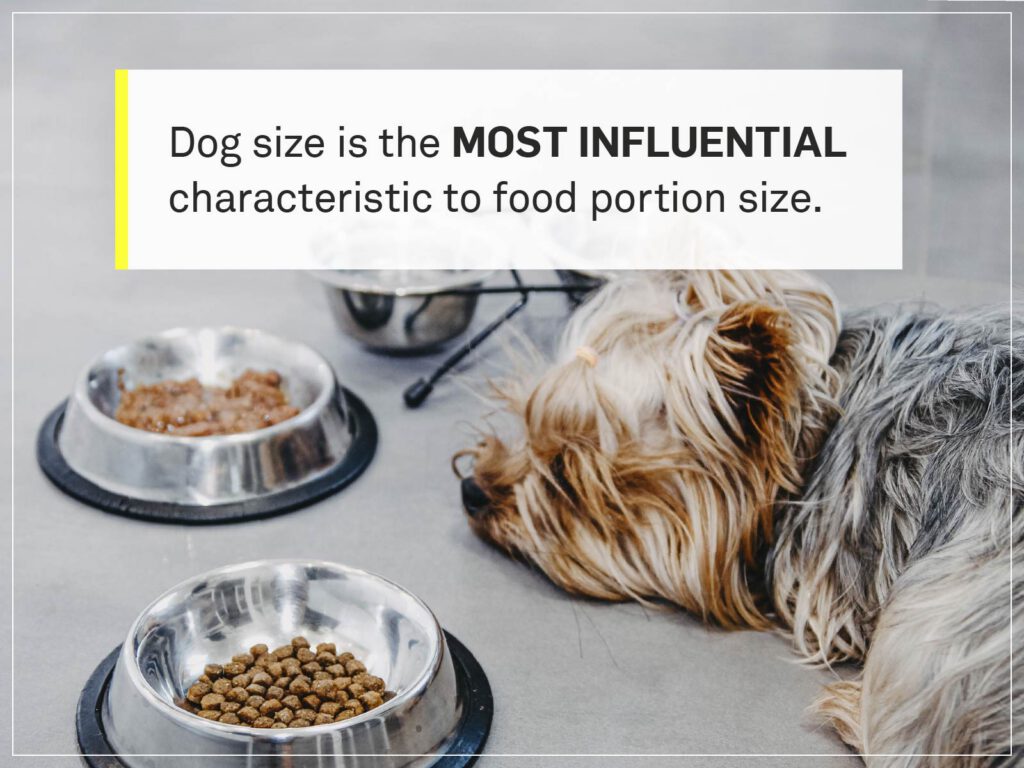
Portion size depends on your dog’s size, breed, and activity. Smaller dogs need less food than large breeds. Active dogs burn more calories and need bigger portions. Watch your dog’s weight and adjust food to keep it healthy. Avoid overfeeding to prevent obesity and related health issues.
Transitioning To Adult Food
Switching your dog from puppy food to adult food is a big step. It affects their health and energy. Doing it right helps your dog stay strong and happy. The process should be slow and careful. Sudden changes can upset their stomach. Pay attention to how your dog reacts during this time. This will help you avoid problems and keep your pet comfortable.
Gradual Change Process
Start by mixing a small amount of adult food into puppy food. Slowly increase the adult food over 7 to 10 days. This helps your dog get used to the new taste and texture. Watch for signs of refusal or discomfort. Keep the portions consistent. Avoid switching foods too fast to prevent digestive issues.
Monitoring Digestive Health
Check your dog’s stool daily during the switch. Look for loose stools or diarrhea. These are signs the food may not agree with them yet. Also watch for vomiting or loss of appetite. If these happen, slow down the transition. Give your dog’s stomach time to adjust. Regular vet check-ups can catch problems early.
Avoiding Common Mistakes
Don’t switch food all at once. Avoid giving treats that confuse the diet. Stick to the plan of gradual change. Don’t ignore signs of stomach upset. Do not mix adult food with puppy food indefinitely. Follow the feeding guidelines on the package. Consistency helps your dog’s body adapt well.
Credit: www.walmart.com
Special Considerations
Choosing the right time to switch your dog to adult food is important. Some dogs need special care depending on their age and health. These special considerations help keep your dog healthy and happy.
Senior Dogs And Food
Older dogs have different nutritional needs than younger ones. They may need food with fewer calories to prevent weight gain. Protein quality is important to keep their muscles strong. Some senior dog foods have added nutrients for joint health. Watch for signs of digestion problems and adjust food as needed.
Dogs With Health Issues
Certain health problems affect what your dog should eat. Dogs with allergies need limited ingredient diets. Dogs with kidney or liver issues may require special food formulas. Weight problems call for low-calorie, high-fiber meals. Always observe how your dog reacts to new food and change if needed.
Consulting Your Veterinarian
Your vet knows your dog’s health best. Discuss your dog’s age, breed, and health before changing food. Your vet can recommend the right type and amount of food. Regular check-ups help catch health problems early. Trust your vet’s advice for a smooth food transition.
Tips For Choosing Adult Dog Food
Choosing the right adult dog food is important for your pet’s health. Different dogs have different needs. Selecting good food helps keep your dog strong and happy. Here are some tips to guide you through the choice.
Reading Labels
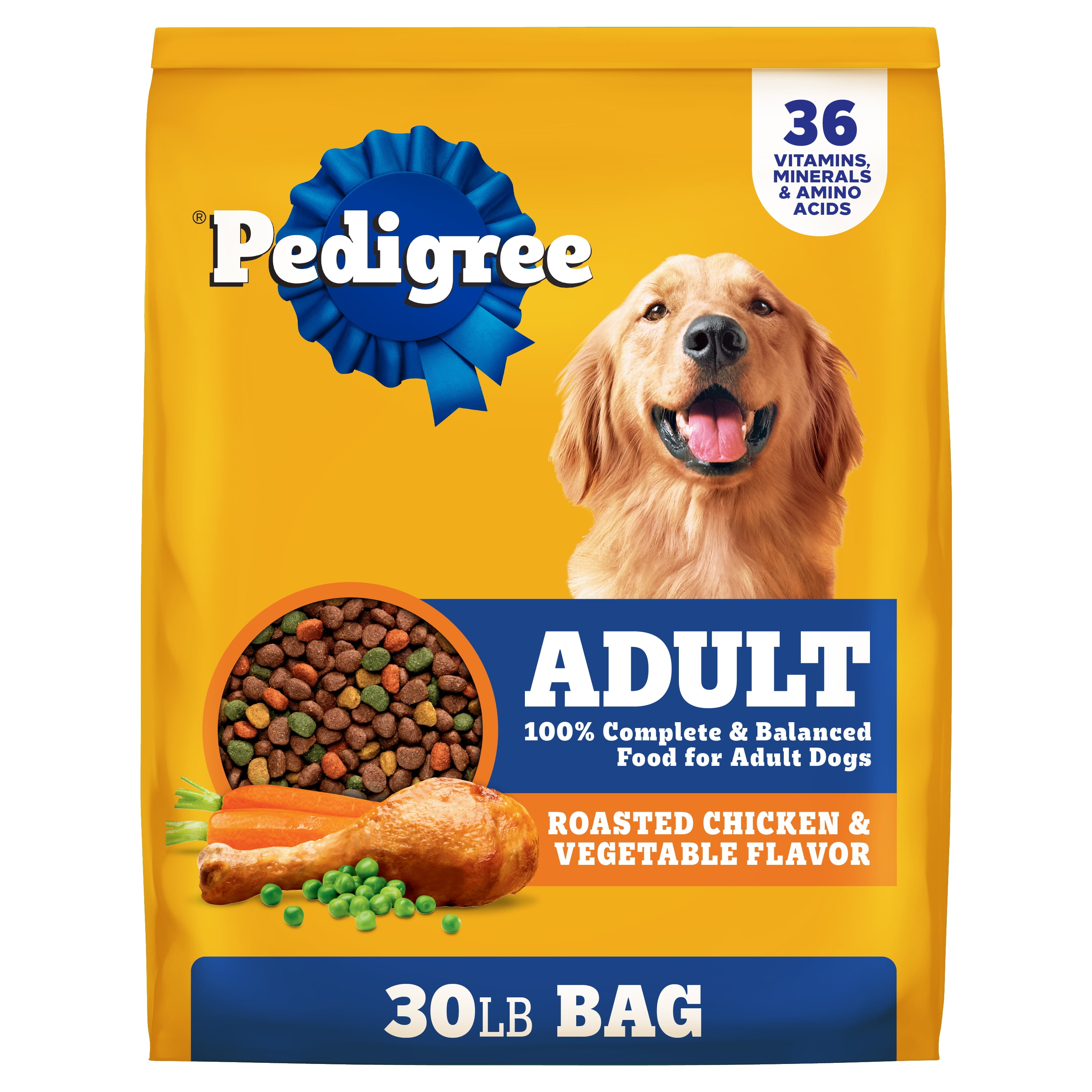
Start by checking the food label carefully. Look for the main ingredients listed first. These should be real meat or fish, not fillers. Avoid foods with too many chemicals or artificial additives. Labels also show nutrient amounts. Make sure the food meets your dog’s daily needs.
Quality Ingredients
Good dog food uses fresh and natural ingredients. Meat, vegetables, and grains give balanced nutrition. Avoid foods with by-products or unnamed meat sources. High-quality ingredients help your dog digest food better. This leads to more energy and a healthier coat.
Budget-friendly Options
Adult dog food does not have to be expensive. Many affordable brands offer good nutrition. Compare prices and ingredient lists. Choose options that fit your budget without sacrificing quality. Feeding your dog well can be simple and cost-effective.

Credit: www.purina.com
Frequently Asked Questions
When Should I Switch My Puppy To Adult Dog Food?
Most puppies transition to adult food between 12 to 18 months. Small breeds may switch earlier, while larger breeds take longer. Consult your vet for the best timing based on your dog’s breed and growth rate.
Why Is The Age To Give Adult Dog Food Important?
Age ensures your dog receives proper nutrients for growth or maintenance. Feeding adult food too early can hinder puppy development. Correct timing supports optimal health, energy, and longevity.
Can I Give Adult Food To My Puppy Early?
Feeding adult food too early can cause nutritional imbalances. Puppies need higher protein and fat for growth. Always consult your vet before switching to avoid health issues.
How To Know If My Dog Is Ready For Adult Food?
Look for signs like steady growth, weight stabilization, and reduced activity levels. Your vet can assess your dog’s readiness based on breed and health status.
Conclusion
Dogs usually switch to adult food around one year old. Large breeds may need adult food a bit later. Watch your dog’s growth and energy to decide. Choose a balanced adult food that fits their needs. Changing food slowly helps avoid stomach problems.
Consult your vet if you feel unsure about timing. Feeding the right food supports your dog’s health. Keep your dog happy and strong with proper nutrition. Simple steps make this change easy and safe. Your dog will thank you with a healthy life.


