

If you have a 2-year-old dog, you might wonder if it’s okay to switch from puppy food to adult dog food. What you feed your furry friend affects their health, energy, and happiness.
Choosing the right food isn’t always simple, and you want to make sure your dog gets exactly what they need. You’ll discover whether a 2-year-old dog can eat adult food safely and how to make the best choice for your pet’s wellbeing.
Keep reading to find answers that will help your dog thrive every day.
Differences Between Puppy And Adult Dog Food
Puppy food and adult dog food serve different purposes. Puppies grow fast and need special nutrients. Adult dogs need food that keeps them healthy and active. Knowing the differences helps you feed your dog right.
Choosing the correct food supports your dog’s health. It also avoids problems like obesity or nutrient gaps. Each stage of life calls for different nutrition and care.
Nutritional Needs By Age
Puppies require more protein and fat than adults. These nutrients help build muscles and energy. Puppies also need extra vitamins and minerals for bones and teeth. Adult dogs need balanced nutrition to maintain weight and health. Their food focuses on keeping organs strong and the coat shiny.
Calorie Content Variations
Puppy food has higher calories per serving. Growing dogs burn more energy and need fuel. Adult dog food contains fewer calories. This helps avoid weight gain as their activity slows. Feeding the right calories keeps dogs fit at every age.
Ingredient Differences
Puppy formulas include ingredients that support growth and brain development. Ingredients like DHA and calcium are common in puppy diets. Adult dog food has ingredients for joint health and digestion. It may contain less fat and more fiber. Each recipe matches the dog’s stage of life perfectly.
When To Switch To Adult Dog Food
Knowing the right time to switch your dog to adult food is important for their health. Dogs need different nutrients at different life stages. Feeding adult food too early or too late can affect their growth and energy.
Watch your dog closely to see signs they are ready for adult food. Consider their breed and size too. Always check with a vet for the best advice.
Signs Your Dog Is Ready
Your dog may start to eat less puppy food. They might seem less active or less hungry. Their body looks more mature and less puppy-like. Teeth are fully grown and strong. These signs mean your dog is ready for adult food.
Breed And Size Considerations
Small breeds mature faster than large breeds. Small dogs often switch to adult food around one year. Large breeds need puppy food longer, sometimes up to two years. Size changes how much nutrition they need. Adjust food type based on your dog’s breed and size.
Veterinarian Recommendations
Your vet knows your dog’s health best. They check weight, growth, and energy levels. Vets suggest the best time to switch food. Follow their advice for a healthy diet change. Regular check-ups help keep your dog fit and happy.
Potential Risks Of Early Transition
Switching a 2-year-old dog to adult food too soon can cause problems. Dogs have different needs at each life stage. Puppy food supports growth, while adult food suits maintenance. Moving to adult food early might harm your dog’s health and well-being.
Nutritional Deficiencies
Puppy food has extra nutrients for growth and energy. Early adult food lacks these essential elements. Your dog may miss important vitamins and minerals. This can slow growth or weaken the immune system. Nutritional gaps can lead to long-term health issues.
Digestive Issues
Sudden diet changes often upset the stomach. Puppy food is easier to digest for young dogs. Adult food has different ingredients and fiber levels. This can cause diarrhea, vomiting, or constipation. A slow transition helps the digestive system adjust.
Behavioral Changes
Food impacts mood and behavior in dogs. A poor diet may cause irritability or low energy. Dogs might refuse to eat adult food at first. This leads to stress or anxiety around mealtime. Consistent, balanced nutrition supports a happy dog.

Credit: www.poochandmutt.co.uk
Benefits Of Feeding Adult Dog Food To A 2 Year Old
Feeding adult dog food to a 2-year-old dog has clear benefits. This food matches their changing needs. It supports growth, health, and daily activity. Adult dog food has the right balance of nutrients. It helps keep dogs healthy and active at this stage.
The right diet helps dogs stay fit and strong. Adult formulas meet their energy and health needs well. These benefits show why switching to adult food makes sense at two years old.
Maintaining Healthy Weight
Adult dog food helps control weight better than puppy food. It has fewer calories but still provides enough nutrition. This prevents dogs from gaining extra weight. Maintaining healthy weight reduces risks of many diseases. It also keeps dogs more comfortable and active.
Supporting Joint Health
Adult dog food often contains ingredients that support joints. Nutrients like glucosamine and chondroitin protect cartilage. These help keep joints flexible and strong. Good joint health prevents pain and stiffness. It lets dogs enjoy walks and play without trouble.
Promoting Balanced Energy
Adult dog food provides steady energy throughout the day. It avoids the spikes and drops common with puppy food. Balanced energy helps dogs stay alert but calm. This supports better behavior and focus. Dogs get enough fuel for exercise and rest.
How To Transition Your Dog’s Diet Smoothly
Changing your dog’s diet needs care and patience. Sudden switches can upset their stomach. A smooth change helps your dog adjust well. It keeps them healthy and happy during the change.
Gradual Mixing Techniques
Start by mixing a small amount of adult food with puppy food. Increase the adult food portion slowly over 7 to 10 days. This helps your dog’s digestive system adapt without trouble. Watch that the food is well blended to avoid picky eating.
Monitoring Your Dog’s Response
Check your dog’s behavior and stool daily. Look for signs of discomfort like vomiting or diarrhea. If you see problems, slow down the transition. Healthy dogs usually adjust without issues in a week or so.
Adjusting Portion Sizes
Adult dogs need different food amounts than puppies. Use feeding guides on the adult food package as a start. Adjust portions based on your dog’s weight and activity level. Keep your dog at a healthy weight by controlling food quantity.
Expert Tips For Choosing The Right Adult Dog Food
Choosing the right adult dog food for your 2-year-old dog is important for their health. Dogs need different nutrients as they grow. Adult dog food supports their energy and body needs. Here are expert tips to help you select the best food for your dog.
Reading Labels Effectively
Check the ingredient list first. Meat or fish should be the main ingredient. Avoid foods with too many fillers like corn or wheat. Look for guaranteed analysis of protein, fat, and fiber. This helps you understand the nutrition your dog will get. Also, check the expiration date for freshness.
Considering Special Dietary Needs
Some dogs need special diets due to allergies or health issues. Older dogs might need food for joint health. Active dogs may require more calories and protein. Consult your vet to identify any special needs. Choose food that supports your dog’s lifestyle and health condition.
Quality And Brand Recommendations
Pick brands known for quality and safety. Trusted brands often use better ingredients and have strict testing. Avoid brands with many recalls or poor reviews. Look for foods made in countries with strong safety rules. Quality food helps keep your dog healthy and happy.
Common Myths About Dog Food Age Categories
Many dog owners get confused by dog food labels. Age categories like “puppy,” “adult,” and “senior” often lead to myths. These myths affect how owners feed their dogs. Understanding the truth helps give dogs the right nutrition. Let’s clear up some common myths about dog food age categories.
Puppy Food Is Always Better
Puppy food is rich in calories and nutrients for growth. But adult dogs do not need that extra energy. Feeding adult dogs puppy food can cause weight gain. Puppy food is not always better for older dogs. Each life stage has unique nutritional needs.
Adult Food Lacks Nutrients
Some think adult dog food has fewer nutrients. In reality, adult food meets the needs of grown dogs. It has balanced vitamins, minerals, and proteins. Adult dog food supports maintenance and good health. It is made to keep dogs healthy and active.
Switching Food Causes Allergies
Changing dog food does not cause allergies. Allergies come from ingredients, not the food change itself. Gradual switching helps avoid stomach upset. Watch for signs of true allergies like itching or vomiting. Switching food is normal and often needed.
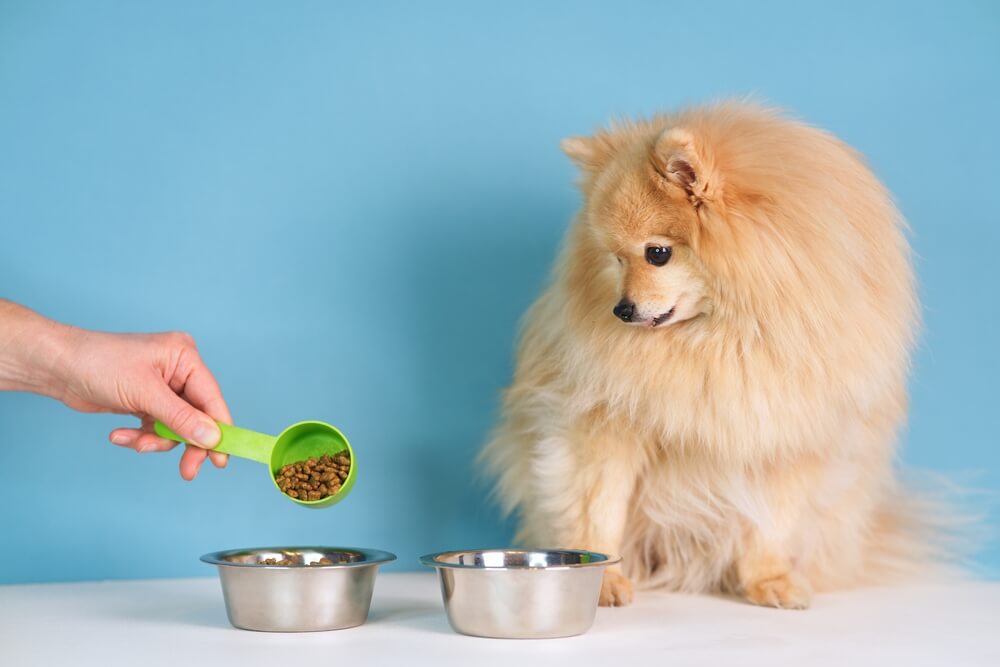
Credit: www.raisedrightpets.com
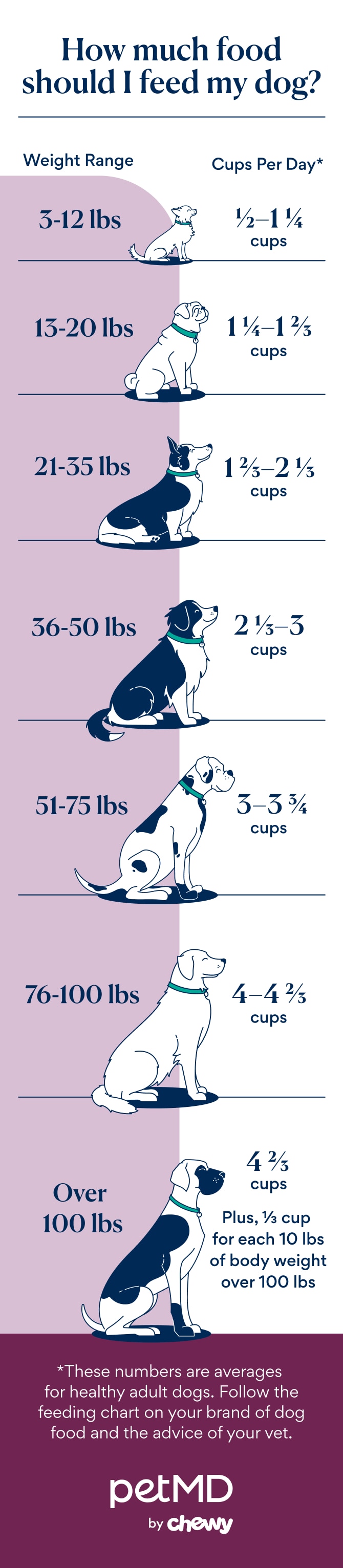
Credit: www.petmd.com
Frequently Asked Questions
Can A 2 Year Old Dog Eat Adult Dog Food?
Yes, a 2 year old dog can eat adult dog food. At this age, dogs are considered adults and need adult-formulated nutrition. Adult dog food supports their energy levels and overall health effectively.
When Should I Switch My Dog To Adult Food?
You should switch your dog to adult food around 12 to 18 months old. This timing depends on your dog’s breed and size. Consult your vet for the best time to transition to adult food.
Is Adult Dog Food Safe For 2 Year Old Dogs?
Adult dog food is safe for 2 year old dogs. It contains balanced nutrients suitable for adult dogs. Feeding adult food helps maintain healthy weight and supports daily activity needs.
What Are The Benefits Of Adult Dog Food For 2 Year Olds?
Adult dog food provides balanced protein, fats, and vitamins for mature dogs. It supports muscle maintenance, energy, and digestion. Feeding the right food keeps your 2 year old dog healthy and active.
Conclusion
A 2-year-old dog can eat adult food safely. Their body is ready for adult dog nutrition. Make sure to choose high-quality food with good ingredients. Avoid sudden changes; switch food slowly over days. Watch your dog’s weight and energy levels closely.
Consult your vet for the best feeding plan. Healthy food supports your dog’s growth and happiness. Feeding the right food keeps your dog strong and active. Simple steps help your dog enjoy meals and stay well.


