

Are you wondering if your puppy can eat adult dog food? It’s a question many dog owners face, and the answer might surprise you.
Feeding your puppy the right food is crucial for their growth, health, and happiness. Giving them adult dog food might seem like a simple choice, but it could affect their development in ways you don’t expect. Keep reading to discover what’s best for your furry friend and how to make sure they get the nutrition they need to thrive.
Puppy Nutritional Needs
Puppies need special care in their diet. Their nutritional needs differ from adult dogs. Proper nutrition supports healthy growth and strong bones. Feeding the right food helps puppies develop good habits early.
Choosing the right food is important for their overall health. Knowing what puppies need helps avoid common health problems. Let’s explore the essential nutritional needs of puppies.
Growth Requirements
Puppies grow fast in their first year. Their bodies need more calories than adult dogs. Energy supports brain development and muscle growth. Food should be rich in calories but balanced. Overfeeding can cause obesity and joint problems. Feeding schedule and portion size matter a lot. Frequent small meals help digestion and energy levels.
Key Nutrients For Puppies
Protein is vital for building muscles and tissues. Puppies need higher protein than adult dogs. Fats provide energy and help absorb vitamins. DHA, a type of fat, supports brain and eye health. Calcium and phosphorus strengthen bones and teeth. Vitamins and minerals boost the immune system. Balanced nutrients keep puppies active and healthy.
Credit: www.purina.com
Differences In Dog Food Types
Choosing the right food for your dog is important. Puppies and adult dogs have different needs. Their food types reflect these differences. Understanding these can help keep your dog healthy and happy.
Dog food is not just about taste. It is about nutrition and growth. Puppy food and adult dog food vary in ingredients and nutrient levels. This affects your dog’s health and development.
Puppy Vs Adult Formulas
Puppy formulas have more calories than adult food. Puppies need extra energy to grow fast. These foods contain more protein and fat. Protein builds muscles and supports body functions.
Adult formulas have fewer calories. Adult dogs need less energy than puppies. Their food focuses on maintaining health. It contains balanced nutrients for daily needs.
Vitamins and minerals also differ. Puppy food has more calcium for strong bones. Adult food controls calcium to prevent health issues. Each formula suits the life stage of the dog.
Impact On Health And Development
Feeding puppies adult food may slow their growth. They might miss important nutrients. Lack of protein and fat can affect muscles and brain.
Adult food lacks extra vitamins for puppy immune systems. This can lead to weak health and illness. Puppies need a strong start for a long life.
Feeding puppies the right food helps their bones and teeth. It supports healthy skin and shiny fur. Good nutrition builds a strong foundation for future health.
Risks Of Feeding Adult Food To Puppies
Feeding adult dog food to puppies can cause problems for their growth. Puppies need special nutrients to develop strong bones and muscles. Adult food does not have the right balance for their needs. This can lead to serious health issues over time. Understanding the risks helps keep your puppy healthy and happy.
Nutritional Deficiencies
Puppies need more protein and fat than adult dogs. Adult dog food has lower levels of these nutrients. This can slow down your puppy’s growth. Important vitamins and minerals may also be missing. Lack of calcium and phosphorus affects bone strength. Nutritional gaps can cause weak muscles and poor energy. Your puppy might not grow to its full potential.
Digestive Issues
Puppy stomachs are sensitive and need gentle food. Adult dog food is harder to digest. It can cause upset stomach, diarrhea, or constipation. Puppies may vomit or lose appetite from the wrong food. Digestive problems make it hard for puppies to absorb nutrients. This can lead to dehydration and weakness. Feeding the right food supports a healthy digestive system.
When Adult Food Might Be Suitable
Puppies need special nutrition to grow strong and healthy. Their food usually has more calories and nutrients than adult dog food. Yet, there are times when adult dog food can be okay for puppies.
This depends on the puppy’s age, breed, and health needs. Some puppies grow fast and may switch to adult food earlier. Others might need adult food for specific health reasons.
Transition Phases
Puppies do not stay puppies forever. As they grow, their food needs change. At about 9 to 12 months, many dogs start eating adult food.
Large breeds might take longer to switch. Their bones and joints need more support from puppy food. Small breeds often move to adult food sooner.
Switching food should happen slowly. Mix a little adult food with puppy food over days. This helps avoid stomach upset and keeps digestion smooth.
Veterinarian Recommendations
Vets know what is best for your puppy’s health. They can tell you when to change food based on growth and health checks.
Some puppies with health problems may need adult food earlier. Others might need special diets that differ from puppy food.
Always ask a vet before changing your puppy’s diet. This keeps your puppy healthy and growing well.
Choosing The Right Food For Your Puppy
Feeding your puppy the right food is very important for healthy growth. Puppies need more nutrients than adult dogs. Their bodies change fast and need good fuel to build strong bones and muscles.
Choosing the right food helps your puppy stay active and happy. It also supports their brain and immune system development. Not all dog foods are the same. Some are made just for puppies, with the right balance of vitamins, minerals, and proteins.
Reading Labels
Check the food label carefully. Look for words like “complete and balanced” for puppies. This means the food meets the necessary nutrition standards. Ingredients come next. Meat or fish should be the first ingredient. Avoid foods with too many fillers like corn or wheat.
Also, check the guaranteed analysis. It shows protein, fat, fiber, and moisture content. Puppies need higher protein and fat than adult dogs. Make sure the food matches these needs for your puppy’s size and breed.
Considerations For Special Needs
Some puppies have special dietary needs. If your puppy has allergies or a sensitive stomach, choose food made for these conditions. Puppies with health issues may require vet-recommended diets. Small breeds may need food with smaller kibble size.
Always watch how your puppy reacts to new food. If they show signs of discomfort, stop feeding and consult a vet. Proper nutrition supports every puppy’s unique needs and helps them grow strong and healthy.
Tips For Switching Puppy Food
Switching your puppy from puppy food to adult dog food needs care. Puppies have different nutritional needs than adult dogs. Changing food too fast can upset their stomach. Follow simple tips to make the switch smooth and safe.
Gradual Transition Steps
Start by mixing 75% puppy food with 25% adult food. Keep this mix for three days. Then, change to half puppy food and half adult food for the next three days. After that, mix 25% puppy food with 75% adult food. Finally, feed only adult dog food. This slow change helps your puppy’s tummy adjust well.
Monitoring Health Changes
Watch your puppy’s behavior and health every day. Check for vomiting, diarrhea, or constipation. Look for changes in appetite or energy. If your puppy seems unwell, slow down the food change. Contact your vet if any problems continue for more than two days. Healthy puppies have bright eyes and shiny coats.
Common Myths About Puppy Feeding
Many new puppy owners hear different advice about feeding their pets. Some of this advice is wrong and can confuse pet parents. Common myths about puppy feeding often lead to mistakes. These myths can affect a puppy’s health and growth. Understanding the truth helps you make better feeding choices for your puppy.
Myth Vs Reality
One common myth says puppies can eat adult dog food without problems. Reality shows puppies need special nutrients to grow strong. Adult dog food lacks some vitamins and minerals puppies require. Feeding adult food to puppies can cause poor growth and health issues. Puppies need food made just for their stage of life.
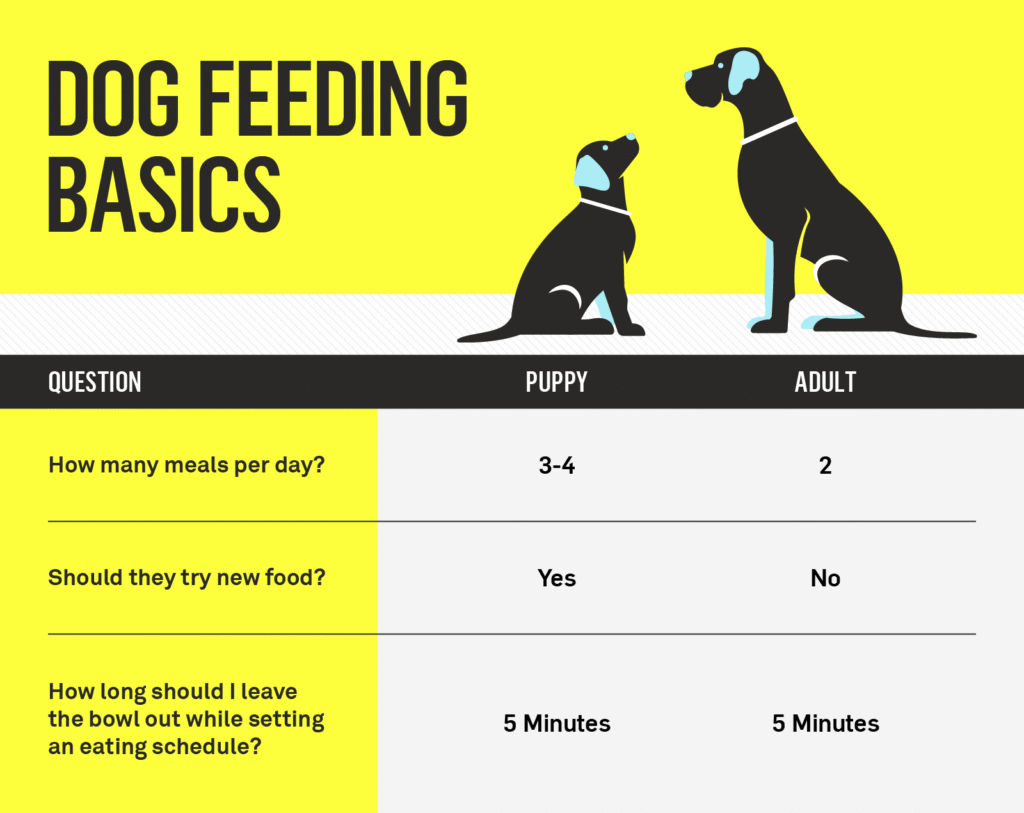
Another myth claims puppies should eat as much as they want at all times. In reality, controlled portions prevent obesity and stomach problems. Puppies have smaller stomachs and need frequent, balanced meals. Overfeeding can harm their development and cause digestion troubles.
Expert Advice
Veterinarians recommend puppy-specific food for the best nutrition. These foods support bones, muscles, and brain development. Experts also suggest feeding puppies several small meals daily. This helps their energy levels and digestion.
Experts warn against switching puppy food to adult food too early. The right time varies but usually happens around one year old. Always consult a vet before changing your puppy’s diet. Proper feeding helps your puppy grow into a healthy adult dog.
Credit: www.gallant.com

Credit: www.chewy.com
Frequently Asked Questions
Can Puppies Eat Adult Dog Food Safely?
Puppies should not eat adult dog food regularly. Adult formulas lack essential nutrients for growth and development. Feeding adult food may lead to nutritional deficiencies and poor health in puppies.
What Happens If My Puppy Eats Adult Dog Food?
If a puppy eats adult dog food occasionally, it is generally safe. However, long-term feeding may cause growth issues and nutrient imbalances. Always consult your vet for proper diet guidance.
When Can A Puppy Switch To Adult Dog Food?
Puppies can switch to adult dog food around 12 months old. Larger breeds may need longer, up to 18-24 months. Transition gradually to avoid digestive upset.
Is Adult Dog Food Nutritionally Different From Puppy Food?
Yes, adult dog food contains fewer calories and nutrients. Puppy food is richer in protein, fat, and essential vitamins. This supports healthy growth and energy needs in puppies.
Conclusion
Puppies need food made just for their growth. Adult dog food lacks some important nutrients for puppies. Feeding adult food can slow their development. Always choose puppy food to keep them healthy. Watch your puppy’s weight and energy closely. Talk to your vet about the best diet.
Healthy food helps puppies grow strong and happy. Choose wisely for your puppy’s bright future.


