

Are you wondering if a grain free diet is the right choice for your dog? You want the best for your furry friend, but with so much information out there, it’s hard to know what’s truly healthy.
Grain free dog food has become very popular, but is it really good for your pet’s health? You’ll discover the facts behind grain free diets and learn what you should consider before making a change. Keep reading to find out how to give your dog the nutrition they deserve.
Grain Free Diet Basics
A grain free diet for dogs removes all grains from their meals. Many pet owners want to know what this means and why it matters. Understanding the basics helps decide if this diet suits your dog’s needs.
Grain free dog food has grown popular. Knowing the ingredients and reasons behind it helps in making a good choice for your pet.
What Is Grain Free Dog Food
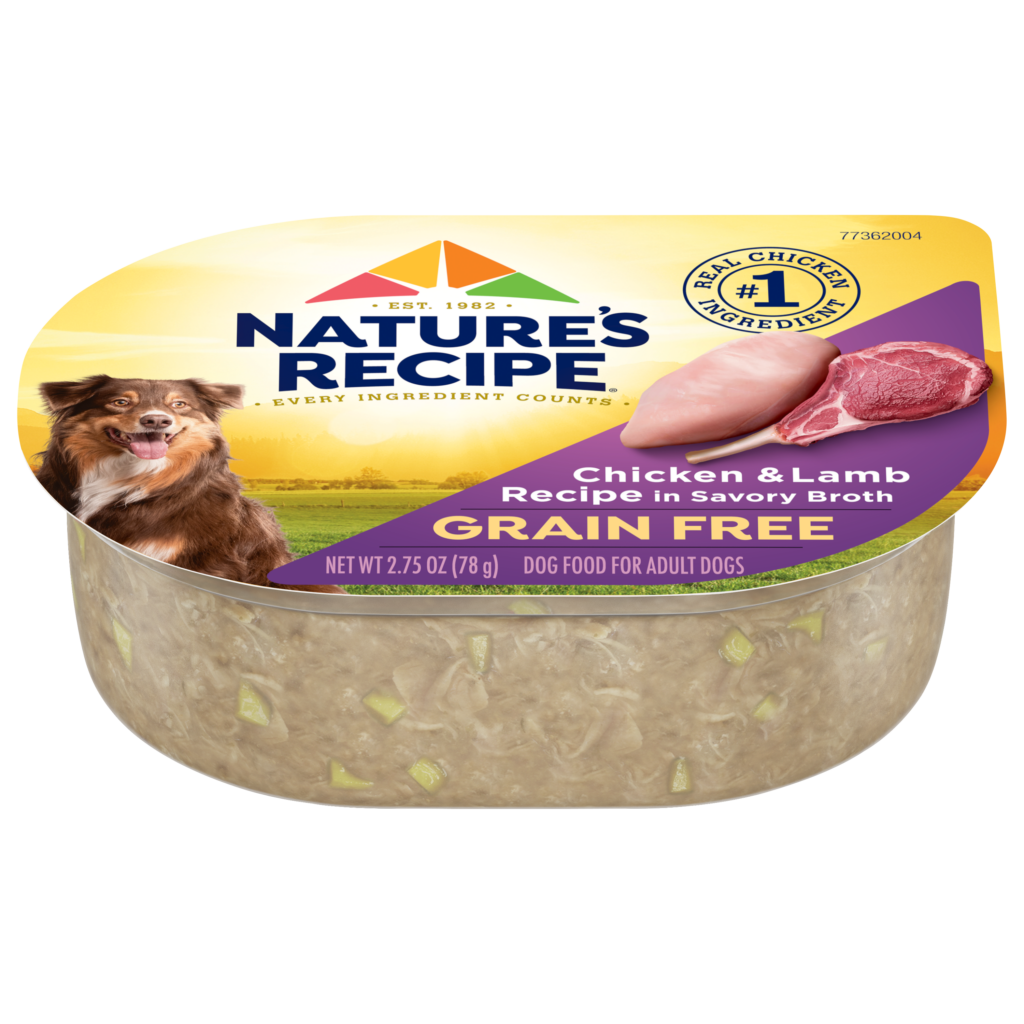
Grain free dog food does not contain wheat, corn, rice, or barley. These foods use other ingredients like vegetables and meats. The idea is to avoid grains that some dogs may not digest well.
Common Ingredients Replaced
Instead of grains, these foods often use potatoes, peas, or lentils. Meat and fish are also common main ingredients. These replacements provide energy and nutrients without grains.
Why Owners Choose Grain Free
Some dogs have allergies or sensitivities to grains. Owners want to prevent skin problems or upset stomachs. Others believe grain free food is more natural for dogs.
Credit: www.naturesrecipe.com
Benefits Of Grain Free Diets
Grain free diets have grown popular among dog owners for many reasons. These diets exclude grains like wheat, corn, and rice. Some dogs digest grain free food better. Others show fewer allergy problems. Grain free diets can also help manage a dog’s weight. Understanding these benefits can guide better food choices for pets.
Improved Digestion
Many dogs find grain free diets easier to digest. Grains can sometimes cause stomach upset or gas. Removing grains may reduce these issues. Dogs with sensitive stomachs often feel better. Their bowel movements become more regular and firm. This diet supports a smoother digestive process overall.
Allergy And Sensitivity Relief
Grains often trigger allergies in dogs. Symptoms include itching, redness, and ear infections. Grain free diets eliminate these common allergens. Dogs with food sensitivities may show less irritation. This diet can reduce skin problems and improve coat health. It offers a natural way to ease allergy symptoms.
Weight Management
Grain free diets can aid in weight control. These foods often contain higher protein and fat. Protein helps dogs feel full longer and build muscle. Lower carbohydrate content means fewer extra calories. This balance supports a healthy weight and energy level. It benefits dogs prone to obesity or inactivity.
Potential Risks And Concerns
Choosing a grain free diet for dogs has gained popularity. Yet, it carries some risks and concerns. Understanding these points helps pet owners make better choices. It is important to weigh benefits against possible problems.
Nutritional Imbalance
Grains provide essential nutrients like fiber and vitamins. Removing grains can lead to missing nutrients in dog food. Some grain free diets rely heavily on other ingredients. This can cause a lack of important minerals and vitamins. Dogs need balanced nutrition for good health. Without it, they may face digestive issues or weak immune systems.
Dilated Cardiomyopathy Link
Studies suggest a possible link between grain free diets and heart disease. The disease is called dilated cardiomyopathy (DCM). DCM weakens the heart muscles, making it harder to pump blood. Some dogs on grain free diets showed signs of this illness. Scientists are still researching the exact cause. Owners should watch for symptoms like coughing or tiredness.
Cost And Availability Issues
Grain free dog food often costs more than regular food. Not all stores carry a wide variety of grain free options. This can make it hard to find the right food for your dog. Higher prices may limit how much you can buy. Budget constraints might affect feeding consistency and dog health.
Credit: vermontmarblemuseum.org
Veterinary Perspectives
Veterinary perspectives on grain free diets for dogs offer important insights. Vets know a lot about dog nutrition. Their advice helps dog owners make smart choices. Grain free diets are not always the best for every dog. Understanding when vets suggest grain free food is key. Also, knowing when to avoid it keeps dogs healthy. Professional guidance ensures the diet fits the dog’s needs.
When Vets Recommend Grain Free
Vets often suggest grain free diets for dogs with allergies. Dogs with grain allergies can get itchy skin or stomach issues. Grain free food can reduce these problems. Some dogs have trouble digesting grains. Vets may recommend grain free to improve digestion. Dogs with certain health conditions might benefit too. Always follow the vet’s advice on diet changes.
Situations To Avoid Grain Free
Grain free diets are not good for all dogs. Dogs without grain allergies usually do not need grain free food. Some grain free foods lack important nutrients. This can lead to heart problems or other health issues. Avoid grain free diets if your dog is healthy and eats well. Sudden diet changes can upset a dog’s stomach. Always watch your dog’s reaction to new food.
Importance Of Professional Guidance
Vets help create balanced diets for dogs. They check if grain free suits your dog’s health. Professional advice prevents nutrition gaps and health risks. Do not choose grain free diets without vet approval. Regular vet visits track your dog’s health on new diets. Experts guide the right food for long-term wellness. Trust vet knowledge for your dog’s diet success.
Alternatives To Grain Free
Choosing the right diet for your dog can feel confusing. Grain free is popular but not always needed. Many dogs do well on other diets that suit their health and taste. Exploring alternatives helps you find the best food for your pet’s needs.
These options often balance nutrition and digestion without cutting out grains completely. Let’s look at some good choices beyond grain free.
Limited Ingredient Diets
Limited ingredient diets use fewer components. This helps dogs with food sensitivities or allergies. They focus on simple recipes with one protein and one carbohydrate source. These diets reduce the chance of reactions and make it easier to identify food triggers.
They often include healthy grains like rice or oats, which provide energy and fiber. Limited ingredient foods support a balanced diet while avoiding unnecessary additives.
Grain Inclusive Healthy Options
Grains like brown rice, barley, and quinoa can be healthy for dogs. They offer fiber, vitamins, and minerals. These grains support digestion and overall health. Many commercial dog foods now include quality grains to boost nutrition.
Choosing grain inclusive options ensures your dog gets a wide range of nutrients. These diets often have balanced protein and fat levels too. Grain is not the enemy; it can be part of a healthy meal plan.
Home Cooked And Raw Diets
Some owners prefer making food at home or feeding raw. Home cooked meals give control over every ingredient. You can tailor meals to your dog’s needs and preferences. Fresh ingredients often mean fewer fillers and additives.
Raw diets focus on uncooked meat, bones, and vegetables. They aim to mimic a dog’s natural eating habits. Both approaches need careful planning to avoid missing key nutrients. Consulting a vet or pet nutritionist is important before starting these diets.
Choosing The Right Diet
Choosing the right diet for your dog is very important. Every dog has unique needs based on age, size, and health. The right food helps your dog stay strong and happy. Some owners wonder if grain free diets are best. It is good to learn how to pick the right food for your pet.
Assessing Your Dog’s Needs
Start by thinking about your dog’s age and activity level. Puppies need different nutrition than older dogs. Active dogs burn more energy and need more calories. Dogs with allergies or health problems may need special diets. Talk to your vet to understand your dog’s specific needs.
Reading Dog Food Labels
Check the ingredients list carefully. The first few ingredients are the most important. Look for real meat or fish as the main ingredient. Avoid foods with too many fillers or artificial additives. Grain free does not always mean better. Some grains are good and provide fiber and nutrients.
Monitoring Your Dog’s Health
Watch your dog closely after changing food. Look for changes in energy, coat, and digestion. If your dog shows signs of discomfort, stop the diet. Regular vet checkups help track your dog’s health. Adjust the diet based on your dog’s reactions and vet advice.

Credit: www.kinship.com
Frequently Asked Questions
What Is A Grain Free Diet For Dogs?
A grain free diet excludes wheat, corn, and rice from dog food. It focuses on protein, vegetables, and fruits. This diet suits dogs with grain allergies or sensitivities. It aims to improve digestion and reduce allergic reactions.
Are Grain Free Diets Safe For All Dogs?
Grain free diets are generally safe but not necessary for all dogs. Consult your vet before switching to avoid nutrient imbalances. Some dogs may benefit if they have allergies, but many thrive on balanced diets containing grains.
Can Grain Free Diets Cause Health Issues In Dogs?
Some studies link grain free diets to heart problems like dilated cardiomyopathy. This risk is rare but worth considering. Always choose vet-approved, balanced grain free formulas to ensure your dog’s health and nutrient needs are met.
Do Grain Free Diets Improve Dog Digestion?
Grain free diets can improve digestion in dogs with grain allergies or sensitivities. Removing grains may reduce stomach upset and itching. However, most dogs digest grains well, so benefits depend on individual health conditions.
Conclusion
Choosing a grain-free diet for your dog depends on many factors. Some dogs may benefit from it, especially those with allergies. Others do well on regular diets with grains. Always watch your dog’s health and energy levels closely. Talk to your vet before making big diet changes.
A balanced diet supports your dog’s overall well-being. Feeding your dog right means happier, healthier days ahead. Remember, every dog is unique and needs care tailored to them.


