
Are you ready to raise a happy, well-behaved Golden Retriever puppy? Training your furry friend the right way from the start can make all the difference.
Imagine a puppy who listens to your commands, feels confident, and brings joy to every moment together. You’ll discover the best training tips that are simple, effective, and perfect for your Golden Retriever puppy. Keep reading, and you’ll learn how to turn those early puppy days into a lifetime of good habits and strong bonds.
Choosing The Right Training Method
Choosing the right training method for your Golden Retriever puppy sets the foundation for good behavior. Each puppy learns differently. Finding a method that suits your dog’s personality makes training easier and more effective. A positive, clear approach helps your puppy understand what you expect. This builds trust and strengthens your bond.
Positive Reinforcement Techniques
Positive reinforcement means rewarding good behavior. Use treats, praise, or play as rewards. This encourages your puppy to repeat the right actions. Avoid punishment or harsh words. These can scare or confuse your puppy. Be quick to reward so your puppy links the reward to the action.
Avoiding Common Mistakes
Do not expect instant results. Puppies need time to learn. Avoid yelling or using force. This can harm your puppy’s trust. Do not change rules often. Consistent rules help your puppy understand limits. Avoid too many commands at once. Teach one thing at a time to prevent confusion.
Consistency And Patience
Training requires patience and regular practice. Set a daily routine for training sessions. Keep sessions short and fun. Repeat commands in the same way each time. This helps your puppy learn faster. Celebrate small successes to stay motivated. Remember, patience leads to lasting good behavior.
Credit: www.rd.com
Essential Commands To Teach Early
Teaching essential commands early helps your Golden Retriever puppy learn good behavior. Basic commands make daily life easier and safer. Start training soon after bringing your puppy home. Short, fun sessions work best for young dogs. Consistency and patience help your puppy understand what you want.
Sit, Stay, And Come
Start with “Sit.” Hold a treat above your puppy’s head. Move it back slowly. Your puppy will sit naturally. Say “Sit” clearly and give the treat. Repeat often to build habit.
“Stay” teaches your puppy to wait calmly. Ask your puppy to sit. Hold your hand out like a stop sign. Say “Stay” firmly. Step back a little. Return quickly and reward your puppy. Increase distance slowly.
“Come” is important for safety. Use a happy voice and say “Come.” Show a treat or toy. When your puppy comes, give praise and reward. Practice in safe, enclosed spaces first.
Leash Training Basics
Introduce the leash early to avoid fear. Let your puppy wear the collar and leash indoors. Use treats to make it positive. Start walking short distances. Keep your puppy close. Stop if your puppy pulls. Reward walking beside you calmly.
Use a gentle tug to guide your puppy back if it pulls. Avoid pulling hard. Be patient; leash training takes time. Make walks fun and calm.
Crate Training Tips
Choose a crate large enough for your puppy to stand and turn. Place soft bedding inside. Make the crate inviting with toys and treats. Encourage your puppy to enter using a treat. Close the door briefly at first. Open it quickly if the puppy seems upset.
Gradually increase crate time. Use the crate for naps and bedtime. Never use the crate for punishment. Crate training provides a safe space and helps with house training.
Socializing Your Puppy
Socializing your Golden Retriever puppy is key to raising a happy and confident dog. It helps them learn how to behave around others. Early socialization shapes their personality and reduces fear or aggression. Start socializing your puppy as soon as possible.
Introducing To Other Dogs
Let your puppy meet friendly dogs in calm settings. Watch their body language closely. Allow brief, positive interactions to build trust. Avoid crowded dog parks at first. Gradually increase time spent with other dogs.
Meeting New People
Expose your puppy to different people often. Include children, adults, and seniors in the meetings. Use treats and praise to create happy associations. Keep meetings short and relaxed. This helps your puppy stay calm and friendly.
Handling Different Environments
Take your puppy to various places like parks, streets, and pet stores. Let them explore new sights and sounds safely. Carry treats to reward calm behavior. This builds confidence and reduces fear of new experiences.
Managing Chewing And Biting
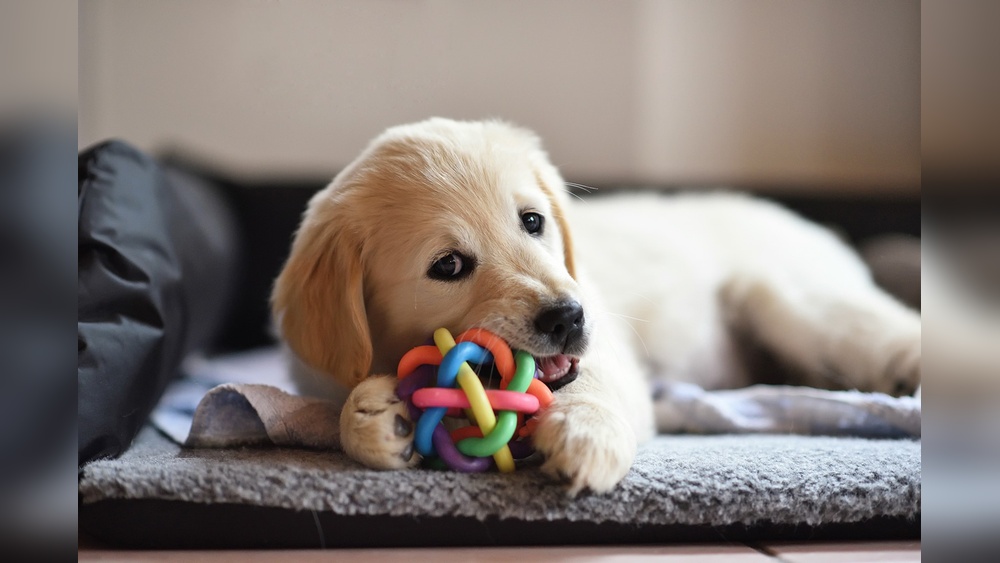
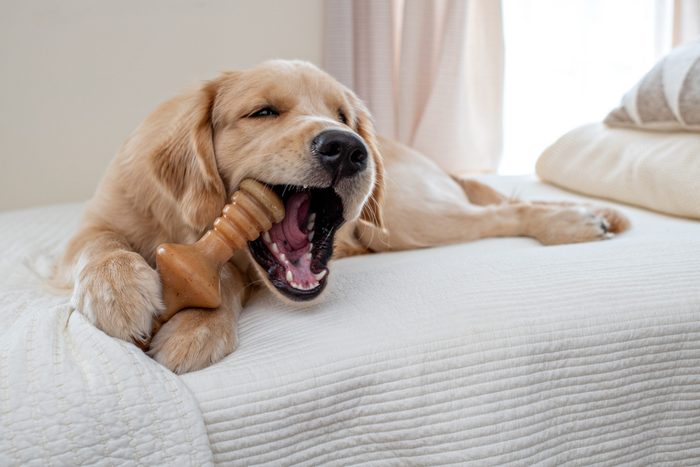
Golden Retriever puppies explore the world with their mouths. Chewing and biting are natural behaviors but can cause problems. Teaching them what to chew and how to control biting is crucial. Early training helps build good habits and protect your belongings.
Providing Appropriate Toys
Give your puppy safe toys made for chewing. Toys help satisfy their need to bite and chew. Choose toys that are strong and non-toxic. Rotate toys to keep your puppy interested. Soft plush toys are good for gentle chewing. Hard rubber toys help with stronger bites.
Redirecting Unwanted Behavior
Stop biting gently but firmly. Use a calm voice to say “No” or “Ouch.” Immediately offer a toy to chew instead. Praise your puppy when they chew the toy. Avoid yelling or hitting, as it scares your puppy. Patience and consistency teach them what is okay to bite.
Teething Phase Guidance
Puppies lose baby teeth and grow adult teeth. This makes their gums sore and itchy. Cold chew toys or frozen washcloths soothe their gums. Avoid hard bones that can hurt their teeth. Check their mouth often for signs of discomfort. Comfort and gentle care help them through teething.
House Training Strategies
House training is the first step to a happy home with your Golden Retriever puppy. It teaches your puppy where to go and when to go. This helps avoid messes and builds good habits early. Patience and consistency are key. Use clear methods to make learning easy for your puppy.
Establishing A Routine
Set regular times for bathroom breaks. Take your puppy out after eating, drinking, and waking up. Consistent timing helps your puppy learn faster. Choose a spot outside and always go there. This creates a clear signal for your puppy to relieve itself.
Recognizing Signs
Watch for signs your puppy needs to go out. Sniffing, circling, or whining are common signals. Acting quickly prevents accidents inside. Pay close attention to your puppy’s behavior, especially during training.
Dealing With Accidents
Accidents happen, so stay calm and patient. Avoid punishment as it can scare your puppy. Clean the area well to remove smells. This stops your puppy from returning to the same spot. Use accidents as a chance to learn and improve your routine.

Credit: www.reddit.com
Boosting Mental Stimulation
Golden Retriever puppies need more than physical exercise. Mental stimulation keeps their minds sharp and happy. It helps prevent boredom and unwanted behaviors. Engaging their brain supports faster learning and better obedience.
Boosting mental stimulation means using fun and challenging activities. These tasks should encourage thinking and problem-solving. A well-stimulated puppy grows into a confident and calm adult dog.
Interactive Games
Interactive games are perfect for mental exercise. Simple hide-and-seek with treats or toys works well. These games teach your puppy to use its nose and mind. They also improve focus and patience.
Try calling your puppy to find a hidden object. Praise and reward when it succeeds. This builds positive associations with learning and discovery. Keep sessions short to maintain interest and fun.
Training Sessions As Play
Training should feel like playtime. Use short, fun sessions to teach commands. Combine treats and praise to motivate your puppy. Change commands often to keep the puppy alert.
Use a cheerful tone and gentle hands. This makes learning enjoyable and stress-free. Playful training helps puppies remember skills better. It also strengthens the bond between you and your dog.
Using Puzzle Toys
Puzzle toys challenge your puppy’s problem-solving skills. These toys hide treats inside compartments or puzzles. Puppies must figure out how to get the reward. This keeps their brain busy and engaged.
Choose puzzles that match your puppy’s age and skill. Start simple and increase difficulty over time. Puzzle toys reduce boredom and support mental growth. Rotate toys to keep your puppy interested.
Exercise Needs For Golden Retrievers
Golden Retriever puppies have a lot of energy. Exercise helps them stay healthy and happy. It also supports their growth and training. Knowing the right exercise amount is key. Too little can cause restlessness. Too much can harm their developing bodies.
Daily Activity Recommendations
Puppies need short, frequent play sessions. Aim for about 5 minutes of exercise per month of age. For example, a 3-month-old puppy needs around 15 minutes of activity. Break this into several small sessions throughout the day. Include gentle walks and light play. Avoid intense running or jumping at this stage.
Safe Outdoor Play
Outdoor play lets puppies explore and learn. Always supervise your puppy outside. Use a secure, fenced area to keep them safe. Check for hazards like sharp objects or toxic plants. Keep playtime fun but watch for signs of tiredness. Use toys that are soft and puppy-friendly. Avoid rough play that might cause injury.
Balancing Rest And Exercise
Rest is as important as exercise for puppies. After activity, puppies need quiet time to recover. Puppies sleep a lot—up to 18 hours daily. Provide a cozy, calm space for naps. Watch your puppy’s energy levels closely. Stop exercise if they seem tired or restless. Balance helps your puppy grow strong and calm.
Handling Training Challenges
Training a Golden Retriever puppy is rewarding but not always easy. Challenges may arise that test your patience and skills. Handling these issues well helps build a strong bond with your puppy. Understanding common training problems can make the process smoother.
Dealing With Distractions
Puppies get easily distracted by sights and sounds. Training in a quiet place first is best. Gradually add distractions as your puppy improves. Use treats and praise to keep their focus. Short, fun sessions work better than long ones.
Addressing Fear And Anxiety
Some puppies feel scared during training. Watch for signs like trembling or hiding. Calm your puppy with gentle words and soft touch. Avoid forcing them into uncomfortable situations. Let your puppy explore new things slowly and safely.
Seeking Professional Help
Sometimes, training challenges need expert advice. Trainers can offer personalized tips and techniques. They observe your puppy’s behavior closely. Professional help saves time and frustration. Choose a trainer who uses kind, positive methods.

Credit: www.reddit.com
Frequently Asked Questions
How Often Should I Train My Golden Retriever Puppy?
Train your puppy daily for 10-15 minutes. Consistency helps build good habits and strengthens your bond. Short sessions keep puppies engaged and prevent frustration.
What Are The Best Commands To Teach First?
Start with basic commands like sit, stay, come, and down. These commands establish control and safety. Use positive reinforcement and treats for effective learning.
How Can I Socialize My Golden Retriever Puppy Properly?
Expose your puppy to new people, places, and animals gradually. Positive experiences help reduce fear and promote confidence. Early socialization improves behavior and adaptability.
When Should I Start Crate Training My Puppy?
Begin crate training as early as 8 weeks old. Crates provide a safe space and aid housebreaking. Introduce the crate gently with treats and praise.
Conclusion
Training Golden Retriever puppies takes patience and love. Start early with simple commands. Keep sessions short and fun for better focus. Praise good behavior to encourage learning. Consistency helps puppies understand what you want. Socialize them with other dogs and people often.
Use gentle corrections to guide them kindly. Remember, every puppy learns at its own pace. Enjoy each small success along the way. Happy training builds a strong, trusting bond. Your puppy will grow into a well-behaved, happy dog.


