

Training your dog to understand the word “No” is one of the most important skills you can teach. It helps keep your dog safe and well-behaved, saving you from frustration and unwanted messes.
But how do you get your furry friend to listen every time you say it? If you’ve ever felt stuck or unsure about the best way to train your dog to stop unwanted behavior, this guide is made just for you.
Keep reading, and you’ll discover simple, effective steps to make your dog respond to “No” quickly and reliably. Your peace of mind—and your dog’s happiness—are just a few tips away.

Credit: www.walmart.com
Choosing The Right Training Method
Choosing the right training method is key to teaching your dog the command “No.” Each dog learns differently, so select a method that fits your dog’s personality and your style. The right approach makes training easier and builds trust between you and your dog. Consistency and patience are also very important.
Positive Reinforcement Techniques
Positive reinforcement means rewarding good behavior. Praise, treats, or toys work well. When your dog stops a bad action after hearing “No,” give a reward. This helps your dog connect the word with stopping the behavior. It encourages your dog to repeat good actions.
Clicker Training Basics
Clicker training uses a small device that makes a clicking sound. The click marks the exact moment your dog does the right thing. After clicking, give a treat or praise. This method helps your dog understand what you want quickly. It is clear and easy for dogs to follow.
Avoiding Punishment-based Methods
Punishment can scare or confuse your dog. It may cause fear or aggression. Avoid yelling, hitting, or harsh corrections. These methods can harm your bond with your dog. Focus on teaching what to do instead of what not to do. Kindness helps dogs learn better and faster.
Credit: www.slideshare.net
Setting Realistic Goals
Setting realistic goals is key to successful dog training. Clear goals keep training focused and avoid frustration. They help both you and your dog stay motivated. Realistic goals match your dog’s abilities and needs. This section breaks down how to set achievable targets for your dog.
Short-term Vs Long-term Objectives
Short-term goals are small steps you can reach quickly. Examples include learning to sit or stay for a few seconds. These build confidence and create a routine.
Long-term objectives take more time and patience. They might include walking calmly on a leash or obeying commands in busy places. Long-term goals need steady effort and practice.
Balancing short-term and long-term goals keeps training fun and productive. Celebrate small wins and keep the bigger picture in mind.
Tailoring Goals To Your Dog’s Breed And Age
Different breeds have different strengths and challenges. Active breeds need goals that include plenty of exercise. Calm breeds may focus more on obedience and social skills.
Your dog’s age also matters. Puppies learn quickly but need short sessions. Older dogs may take longer but can still learn new tricks.
Adjust goals based on your dog’s breed and age. This helps training feel natural and less stressful for your dog.
Establishing A Consistent Routine
Training a dog to respond to “No” is easier with a consistent routine. Dogs learn best when they know what to expect each day. A steady schedule helps your dog understand limits and improves behavior. Consistency builds trust and makes training smoother. Establish a clear routine for training and daily life.
Daily Training Sessions
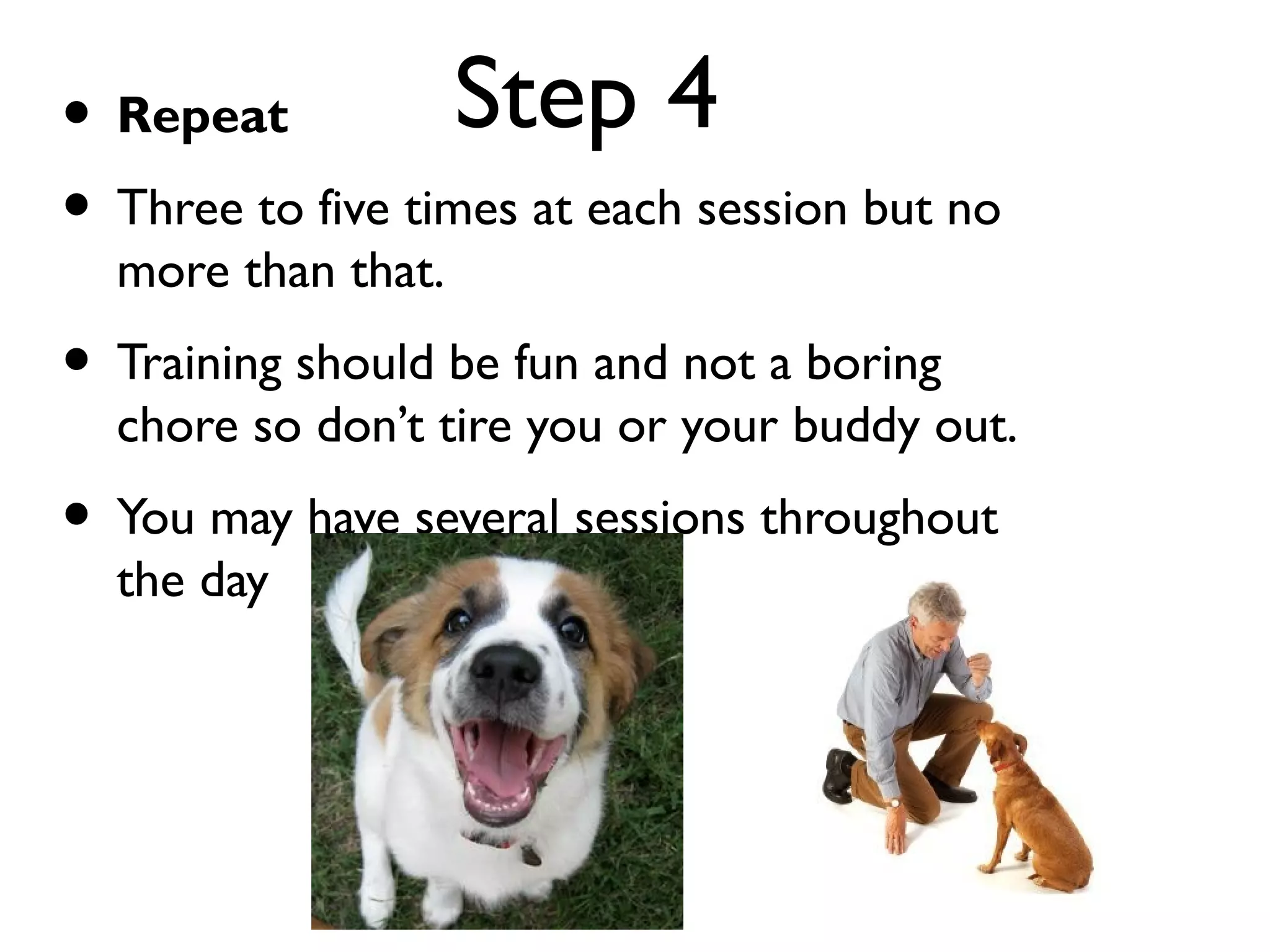
Short, daily training sessions work best for dogs. Aim for 5 to 10 minutes each day. Regular practice helps your dog remember commands. Keep sessions fun and focused to hold your dog’s attention. Use calm, clear signals to say “No” during training. Repeating this daily makes learning faster.
Consistency In Commands And Rewards
Use the same word and tone for the command “No.” Avoid changing your signals or phrases. Consistent commands reduce confusion for your dog. Reward good behavior immediately with treats or praise. Always give the same type of reward to reinforce learning. Consistency in commands and rewards builds strong habits.
Building Strong Communication
Building strong communication is key to training your dog effectively. It creates trust and helps your dog understand what you expect. Clear communication makes training easier and more enjoyable for both of you.
Using Clear Commands
Use simple words for commands like “No,” “Sit,” or “Stay.” Speak in a firm but calm voice. Repeat commands consistently to avoid confusion. Avoid long sentences or complicated phrases. Your dog learns best with short, clear instructions.
Reading Your Dog’s Body Language
Watch your dog’s eyes, ears, and tail for clues. A wagging tail often means happiness. Flattened ears or a tucked tail can show fear. Understanding these signs helps you respond better. It also prevents misunderstandings during training.
Addressing Common Training Challenges
Training a dog can be tough. Many pet owners face common challenges. These challenges can slow progress and cause frustration. Understanding how to address these issues helps improve training success. The key is patience and clear methods. This section covers three common problems and ways to handle them.
Dealing With Distractions
Dogs get distracted easily. Loud noises, other animals, or new places can pull their attention. Start training in a quiet spot. Use treats and praise to keep focus. Gradually add distractions as your dog improves. Short training sessions work best to hold attention. Stay calm and patient during distractions.
Handling Stubborn Behavior
Some dogs refuse to obey commands. Stubbornness can come from fear or stubborn personality. Avoid punishment or harsh words. Use gentle and consistent training methods. Break tasks into small steps. Reward any progress, no matter how small. Keep training fun to motivate your dog.
Overcoming Fear And Anxiety
Fear stops many dogs from learning. Loud sounds or new people can cause anxiety. Create a safe and calm training space. Use soft voices and slow movements. Give treats and praise for brave actions. Avoid forcing the dog into scary situations. Build trust before teaching new commands.
Socialization And Environmental Exposure
Socialization and environmental exposure play a big role in teaching your dog to say no. Dogs learn how to behave by meeting new people, animals, and exploring different places. This helps them feel calm and confident. It also teaches them to listen to your commands even in new situations.
Start socialization early. It helps your dog grow into a friendly and well-behaved pet. Keep experiences positive and safe. This way, your dog will enjoy meeting others and exploring the world.
Introducing New People And Animals
Introduce your dog to new people slowly. Let your dog sniff and see them from a distance first. Watch your dog’s body language for signs of fear or excitement.
Use treats to reward calm behavior. Encourage your dog to stay relaxed around strangers. This builds trust and helps them learn to obey your commands.
Meet other dogs in quiet, controlled places. Keep dogs on a leash at first. Allow gentle greetings and short playtimes. This teaches your dog to behave politely with others.
Safe Exploration Techniques
Take your dog to different places like parks, streets, and pet stores. Walk calmly and keep your dog on a leash. This keeps them safe and secure.
Let your dog explore new smells and sights. Watch for anything that scares them. Use treats and praise to comfort your dog.
Practice saying no firmly but kindly when your dog tries to go somewhere unsafe. This trains your dog to listen and stay close to you in new places.
Tracking Progress And Adjusting Techniques
Tracking progress and adjusting techniques is key to successful dog training. It helps you see what works and what does not. Training is not a one-size-fits-all process. Every dog learns at its own pace. Watching your dog’s behavior closely guides your next steps. Small changes in training methods can make a big difference.
Monitoring Behavioral Changes
Observe your dog every day during training sessions. Note any improvements or setbacks in behavior. Is your dog responding better to commands? Are there fewer instances of unwanted behavior? Keep a simple journal or use an app to track progress. Look for patterns over several days or weeks. This helps identify which techniques are effective. Adjust your approach based on your dog’s reactions. Praise successes and gently correct mistakes. Consistency builds positive habits in your dog.
When To Seek Professional Help
Some problems need expert advice. If your dog shows signs of fear or aggression, consider a trainer. Persistent disobedience despite your efforts is another sign. A professional can offer tailored strategies. They understand dog behavior deeply. Early help prevents issues from getting worse. Choose a certified trainer with good reviews. Acting quickly saves time and stress. Your dog deserves the best support for a happy life.

Credit: www.amazon.com
Maintaining Training Results
Maintaining training results is key to keeping your dog well-behaved. Training is not a one-time event but a continuous process. Without regular practice, dogs may forget what they learned. Consistency helps your dog stay focused and obedient. Here are some tips to keep your dog’s training strong.
Reinforcement Over Time
Keep rewarding good behavior regularly. Use treats, praise, or play as rewards. Short training sessions daily work best. Dogs learn faster with frequent reminders. Vary rewards to keep your dog interested. Reinforce commands in different places and situations. This helps your dog understand rules everywhere.
Preventing Relapse Into Bad Habits
Watch for signs of old habits returning. Interrupt bad behavior calmly but firmly. Replace bad habits with positive actions. Be patient and consistent in correcting mistakes. Avoid harsh punishment; it can cause fear. Keep your dog’s environment stable to reduce stress. Regular exercise and mental stimulation also help prevent bad habits.
Frequently Asked Questions
How To Start Training A Dog To Say No?
Begin by teaching the “no” command with clear, firm tones. Use treats to reward obedience. Consistency and patience are key for effective training.
Why Is Teaching My Dog To Say No Important?
Teaching “no” helps control unwanted behaviors, ensuring safety and better communication. It builds respect and improves your dog’s discipline.
How Long Does It Take For A Dog To Learn No?
Dogs typically learn the “no” command within a few weeks with consistent training. Progress varies by breed and individual temperament.
What Common Mistakes Should I Avoid When Training No?
Avoid yelling, inconsistency, and punishing your dog harshly. Use positive reinforcement and clear commands for best results.
Conclusion
Training a dog takes time and patience. Consistency helps your dog learn faster. Use clear commands and reward good behavior. Keep training sessions short and fun. Stay calm and positive during training. Dogs respond best to kindness and care. Remember, every dog learns at its own pace.
Practice daily to build good habits. Enjoy the journey of teaching your dog. Training strengthens your bond and trust together.


