If you’ve just brought home a Blue Heeler puppy, you’re probably wondering how to raise a well-behaved and happy dog. Training your Blue Heeler from the start is key to avoiding frustration and building a strong bond.
This breed is smart, energetic, and eager to work—but without the right guidance, their energy can quickly turn into mischief. You’ll discover simple, effective tips that make training your Blue Heeler puppy easier and more enjoyable. Keep reading to unlock the secrets that will help your puppy grow into a loyal, obedient companion you’ll be proud of.

Credit: www.reddit.com
Choosing The Right Training Approach
Choosing the right training approach for your Blue Heeler puppy sets the path for success. Each puppy has a unique personality and learns differently. Selecting a method that suits your puppy’s needs helps build trust and encourages good behavior. Training with kindness and clear guidance makes learning enjoyable for both you and your puppy. Start with techniques that focus on rewards and gentle corrections. This creates a positive learning environment and strengthens your bond.
Positive Reinforcement Techniques
Use treats and praise to reward your Blue Heeler’s good behavior. This teaches your puppy what actions you want repeated. Keep rewards small and given immediately after the right behavior. Use a calm voice and petting as rewards too. Avoid punishment, as it can create fear and confusion. Positive reinforcement helps your puppy learn faster and enjoy training sessions.
Consistency And Patience
Be consistent with commands and routines every day. Use the same words and gestures for each command. This helps your Blue Heeler understand what you expect. Be patient, as puppies take time to learn and adapt. Repeat training sessions often but keep them short to hold attention. Patience and steady practice lead to lasting good habits and a happy puppy.
Basic Commands To Teach Early
Teaching basic commands to your Blue Heeler puppy is important for good behavior. Start training early to build a strong bond. These commands help your puppy understand what you expect. Training also keeps your dog safe in many situations. Focus on simple, clear commands your puppy can learn quickly.
Sit And Stay
“Sit” is one of the easiest commands to teach. It helps calm your puppy and gain control. Use a treat to guide your puppy into a sitting position. Say “sit” clearly and reward your puppy immediately. Practice this often to build good habits.
“Stay” teaches your puppy patience and self-control. Start with short stays and increase time slowly. Use a hand signal along with the word “stay.” Praise your puppy when they hold the position. This command is useful in busy or dangerous places.
Come When Called
“Come” is a lifesaving command. It brings your puppy back to you quickly and safely. Use a cheerful tone and call your puppy’s name first. Reward your puppy with treats or play when they come. Practice in a quiet, safe area before trying outside. Make coming to you fun and rewarding.
Heel And Walk Properly
Teaching your Blue Heeler to walk beside you stops pulling and bad habits. Use a short leash and keep treats handy. Say “heel” and encourage your puppy to stay close. Stop walking if your puppy pulls, then start again. Praise your puppy for walking calmly by your side. Regular practice makes walks enjoyable and safe.
House Training Strategies
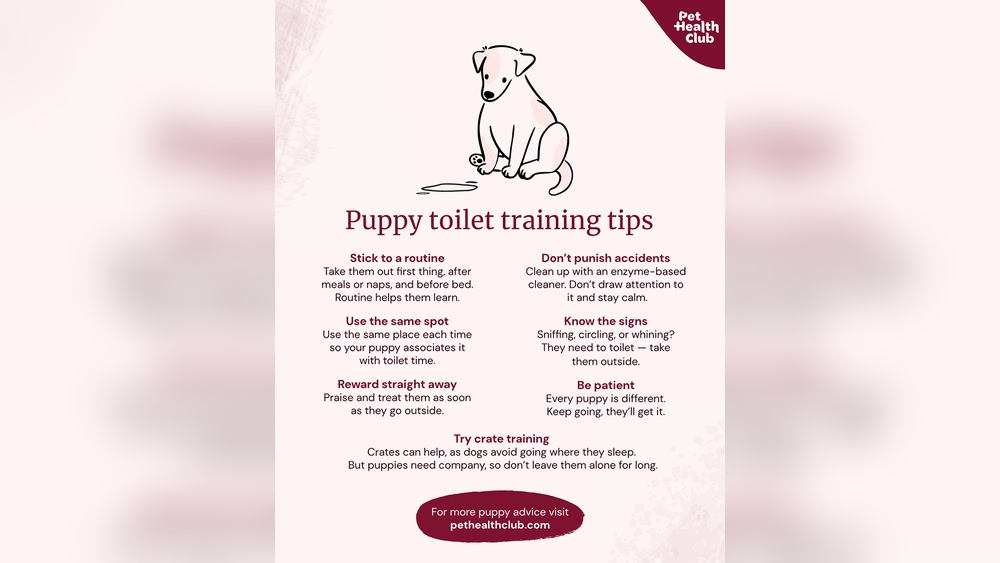
House training a Blue Heeler puppy sets the foundation for good behavior. Consistency and patience are key. Clear strategies help your puppy learn faster. These tips make the process smoother for both of you.
Establishing A Routine
Set specific times for bathroom breaks. Take your puppy outside first thing in the morning. After meals and naps are good times too. A regular schedule helps your puppy understand when to go. Praise your puppy immediately after they go outside. This builds a strong, positive habit.
Crate Training Benefits
A crate offers a safe, cozy space for your puppy. Dogs avoid soiling their sleeping area naturally. Use the crate for short periods at first. Gradually increase the time as your puppy adjusts. Crate training helps prevent accidents inside the house. It also aids in teaching control and patience.

Credit: www.youtube.com
Socializing Your Blue Heeler
Socializing your Blue Heeler puppy is key to raising a happy and confident dog. This breed is smart and loyal but needs early social experiences. Meeting new people and animals helps prevent fear and aggression. It builds trust and good behavior. Start socializing your puppy as soon as possible. Make each experience positive and calm. This section shares tips on socializing your Blue Heeler effectively.
Introducing New People And Pets
Let your puppy meet many different people. Include adults, children, and seniors. Keep meetings short and friendly. Allow your puppy to sniff and explore at their own pace. Watch for signs of stress or fear.
Introduce your puppy to other pets carefully. Use calm dogs or cats for first meetings. Keep all animals on a leash or in a safe space. Reward your puppy with treats and praise. Repeat these sessions often to build comfort.
Exposure To Different Environments
Take your Blue Heeler to various places. Parks, streets, and pet stores are good options. Let your puppy see new sights and hear new sounds. This helps reduce anxiety about unknown places.
Use a leash and stay close to your puppy. Offer treats and encouragement during outings. Keep experiences short and fun to avoid overwhelming your puppy. Gradually increase the time spent outside.
Managing High Energy Levels
Blue Heeler puppies are full of energy. Managing this energy helps them stay happy and healthy. Without enough activity, they can become restless and may act out. Proper training includes ways to control their energy safely and positively. This section covers practical tips to keep your Blue Heeler active and calm.
Daily Exercise Ideas
Exercise is key for a Blue Heeler puppy’s well-being. Start with short walks twice a day. Use a leash to keep control and teach good behavior. Running in a secure yard lets them burn off energy freely. Playing fetch is a fun way to combine exercise and training. Swimming can also be a gentle, tiring activity. Always watch for signs of tiredness to avoid overexertion.
Mental Stimulation Activities
Blue Heelers need mental challenges to stay sharp. Puzzle toys with treats inside keep them busy. Teach simple commands like sit, stay, and come daily. Hide treats around the house for a scent game. Use a clicker to mark good behavior during training. Change activities often to keep their mind active. Mental exercise helps reduce boredom and unwanted behaviors.
Preventing Common Behavioral Issues
Training a Blue Heeler puppy early helps stop common behavior problems. These dogs are smart and active. They need clear rules and consistent guidance. Teaching good habits now saves trouble later. Focus on controlling biting and barking. These issues often bother owners the most. Proper training builds a happy, calm dog.
Nipping And Biting Control
Blue Heeler puppies use their mouths to explore. Nipping feels normal but must be controlled. Teach bite inhibition by stopping play if biting gets hard. Offer chew toys to redirect their chewing urge. Praise gentle play to encourage soft mouths. Avoid rough games that invite biting. Be patient and consistent to reduce biting habits.
Reducing Excessive Barking
Heelers bark to alert and play. Too much barking can annoy neighbors and family. Teach a “quiet” command using calm tones. Reward silence with treats or affection. Avoid yelling, which may increase barking. Exercise your puppy daily to burn off energy. A tired Blue Heeler barks less and stays calm.
Advanced Training Tips
Training a Blue Heeler puppy goes beyond basic commands. Advanced training helps your dog stay sharp and well-behaved. It also builds a stronger bond between you and your puppy. Patience and consistency are key in this stage. Use clear cues and keep sessions short. This keeps your puppy interested and eager to learn.
Teaching Tricks And Commands
Start with simple tricks like “shake” or “spin.” Use treats to reward your puppy immediately. Break down each trick into small steps. Praise your puppy often to encourage progress. Avoid rushing. Let your puppy learn at its own pace. Add new commands slowly to avoid confusion. Practice in different places to help your puppy generalize skills.
Using Clicker Training
Clicker training uses a small device that makes a sound. The click marks the exact moment your puppy does something right. Pair the click with a treat to create a strong connection. This method helps your puppy understand which behaviors you want. It works well for teaching new tricks and commands. Be consistent with the timing of clicks. This clarity speeds up learning and reduces mistakes.

Credit: www.reddit.com
Health And Nutrition For Training Success
Good health and proper nutrition are key to training a Blue Heeler puppy well. A healthy puppy learns faster and stays active during training sessions. Feeding your puppy the right food supports strong muscles, sharp mind, and steady energy.
Balanced nutrition helps your puppy grow properly. It also strengthens the immune system. This means fewer sick days and more time for learning new commands. Healthy puppies enjoy training more and respond better to guidance.
Balanced Diet Importance
A balanced diet provides all the nutrients your Blue Heeler needs. Proteins build muscles. Carbohydrates supply energy. Fats keep the coat shiny and skin healthy. Vitamins and minerals support bones and organs. Give high-quality puppy food with these nutrients.
Feeding the right portions prevents obesity. Overweight puppies tire easily and struggle with training. Fresh water should be available all day. Avoid giving too many treats during training. Use healthy snacks to reward good behavior.
Regular Vet Checkups
Regular vet visits keep your puppy in top shape. The vet checks for parasites, infections, and other health issues. Early detection means quick treatment. Vaccinations protect your puppy from serious diseases.
Discuss your puppy’s diet and growth with the vet. They can suggest changes to improve health and training results. Regular checkups ensure your Blue Heeler puppy stays strong and ready to learn.
Frequently Asked Questions
How Do I Start Training My Blue Heeler Puppy?
Begin training early with basic commands like sit and stay. Use positive reinforcement and consistent routines. Keep sessions short and fun to hold your puppy’s attention. Early socialization with other dogs and people is crucial for good behavior.
What Are Common Challenges In Blue Heeler Puppy Training?
Blue Heelers can be stubborn and high-energy. They require mental stimulation and firm, consistent training. Without enough exercise, they may develop destructive behaviors. Patience and regular training sessions help overcome these challenges effectively.
How Much Exercise Does A Blue Heeler Puppy Need?
Blue Heeler puppies need at least one hour of exercise daily. Include walks, playtime, and mental challenges. This helps manage their energy and supports healthy development. Proper exercise reduces behavioral problems and keeps your puppy happy.
When Should I Socialize My Blue Heeler Puppy?
Start socialization as early as 7 to 8 weeks old. Expose your puppy to various people, animals, and environments safely. Early socialization builds confidence and reduces fear or aggression later in life.
Conclusion
Training a Blue Heeler puppy takes time and patience. Consistency helps your puppy learn faster. Use simple commands and reward good behavior. Short, regular training sessions work best. Remember to be calm and kind. Your puppy will grow into a loyal, well-behaved dog.
Enjoy each moment of this learning journey. Keep practicing, and success will follow.