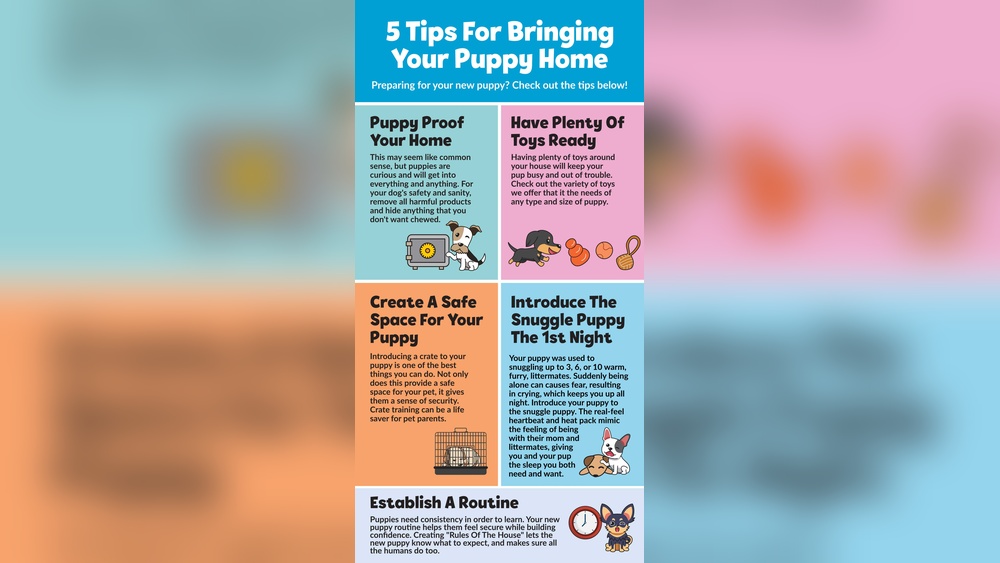
Are you ready to make life with your new puppy easier and more enjoyable? Puppy crate training is one of the best ways to keep your furry friend safe, happy, and well-behaved.
But if you’re feeling overwhelmed or unsure where to start, don’t worry—you’re not alone. You’ll discover simple, effective tips that will help you and your puppy get comfortable with the crate quickly. Keep reading to unlock the secrets to stress-free crate training that benefits both you and your puppy every single day.

Credit: zigzag.dog
Choosing The Right Crate
Choosing the right crate is key for successful puppy training. The crate must feel safe and comfortable. It should fit your puppy well. Too big or too small can cause problems. The crate’s material must be strong and easy to clean.
Consider your puppy’s size and breed. Think about how long you will use the crate. A good choice makes training easier and keeps your puppy happy.
Size And Material
Select a crate that fits your puppy’s size today. Leave some extra space for growth. The puppy should stand, turn, and lie down easily. Too large a crate may cause accidents inside.
Choose materials that suit your puppy’s needs. Plastic crates give a cozy, enclosed space. Metal crates offer good ventilation and visibility. Make sure the material is sturdy and safe.
Types Of Crates
Wire crates are popular for good airflow and visibility. They fold easily for travel or storage. Plastic crates are great for calm, shy puppies. They provide a den-like feel that comforts dogs.
Soft-sided crates are lightweight and good for small puppies. Use them for short times or travel only. Avoid soft crates if your puppy chews a lot. Consider your puppy’s behavior and needs when choosing.

Credit: www.heritagedoodles.com
Preparing The Crate
Preparing the crate is the first step in successful puppy crate training. The crate must feel like a safe, cozy space for your puppy. Proper preparation helps your puppy accept the crate as their own spot. This creates a calm and positive experience for them.
Comfort And Safety
Make the crate soft with a clean blanket or bed. Choose materials that your puppy can easily clean or replace. Avoid anything too thick or heavy. Keep chew toys or a safe chew bone inside. This keeps your puppy entertained and relaxed. Ensure the crate has good ventilation for fresh air. Check for any sharp edges or loose parts that might hurt your puppy. Safety is the top priority in crate preparation.
Placement In The Home
Place the crate in a quiet but not isolated spot. Puppies feel better near family activity but not in loud areas. Avoid spots near heaters or direct sunlight. Find a comfortable place with a stable temperature. The crate should be easy for you to access during the day. This helps you check on your puppy often and build trust. A good location makes the crate a welcoming space.
Introducing Your Puppy
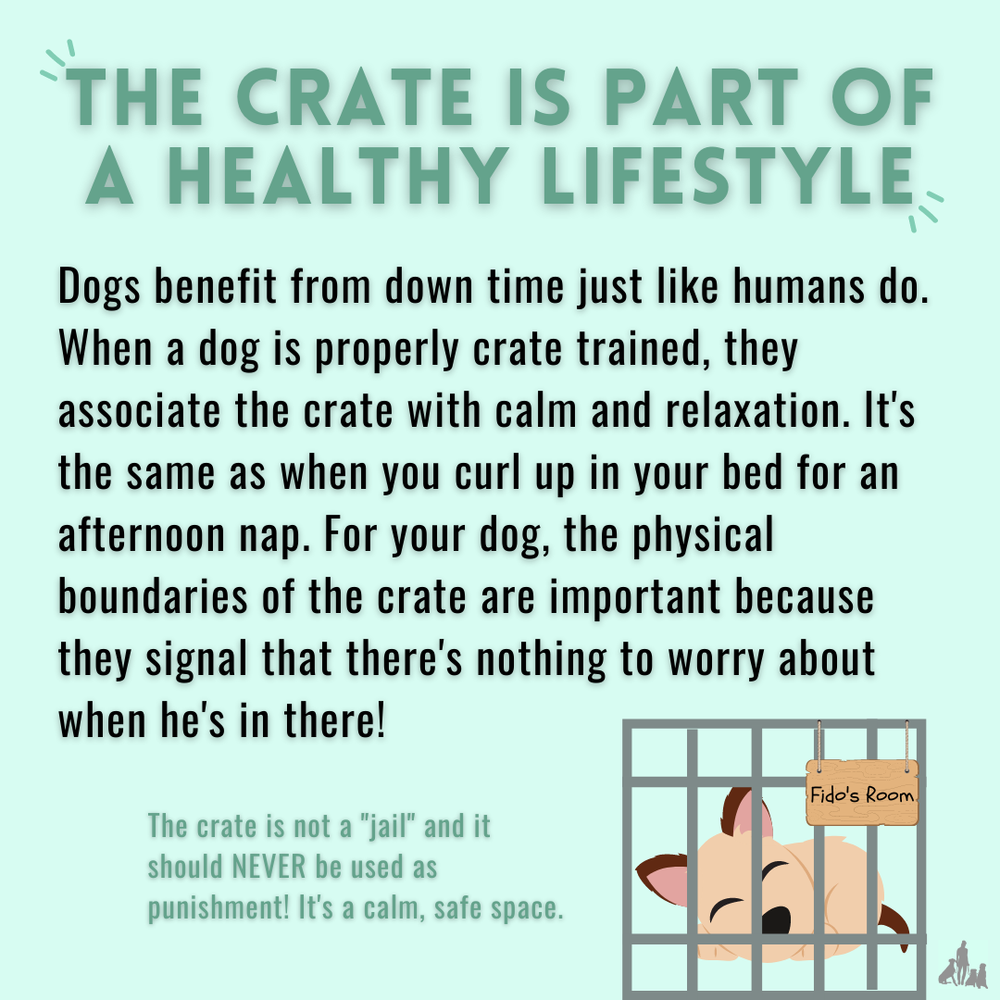
Introducing your puppy to a crate is the first step in crate training. A calm and patient approach helps your puppy feel safe. The crate should be a positive place, not a punishment. This section shares tips to create good feelings about the crate from the start.
Positive Associations
Make the crate inviting with soft bedding and toys. Place treats inside to encourage your puppy to explore. Feed meals in the crate to build happy memories. Use calm, gentle words to reassure your puppy. Praise your puppy when it enters the crate on its own.
Gradual Exposure
Start with short periods inside the crate. Leave the door open at first to avoid fear. Slowly close the door for a few seconds while nearby. Increase time inside step by step each day. Stay close and offer comfort during the process. Keep sessions short to prevent stress.
Credit: www.chaostocalmk9training.com
Establishing A Routine
Establishing a routine is key to successful puppy crate training. Puppies feel safe and calm when their day follows a steady pattern. A clear schedule helps them understand when to eat, play, and rest. This reduces anxiety and makes crate training easier for both of you.
Feeding And Playtime
Set fixed times for feeding your puppy each day. This helps regulate their digestion and bathroom needs. After meals, give your puppy some playtime outside the crate. Play helps burn energy and builds a strong bond. Puppies learn to expect fun after eating, making crate time more welcome later.
Crate Time Scheduling
Plan regular crate sessions throughout the day. Start with short periods and increase gradually. Use the crate for naps and quiet time. A routine crate schedule teaches your puppy that the crate is a safe place. Avoid leaving your puppy in the crate too long. Frequent breaks for bathroom and play keep your puppy happy and healthy.
Handling Resistance
Handling resistance during puppy crate training is normal. Puppies may feel unsure or scared about the crate. Patience and gentle guidance help them adjust. Understanding their feelings and responding calmly makes a big difference. Small steps build trust and comfort over time.
Common Challenges
Puppies often whine, bark, or scratch at the crate door. They may try to escape or avoid entering. Some puppies cry because they feel lonely or anxious. Others refuse to go inside because the crate feels unfamiliar. These behaviors show fear or discomfort. Recognizing these signs is key to helping your puppy.
Calming Techniques
Use soft voices and gentle petting near the crate. Place favorite toys or treats inside to create a positive space. Cover the crate with a light blanket to make it cozy. Keep training sessions short and calm to avoid stress. Sit near the crate and speak softly to reassure your puppy. Slowly increase crate time as your puppy feels safer.
Nighttime Crate Training
Nighttime crate training helps your puppy feel safe and learn good habits. It sets a clear routine for sleep and rest. A calm environment makes your puppy more comfortable in the crate. Consistency at night helps your puppy adjust faster. Patience and care make the process easier for both of you.
Setting Expectations
Start by placing the crate in your bedroom. This keeps your puppy close and less lonely. Use a soft bed or blanket inside the crate. Let your puppy explore the crate during the day. This makes it a familiar place by bedtime. Expect some restlessness at first. Keep your tone calm and gentle. Set a bedtime routine that includes potty breaks before sleep.
Dealing With Whining
Whining is normal during the first nights. Do not open the crate immediately. Wait a few moments to see if your puppy settles. Respond only if the whining continues or is urgent. Comfort with your voice, but avoid picking up the puppy. This teaches your puppy to be calm alone. If needed, offer a quiet toy inside the crate. Stay patient and consistent to reduce whining over time.
Crate Training Safety Tips
Crate training helps puppies learn good habits and feel safe. Safety is very important during training. The crate should be a positive place for your puppy. Follow these safety tips to make crate training comfortable and effective.
Avoiding Overuse
Do not keep your puppy in the crate for too long. Puppies need breaks for exercise, play, and bathroom trips. Long periods in the crate can cause stress and discomfort. Use the crate only for short, supervised times. Balance crate time with plenty of free time outside.
Monitoring Your Puppy
Watch your puppy closely while in the crate. Look for signs of stress or anxiety. Whining, barking, or scratching means your puppy needs attention. Check that the crate is clean and safe. Remove toys or items that could be harmful. Always be nearby to respond quickly if needed.
Frequently Asked Questions
How Long Should A Puppy Stay In A Crate?
Puppies should stay in a crate for short periods, around 1 hour per month of age. Avoid leaving them too long to prevent stress and accidents. Gradually increase crate time as your puppy grows and adapts.
When Is The Best Time To Start Crate Training?
Start crate training as early as 8 weeks old. Early training helps puppies adjust quickly and feel comfortable. Consistency and positive reinforcement during this period make crate training effective and stress-free.
What Are Essential Crate Training Tips For Puppies?
Use treats and toys to create positive crate associations. Keep the crate comfortable and quiet. Establish a routine for crate time, including naps and bedtime. Avoid using the crate as punishment to maintain trust.
How To Stop Puppy Crying In The Crate?
Ignore initial crying to avoid reinforcing it. Provide comfort with a soft blanket and a chew toy. Ensure your puppy’s needs are met before crating, like bathroom breaks and exercise. Gradually increase crate time to build comfort.
Conclusion
Crate training helps puppies feel safe and calm. It teaches them good habits and makes house rules clear. Be patient and consistent with your puppy’s routine. Use positive praise to encourage good behavior. Small steps lead to big progress over time.
A happy, well-trained puppy makes life easier for everyone. Keep training sessions short and fun to hold attention. Trust the process and enjoy your puppy’s growth. This simple method builds a strong bond between you.