Bringing a new puppy home is exciting, but getting your furry friend to sleep peacefully can feel like a challenge. If you’re struggling with restless nights or constant puppy noises, you’re not alone.
Luckily, there are simple, proven tips that can help your puppy settle down quickly and sleep soundly through the night. Keep reading, and you’ll discover easy steps you can start using tonight to create a calm, cozy space for your puppy—and enjoy more restful nights for both of you.
Credit: www.chewy.com
Creating A Sleep-friendly Space
Creating a sleep-friendly space helps your puppy feel safe and calm at night. A cozy and quiet area encourages better rest. Puppies need a special place just for sleeping. This space should be comfortable and peaceful. It should also be easy to keep clean. Setting this up right makes bedtime smoother for both of you.
Choosing The Right Crate
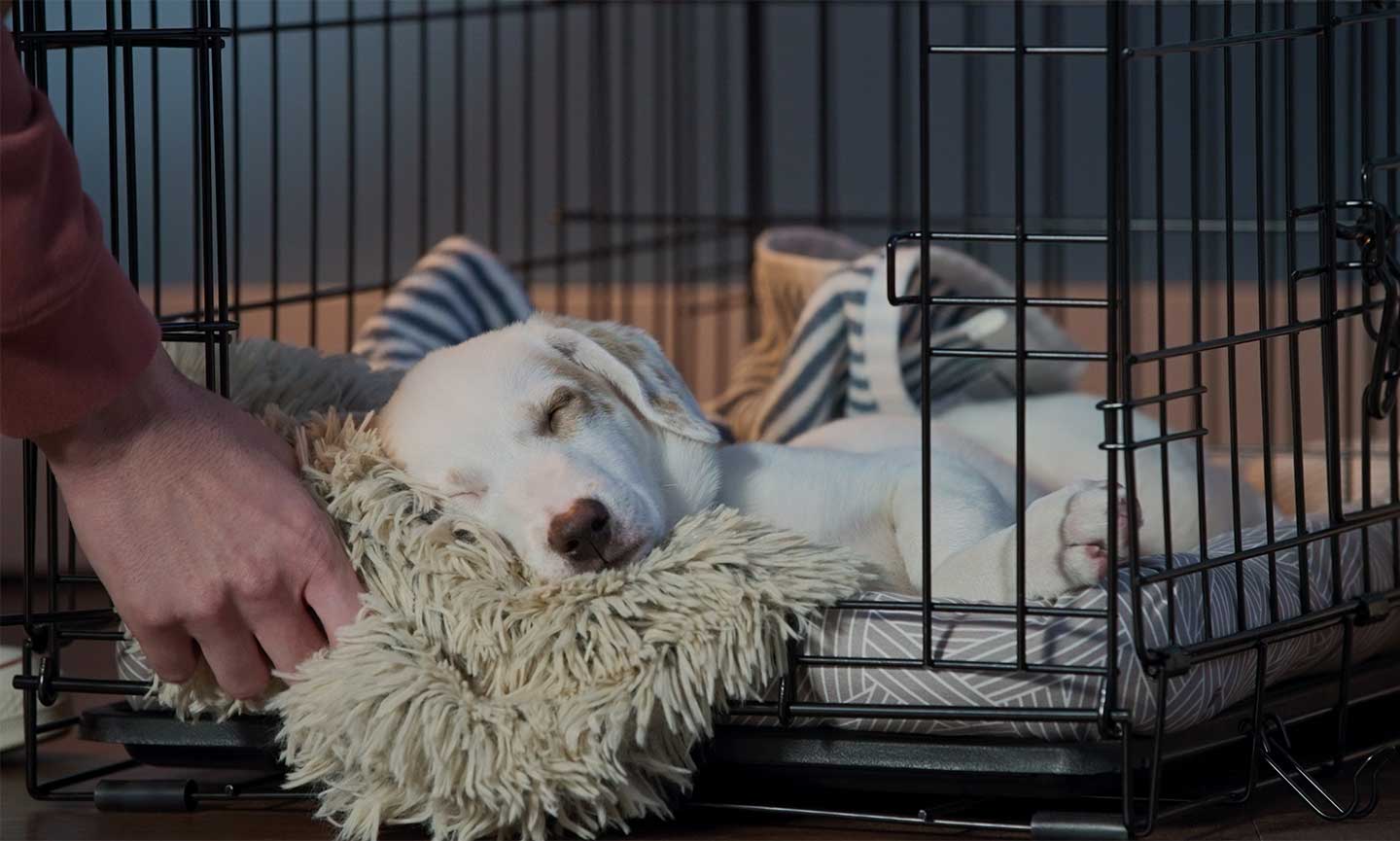
Select a crate that fits your puppy well. It should be big enough to stand and turn around. Avoid crates that are too large. They can feel less secure to your puppy. A crate with good ventilation works best. Look for one with a sturdy door that closes easily. Place the crate in a quiet corner to reduce distractions. This helps your puppy settle down faster.
Comfortable Bedding Options
Soft bedding makes the crate inviting. Use a small blanket or a dog bed made of soft material. Avoid thick or heavy bedding that can cause overheating. Choose washable bedding to keep the crate clean. Replace bedding often to remove odors and dirt. A familiar blanket with your scent can calm your puppy. This adds a touch of comfort and security.
Maintaining A Quiet Environment
Keep the sleeping area quiet and calm. Loud noises can wake or scare your puppy. Turn off TVs, radios, and other noisy devices. Close doors to block sounds from other rooms. Consider white noise to mask sudden sounds. Avoid bright lights near the crate at night. Darkness helps signal that it is time to sleep.

Credit: www.reddit.com
Establishing A Bedtime Routine
Establishing a bedtime routine helps your puppy feel safe and ready to sleep. It creates a clear signal that it is time to rest. A routine brings comfort and reduces anxiety for your puppy.
Consistency is key. Doing the same activities before bed trains your puppy’s mind to wind down. This leads to better sleep and fewer nighttime wake-ups.
Consistent Sleep Schedule
Set a regular bedtime for your puppy every night. Puppies thrive on routine. A fixed sleep time helps regulate their body clock. Try to keep this schedule even on weekends. This habit makes falling asleep easier for your puppy.
Pre-sleep Playtime
Give your puppy some playtime before bed. Short, gentle play helps use up extra energy. Avoid rough or high-energy games. Calm play helps your puppy feel tired but not stressed. This makes the transition to sleep smoother.
Calming Activities Before Bed
Include quiet activities before sleep. Gentle petting or soft talking helps your puppy relax. A short walk can also calm their mind. Avoid loud noises or sudden movements at this time. These calming actions help your puppy settle down for the night.
Managing Puppy Energy Levels
Managing your puppy’s energy is key to helping them sleep well. Puppies have lots of energy. Without proper outlets, they stay restless and struggle to settle down at night. Balancing physical activity and mental engagement helps tire your puppy in a healthy way.
Daily Exercise Needs
Puppies need regular exercise every day. Short walks suit young puppies best. Running and playing outside helps burn their energy. Active play like fetch or tug-of-war can be great. Avoid too much exercise, which can harm growing joints. Exercise times should match your puppy’s age and breed. A tired puppy will rest more easily at bedtime.
Mental Stimulation Techniques
Puppies also need mental challenges to stay calm. Puzzle toys keep their minds busy. Training sessions teach commands and tricks. These activities use mental energy and promote good behavior. Chew toys help relieve stress and boredom. Give your puppy a task to focus on before sleep. A mentally tired puppy is more likely to fall asleep quickly.
Soothing Techniques For Nighttime
Helping a puppy sleep well at night can be challenging. Nighttime can feel long and restless for both the puppy and the owner. Using soothing techniques creates a calm space for your puppy. These methods help your puppy feel safe and relaxed.
Using White Noise Or Soft Music
White noise or soft music can block sudden sounds. This keeps your puppy from waking up scared. A steady sound calms the puppy’s mind. Choose gentle tunes or nature sounds. Keep the volume low and consistent. This background noise helps puppies fall asleep faster.
Aromatherapy And Comfort Items
Some scents calm puppies and ease anxiety. Lavender or chamomile oils are safe choices. Use a diffuser in the puppy’s room. Keep the scent light and not too strong. Comfort items like soft blankets or favorite toys help too. These familiar things make the space feel safe. Puppies sleep better with these gentle comforts nearby.
Handling Night Wakings
Night wakings are common with new puppies. They may wake up confused or need something. Handling these moments calmly helps your puppy feel safe and sleep better. Your reaction teaches your puppy how to behave during the night.
Responding Calmly To Whining
Whining is your puppy’s way to say they need help. Stay calm and quiet. Avoid loud voices or bright lights. Speaking softly reassures your puppy without waking them too much. Giving attention too quickly may make whining a habit. Wait a moment before responding. This teaches patience and quietness.
Potty Break Strategies
Puppies need potty breaks at night. Take them outside gently and quietly. Use the same route and spot each time. Keep lights low and avoid playing. After your puppy goes potty, return calmly to bed. This routine shows your puppy what to expect. It helps reduce night waking over time.
Diet And Sleep Quality
The diet of your puppy plays a big role in how well they sleep. What and when they eat affects their energy and rest. A good diet helps puppies fall asleep faster and stay asleep longer. Poor diet choices can cause restlessness or discomfort at night. Understanding how feeding impacts sleep can improve your puppy’s bedtime routine.
Feeding Schedules
Set regular feeding times for your puppy. Feeding at the same hours daily helps their body clock. Avoid feeding right before bedtime. Give the last meal at least two hours before sleep. This prevents discomfort and bathroom needs during the night. Smaller, frequent meals during the day keep energy balanced. A steady schedule supports calmness and better sleep.
Avoiding Sleep-disrupting Foods
Some foods can make your puppy restless or hyperactive. Avoid treats with caffeine or high sugar content. Foods high in fat can cause stomach upset and disrupt sleep. Raw bones or hard chews late at night might cause discomfort. Stick to puppy-safe, easy-to-digest foods in the evening. This helps your puppy relax and settle down quickly.
Training Tips For Independent Sleep
Training a puppy to sleep independently builds good habits early. It helps your puppy feel safe and calm alone. Teaching your puppy to enjoy alone time reduces anxiety at night. Consistency and patience are key to success. Use gentle methods that encourage trust and comfort.
Gradual Crate Training
Start by making the crate a cozy space. Place soft bedding and toys inside. Let your puppy explore the crate freely during the day. Close the door for short times while nearby. Slowly increase the time your puppy spends inside. Always stay calm and speak softly. Avoid forcing your puppy into the crate. This helps your puppy see the crate as a safe place. Nighttime crate use helps puppies learn to sleep alone.
Positive Reinforcement Methods
Reward calm behavior with treats and praise. Give treats when your puppy enters the crate willingly. Use a calm voice to encourage quiet rest. Avoid punishing whining or barking at night. Instead, wait for silence before rewarding. Positive rewards build good habits faster. Consistent praise helps your puppy associate sleep time with good feelings. This method reduces stress and builds confidence.

Credit: www.youtube.com
Frequently Asked Questions
How Can I Create A Bedtime Routine For My Puppy?
Establish a consistent bedtime routine by feeding, walking, and calming your puppy at the same time daily. This helps signal sleep time and builds comfort.
What Environment Helps Puppies Sleep Better At Night?
Create a quiet, dim, and cozy sleeping area with soft bedding. Avoid loud noises and bright lights to promote restful sleep.
Why Does My Puppy Cry At Night And How To Stop It?
Puppies cry due to loneliness or discomfort. Comfort them with gentle petting, a warm blanket, or a safe chew toy to ease anxiety.
How Long Should Puppies Sleep Each Day?
Puppies need 18 to 20 hours of sleep daily for healthy growth. Ensure they get enough rest by providing a calm environment.
Conclusion
Helping your puppy sleep well takes patience and care. Create a calm space for rest. Stick to a bedtime routine every night. Quiet moments before sleep help your puppy relax. Avoid loud noises and bright lights near bedtime. Remember, small steps lead to better sleep habits.
With time, your puppy will settle down easily. Enjoy peaceful nights with your new friend. Keep these tips in mind for happy, restful puppy sleep.