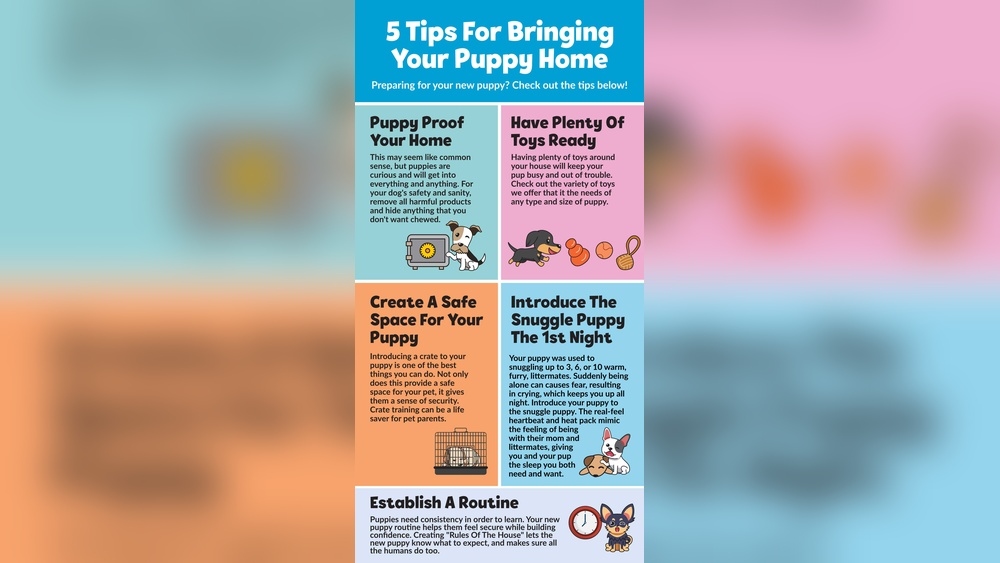
Bringing a new puppy into your home is exciting, but it can also feel overwhelming. You want to make sure your furry friend feels safe, happy, and loved from day one.
The good news? With the right tips, you can set your puppy up for success and enjoy every moment together. Ready to learn the simple steps that will make your life easier and your puppy’s world better? Keep reading—your new best friend will thank you.
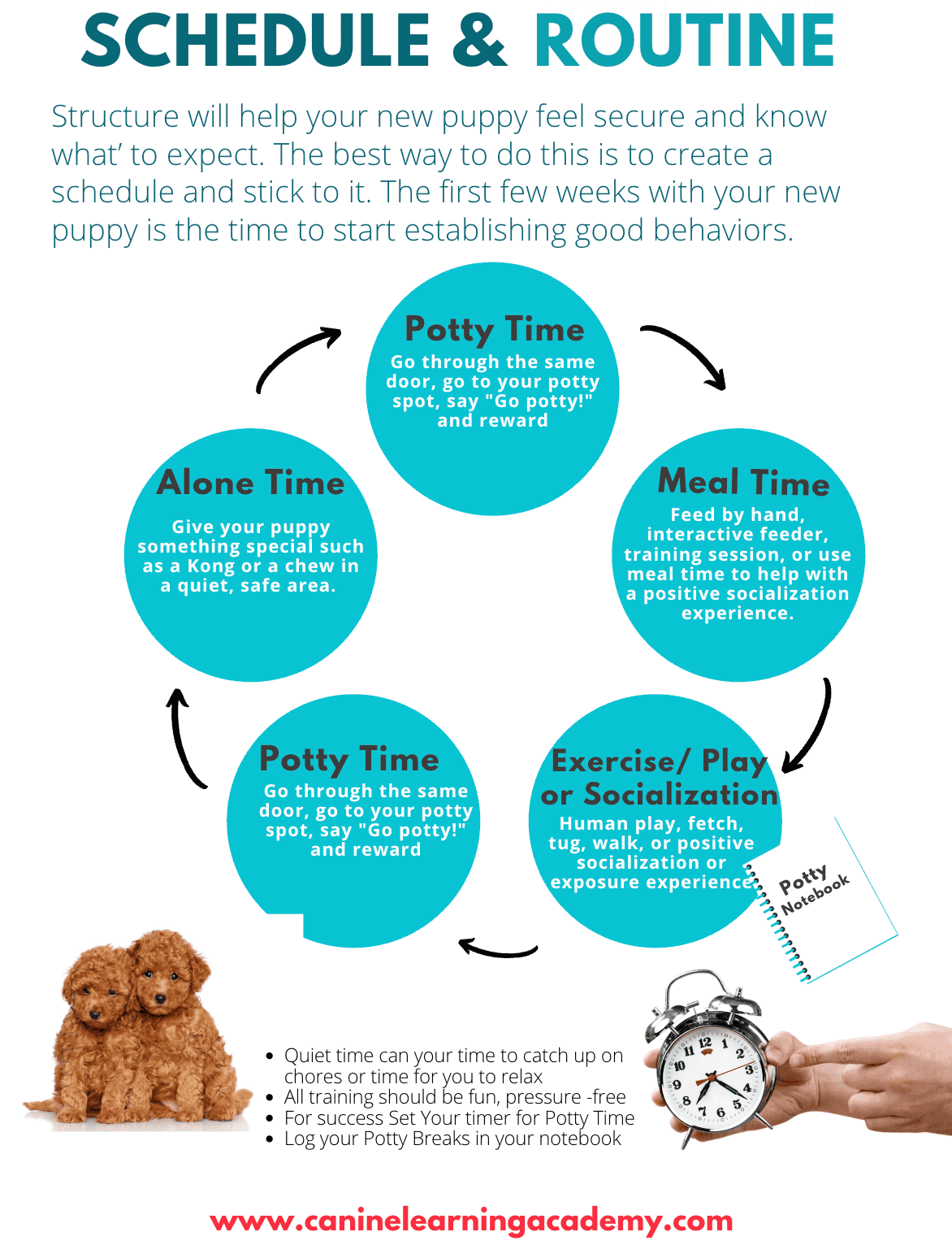
Credit: caninelearningacademy.com
Choosing The Right Puppy
Choosing the right puppy is an important first step for new dog owners. The right choice can lead to many happy years together. Consider your daily routine and home environment. Think about the size, energy level, and care needs of different breeds. This helps find a puppy that fits well with your life.
Selecting A Breed That Fits Your Lifestyle
Each dog breed has unique traits and needs. Some breeds need lots of exercise and space. Others are calm and good for small apartments. Think about your activity level. Consider how much time you can spend with your puppy. Match these with the breed’s personality and care demands. This makes sure your puppy feels happy and healthy.
Where To Find Healthy Puppies
Healthy puppies come from trusted sources. Avoid buying from places that seem careless or overcrowded. Check local shelters and rescue groups. They often have puppies looking for homes. Breeders should provide health records and allow visits. This helps you see the puppy’s living conditions. Choose a source that cares about puppy health and wellbeing.
Preparing Your Home
Before bringing a puppy home, prepare your space. Remove anything dangerous or breakable. Set up a cozy area for the puppy to sleep. Buy basic supplies like food, bowls, and toys. Puppy-proof your home to avoid accidents. This helps your new pet feel safe and comfortable right away.
First Days At Home
Bringing a new puppy home is exciting and a little scary. The first days are very important. They help your puppy feel safe and loved. A smooth start builds trust and good habits. Follow these tips to make the first days happy and calm for your new friend.
Introducing Your Puppy To The Family
Let your puppy meet each family member one by one. Keep the first meetings calm and quiet. Speak softly and offer gentle pets. Watch your puppy’s reactions. Give space if your puppy seems scared. Teach kids to be gentle and patient. This helps your puppy feel safe and loved.
Setting Up A Comfortable Space
Choose a quiet corner for your puppy’s bed. Use a soft blanket or bed that smells like home. Keep food and water nearby but not too close to the bed. Add a few safe toys for comfort. This space becomes your puppy’s safe zone. Visit the area often but do not overwhelm your puppy.
Establishing A Routine
Start feeding your puppy at the same times each day. Take regular bathroom breaks outside. Short walks and play sessions help burn energy. Puppies learn best with routine and consistency. A schedule reduces stress and builds good habits. Keep routines simple and clear for your puppy.
Basic Training Techniques
Training a new puppy builds a strong bond and good behavior. Basic training helps your puppy learn rules and feel safe. Start with simple steps and keep sessions short. Consistency and patience are the keys. Use positive rewards like treats and praise. Focus on three main areas: housebreaking, simple commands, and leash training. These skills make life easier for both of you.
Housebreaking Tips
Pick a regular spot outside for your puppy to go potty. Take your puppy there after meals and naps. Praise and reward right after they finish. Watch for signs like sniffing or circling. Clean accidents inside with an enzyme cleaner to remove smells. Keep a schedule to prevent accidents. Be patient; puppies learn at their own pace.
Teaching Simple Commands
Start with easy words like “sit,” “stay,” and “come.” Use clear, short commands with a calm voice. Show the puppy what to do by guiding gently. Reward immediately when the puppy follows the command. Practice in quiet places first. Repeat often but keep sessions brief. Avoid punishments; positive feedback works best.
Leash Training Essentials
Introduce the leash indoors before going outside. Let your puppy wear it to get used to the feel. Hold the leash loosely and walk slowly. Stop if the puppy pulls and wait for calm behavior. Reward your puppy for walking beside you. Short walks help build confidence. Be patient and keep training fun.
Socializing Your Puppy
Socializing your puppy is a key part of their growth. It helps them learn good behavior and feel safe around others. Early social experiences shape a puppy’s future personality. Proper socialization leads to a happy, confident dog.
Meeting Other Dogs And People
Introduce your puppy to many dogs and people. Start with calm and friendly dogs. Let your puppy sniff and play gently. Meeting different people teaches your puppy to trust. Include children, men, and women in the introductions.
Handling New Environments
Take your puppy to various places. Parks, streets, and pet-friendly stores work well. New sights and sounds build your puppy’s confidence. Keep visits short at first. Gradually increase time in new environments.
Preventing Fear And Aggression
Watch your puppy’s reactions closely. Stop any scary or overwhelming situations. Use calm tones and gentle petting to soothe them. Reward brave behavior with treats and praise. Avoid punishment; it can cause fear or aggression.
Health And Nutrition
Keeping your new puppy healthy is very important. Good health starts with proper care and nutrition. This section covers simple steps to help your puppy grow strong and happy. Follow these tips to give your puppy the best start in life.
Choosing The Right Food
Puppies need special food made just for their growth. Pick food labeled for puppies, not adult dogs. It has the right vitamins and minerals. Avoid giving table scraps or human food. These can upset their stomach or cause illness. Fresh water should be available all the time. Change food gradually to avoid tummy troubles.
Vaccination And Vet Visits
Vaccines protect your puppy from serious diseases. Follow the vaccination schedule given by your vet. Regular check-ups catch health problems early. Your vet also gives advice on diet and care. Keep a record of all vet visits and shots. Immediate vet care is needed if your puppy shows signs of sickness.
Exercise And Mental Stimulation
Puppies need daily exercise to stay fit and happy. Short walks and playtime help their muscles grow. Mental games keep their mind sharp and reduce boredom. Toys, puzzles, and training sessions work well. Exercise also helps with good behavior. Always watch your puppy during play to keep them safe.

Credit: www.companionanimalpsychology.com
Common Challenges And Solutions
Bringing home a new puppy is exciting but comes with some challenges. Puppies need time to learn good behavior. Understanding common problems helps you handle them well. This section covers key issues and easy solutions to keep your puppy happy and healthy.
Biting And Chewing
Puppies explore the world with their mouths. They bite and chew to relieve teething pain. Teach them what is okay to chew. Offer chew toys and praise them for using these. Stop biting by gently saying “no” and redirecting to a toy. Avoid rough play that encourages biting. Consistency helps puppies learn quickly.
Excessive Barking
Puppies bark to express needs or alert you. Too much barking can be tiring. Find the cause: hunger, boredom, or fear. Give plenty of playtime and exercise to reduce barking. Teach a quiet command and reward silence. Ignore barking that seeks attention. Calm environments help lower noise.
Separation Anxiety
Puppies may feel scared when left alone. Signs include whining, barking, or chewing furniture. Start with short separations and increase time slowly. Leave a comforting item like a blanket or toy. Create a safe space with their bed. Stay calm when leaving and returning. This builds confidence and trust.
Building A Strong Bond
Building a strong bond with your new puppy is the foundation for a happy relationship. This connection helps your puppy feel safe and loved. It also makes training easier and more effective. Spend time each day focusing on trust and understanding. Your puppy will grow confident and loyal.
Positive Reinforcement
Use treats and praise to reward good behavior. This method teaches your puppy what you want. Puppies respond well to kindness and encouragement. Avoid punishment, which can cause fear and confusion. Celebrate small successes to build your puppy’s confidence.
Consistent Communication
Speak clearly and use simple commands. Repeat the same words for each action. Consistency helps your puppy learn faster. Use the same tone and gestures every time. This clarity reduces misunderstandings and builds trust.
Quality Playtime
Play games that your puppy enjoys. Playtime strengthens your bond and helps your puppy burn energy. Use toys that encourage interaction and fun. Short, frequent play sessions work best. This time builds joy and deepens your connection.

Credit: www.preventivevet.com
Frequently Asked Questions
How Do I Prepare My Home For A New Puppy?
Start by puppy-proofing your space. Remove hazards like wires and toxic plants. Set up a cozy bed and designated potty area. Gather essential supplies like food, toys, and grooming tools before your puppy arrives.
What Is The Best Way To Socialize A New Puppy?
Introduce your puppy to people, pets, and environments gradually. Use positive reinforcement and treats. Early socialization builds confidence and reduces fear. Avoid overwhelming situations to ensure a positive experience.
How Often Should I Feed My New Puppy?
Feed your puppy three to four times daily. Use high-quality puppy food recommended by your vet. Adjust portions based on age and breed size. Consistent feeding times help regulate digestion and training.
When Should I Start Training My New Puppy?
Begin training as soon as your puppy arrives home. Focus on basic commands like sit and stay. Use positive reinforcement and short sessions. Early training establishes good behavior and strengthens your bond.
Conclusion
Welcoming a new puppy brings joy and new challenges. Patience and consistency help build trust and good habits. Small steps daily make training easier and fun. Remember, your puppy learns best with love and care. Enjoy every moment and watch your bond grow strong.
Taking time now saves trouble later. A happy puppy means a happy home. Keep these tips close for a smooth journey ahead.