Is your puppy’s biting driving you crazy? You’re not alone.
Puppies explore the world with their mouths, but those sharp little teeth can hurt—and fast. If you want to enjoy playtime without the pain, it’s essential to act now. You’ll discover simple, effective tips to stop your puppy from biting.
These easy steps will help you build a happier, calmer bond with your furry friend. Ready to turn biting into bonding? Let’s dive in.
Why Puppies Bite
Puppies bite for many reasons. Understanding why helps you guide them better. Biting is a normal part of a puppy’s growth. It is how they learn about the world. Knowing the cause can make training easier. Let’s explore the main reasons puppies bite.
Teething And Exploration
Puppies bite because they are teething. Their baby teeth fall out, and new teeth grow in. This process can cause pain and discomfort. Biting helps relieve that pain. Puppies also use their mouths to explore new things. They learn about texture and taste this way. Biting is a natural way to discover their environment.
Play Behavior
Play is very important for puppies. Biting is part of their play routine. It helps them practice hunting skills. Puppies bite their littermates during play to set limits. They learn how hard they can bite without hurting others. Play biting is a way to socialize and bond. It also helps them burn off energy.
Attention Seeking
Puppies bite to get your attention. They want to interact with you. Sometimes biting is a way to say, “Look at me!” If you react, they learn biting works to get attention. Even negative attention is better than none. Teaching gentle ways to get your attention is key. This stops biting while keeping the bond strong.
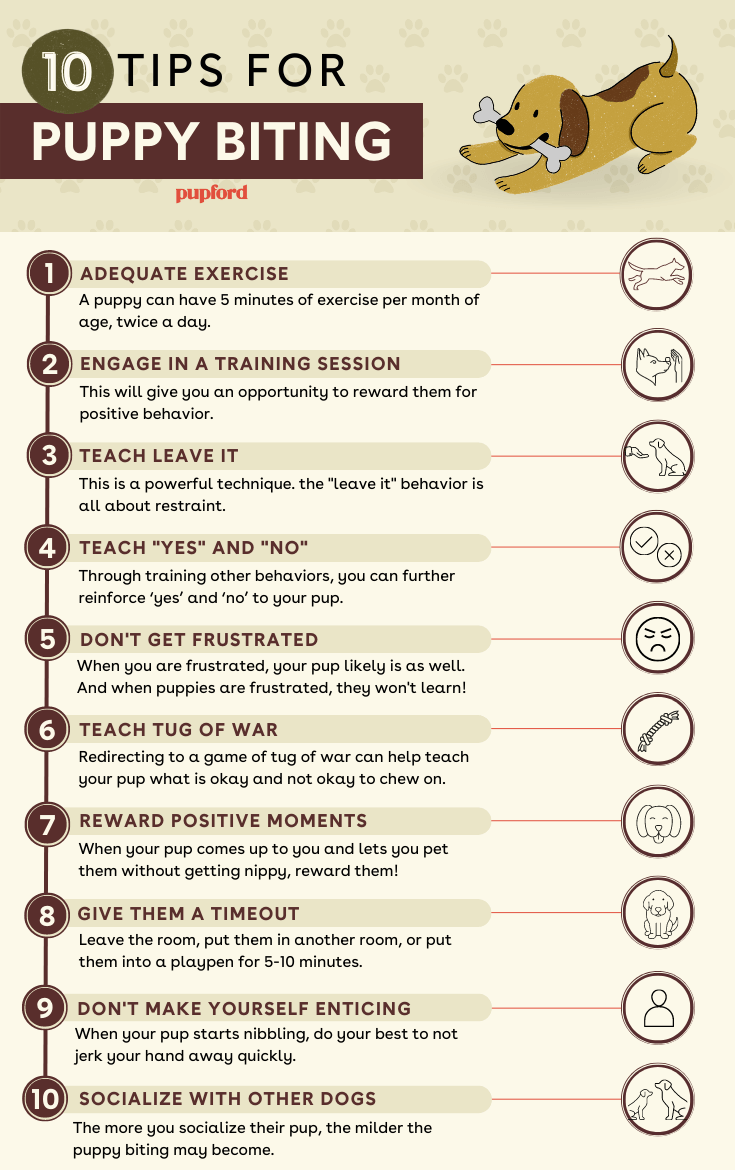
Credit: pupford.com
Setting Boundaries Early
Setting boundaries early helps puppies learn what is okay and what is not. Puppies explore the world with their mouths. Teaching them limits stops biting before it becomes a habit. Clear rules guide your puppy’s behavior and keep everyone safe. Start this training as soon as you bring your puppy home. Consistency and patience make a big difference.
Consistent Rules
Use the same rules every day. Everyone in the family should follow these rules. Do not let the puppy bite during play or when excited. Say “no” firmly but gently when biting happens. Stop playtime right away to show biting is not allowed. Consistent rules help the puppy understand limits fast.
Safe Chew Toys
Give your puppy toys to chew on. Choose safe, durable toys made for puppies. Chew toys keep their teeth busy and reduce biting on hands. Replace toys if they get damaged or unsafe. Encourage your puppy to chew only on these toys. It helps teach what is okay to bite.
Positive Reinforcement
Praise your puppy when it plays gently. Use treats or kind words to reward good behavior. Ignore or stop play when the puppy bites hard. Positive reinforcement teaches puppies what you want them to do. It makes learning fun and fast for your puppy.
Redirecting Biting Behavior
Redirecting biting behavior helps your puppy learn what is okay to chew and bite. Puppies explore the world with their mouths. Biting is natural but can become a problem. Teaching them to bite toys instead of skin or clothes keeps play safe and fun. Redirection takes patience and consistency. Use clear cues and rewards to guide your puppy’s actions. This approach makes learning easier and less stressful for both of you.
Using Toys For Distraction
Toys are great tools to stop biting. Offer a chew toy when your puppy tries to bite your hands. This shifts their focus from your skin to the toy. Choose toys that are soft but durable. Squeaky or textured toys can hold their attention. Keep several toys handy during playtime. Replace your hand with a toy every time your puppy bites. This helps them understand what is okay to chew.
Encouraging Gentle Play
Teach your puppy to play softly. Use calm voices and slow movements. If your puppy bites hard, stop playing immediately. This shows that biting ends the fun. Praise gentle play with treats or kind words. Rewarding soft mouths encourages good behavior. Practice short play sessions with breaks to keep control. Over time, your puppy will learn to use gentle paws and mouths during play.
Credit: www.youtube.com
Teaching Bite Inhibition
Teaching bite inhibition helps puppies learn how to control the force of their bites. It stops biting from becoming painful or harmful. Puppies naturally bite during play, but they must learn limits early. This skill makes interactions safer for everyone.
Using Timeouts
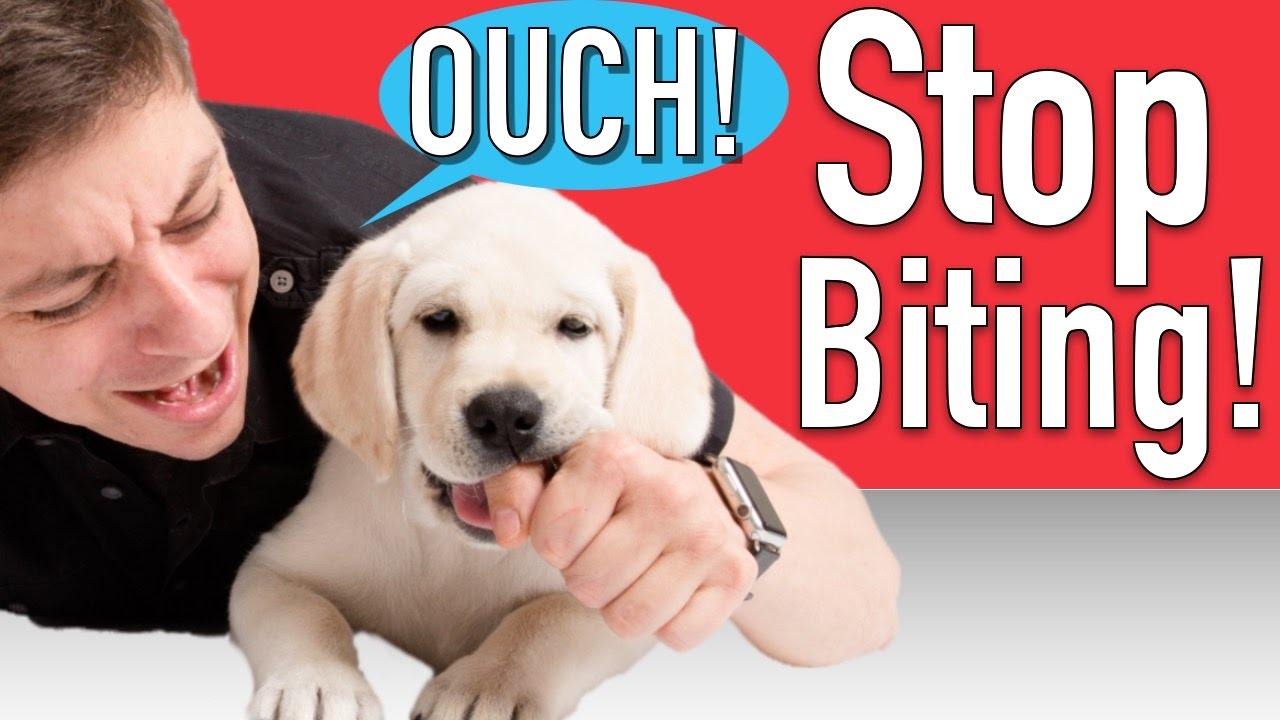
When a puppy bites too hard, give a clear signal like a sharp “ouch.” Then, stop playing and walk away. This timeout shows biting ends fun. Repeat this each time the puppy bites hard. It teaches bite control through consequences.
Reacting To Nips
Respond calmly to gentle nips. Avoid yelling or harsh punishments. Use a firm but soft voice to say “no bite.” Redirect the puppy to chew toys. This helps them understand gentle play is okay, but biting skin is not.
Rewarding Soft Mouths
Praise your puppy when they use a soft mouth. Give treats or pet them gently after gentle play. Positive feedback encourages good behavior. Rewarding soft bites helps puppies learn what is acceptable and builds trust.
Socializing Your Puppy
Socializing your puppy helps them learn how to behave around others. It reduces fear and biting by building confidence. Early social experiences shape a puppy’s attitude and actions.
Regular socializing teaches puppies what is normal and safe. It helps them control their biting instincts. Socializing also builds trust and calmness in new situations.
Puppy Playdates
Arrange playdates with other puppies or gentle dogs. Playdates give your puppy a chance to practice good behavior. They learn bite control by playing with friends.
Supervise the play to stop rough biting early. Praise your puppy when they play nicely. Playdates also help your puppy get used to different play styles.
Exposure To New People
Introduce your puppy to many people of all ages. Let your puppy meet children, adults, and seniors calmly. Each new person helps your puppy feel less afraid.
Ask visitors to be gentle and quiet around your puppy. Encourage soft petting and calm voices. Positive meetings reduce the chance your puppy will bite out of fear.
Controlled Social Environments
Take your puppy to safe places with other dogs and people. Controlled environments like training classes help manage excitement. Your puppy learns to follow rules and listen to you.
Keep visits short and positive to avoid stress. Reward calm behavior with treats and praise. These settings build good habits and reduce biting over time.
:strip_icc()/dog-bite-prevention-1117453-FINAL-d2d6e8c12f164292aabbeadc7765deb2.png)
Credit: www.thesprucepets.com
Avoiding Common Mistakes
Training a puppy not to bite takes time and effort. Many dog owners make common mistakes that slow progress. Avoiding these errors helps your puppy learn faster. It also builds a stronger bond between you and your pet.
Avoiding Rough Play
Rough play encourages biting. It teaches the puppy that biting is okay. Avoid games that involve using your hands as toys. Choose soft toys instead. This sets clear rules for your puppy. It learns to play gently without biting.
Ignoring Unwanted Behavior
Ignoring biting makes the puppy think it is fine. Every bite needs a quick and calm response. Say “no” firmly and stop playing for a moment. This shows biting has consequences. The puppy will learn to control its mouth better.
Being Patient And Consistent
Training takes patience. Puppies do not change overnight. Be consistent with your rules every day. Use the same words and actions. This helps your puppy understand what you want. Over time, biting will reduce and stop.
When To Seek Professional Help
Knowing when to seek professional help is important for managing puppy biting. Some biting problems need expert advice. This ensures your puppy learns good behavior early. Professionals can guide you with safe, effective methods. They help keep both you and your puppy happy and safe.
Persistent Biting Issues
If your puppy bites a lot and does not stop, help is needed. Persistent biting can harm people or damage things. This shows your puppy may not understand limits. A professional can teach you ways to reduce biting. Early action stops bad habits from growing.
Aggressive Biting
Aggressive biting is more serious and needs immediate attention. Signs include growling, snapping, or biting hard enough to hurt. This can be scary for family and friends. Aggressive behavior can worsen without proper help. Experts can assess your puppy’s behavior and suggest solutions. Safety for everyone is the top priority.
Consulting A Trainer Or Vet
Professional trainers and vets know how to handle puppy biting. Trainers teach good habits and control techniques. Vets check if biting comes from pain or illness. Both can offer advice tailored to your puppy’s needs. Trusting their guidance helps you raise a well-behaved dog. Don’t wait too long to get their help.
Frequently Asked Questions
How Can I Stop My Puppy From Biting Hands?
Redirect your puppy’s biting to chew toys. Use firm “No” commands and reward gentle play. Consistent training helps reduce biting.
Why Do Puppies Bite So Much?
Puppies bite to explore and relieve teething pain. Biting is natural but needs guidance to prevent harm and teach control.
When Should I Start Training My Puppy Not To Bite?
Begin training as soon as you bring your puppy home. Early training builds good habits and prevents biting problems.
What Are Effective Chew Toys For Biting Puppies?
Choose durable, non-toxic chew toys like rubber or nylon. These toys satisfy chewing urges and keep puppies engaged safely.
Conclusion
Stopping a puppy from biting takes patience and gentle guidance. Consistent training helps your puppy learn good behavior. Offering toys can redirect biting to safe objects. Praise calm and gentle actions to encourage them. Remember, puppies explore with their mouths naturally.
Teaching limits early prevents future problems. Stay calm and firm during training sessions. Small steps lead to big changes over time. Enjoy your puppy’s playful energy while guiding them. Your efforts will build a happy, well-behaved dog.