

Have you ever wondered why your dog wags its tail one moment and growls the next? Understanding dog behavior can feel like decoding a secret language.
But what if you could learn the simple signs your furry friend uses to tell you how they feel? When you know what your dog’s actions really mean, you’ll build a stronger bond and avoid misunderstandings. This guide will help you see the world through your dog’s eyes and unlock the mystery behind their behavior.
Keep reading, and soon you’ll understand your dog better than ever before.
Credit: www.doglyness.com
Common Dog Behaviors
Dogs communicate through many behaviors every day. Understanding these actions helps build a stronger bond. Common dog behaviors show what your pet feels and thinks. Recognizing these signs makes life with dogs happier and easier.
Tail Wagging Signals
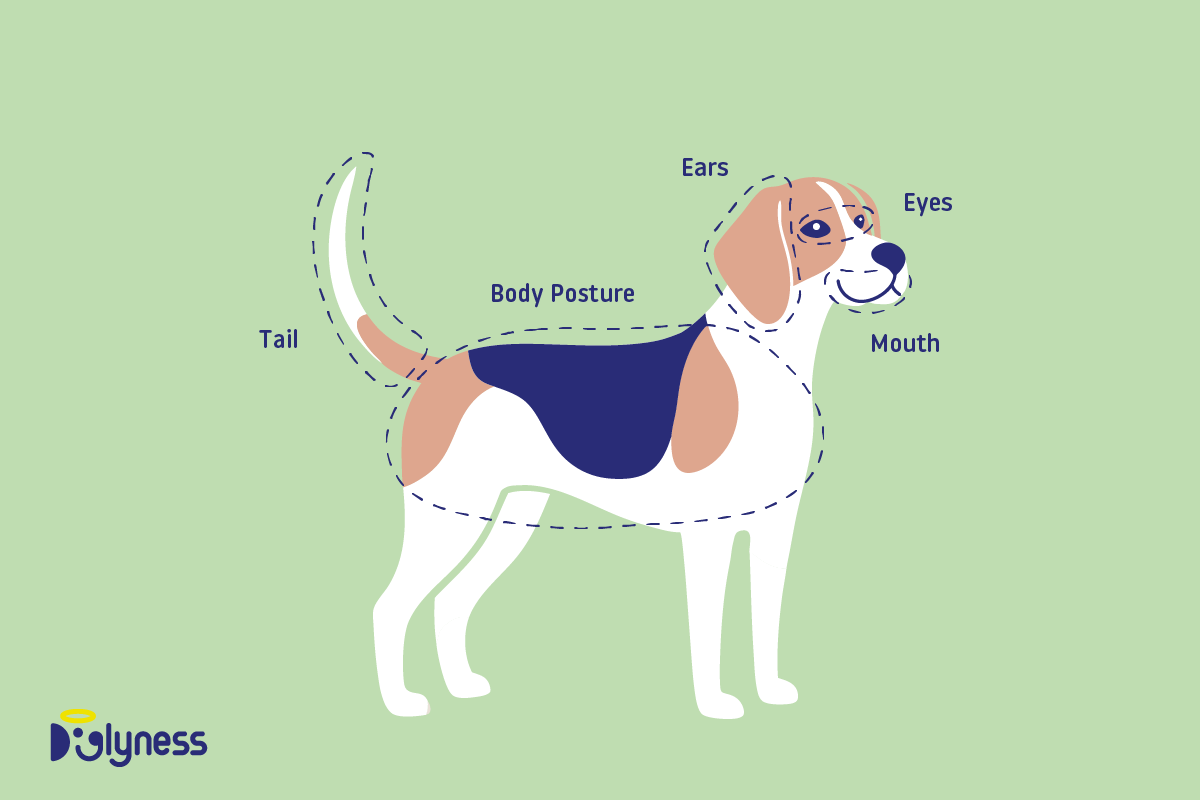
Tail wagging often shows excitement or happiness. A fast wag means joy or eagerness. A slow wag might show caution or uncertainty. The tail’s position matters too. A high tail can mean alertness. A low tail may mean fear or submission.
Barking Reasons
Dogs bark for many reasons. They bark to warn of danger. Some bark to get attention. Barking can also mean boredom or stress. Listen to the tone and length of barks. It helps understand what your dog wants to say.
Body Language Cues
Dogs use their whole body to talk. Raised fur shows they feel threatened. A relaxed body means they feel safe. Avoiding eye contact can mean shyness or fear. Direct eye contact might show confidence or challenge.
Playful Actions
Play is a big part of dog life. Play bows invite others to join in. Rolling on the back shows trust and fun. Gentle biting or mouthing is common during play. Watch for signs to know when play is too rough.
Emotions In Dogs
Dogs feel emotions just like humans. They show what they feel through their actions and body language. Understanding these feelings helps build a strong bond with your dog.
Dogs express happiness, fear, stress, and love in ways you can observe. Recognizing these signs improves your care and communication with them.
Signs Of Happiness
A happy dog wags its tail gently. Their eyes look soft and relaxed. They may play, jump, or lick you. A happy dog’s body is loose and calm. They often have a relaxed mouth, sometimes open like a smile.
Stress And Anxiety Indicators
Stress shows in panting, yawning, or licking lips often. Dogs might pace or hide quietly. They may growl softly or avoid eye contact. A stressed dog’s ears might lay back. Watch for trembling or excessive shedding.
Fear Responses
Fear makes dogs lower their bodies or tuck tails. They may freeze or try to run away. Some dogs show teeth or bark loudly. Fearful dogs avoid touch or seem very still. Their eyes may widen, showing the whites clearly.
Affectionate Gestures
Dogs show love by leaning on you or resting their head. They often lick your face or hands. A gentle nudge with the nose is common. Dogs also follow you closely around the house. They enjoy cuddling and staying near you.
Training Tips For Behavior
Training shapes your dog’s behavior and builds a strong bond. Clear guidance helps dogs learn what is expected. This section shares key tips to improve your dog’s actions. You will find simple, effective methods to train your pet.
Positive Reinforcement Techniques
Reward good behavior immediately. Use treats, praise, or play as rewards. This encourages your dog to repeat good actions. Keep rewards consistent and given right after the behavior. Avoid punishments that scare or confuse your dog. Positive reinforcement builds trust and eagerness to learn.
Handling Unwanted Actions
Ignore minor bad behavior to reduce attention seeking. Use a firm “no” for serious issues. Redirect your dog to a proper activity or toy. Stay calm and patient during correction. Avoid yelling or physical punishment. Correcting gently helps your dog understand limits without fear.
Socialization Importance
Expose your dog to different people, animals, and places. Early socialization reduces fear and aggression. Start with calm, controlled environments. Gradually increase new experiences as your dog grows. Social dogs adapt better and behave well in public. Regular social time boosts confidence and happiness.
Consistency In Commands
Use the same words and signals for commands. Everyone in the family should follow the same rules. Consistency avoids confusion and speeds learning. Practice commands daily in short sessions. Clear commands help your dog respond quickly. Consistent training creates a well-behaved, reliable pet.
Environmental Impact
Dogs are affected by their surroundings every day. Their behavior changes based on the environment they live in. Understanding these effects helps owners care better for their pets. A calm, structured place can make dogs feel safe and happy. Stressful or chaotic spaces might cause anxiety or bad habits.
Effects Of Routine
Dogs thrive on routine. Feeding, walking, and playtime at the same time each day help dogs feel secure. A steady routine reduces stress and prevents behavior problems. Sudden changes can confuse dogs and cause fear or aggression. Consistency builds trust between dogs and owners.
Space And Exercise Needs
Space matters for a dog’s health and mood. Large breeds need room to move and run. Small dogs need less space but still require daily exercise. Lack of exercise leads to boredom and destructive behavior. Regular walks and playtime keep dogs fit and calm.
Toys And Mental Stimulation
Toys do more than entertain. They challenge a dog’s mind and stop boredom. Puzzle toys and chew toys keep dogs busy and happy. Mental activity prevents anxiety and unwanted behaviors. Changing toys often keeps dogs interested and sharp.
Influence Of Family Dynamics
Family actions shape a dog’s behavior. Calm, kind family members help dogs feel safe. Loud, chaotic homes can stress dogs and cause fear. Dogs read human emotions and react to tension or calmness. Positive interactions build a strong bond between dogs and families.
Health And Behavior Link
Understanding the link between health and behavior helps us care for dogs better. Dogs cannot tell us when something is wrong. Their behavior often shows how they feel inside. Changes in mood or actions can signal health problems. Paying attention to these signs keeps dogs happy and healthy.
Common Health Issues Affecting Mood
Health problems can change a dog’s mood quickly. Pain from arthritis or injuries may cause irritability. Illnesses like infections often make dogs tired and withdrawn. Allergies can lead to scratching and restlessness. Identifying these health issues helps prevent behavior problems.
Diet And Energy Levels
A dog’s diet affects energy and mood directly. Poor nutrition can cause low energy and sadness. Balanced food supports good mood and active play. Too much or too little food also changes behavior. Healthy meals keep dogs alert and cheerful.
Signs Of Discomfort Or Pain
Dogs show pain through body language and behavior. Whining, limping, or hiding are common signs. Changes in eating or sleeping habits also matter. Watch for sudden aggression or fear. Early pain detection leads to faster recovery.
Veterinary Checkups Role
Regular vet visits catch health issues early. Vets check for illnesses that affect behavior. They give advice on diet and exercise. Vaccines and treatments keep dogs strong and happy. Routine checkups reduce risks of serious problems.

Credit: www.reddit.com
Credit: funnyfuzzy.co.uk
Frequently Asked Questions
Why Do Dogs Bark Excessively Sometimes?
Dogs bark excessively to express excitement, fear, boredom, or alertness. It’s their way of communicating. Understanding triggers helps manage barking effectively. Training and socialization reduce excessive barking and improve behavior.
What Does Tail Wagging Really Mean?
Tail wagging indicates a dog’s emotions. A fast wag often shows excitement or happiness. Slow wagging can signal uncertainty. The tail position also provides clues about their mood and intentions.
How Can I Stop My Dog’s Aggressive Behavior?
Aggression often stems from fear or territorial instincts. Consistent training, socialization, and positive reinforcement are key. Consult a professional trainer if aggression persists to ensure safety and proper behavior correction.
Why Do Dogs Chew On Furniture?
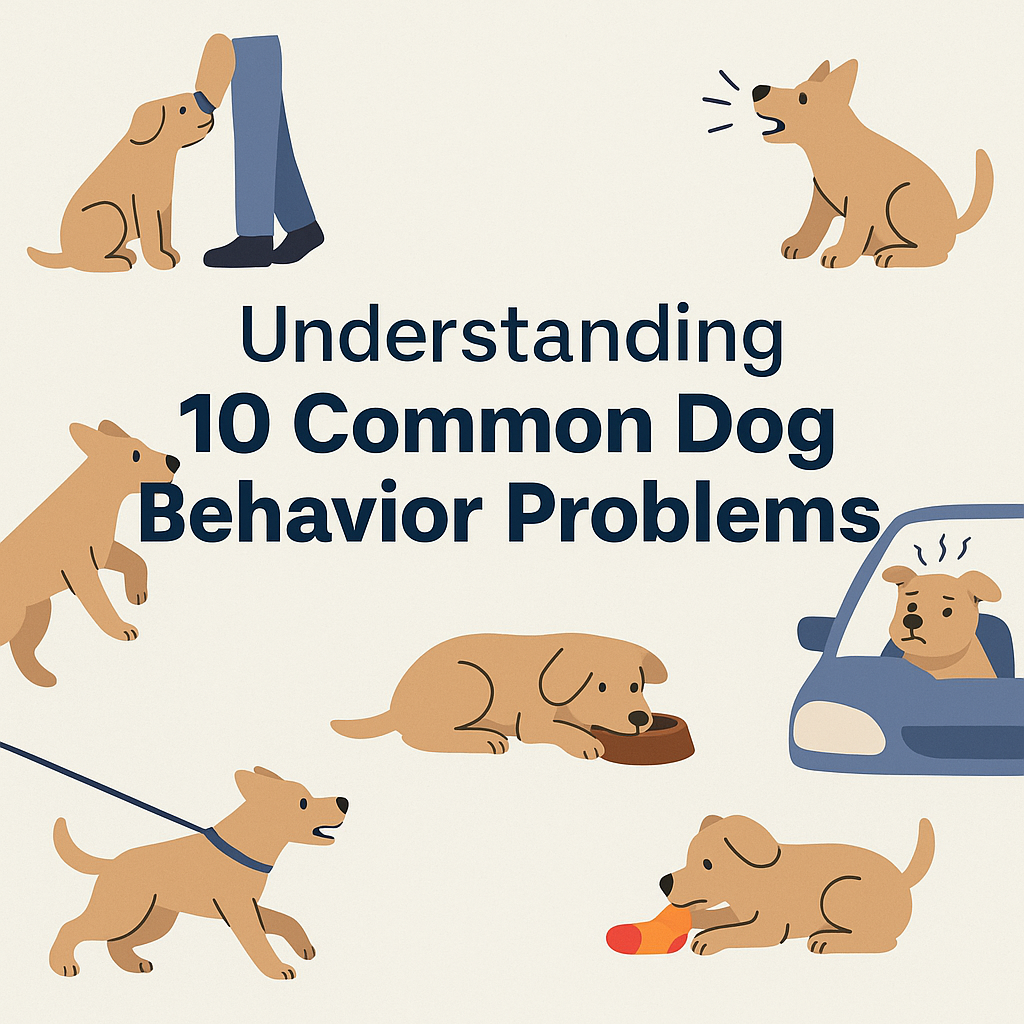
Chewing is a natural behavior for dogs, especially puppies. It helps relieve teething pain and boredom. Providing chew toys and regular exercise reduces destructive chewing and keeps your dog engaged.
Conclusion
Understanding dog behavior helps build a stronger bond with your pet. Dogs use body language and sounds to share their feelings. Paying attention to these signs keeps your dog happy and safe. Training and patience improve communication between you and your dog.
Every dog is unique and learns in its own way. Enjoy the journey of learning together. Trust and respect grow with time and care. Your dog will feel loved and understood. Simple actions make a big difference in behavior. Keep observing and learning for a happy pet life.

