
If your dog pulls hard on the leash, you know how frustrating and exhausting every walk can be. You want to enjoy your time outside, but constant pulling makes it stressful for both of you.
Choosing the right dog collar can change everything. The best dog collars for dogs that pull give you better control and keep your furry friend safe and comfortable. You’ll discover which collars work best and why, so you can finally enjoy peaceful, fun walks together.
Keep reading to find the perfect collar that suits your dog’s needs.

Credit: www.bestmatedogtraining.co.nz
Why Dogs Pull On Leash
Dogs often pull on the leash during walks. This can make walks hard and unsafe. Understanding why dogs pull helps to choose the best collar. It also helps to train them better. Dogs pull for many reasons. Some reasons come from their nature. Others come from their surroundings or feelings.
Common Causes
Dogs pull to explore the world. They want to see new sights and smells. Some dogs have lots of energy. They pull to release this energy. Puppies and young dogs often pull more. They have not learned good leash manners. Sometimes dogs pull to get to other dogs. Or to chase animals like squirrels. Pulling can also happen if the leash is loose. Dogs may not know how to walk calmly.
Behavioral Triggers
Fear or excitement can make dogs pull. A dog may feel scared and try to run away. Excited dogs pull to reach something fast. Some dogs pull because they want to lead. They try to control the walk. Lack of training can cause pulling too. Dogs do not know how to behave on leash. They need guidance to learn better habits. Consistent training and proper collars can reduce pulling.
Credit: www.k9bridle.com
Types Of Dog Collars For Pulling
Choosing the right collar helps control dogs that pull during walks. Different collars work in different ways. Some collars gently prevent pulling. Others give more control to the owner. Understanding the types of collars can help you pick the best one for your dog.
Martingale Collars
Martingale collars tighten slightly when a dog pulls. They prevent dogs from slipping out of the collar. These collars are gentle and safe for many dogs. They offer more control without choking. Best for dogs with narrow heads or escape artists.
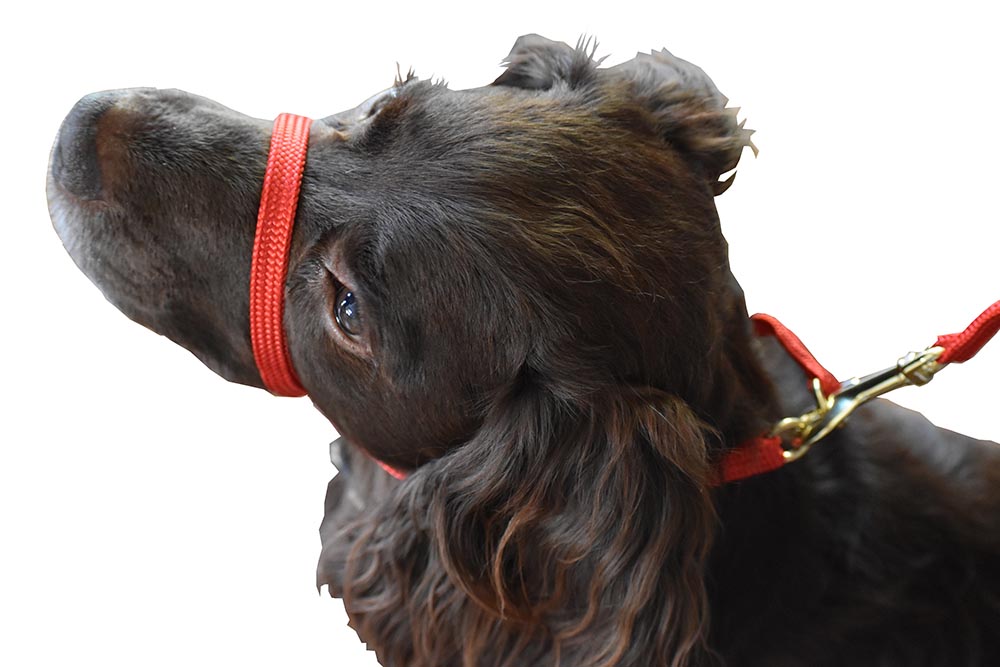
Head Collars
Head collars fit around a dog’s nose and neck. They guide the dog’s head to reduce pulling. Dogs find it hard to pull hard with these collars. They require some training for dogs to accept. Good for strong or large dogs that pull a lot.
No-pull Harnesses
No-pull harnesses stop pulling by attaching the leash in front. When a dog pulls, it turns them back toward the owner. This design discourages pulling without pressure on the neck. They are comfortable and safe for most dogs. Ideal for dogs with neck issues or sensitive skin.
Prong Collars
Prong collars have metal prongs that press into the dog’s neck. They give a sharp correction when the dog pulls. These collars require careful use and training. Not suitable for small or sensitive dogs. Best used under professional guidance to avoid injury.
Features To Look For
Choosing the right dog collar for dogs that pull is important. The right features can make walks safer and more comfortable. This section explains key features to check before buying.
Comfort And Fit
Comfort is essential for your dog’s well-being. The collar should not be too tight or too loose. A good fit prevents chafing and skin irritation. Soft materials like padded nylon or leather help avoid discomfort. Check that the collar sits well on the neck without pressing too hard.
Durability
Strong materials last longer and withstand pulling. Look for collars made from tough nylon, leather, or reinforced fabric. Metal parts like buckles and rings should resist rust and breakage. Durable collars hold up well over time, even with active dogs.
Adjustability
Collars that adjust easily fit your dog better. Dogs grow or may gain weight, so adjustability is key. Look for collars with multiple size settings. Slide buckles or clips make size changes quick and simple. Proper fit helps control pulling without hurting your dog.
Safety Features
Safety is vital during walks. Reflective strips or stitching improve visibility in low light. Quick-release buckles allow fast removal in emergencies. Some collars include breakaway features to prevent choking. Choose collars that keep your dog safe and secure at all times.
Top Collars For Pulling Dogs
Choosing the right collar helps control dogs that pull during walks. The best collars reduce strain on your dog’s neck. They also make walks safer and more pleasant for both of you. Different collars suit different sizes and budgets. Here are some top collars for pulling dogs.
Best For Small Breeds
Small dogs need collars that are gentle but effective. Look for lightweight collars with soft padding. These collars prevent choking and skin irritation. A good option offers easy adjustment and secure fit. Small breeds respond well to harness-style collars that distribute pressure evenly.
Best For Large Breeds
Large dogs require strong, durable collars. Heavy-duty materials like nylon or leather work best. These collars handle more force without breaking. A wide collar reduces pressure on the neck. Some collars include front-clip designs to stop pulling immediately. Choose collars with sturdy hardware for safety.
Best Budget Options
Affordable collars can still offer good quality. Look for simple designs made from durable materials. Many budget collars feature quick-release buckles and adjustable straps. These provide comfort and control without high cost. Basic front-clip collars often help reduce pulling efficiently.
Premium Choices
Premium collars offer extra comfort and advanced features. They may include padded straps and reflective materials. Some come with ergonomic designs for better control. High-end collars often use strong, lightweight materials. These collars last longer and enhance walking experience.
Training Tips With No-pull Collars
No-pull collars help control dogs that pull during walks. Training with these collars needs patience and care. Proper use makes walks safe and pleasant for both you and your dog. This section shares simple tips for training with no-pull collars.
Getting Your Dog Used To The Collar
Let your dog wear the collar indoors first. Watch how your dog reacts. Give treats and praise to create a good feeling. Keep the collar on for short times at first. Slowly increase the wearing time each day. Never force the collar on your dog. Comfort is key to success.
Positive Reinforcement Techniques
Reward your dog when walking calmly without pulling. Use treats, toys, or kind words as rewards. Stop walking if your dog starts to pull. Wait for your dog to relax before moving again. Repeat this to teach your dog that pulling stops the fun. Be patient and consistent every walk.
Common Mistakes To Avoid
Don’t use the collar as a punishment tool. Avoid jerking or yanking the leash hard. Do not leave the collar on all day. Avoid training in noisy or distracting places first. Don’t expect quick results; change takes time. Stay calm and patient during training sessions.
Collar Maintenance And Care
Proper care keeps dog collars safe and long-lasting. Regular maintenance protects your dog’s skin from irritation. It also ensures the collar stays strong for pulling dogs. Clean collars look better and work well every walk.
Cleaning Tips
Remove dirt and sweat often. Use mild soap and warm water. Avoid harsh chemicals that can damage material. Gently scrub with a soft brush. Rinse well and air dry completely before use. Clean collars prevent bad smells and skin problems.
When To Replace
Check collars for frays, cracks, or broken parts. Replace if metal rings rust or break. A weak collar risks your dog’s safety. Replace collars every 6 to 12 months for best results. Always choose a new collar that fits well and suits pulling dogs.
Storage Advice
Store collars in a dry, cool place. Avoid damp or direct sunlight spots. Hang collars or lay flat to keep shape. Keep collars away from pets when not used. Proper storage stops mold and material damage.

Credit: www.k9bridle.com
Frequently Asked Questions
What Are The Best Collars For Dogs That Pull?
Best collars for dogs that pull include no-pull harnesses, martingale collars, and head halters. They provide control without choking, making walks safer and more comfortable.
How Do No-pull Collars Work For Strong Dogs?
No-pull collars gently discourage pulling by redirecting the dog’s movement. They apply slight pressure when the dog pulls, promoting better walking behavior without causing harm.
Can Collars Prevent Pulling Behavior In Dogs?
Yes, specially designed no-pull collars help reduce pulling by teaching dogs to walk calmly. Consistent training combined with these collars improves leash manners over time.
Are Head Halters Safe For Dogs That Pull?
Head halters are safe when used correctly. They control the dog’s head, reducing pulling force and increasing owner control. Proper fitting and gentle handling are essential.
Conclusion
Choosing the right collar helps control dogs that pull. Comfort and safety matter most for your pet. Different collars suit different dogs and walking styles. Try a few to see what works best. Training and patience improve your walks together.
Happy walks start with the right gear and care. Keep your dog safe and enjoy every stroll.


