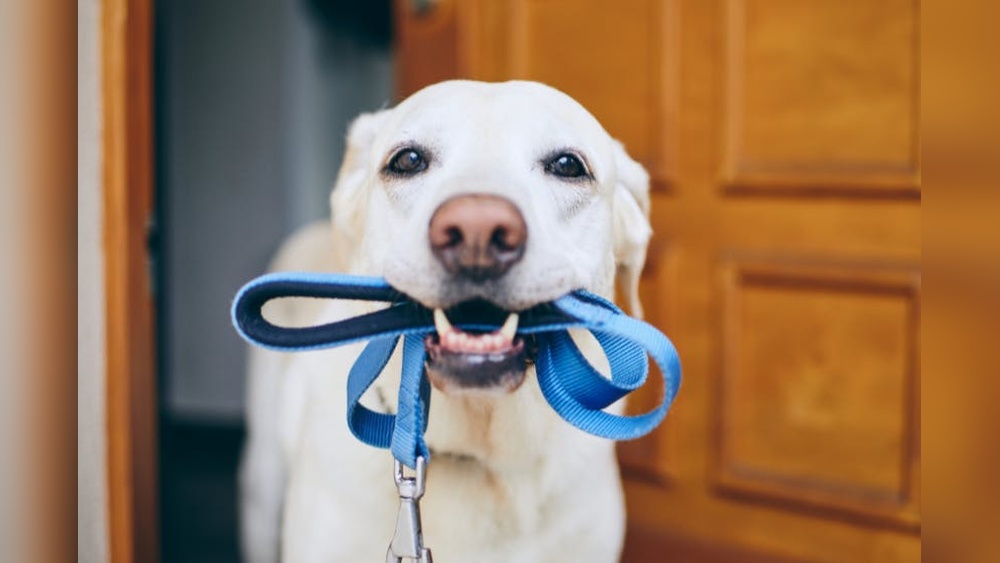
Walking your dog is more than just exercise—it’s a chance to bond, explore, and keep your furry friend healthy and happy. But have you ever wondered when the best times to walk your dog really are?
Timing can make a huge difference in your dog’s energy, behavior, and even safety. If you want to make the most out of every walk, keep reading. This guide will help you discover the perfect moments to step outside with your dog, so both of you can enjoy the fresh air and create happy memories together.
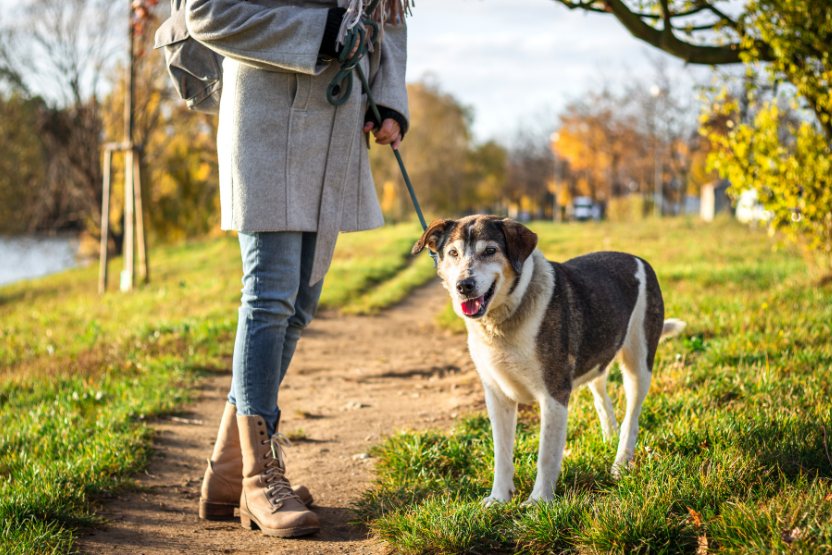
Credit: wagwalking.com
Morning Walk Benefits
Walking your dog in the morning offers many benefits for both you and your pet. It sets a positive tone for the day. Morning walks help improve mood and health. Starting the day with fresh air feels good. Dogs also enjoy the calm and quiet of early hours.
Boosting Energy Levels
Morning walks increase energy for the whole day. Moving your body wakes up muscles and mind. Dogs get a chance to stretch and run. This activity helps reduce tiredness and laziness. You and your dog feel more active after a walk.
Cooler Temperatures
Mornings usually have cooler air than afternoons. Cooler weather is safer and more comfortable for dogs. It prevents overheating and heatstroke risks. Your dog can walk longer without feeling tired. Cool air also helps keep your dog’s paws safe on hot pavement.
Less Crowded Paths
Early hours mean fewer people on walking paths. Less crowd means your dog feels calmer and safer. Dogs can explore more without distractions. You can enjoy peaceful walks without noise and rush. Quiet paths help build better walking habits for dogs.

Credit: wigglesandwags.co.uk
Afternoon Walk Considerations
The afternoon walk is a popular choice for many dog owners. It offers a break in the day and a chance to stretch legs after work or school. Yet, this time of day needs careful planning. Heat, food, and sun can affect your dog’s comfort and safety. Small steps help make the walk fun and safe for both of you.
Avoiding Heat Stress
Afternoon heat can be strong and dangerous for dogs. Their paws can burn on hot pavement. Walking too long in heat causes tiredness and dehydration. Choose shaded paths or grassy areas. Keep walks shorter on hot days. Carry water for your dog to drink. Watch for signs of heat stress like heavy panting or drooling.
Timing Around Meals
Walking right after meals can upset your dog’s stomach. Wait at least 30 minutes after feeding before walking. This helps avoid cramps or vomiting. A gentle walk after eating is okay, but avoid long or fast walks. Adjust walk time to your dog’s eating schedule. This keeps your dog comfortable and happy.
Managing Sun Exposure
Sun can harm your dog’s skin and eyes. Dogs with light fur or thin coats need extra care. Walk in shaded spots when possible. Use dog-safe sunscreen on exposed skin. Avoid direct sun between 10 a.m. and 4 p.m. Sunglasses for dogs can protect their eyes. Keep an eye on your dog for signs of sunburn or discomfort.
Evening Walk Advantages
Evening walks offer many benefits for both dogs and their owners. The cooler air and calm surroundings create a perfect setting. Walking your dog in the evening helps you both unwind. It also provides a safer and more social experience outdoors.
Relaxing After A Busy Day
Evening walks help you relax after a long day. The calm air clears your mind and eases stress. Your dog also enjoys this quiet time. It is a chance to slow down and enjoy nature. This peaceful routine can improve your mood and health.
Safer Temperatures
Temperatures drop in the evening, making walks safer. Hot pavement can hurt your dog’s paws during the day. Cool air prevents overheating and dehydration. This is especially important in summer months. Your dog can walk longer without discomfort.
Social Opportunities
Evening walks often bring more people and dogs outside. This helps your dog meet new friends and learn social skills. You can also meet neighbors and other pet owners. These interactions create a friendly community atmosphere. Social time benefits both dogs and their owners.
Weather Impact On Walks
Weather plays a big role in deciding the best time to walk your dog. Different weather conditions can affect your dog’s comfort and safety. Understanding these effects helps make walks enjoyable and safe for both you and your pet.
Rain And Mud Challenges
Rain makes paths wet and muddy. Dogs can get dirty quickly. Mud sticks to their paws and fur. Wet conditions may cause slipping for both of you. Shorter walks may be better during heavy rain. Use a dog raincoat to keep your pet dry. Clean your dog’s paws after each walk to avoid skin problems.
Cold Weather Tips
Cold weather can be tough for dogs. Some dogs feel cold faster than others. Small or short-haired dogs need extra protection. Use dog sweaters or jackets to keep them warm. Limit walk time to avoid frostbite or hypothermia. Watch for signs like shivering or lifting paws off the ground. Warm up your dog indoors after the walk.
Hot Weather Precautions
Hot weather can cause heat stress in dogs. Avoid walking during midday heat. Early mornings or late evenings are cooler. Carry water to keep your dog hydrated. Hot pavement can burn paw pads. Test the ground with your hand before walking. Find shady paths for breaks during the walk.
Breed-specific Timing
Different dog breeds have different energy levels and needs. Choosing the best time to walk your dog depends on its breed. Matching walk times to your dog’s breed keeps them happy and healthy.
Timing walks right helps avoid stress and injury. It also makes walks more enjoyable for both of you.
High-energy Breeds
High-energy dogs like Border Collies and Huskies need long, active walks. Early mornings or late evenings work best to avoid hot weather. These times keep your dog cool and full of energy. Short walks won’t burn off their energy well.
Small And Toy Breeds
Small dogs like Chihuahuas or Pomeranians can get cold easily. Mid-morning walks are ideal when the sun is up but not too strong. They need shorter, gentle walks to avoid stress. Keep an eye on the weather for their comfort.
Senior Dogs
Older dogs need slow, calm walks to protect their joints. Late mornings or early afternoons are great when it is warm and safe. Avoid walking in very hot or very cold times. Short, frequent walks help maintain their health without strain.
Health Benefits Of Regular Walks
Walking your dog regularly has many health benefits. It helps keep both you and your pet strong and happy. Daily walks improve your dog’s body and mind. They also help control weight and keep diseases away. Here are some key health benefits of regular dog walks.
Physical Fitness
Walking keeps your dog’s muscles strong and joints flexible. It helps improve heart and lung health. Regular exercise builds endurance and energy. Dogs that walk often have better overall health. It also reduces the risk of illnesses related to inactivity.
Mental Stimulation
Walks offer new sights, sounds, and smells. These experiences keep your dog’s brain active. Mental stimulation reduces boredom and destructive behavior. It helps improve your dog’s mood and focus. A tired mind is a happy mind.
Weight Management
Walking burns calories and controls appetite. It helps prevent obesity and related health issues. Maintaining a healthy weight increases your dog’s lifespan. Regular walks support a balanced diet and healthy metabolism. Your dog stays fit and lively with daily exercise.
Safe Walking Practices
Walking your dog is more than just exercise. It is a time to bond and explore safely. Following safe walking practices protects both you and your pet. These tips help avoid problems and make walks pleasant.
Safety during walks prevents accidents and stress. It also keeps your dog healthy and happy. Understanding proper leash use, hydration, and hazards is key.
Proper Leash Use
Always use a sturdy leash that fits your dog well. A leash around four to six feet long works best. It gives control but allows freedom to explore. Hold the leash firmly but not too tight. Avoid retractable leashes in busy areas. They can cause sudden pulls and accidents. Attach the leash to a secure collar or harness. Check the collar or harness for comfort and fit. Replace worn or damaged equipment immediately.
Hydration Tips
Bring water for both you and your dog. Dogs can get thirsty quickly, especially in warm weather. Offer water every 15 to 30 minutes during long walks. Use a collapsible bowl or pet water bottle for convenience. Avoid walking during the hottest parts of the day. Early morning or late evening walks help keep your dog cool. Watch for signs of thirst or overheating like heavy panting or drooling.
Avoiding Hazards
Stay clear of busy roads and crowded places. Watch for broken glass, sharp objects, or toxic plants. Keep your dog away from wild animals or aggressive dogs. Check the ground temperature before walking on pavement. Hot pavement can burn your dog’s paws. Use reflective gear if walking in low light or at night. Stay alert to your surroundings and trust your instincts. Stop and rest often if your dog shows signs of tiredness.

Credit: www.mesimvriawines.gr
Frequently Asked Questions
What Is The Best Time To Walk My Dog Daily?
Early morning and late evening are ideal for walking dogs. These times avoid heat and busy streets, making walks safer and more comfortable.
Can Walking Dogs At Night Be Harmful?
Walking dogs at night can be risky due to low visibility and safety concerns. Use reflective gear and stay in well-lit areas to reduce risks.
How Often Should I Walk My Dog Each Day?
Most dogs benefit from two walks daily. This keeps them active, healthy, and mentally stimulated. Adjust frequency based on your dog’s breed and energy level.
Does Weather Affect The Best Walking Time For Dogs?
Yes, weather impacts walk timing. Avoid midday heat in summer and walk during warmer parts of winter to protect your dog’s paws and health.
Conclusion
Choosing the best times to walk your dog helps keep them healthy and happy. Early mornings and late evenings are usually cooler and quieter. Avoid the midday heat to protect your dog’s paws and skin. Regular walks build a strong bond between you and your pet.
Consistency matters more than the exact time. Pay attention to your dog’s needs and energy levels. Enjoy these peaceful moments together. Walking at the right time benefits both you and your dog every day. Simple habits create a happier, healthier life for your furry friend.