Are you looking for the perfect small dog to join your family? Choosing the right furry friend can make a big difference in your daily life.
You want a dog that fits your home, matches your energy, and brings joy to everyone. You’ll discover the best small dog breeds that are great with kids, easy to care for, and full of love. Keep reading to find the ideal companion that will make your family complete.
Traits Of Family-friendly Small Dogs
Choosing a small dog for a family means finding a pet with the right traits. Family-friendly small dogs bring joy and comfort to all members. They fit well into busy homes and have qualities that make life easier and happier. Understanding these traits helps in picking a dog that suits your family’s lifestyle and needs.
Temperament And Personality
Family-friendly small dogs are gentle and patient. They enjoy being around children and adults alike. These dogs show kindness and rarely act aggressively. They are loyal and like to be part of family activities. A calm and friendly personality helps them bond with every family member.
Energy Levels And Playfulness
Small dogs with moderate energy fit family life best. They enjoy playtime but also rest well. These dogs keep children entertained with games and fun. Their playful nature encourages family interaction and exercise. Balanced energy means they are lively but not overwhelming.
Adaptability To Family Life
Good family dogs adjust easily to changes in routine. They handle new people and places without stress. These dogs can live happily in homes of all sizes. Their flexible nature means they fit into busy or quiet households. Adaptability makes them reliable companions for any family setting.
Top Small Dog Breeds For Families
Small dogs make great pets for families. They fit well in homes with limited space. These breeds are friendly and easy to train. They enjoy playing with children and adults alike. Choosing the right small dog can bring joy and companionship to your family.
Labrador Retriever Mixes
Labrador mixes combine loyalty with a gentle nature. They often inherit the friendly traits of Labs. These dogs adapt well to family life. Their size is smaller than pure Labs, making them easier to manage. They love outdoor activities and playtime with kids.
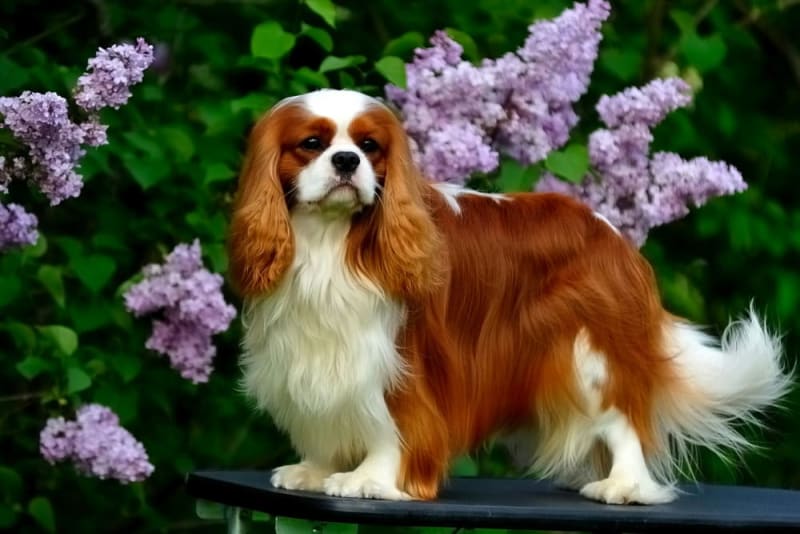
Cavalier King Charles Spaniel
The Cavalier King Charles Spaniel is affectionate and calm. This breed enjoys cuddling and quiet time. Their gentle temperament suits families with young children. They require moderate exercise and grooming. Their loving nature makes them great companions.
French Bulldog
French Bulldogs are playful and alert. They have a sturdy build but stay small. These dogs do well in apartments or houses. Their low exercise needs fit busy families. Their charming personality often wins over everyone they meet.
Beagle
Beagles are energetic and curious dogs. They love exploring and playing outdoors. This breed gets along well with children. Beagles need regular walks to stay healthy. Their friendly nature makes them great family pets.
Pug
Pugs are small with big personalities. They enjoy being the center of attention. This breed is easygoing and loves people. Pugs need minimal exercise and grooming. Their playful spirit keeps families entertained.
Boston Terrier
Boston Terriers are smart and lively. They have a gentle and friendly demeanor. This breed adapts well to different homes. Boston Terriers enjoy playtime and short walks. Their affectionate nature suits family life perfectly.
Shih Tzu
Shih Tzus are charming and gentle dogs. They love spending time with their family. This breed requires regular grooming to stay healthy. Shih Tzus enjoy indoor play and short walks. Their sweet personality makes them perfect for families.
Health And Care Needs
Choosing the best small dog for your family means understanding its health and care needs. Small dogs have special requirements to stay happy and healthy. Knowing these needs helps you give the best care possible.
Common Health Issues
Small dogs often face certain health problems. Many have dental issues because of their tiny mouths. Some breeds may develop joint problems like patellar luxation. Heart disease can also be common in small breeds. Regular vet visits help catch these problems early. Early treatment keeps your dog healthy longer.
Grooming Requirements
Grooming needs vary by breed but are important for all small dogs. Some have long coats that need daily brushing. Others shed less and require less grooming. Bathing helps keep their skin clean and free of irritations. Nail trimming is vital to avoid pain and infections. Proper grooming keeps your dog comfortable and looking good.
Exercise And Diet
Small dogs need daily exercise to stay fit. Short walks and playtime help burn energy. Too much food can cause obesity, common in small breeds. Feeding a balanced diet with the right portions is key. Fresh water must always be available. Healthy exercise and diet improve your dog’s life quality.

Credit: www.hillcrestanimals.com
Choosing The Right Small Dog
Choosing the right small dog for your family requires careful thought. Each family has different needs and habits. Finding a dog that fits well makes life happier for everyone. Small dogs can be great companions but must match your lifestyle and home.
Assessing Family Lifestyle
Think about your daily routine. Active families may prefer energetic dogs. Quiet homes may suit calmer breeds. Consider space at home. Some dogs need room to play. Others adapt well to apartments. Children’s ages matter too. Some small dogs are gentle with kids. Others may be nervous or shy. Matching a dog to your lifestyle helps prevent problems.
Allergies And Sensitivities
Check if anyone in the family has allergies. Some small dogs shed less and cause fewer allergies. Breeds like Poodles or Bichon Frises are good choices. Regular grooming reduces allergens. Keep the dog’s living area clean. This helps sensitive family members stay comfortable. Choosing the right breed can avoid health issues.
Time Commitment And Training
Small dogs need time and patience. Training helps them behave well at home. Puppies require more attention than adult dogs. Daily walks and playtime are important. Some breeds learn quickly, others need more time. Consistent training creates a happy dog. Make sure your family can commit to care. A well-trained dog fits better into family life.
Tips For Introducing A Small Dog To Your Family
Introducing a small dog to your family can bring joy and warmth to your home. It takes care and planning. Small dogs need gentle handling and a calm environment. This helps them feel safe and loved. Follow these tips to make the process smooth and happy for everyone.
Preparing Your Home
Clear a quiet space for your dog to rest and eat. Remove items that could harm your dog. Put away small toys and wires. Buy basic supplies like a bed, food, and water bowls. Make sure your home is safe and welcoming.
First Days With Your Dog
Give your dog time to explore the new place. Let them move at their own pace. Avoid loud noises or sudden moves. Introduce family members slowly and calmly. Watch your dog’s body language for signs of stress or comfort.
Building A Strong Bond
Spend time playing and cuddling gently. Use soft, kind words to talk to your dog. Offer treats to encourage good behavior. Take short walks together to build trust. Patience and love help your dog feel at home.
Credit: www.horizonvetbrighton.com
:max_bytes(150000):strip_icc()/havanese-best-small-family-dogs-1295434660-2000-adf3f1801df4403a8b7e72655345f342.jpg)
Credit: www.dma-architectures.com
Frequently Asked Questions
What Is The Best Small Dog Breed For Families?
The best small dog breed for families is one with a gentle temperament. Breeds like the Cavalier King Charles Spaniel and French Bulldog are friendly, adaptable, and great with kids, making them ideal family companions.
Are Small Dogs Good With Children?
Yes, many small dogs are excellent with children. Breeds like Beagles and Pugs are playful, patient, and enjoy family activities, ensuring a safe and loving environment for kids of all ages.
How Much Exercise Do Small Family Dogs Need?
Small family dogs typically need moderate exercise. About 30 minutes to an hour of daily play and walks keeps them healthy and happy without overwhelming young children or busy families.
What Should Families Consider When Choosing A Small Dog?
Families should consider temperament, energy level, and grooming needs. Choosing a dog that matches family lifestyle and activity ensures harmony and long-term happiness for both the dog and family members.
Conclusion
Choosing the best small dog can bring joy to your family. These dogs fit well in homes with kids and adults. They need love, care, and regular playtime. Small dogs can be great companions and protectors. Think about your family’s lifestyle before picking one.
A happy dog makes a happy home. Enjoy the journey of finding your perfect furry friend.