
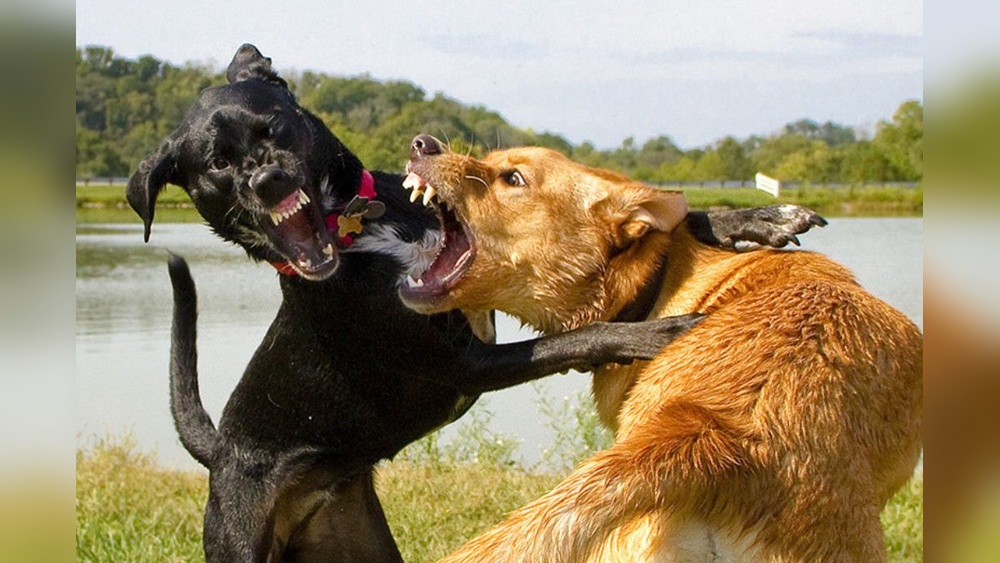
When it comes to choosing a dog, you might wonder which breeds are known for their strength and fighting abilities. Whether you’re interested in protection, training, or understanding dog behavior, knowing the best dog breeds for fighting can give you valuable insight.
You’ll discover which breeds have the natural traits that make them strong, agile, and fearless. Keep reading to find out how these dogs stand out and what makes them unique—this knowledge could change how you see these powerful animals forever.

Credit: www.woofblankets.com
Traits Of Strong Fighting Dogs
Strong fighting dogs share key traits that set them apart. These traits help them perform well in demanding situations. Understanding these features helps explain why some breeds excel in strength and endurance. The traits include physical power, mental sharpness, and boldness. Each plays a crucial role in a dog’s fighting ability.
Physical Strength And Agility
Strong muscles support powerful movements. Agility allows quick and smooth actions. These dogs have solid bones and a firm build. Speed helps them react fast to challenges. Endurance keeps them active for long periods. Their bodies are designed for strength and speed.
Loyalty And Trainability
Loyal dogs follow commands with focus. They trust their handlers deeply. Trainability means they learn tasks quickly. These dogs obey orders without hesitation. Consistent training shapes their behavior well. A strong bond with humans boosts their performance.
Temperament And Courage
Boldness drives them to face threats. Calmness prevents panic in tough times. Balanced temperament avoids unnecessary aggression. Courage helps them stand their ground firmly. Confidence lets them handle stressful moments. These traits create reliable and fearless dogs.
Top Dog Breeds Known For Strength
Strong dogs have always caught people’s attention for their power and courage. These breeds show great strength and resilience. They are often chosen for protection, work, or sport. Each breed has unique traits that make them stand out in strength and stamina.
Here are some of the top dog breeds known for their impressive strength.
American Pit Bull Terrier
The American Pit Bull Terrier is known for its muscular build and agility. It has a strong jaw and high endurance. This breed is loyal and protective, often used as a guard dog. Its strength combined with speed makes it a powerful breed.
Kangal
The Kangal is a giant Turkish dog famous for guarding livestock. It has an enormous bite force and solid muscles. These dogs are calm but fearless when protecting. Their size and strength help them face wild predators easily.
Tosa Inu
The Tosa Inu is a Japanese breed bred for fighting. It is large and very muscular with a calm nature. This breed is known for its courage and stamina. Its strength is balanced by intelligence and loyalty.
Dogo Argentino
The Dogo Argentino is a powerful hunting dog from Argentina. It has a strong body and great endurance. This breed is brave and protective of its family. Its strength helps in tracking and capturing large prey.
Fila Brasileiro
The Fila Brasileiro is a large Brazilian breed with great strength. It is known for its tracking ability and loyalty. This dog has a strong bite and powerful muscles. It is excellent for protection and work.
Training Techniques For Warrior Dogs
Training warrior dogs requires careful methods. These dogs need strong skills to perform well. Training focuses on control, strength, and loyalty. It shapes their behavior for challenging tasks. Trainers use clear steps to build trust and ability.
Building Obedience And Discipline
Start with basic commands like sit, stay, and come. Consistent practice helps dogs learn faster. Use simple words and hand signals. Reward good behavior with treats or praise. Discipline is key to keep control during fights. Avoid harsh punishments to keep trust strong. Regular sessions improve focus and obedience.
Socialization And Focus
Expose dogs to different people and animals early. This reduces fear and aggression in new settings. Teach them to focus on the handler, not distractions. Use short, focused training times to hold attention. Socialized dogs work better in teams. Calm and alert dogs perform best under pressure.
Safety And Ethical Training
Training must protect the dog and others. Use safe equipment like harnesses and muzzles if needed. Never encourage unnecessary aggression or harm. Respect the dog’s limits and health. Ethical training builds a strong bond of respect. Proper care ensures the dog’s well-being and readiness.
Legal And Ethical Considerations
Discussing dog breeds known for fighting requires care about laws and ethics. Dog fighting is illegal in many places and causes harm to animals. Understanding rules and acting responsibly helps protect dogs and communities. Respecting animals’ well-being is key to ethical ownership.
Breed-specific Legislation
Some regions ban or restrict certain breeds. These laws aim to reduce dog attacks and fights. Owners must check local rules before choosing a breed. Breaking these laws can lead to fines or dog confiscation. Breed-specific legislation helps keep people and pets safe.
Responsible Ownership
Owning a strong dog means careful training and care. Never encourage aggression or fighting. Provide proper socialization and exercise to reduce risks. Regular vet visits and good nutrition keep dogs healthy. Responsible owners build trust and respect with their pets.
Alternatives To Fighting
Training dogs for sports like agility or obedience is better. These activities use dogs’ energy in a positive way. They improve dogs’ skills and deepen the bond with owners. Choosing fun, safe activities respects dogs’ lives and promotes kindness.
Caring For Strong And Loyal Dogs
Caring for strong and loyal dogs requires dedication and understanding. These dogs need more than just love. They demand proper care to stay healthy and happy. Their strength and loyalty come from good nutrition, exercise, and health monitoring. Each part plays a key role in their well-being.
Nutrition For Strength
Strong dogs need a balanced diet rich in proteins and fats. Proteins build muscle and repair tissues. Healthy fats give energy for long play and training. Vitamins and minerals support the immune system. Feeding quality dog food helps maintain their strength. Avoid overfeeding to prevent obesity. Fresh water must be available at all times.
Exercise And Mental Stimulation
Physical exercise keeps muscles fit and joints healthy. Activities like running, walking, and playing are great. Mental stimulation prevents boredom and destructive behavior. Training sessions, puzzles, and new commands challenge the mind. Strong dogs thrive on routine and tasks. It helps them stay calm and focused.
Health Monitoring
Regular check-ups catch health issues early. Watch for signs like limping, coughing, or changes in appetite. Strong dogs can hide pain well. Keep vaccinations and parasite control up to date. Grooming helps spot skin problems and keeps the coat healthy. Consistent health care ensures a long, happy life.

Credit: www.woofblankets.com

Credit: fyzika.klusik.cz
Frequently Asked Questions
What Are The Most Common Dog Breeds Used For Fighting?
Common dog breeds used for fighting include American Pit Bull Terriers, Staffordshire Bull Terriers, and Presa Canarios. These breeds are chosen for their strength, agility, and tenacity. However, many are loving pets when properly trained and socialized.
Are Fighting Dog Breeds Dangerous As Pets?
Fighting dog breeds can be dangerous if not trained and socialized properly. Their behavior depends on upbringing and environment. Responsible ownership and proper training can make them safe and loyal companions.
Why Are Certain Dog Breeds Preferred For Fighting?
Certain breeds are preferred for fighting due to their strength, endurance, and aggression levels. They often have a muscular build and high pain tolerance. Breeding history also influences their suitability for fighting.
Can Fighting Dog Breeds Be Good Family Pets?
Yes, fighting dog breeds can be good family pets with proper training. Early socialization and consistent care are essential. They can be affectionate and protective family members when raised responsibly.
Conclusion
Choosing the best dog breeds for fighting is serious. These dogs need training, care, and respect. Their strength and loyalty stand out. Always remember, safety comes first for both dogs and people. Fighting is not natural; it must be managed carefully.
Knowing each breed helps in making smart choices. Treat dogs with kindness and responsibility. Their true value is in companionship and protection. This knowledge guides you to understand their nature better.

