

If you want a happy, well-behaved dog that listens to you and fits perfectly into your home, behavioral training is the key. Imagine your dog responding calmly to commands, greeting guests politely, and dropping bad habits that frustrate you daily.
This isn’t just a dream—it’s something you can achieve. You’ll discover simple, effective ways to shape your dog’s behavior and build a stronger bond with your furry friend. Keep reading, because the secret to a better life with your dog is closer than you think.
Credit: www.cosmiccanine.com
Basics Of Dog Behavior
Understanding the basics of dog behavior helps in training and care. Dogs act based on instincts and what they learn. Knowing why dogs behave a certain way makes training easier. It also helps to solve common behavior problems.
Each dog is unique but shares some natural behaviors. These come from their wild ancestors. Learning shapes their actions too. Good training respects both instincts and learned habits.
Instincts And Learning
Dogs are born with instincts that guide their actions. For example, barking, chewing, and digging are natural behaviors. These instincts help dogs survive and communicate.
Learning changes how dogs act. Puppies learn from their mother and littermates. They also learn from people and the environment. Training teaches dogs new behaviors and controls instincts.
Combining instincts with learning makes dogs well-behaved pets. Trainers use rewards and consistency to shape good habits. Understanding this balance improves training results.
Common Behavioral Issues
Many dogs show behavior problems that bother owners. Barking too much, biting, or chewing furniture are common issues. These problems often start from fear or boredom.
Some dogs act out because they lack exercise or attention. Others react to stress or changes in their home. Identifying the cause helps fix the problem.
Training, patience, and proper care reduce bad behaviors. Early intervention stops problems from getting worse. Professional help may be needed for serious issues.
Setting Training Goals
Setting training goals is essential for effective behavioral training in dogs. Clear goals provide direction and help track progress. They make training sessions focused and productive. Both the trainer and the dog benefit from well-defined targets.
Identifying Problem Behaviors
Start by observing your dog’s actions carefully. Note behaviors that cause issues or stress. Common problems include barking, biting, and pulling on the leash. Some dogs may show fear or aggression. Understanding these behaviors helps to create specific goals.
Write down each problem clearly. This list guides your training plan. It ensures no issue is overlooked. Prioritize problems based on safety and daily impact.
Defining Clear Objectives
Set simple and measurable training goals. For example, “Reduce barking during guests” or “Stop jumping on people.” Clear objectives make progress easy to see. They also keep training sessions focused on key issues.
Use positive language in your goals. Focus on what the dog should do, not just what to stop. This approach encourages good behavior. It also builds trust and understanding between you and your dog.
Choosing Training Methods
Choosing the right training methods shapes your dog’s behavior effectively. Different techniques suit different dogs and owners. Understanding these methods helps build a strong bond with your pet. Training becomes easier and more enjoyable for both.
Positive Reinforcement
Positive reinforcement rewards good behavior. Treats, praise, or toys encourage dogs to repeat actions. This method builds trust and motivation. Dogs learn faster and feel happy. It avoids fear and stress during training.
Clicker Training
Clicker training uses a small device that makes a sound. The click marks the exact moment of good behavior. Dogs connect the sound with a reward. This method improves timing and communication. It is clear and easy for dogs to understand.
Avoiding Punishment
Punishment can cause fear and confusion. It may harm your dog’s trust in you. Avoid yelling or physical punishment. Focus on guiding and rewarding good behavior instead. This approach creates a safe and positive training space.
Effective Training Techniques
Effective training techniques build a strong bond between you and your dog. They help your dog learn good behavior faster. Clear methods make training less stressful and more successful. Consistency, patience, and clear signals play key roles in shaping your dog’s actions.
Consistency And Routine
Dogs learn best with regular practice. Set a daily training schedule and stick to it. Use the same words and actions for commands every time. This helps your dog understand what you want. A steady routine creates good habits and reduces confusion.
Timing And Patience
Reward your dog immediately after the right action. Quick feedback helps your dog connect actions with rewards. Avoid rushing or punishing your dog. Stay calm and patient. Training takes time. Positive experiences build trust and encourage learning.
Using Commands And Signals
Use simple, clear commands like “sit,” “stay,” or “come.” Combine words with hand signals to improve understanding. Keep commands short and firm. Repeat commands gently but firmly. This clarity helps your dog respond quickly and correctly.
Building Strong Dog-human Bond
Building a strong bond between a dog and its human is key to happy training. This bond creates a foundation for good behavior and trust. Dogs feel safe and eager to learn when they trust their owners. A strong connection helps both dog and human enjoy their time together more.
Behavioral training focuses on improving this bond. It teaches owners how to understand their dog’s needs and signals better. The bond grows deeper with clear communication and mutual respect.
Communication Skills
Effective communication is the heart of any good relationship. Dogs use body language, sounds, and actions to express themselves. Owners must learn to read these signals carefully.
Simple commands help dogs know what is expected. Consistent signals avoid confusion. Clear communication reduces stress and helps dogs respond well.
Trust And Respect
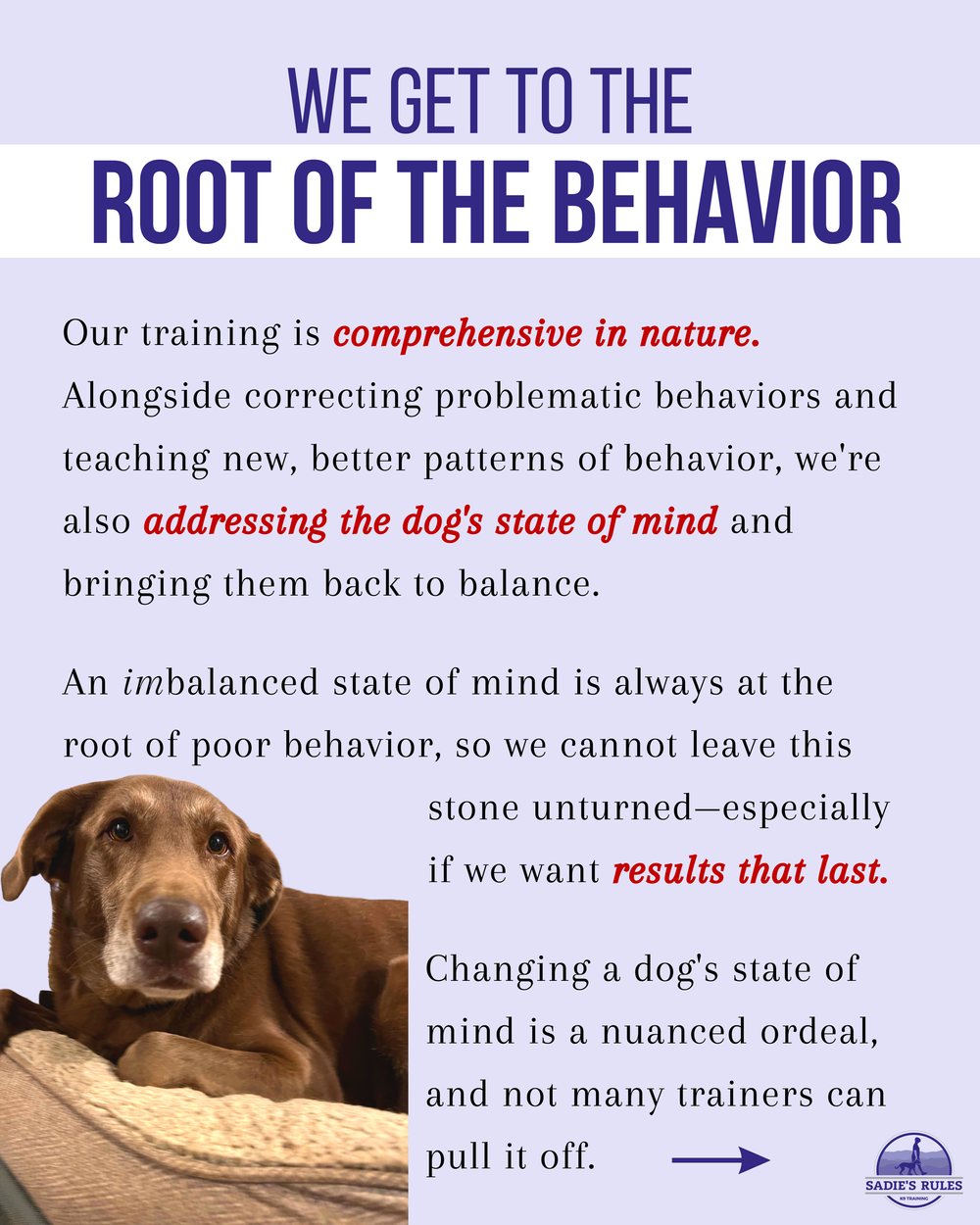
Trust builds over time through patience and kindness. Dogs respect owners who are calm and fair. Harsh punishment breaks trust and causes fear.
Respect means understanding your dog’s feelings and limits. Rewarding good behavior encourages dogs to repeat it. Trust and respect form the base for a lasting friendship.
Credit: www.sadiesrulesk9training.com
Addressing Specific Behaviors
Behavioral training helps manage common dog problems. It teaches dogs how to behave well. Training targets specific habits that cause trouble. Dogs learn better ways to act. This section covers key behaviors that need attention.
Barking And Jumping
Barking often signals excitement or fear. Training teaches dogs when to be quiet. Use calm commands and rewards. Jumping shows eagerness but can be unsafe. Teach dogs to greet calmly. Practice with consistent commands and praise.
Chewing And Digging
Chewing helps dogs explore but can damage things. Provide safe toys to chew on. Redirect dogs from furniture to toys. Digging is natural but can harm gardens. Create a digging spot for them. Reward digging in the right place.
Leash Pulling
Leash pulling makes walks hard and unsafe. Teach dogs to walk beside calmly. Stop walking when pulling starts. Reward walking with a loose leash. Use short training sessions for better results.
Maintaining Long-term Results
Maintaining long-term results in behavioral dog training requires ongoing effort and attention. Training is not a one-time event. It needs consistent care to keep your dog’s good habits strong.
Dogs can forget commands or develop new habits. Regular practice and adapting to changes help keep training effective. Positive reinforcement also encourages your dog to continue behaving well.
Regular Practice
Practice training exercises daily or several times a week. Short sessions work best to hold your dog’s attention. Repeating commands and behaviors helps your dog remember them.
Consistency is key. Use the same words and gestures every time. This reduces confusion and strengthens your dog’s learning.
Adapting To Changes
Dogs grow and their needs change over time. Adjust training methods to match their age and energy level. New environments or family members may require extra patience.
Observe your dog’s behavior closely. Change your approach if you see new problems or old habits return. Flexibility keeps training relevant and useful.
Rewarding Progress
Always reward your dog for good behavior. Use treats, praise, or playtime as rewards. Positive feedback motivates your dog to repeat the actions.
Celebrate small improvements. This builds your dog’s confidence and strengthens your bond. Rewards make training enjoyable for both of you.
Seeking Professional Help
Sometimes, training your dog needs expert advice. Behavioral issues can be tough to solve alone. Professional trainers have the skills to guide you and your dog. They offer clear methods to change unwanted behaviors. Seeking help early can prevent problems from getting worse.
When To Consult A Trainer
Notice your dog showing signs of fear or aggression. Unusual barking, biting, or digging can signal trouble. If training stops working, it is time to ask for help. Trainers can spot hidden problems you might miss. Early action saves time and stress for both of you.
Choosing The Right Expert
Select a trainer with good experience and positive reviews. Look for someone who uses kind and reward-based methods. Avoid trainers who use harsh punishments or fear tactics. A good trainer explains every step clearly. Make sure their approach fits your dog’s needs.

Credit: peggyadams.org
Frequently Asked Questions
What Is Behavioral Training For Dogs?
Behavioral training teaches dogs to modify specific actions or habits. It focuses on correcting issues like aggression, anxiety, or excessive barking. This training improves a dog’s social skills and obedience, leading to better interactions with people and other pets.
How Long Does Dog Behavioral Training Take?
Training duration depends on the dog’s age, temperament, and problem severity. Generally, it takes weeks to months for noticeable improvements. Consistency and patience from the owner greatly influence the speed and success of behavioral training.
Can Behavioral Training Fix Aggressive Dog Behavior?
Yes, behavioral training can reduce or eliminate aggression. It uses positive reinforcement and desensitization techniques. Professional guidance is often recommended for severe aggression to ensure safety and effective results.
What Methods Are Used In Dog Behavioral Training?
Common methods include positive reinforcement, clicker training, and counter-conditioning. These techniques reward good behavior and gently discourage bad habits. The goal is to create lasting, positive changes in the dog’s behavior.
Conclusion
Behavioral training helps dogs become calm and well-behaved pets. It builds trust between you and your dog. Consistent practice makes learning easier and faster. Small steps lead to big improvements over time. Patience and kindness create a happy training experience.
A well-trained dog enjoys more freedom and fun. Start training today to see positive changes soon. Good behavior makes life better for both of you. Keep training simple and clear for best results. Your dog will thank you with love and loyalty.


