

Does your dog growl, bark, or lunge at other dogs? This behavior can be stressful for both you and your furry friend.
But here’s the good news: you can train your dog to stay calm and friendly around other dogs. With the right steps, patience, and understanding, you’ll see a big change in your dog’s behavior. Keep reading to discover simple, effective ways to help your dog overcome aggression and enjoy peaceful walks together.
Causes Of Dog Aggression
Understanding the causes of dog aggression is key to training your dog properly. Aggression can come from many places. Knowing these helps you address the issue with care. Each dog is unique, and so is the reason behind its behavior.
Genetics And Breed Traits
Some dogs have a natural tendency to be more protective or territorial. Certain breeds were bred for guarding or hunting. These traits can lead to aggressive behavior. Genetics can influence how a dog reacts to other dogs.
Past Trauma And Socialization
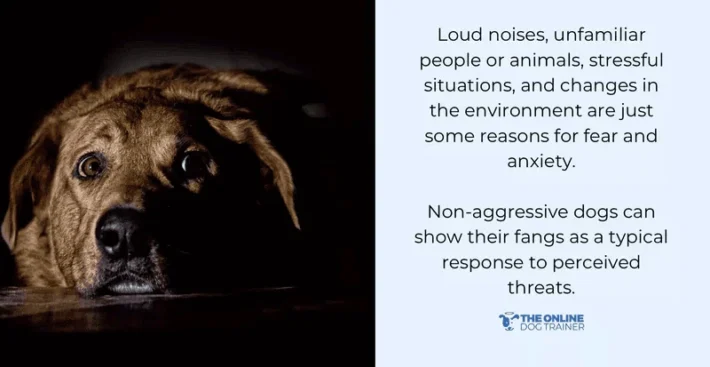
Dogs with bad experiences may show fear or aggression. Poor socialization in puppyhood can cause problems. Lack of exposure to other dogs or people increases anxiety. Fear often turns into aggression as a defense.
Health Issues Influencing Behavior
Pain or illness can change a dog’s mood quickly. Dogs may act aggressive if they feel unwell. Conditions like arthritis or dental problems cause discomfort. Always check health before blaming behavior.
Credit: theonlinedogtrainer.com
Recognizing Aggressive Behavior
Recognizing aggressive behavior in dogs is the first step to managing it well. Dogs show signs before acting aggressively. Understanding these signs helps prevent problems. It also keeps your dog and others safe. Learn to spot the signals early. This knowledge guides your training approach.
Watch your dog’s behavior closely. Notice changes in posture, sounds, and reactions. Each sign reveals how your dog feels. This insight improves communication with your pet.
Body Language Signs
Dogs use body language to express themselves. Look for stiff body posture or raised hackles. Growling, snarling, or showing teeth signals discomfort. Ears pinned back or forward can mean alertness or fear. A fixed stare may show tension or threat. Tail position also matters. A low or tucked tail signals fear. A high, stiff tail shows confidence or aggression. Recognizing these signs helps you act before aggression starts.
Triggers And Warning Signals
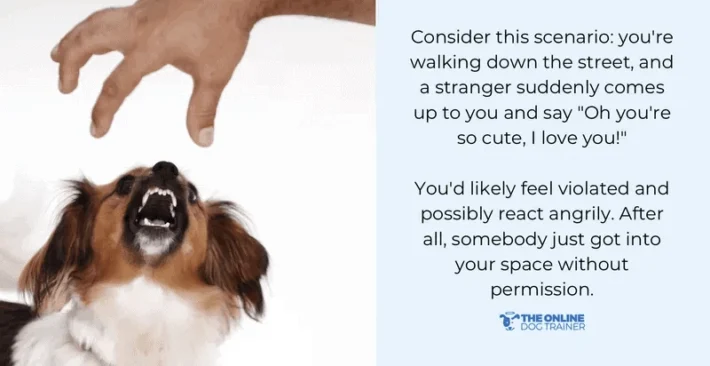
Certain situations trigger aggressive behavior. These include guarding food, toys, or territory. Unfamiliar dogs or strangers can cause stress. Loud noises or sudden movements may startle your dog. Warning signals come first. These include growling, snapping, or barking. Pay attention to these early signs. Avoid pushing your dog past these limits. Understanding triggers helps reduce aggressive episodes.
Types Of Dog Aggression
Dog aggression has different types. Fear aggression happens when dogs feel scared. Protective aggression defends family or belongings. Territorial aggression guards the dog’s space. Redirected aggression occurs when a dog is frustrated. Social aggression appears during interactions with other dogs. Each type needs a different training approach. Knowing the type helps you handle aggression properly.
Early Socialization Techniques
Early socialization plays a key role in preventing dog aggression. It helps puppies learn calm behavior around other dogs. Socialization builds their confidence and reduces fear. Starting early gives dogs a better chance to grow friendly and relaxed. The right techniques make a big difference.
Puppy Socialization Steps
Begin socialization between 3 and 14 weeks old. Introduce your puppy to many new sights and sounds. Let them meet different people and gentle dogs. Keep meetings short and positive. Avoid overwhelming your puppy with too much at once. Watch their body language closely.
Controlled Exposure To Other Dogs
Arrange calm, controlled meetings with well-behaved dogs. Use a leash but keep it loose. Allow your dog to sniff and explore safely. Stop the interaction if signs of stress appear. Practice in quiet places before busy parks. Repeat often to build good habits.
Positive Reinforcement Methods
Reward calm and friendly behavior with treats or praise. Ignore or redirect unwanted reactions without punishment. Use simple commands like “sit” or “look” to focus attention. Positive rewards teach dogs what is expected. Consistency helps your dog learn faster.
Behavior Modification Strategies
Behavior modification strategies help change a dog’s aggressive actions toward other dogs. These methods focus on teaching the dog new, calm responses. Patience and consistency are key in this process. The goal is to reduce fear and aggression step by step.
Desensitization And Counter-conditioning
Desensitization means slowly exposing your dog to other dogs. Start with a distance where your dog stays calm. Gradually decrease the space over many sessions. This helps the dog get used to other dogs without reacting.
Counter-conditioning pairs the sight of other dogs with something positive. Give treats or praise when your dog sees another dog but stays calm. This changes your dog’s feelings from fear or anger to happiness.
Redirecting Aggressive Responses
Redirecting means changing your dog’s focus from the other dog to you. Use toys or commands to get your dog’s attention. This stops the aggressive behavior before it starts. It also builds trust between you and your dog.
Practice redirecting regularly in safe settings. This makes your dog more likely to listen in real situations. Always reward your dog for calm behavior during redirection.
Using Commands And Training Tools
Basic commands like “sit,” “stay,” and “look” help control your dog’s actions. Teach these commands in quiet places first. Use them to interrupt aggressive behavior quickly.
Training tools such as leashes and harnesses provide control during walks. Avoid harsh tools that cause pain. Gentle tools keep your dog safe and calm. Combine commands and tools for best results.
Safety Measures During Training
Training a dog to reduce aggression towards other dogs requires careful attention to safety. Both your dog and others need protection throughout the process. Using the right tools and strategies keeps everyone calm and secure. This builds trust and helps training progress smoothly.
Proper Use Of Leashes And Muzzles
Leashes give control over your dog’s movements. Choose a strong, comfortable leash of suitable length. Keep your dog close but not too tight. This prevents sudden lunges or aggressive actions.
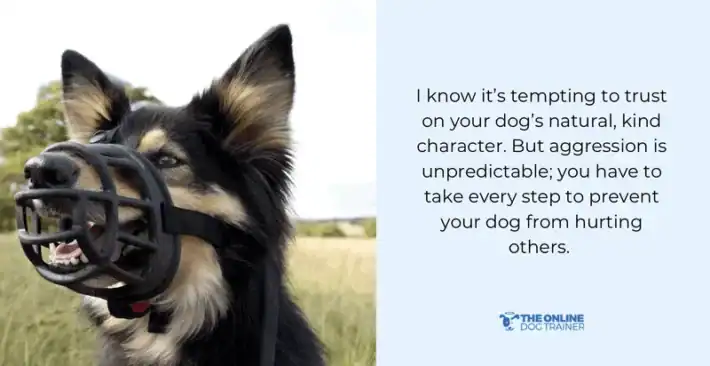
Muzzles are important for safety. Use a well-fitting muzzle during early training. It stops biting and reduces stress for all dogs nearby. Introduce the muzzle gently. Let your dog get used to it before training sessions.
Avoiding High-risk Situations
Stay away from places with many dogs or loud noises. Crowded parks or busy streets can increase your dog’s stress and aggression. Choose quiet areas for training. This helps your dog focus and feel safe.
Do not rush meetings with unfamiliar dogs. Let your dog calm down before any interaction. Watch your dog’s body language closely. Stop training if signs of stress or aggression appear.
Supervision And Professional Help
Always supervise your dog during training. Never leave an aggressive dog alone near other dogs. Your presence helps prevent conflicts and accidents.
Seek professional trainers if aggression is strong. Experts use safe, proven methods to manage dog aggression. They guide you step-by-step to improve your dog’s behavior. This support increases safety and training success.
Credit: theonlinedogtrainer.com
Maintaining Progress Long-term
Maintaining progress in reducing dog aggression takes time and patience. Training is not a one-time event. It requires ongoing effort. Consistency keeps your dog calm and well-behaved. This section explains key steps to maintain good behavior long-term.
Consistent Training Routines
Keep training sessions short and frequent. Practice commands daily to reinforce good habits. Use the same words and gestures for commands. This helps your dog understand and respond better. Consistency builds trust and reduces confusion.
Regular Social Interactions
Expose your dog to other dogs in safe settings. Start with calm and friendly dogs. Gradually increase the number of dogs and distractions. Positive social experiences lower fear and aggression. Watch your dog closely and stop if signs of stress appear.
Monitoring And Adjusting Techniques
Observe your dog’s behavior regularly. Notice any signs of tension or aggression early. Change training methods if progress slows or stops. Use rewards for good behavior and calmness. Patience and flexibility help maintain long-term success.
Credit: theonlinedogtrainer.com
Frequently Asked Questions
How Can I Stop My Dog From Being Aggressive?
Identify triggers causing aggression, and avoid them initially. Use positive reinforcement for calm behavior. Consistent training and socialization help reduce aggression over time.
What Are Early Signs Of Dog Aggression?
Signs include growling, snarling, stiff body posture, raised hackles, and intense staring. Early recognition helps prevent escalation and allows timely intervention.
Can Training Alone Eliminate Dog Aggression?
Training significantly reduces aggression but may not fully eliminate it. Combining training with behavior modification and professional help yields best results.
How Important Is Socialization For Aggressive Dogs?
Socialization is crucial. It exposes dogs to various environments and reduces fear-based aggression. Start slowly and reward positive interactions.
Conclusion
Training a dog to reduce aggression takes time and patience. Consistent practice helps your dog learn calm behavior. Reward good actions with treats and praise. Avoid situations that trigger aggressive responses at first. Gradually expose your dog to new experiences safely.
Stay calm and confident during training sessions. Remember, every dog learns at its own pace. Your effort can lead to a happier, friendlier pet. Keep training simple and steady for best results. Small steps make a big difference over time.


