

Bringing a bulldog puppy into your home is exciting, but it can also feel overwhelming. You want to give your new furry friend the best start, but where do you begin?
This guide is packed with simple, practical tips that make caring for your bulldog puppy easier and more enjoyable. Whether it’s training, feeding, or health care, you’ll discover the secrets to raising a happy, healthy bulldog. Keep reading, and you’ll soon feel confident and ready to give your puppy the love and care they deserve.
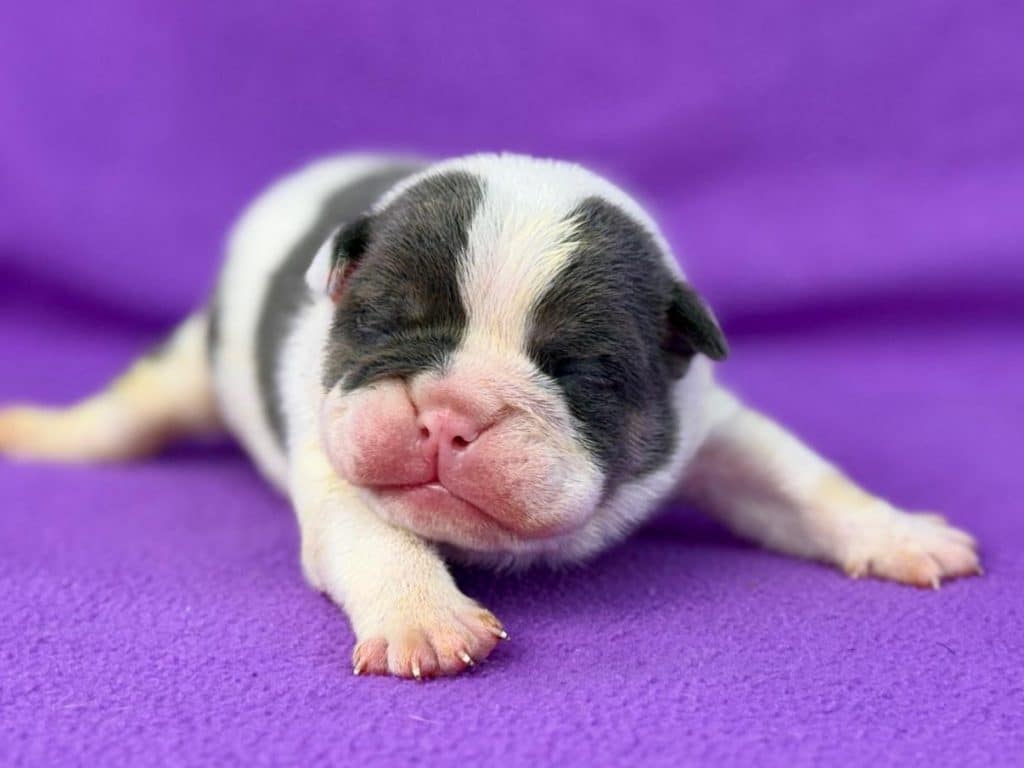
Credit: bruiserbulldogs.com
Choosing The Right Bulldog Puppy
Choosing the right Bulldog puppy is an important step. Bulldogs have unique needs and personalities. Picking the right puppy sets the foundation for a happy life together. This process requires care and attention to detail. You want a healthy, well-socialized puppy from a trusted source. Preparing your home and understanding puppy traits also help in this journey.
Finding A Reputable Breeder
A good breeder cares about the health and well-being of their puppies. They provide clean and safe environments. Ask about the puppy’s parents and health history. A reputable breeder will share health certificates and vaccination records. Avoid places that sell many breeds or puppies without information. Meeting the breeder in person helps assess their professionalism and care. This step ensures your Bulldog puppy has a strong start.
Recognizing Healthy Puppy Traits
Choose puppies that look alert and active. Their eyes should be clear and bright. The nose must be moist without crusts or discharge. Check for clean ears and shiny coats. Puppies should move easily without limping. Healthy puppies play and respond to sounds and touch. Avoid those that cough, sneeze, or seem tired. These signs point to the best health and temperament.
Preparing Your Home
Make a safe space for your Bulldog puppy. Remove small objects and toxic plants. Provide a comfortable bed in a quiet area. Have food and water bowls ready. Buy toys that are safe and suitable for Bulldogs. Set a schedule for feeding, play, and rest. Puppy-proofing your home protects your new friend. This preparation helps your Bulldog feel secure and loved from day one.
Nutrition And Feeding Guidelines
Proper nutrition is key for a healthy Bulldog puppy. It supports growth, energy, and overall well-being. Feeding the right food in the right amount helps your puppy develop strong bones and muscles. It also prevents health problems later in life. Understanding what to feed and how much to give makes a big difference.
Selecting Quality Dog Food
Choose dog food made for puppies. It should have high protein and fat content. Look for foods with real meat listed first. Avoid dog food with fillers like corn or soy. Natural ingredients help your puppy grow strong. Check for added vitamins and minerals. These support your puppy’s health and immune system.
Feeding Schedule And Portions
Feed your Bulldog puppy three to four times a day. Smaller meals help digestion and energy levels. Follow the feeding guide on the dog food package. Adjust portions based on your puppy’s weight and activity. Watch for signs of hunger or fullness. Consistent feeding times create a healthy routine.
Avoiding Common Dietary Mistakes
Do not feed your puppy human food. Many foods are toxic or unhealthy for dogs. Avoid giving too many treats. Overfeeding leads to weight problems. Skip table scraps that upset digestion. Always provide fresh, clean water. Keep your puppy’s diet balanced and simple.
Exercise And Playtime Needs
Bulldog puppies need the right amount of exercise and playtime to stay healthy and happy. They have strong bodies but can get tired quickly. Too much activity can cause stress on their joints and breathing. It is important to provide gentle and safe activities that fit their needs. Playtime also helps with their mood and learning social skills.
Safe Activities For Bulldogs
Choose low-impact exercises like short walks and gentle play sessions. Avoid running or jumping too much, as Bulldogs have short noses and may struggle to breathe. Playing with soft toys and light tug games works well. Swimming is good, but always supervise. Keep activities fun and short to prevent overexertion.
Balancing Rest And Activity
Bulldog puppies need plenty of rest between playtimes. Watch for signs of tiredness like heavy panting or slowing down. Give them quiet time in a cool, comfortable spot. Balance short bursts of activity with breaks. This helps their muscles grow strong without stress. Rest supports healthy development and prevents injuries.
Socializing With Other Pets
Playing with other pets helps Bulldog puppies learn social skills. Introduce them slowly to calm and friendly animals. Monitor all interactions to keep play safe. Social time builds confidence and reduces fear of new friends. Make sure play sessions are short and positive for all pets involved.

Credit: tomkingskennel.com
Health Care Essentials
Taking care of a Bulldog puppy’s health is very important. Bulldogs have special needs. Good health care helps them grow strong and happy. Early care can prevent many problems later. Focus on regular checkups, vaccinations, and daily care routines.
Learn about key health tips for your Bulldog puppy. These steps make a big difference. Keep your puppy safe and comfortable with the right care.
Vaccinations And Vet Visits
Vaccinations protect your Bulldog puppy from serious diseases. Start shots at six to eight weeks old. Follow the vet’s schedule for booster shots. Regular vet visits catch health issues early. The vet checks weight, heart, and breathing. Keep your puppy’s records updated and bring them to visits.
Common Bulldog Health Issues
Bulldogs can face breathing problems due to their short noses. Watch for heavy breathing or snoring. Skin infections are common from wrinkles and folds. Clean these areas daily to avoid infections. Bulldogs may also have joint problems. Monitor their movement and avoid too much jumping. Early care helps manage these issues well.
Dental And Skin Care
Brush your Bulldog puppy’s teeth at least twice a week. Good dental care prevents bad breath and tooth decay. Use a dog-friendly toothbrush and toothpaste. Check their skin for redness or sores. Clean wrinkles with a damp cloth and dry well. Healthy skin keeps your puppy happy and itch-free.
Training And Behavior Tips
Training a bulldog puppy takes patience and care. Bulldogs have unique personalities that need gentle guidance. Starting training early helps build good habits. It also strengthens your bond with your puppy. Learning about their behavior makes training easier and more effective.
Basic Commands And Obedience
Teach simple commands like “sit,” “stay,” and “come.” Use clear, short words and repeat them often. Reward your puppy with treats or praise when they listen. Keep training sessions short to hold their attention. Practice commands daily to build consistency and trust.
Housebreaking Techniques
Set a regular schedule for bathroom breaks. Take your puppy outside after meals and naps. Choose one spot outside for them to use. Praise them immediately after they go in the right place. Clean accidents inside with enzyme cleaners to remove smells. Patience is key; accidents will happen but stay calm.
Managing Stubbornness
Bulldogs can be stubborn and slow to respond. Stay calm and use a firm, gentle voice. Avoid yelling or harsh punishments that scare your puppy. Break tasks into small steps to make learning easier. Give plenty of praise when your puppy tries. Consistency and kindness help overcome stubborn moments.
Grooming And Hygiene
Keeping your bulldog puppy clean is very important. Grooming helps your puppy stay healthy and comfortable. It also prevents skin problems and infections. Bulldogs have special needs because of their unique features. Regular care makes your puppy happy and looking good.
Brushing And Bathing
Brush your bulldog’s coat twice a week. Use a soft brush to remove loose hair. Bathing should happen once a month or when dirty. Use a gentle puppy shampoo to protect their skin. Dry your puppy well after a bath to avoid chills.
Cleaning Facial Folds
Bulldogs have deep facial folds that trap dirt and moisture. Clean these folds daily with a damp cloth. Gently wipe inside each fold to remove debris. Dry the folds completely to stop infections. This simple step keeps your puppy’s face fresh and healthy.
Nail Trimming And Ear Care
Trim your puppy’s nails every two weeks. Use a proper dog nail clipper for safety. Check the ears weekly for dirt or bad smell. Clean ears with a soft cloth or ear cleaner made for dogs. Healthy nails and ears prevent pain and infections.
Creating A Safe Environment
Creating a safe environment is key when bringing a Bulldog puppy home. Bulldogs are curious and strong for their size. They explore everything around them. This can lead to trouble if the space is not secure. Safety helps your puppy grow happy and healthy.
Puppy-proofing Your Home
Remove small objects your puppy can swallow. Cover electrical wires to prevent chewing. Keep cleaning products and medicines out of reach. Block off stairs and unsafe rooms. Use gates to create safe play areas. Puppy-proofing stops accidents before they happen.
Avoiding Heat Stress
Bulldogs do not handle heat well. Provide cool, shaded spots inside and outside. Always offer fresh water nearby. Limit outdoor play during hot hours. Watch for heavy panting or weakness. Heat stress can be dangerous and needs quick care.
Safe Sleeping Areas
Choose a quiet, cozy spot for your puppy’s bed. Avoid drafty or noisy places. Use soft bedding to protect joints. Keep the area clean and dry. A safe sleeping space helps your Bulldog rest well and feel secure.

Credit: bruiserbulldogs.com
Frequently Asked Questions
How Often Should I Feed A Bulldog Puppy Daily?
Feed your bulldog puppy three to four times daily. Use high-quality puppy food with balanced nutrients. Portion sizes depend on age, weight, and vet advice. Avoid overfeeding to prevent obesity and digestive issues.
What Are Common Health Concerns For Bulldog Puppies?
Bulldog puppies often face breathing problems, hip dysplasia, and skin infections. Regular vet check-ups help detect issues early. Proper care, diet, and exercise reduce health risks. Monitor your puppy closely for any unusual symptoms.
How Can I Train My Bulldog Puppy Effectively?
Start training early with positive reinforcement methods. Use treats and praise to encourage good behavior. Keep sessions short and consistent. Socialize your puppy with people and other dogs to build confidence and obedience.
What Exercise Is Suitable For Bulldog Puppies?
Bulldog puppies need moderate, low-impact exercise like short walks and playtime. Avoid strenuous activities due to breathing limitations. Exercise helps maintain healthy weight and muscle tone. Always provide water and rest during activities.
Conclusion
Caring for a bulldog puppy takes patience and love. Keep training simple and consistent every day. Watch for their health needs and keep them active. Provide a cozy space for rest and comfort. Building trust early helps your puppy feel safe.
Enjoy each moment with your new furry friend. Small steps lead to a happy, well-behaved dog. Remember, your care shapes their future. Stay calm, kind, and enjoy the journey together.

