

Are you curious about how many dog breeds exist in 2025? Whether you’re thinking about adding a furry friend to your family or just love learning about dogs, this question matters.
The number of recognized dog breeds keeps changing as new ones emerge and others gain popularity. Knowing the latest count can help you find the perfect match for your lifestyle and personality. Keep reading to discover the surprising facts about dog breeds today—and how this could shape your next canine companion.
Current Dog Breed Count
The number of dog breeds in 2025 reflects years of breeding, discovery, and recognition. Dog lovers and experts worldwide track this number carefully. It shows how diverse and rich the canine world has become. Breed counts change as new breeds get recognized and some gain popularity.
Understanding the current dog breed count requires looking at global efforts. Different organizations and countries may recognize different breeds. This section explains the total count through three key areas.
Global Breed Recognition
Global breed recognition comes from many dog organizations. They study each breed’s traits and history. The World Canine Organization (FCI) lists over 360 recognized breeds. This number grows slowly as new breeds meet their standards. Not all organizations agree on every breed. Some breeds are recognized in one region but not worldwide.
Major Kennel Clubs
Major kennel clubs play a big role in counting breeds. The American Kennel Club (AKC) recognizes about 200 breeds. The Kennel Club in the UK lists over 220 breeds. These clubs have strict rules for breed acceptance. They hold shows and events to promote each breed. Their breed lists often differ from global lists due to regional preferences.
Emerging Breeds
Emerging breeds add to the dog breed count each year. New breeds arise from careful breeding programs. Some start as mixed breeds gaining unique traits. Others come from rediscovering old or rare breeds. Emerging breeds need time to get official recognition. They show how dog breeding continues to evolve.
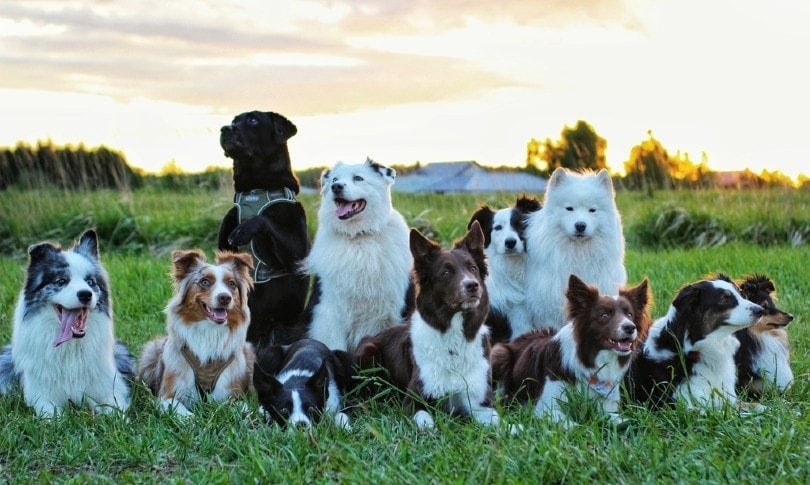
Credit: articles.hepper.com
Factors Influencing Breed Numbers
The number of dog breeds changes over time due to several factors. These factors shape how many breeds exist today and how many may appear in the future. Understanding these helps us see why breed numbers grow or shrink.
Genetic Diversity
Genetic diversity helps keep dog breeds healthy and strong. Breeds with more genetic variety have fewer health problems. Breeders often focus on preserving this diversity. Some rare breeds may disappear if their gene pool shrinks too much. This impacts the total number of recognized breeds.
Breeding Trends
Popular breeds often grow in number due to high demand. Breeders create more dogs of these breeds to meet buyers’ needs. Trends can also cause some breeds to become less popular. As interest fades, fewer dogs of those breeds are bred. This causes shifts in the total breed count.
Crossbreeding Impact
Crossbreeding mixes two different breeds to create new types. Some new crossbreeds gain popularity quickly. They may become recognized as new breeds in time. Crossbreeding can also reduce purebred numbers. This balancing act affects how many breeds exist overall.
Popular Dog Breeds In 2025
Popular dog breeds in 2025 show a mix of classic favorites and new trends. People choose dogs that fit their lifestyle and home. Some breeds remain top choices for families. Others serve in work or service roles. Rare breeds also catch attention for their uniqueness. This variety helps everyone find a dog that suits them.
Top Family Pets
Labrador Retrievers stay popular with families. They are friendly and easy to train. Golden Retrievers also remain a favorite. They are gentle and good with children. French Bulldogs grow in popularity. Their small size fits city homes. Beagles are loved for their playful nature. Families want dogs that are loyal and safe.
Working And Service Dogs
German Shepherds lead in work and service roles. They are smart and protective. Border Collies excel in herding and agility tasks. They learn commands quickly. Belgian Malinois serve in police and military roles. Their energy and focus are unmatched. Service dogs like Labrador Retrievers help people with disabilities. These breeds show strength and intelligence.
Rare And Exotic Breeds
Rare breeds gain interest from dog lovers. The Azawakh, a slender hunting dog, becomes more known. Lagotto Romagnolo, a truffle hunter, grows in popularity. Thai Ridgebacks are admired for their unique look. These breeds offer something different. They attract those wanting a special companion. Rare breeds often need extra care and attention.
Breed Classification Systems
Dog breeds are organized by systems that help group and describe them. These systems make it easier to understand the many types of dogs worldwide. Breed classification systems show how breeds relate to each other and their roles.
Group Categories
Dogs are often sorted into groups based on their job or traits. Examples include working dogs, herding dogs, and toy dogs. Each group shares similar skills or shapes. Group categories help breeders, trainers, and owners identify dogs quickly.
Breed Standards
Breed standards describe how a breed should look and behave. They include size, color, coat type, and temperament. These standards guide breeders to keep dogs true to their breed. Showing dogs in competitions also relies on breed standards.
Regional Variations
Breed classifications can differ by country or region. Some breeds are recognized in one place but not another. Naming and grouping may also change depending on local customs. Regional variations reflect cultural and historical differences in dog breeding.
Future Of Dog Breeds
The future of dog breeds holds exciting possibilities. New breeds may emerge with unique traits. At the same time, existing breeds will continue to evolve through science and care. Understanding these changes helps us appreciate the diversity of dogs worldwide.
Technological Advances In Breeding
Technology improves how breeders select and pair dogs. DNA testing helps find the best matches for health and behavior. This leads to healthier puppies with fewer genetic problems. Artificial insemination and embryo transfer also allow breeders to work across distances. These tools shape the future of dog breeding.
Conservation Of Rare Breeds
Many rare dog breeds face the risk of disappearing. Conservation efforts focus on preserving their unique traits. Breed clubs and organizations work to protect these dogs. They encourage breeding programs that maintain genetic diversity. This helps keep rare breeds alive for future generations.
Predicted Trends
Smaller dog breeds may gain popularity in cities. People prefer dogs that fit apartment living. Designer breeds, created by crossing two purebreds, will remain common. Health and temperament will become top priorities for buyers. The future will bring more choices for dog lovers everywhere.

Credit: www.dogster.com

Credit: www.msn.com
Frequently Asked Questions
How Many Dog Breeds Exist Worldwide In 2025?
In 2025, there are approximately 450 recognized dog breeds globally. This number includes breeds recognized by major kennel clubs and emerging varieties. Breed recognition often varies by country and organization, reflecting ongoing discoveries and breed developments.
What Factors Influence The Number Of Dog Breeds?
The number of dog breeds grows due to selective breeding, genetic research, and new breed recognition. Cultural preferences and kennel club standards also impact breed categorization. This dynamic process ensures the diversity of dog breeds continues to expand over time.
Are New Dog Breeds Still Being Developed In 2025?
Yes, new dog breeds continue to be developed through careful breeding and genetic selection. Breeders aim to enhance specific traits, health, and temperament. Ongoing innovation and interest in unique traits contribute to the creation of new breeds.
Which Organizations Recognize Official Dog Breeds In 2025?
Major organizations like the American Kennel Club (AKC), Fédération Cynologique Internationale (FCI), and The Kennel Club (UK) recognize official dog breeds. Each organization has its own standards and criteria for breed acceptance, influencing the total recognized breeds globally.
Conclusion
The number of dog breeds in 2025 shows how diverse dogs are. New breeds keep emerging as people breed dogs for different traits. This variety means there is a perfect dog for everyone. Knowing about these breeds helps you choose the right pet.
Dogs bring joy, loyalty, and love to many homes. Keep exploring and learning about dogs to find your best friend. The world of dogs is big and full of surprises.


