

Are you thinking about bringing a dog into your life? Or maybe you already have one and want to keep your family safe.
Knowing which dog breeds are most likely to bite can help you make smarter decisions. This isn’t about scaring you—it’s about giving you the facts so you can protect yourself and your loved ones. Keep reading to discover the truth behind dog bites and how to stay safe around different breeds.
Your peace of mind starts here.

Credit: www.washingtondogbitelawyer.com
Breeds With Higher Bite Incidents
Some dog breeds tend to have more bite incidents than others. These breeds often make headlines due to their size, strength, or temperament. Understanding which breeds have higher bite rates helps owners take proper safety steps. It also guides responsible pet adoption and training choices.
Commonly Reported Breeds
Some breeds appear more often in bite reports. Pit Bulls, Rottweilers, and German Shepherds top the list. These dogs are strong and protective by nature. Their bites can cause serious injuries if not controlled. Other breeds like Dobermans and Huskies also show higher bite numbers. This does not mean they are all aggressive. Training and socialization play a big role in their behavior.
Statistics On Bite Frequency
Data from animal control and hospitals show bite trends. Pit Bulls account for a large portion of severe bites. Rottweilers follow closely behind in many regions. Smaller breeds like Chihuahuas have bite incidents too, but injuries are less severe. Bite frequency often relates to dog population size and owner care. Untrained or neglected dogs tend to bite more often. Proper education can reduce bite risks across all breeds.
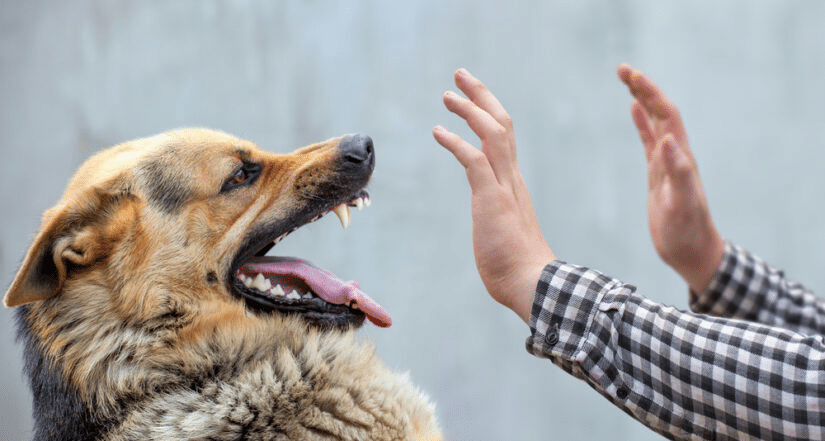
Credit: maho-prentice.com
Behavioral Traits Linked To Biting
Dogs bite for many reasons. Understanding their behavior helps prevent bites. Certain traits link to biting more than others. These traits often appear in specific breeds. Knowing these traits helps owners handle dogs safely.
Aggression Triggers
Aggression triggers cause dogs to bite. These triggers include pain, frustration, or guarding food. Some dogs react quickly to touch or noise. Sudden movements can startle a dog. Aggression may also rise from lack of training. Recognizing these triggers lowers bite chances.
Protective Instincts
Many dogs bite to protect their family. Protective instincts are strong in some breeds. These dogs see strangers as threats. They guard homes and people fiercely. Protection can lead to sudden biting. Training can teach dogs when to protect. Understanding this trait prevents unwanted bites.
Fear Responses
Fear is a common cause of biting. A scared dog may bite to defend itself. Fear bites happen when dogs feel trapped. Loud noises or unfamiliar places increase fear. Dogs with poor socialization bite more out of fear. Calm handling helps reduce fear responses. Recognizing fear signs stops bite incidents.
Environmental Risk Factors
Environmental risk factors play a big role in dog biting behavior. The surroundings and daily experiences of dogs affect how they act. Understanding these factors helps prevent bites and keeps both dogs and people safe.
Living Conditions
Poor living conditions can stress dogs and cause aggression. Crowded spaces make dogs feel trapped and scared. Dogs left alone for long hours may become anxious or frustrated. Quiet, safe, and clean homes help dogs stay calm and friendly.
Training And Socialization
Dogs without proper training often do not understand how to behave. Socialization teaches dogs to be comfortable around people and other animals. Lack of socialization can lead to fear and defensive biting. Early and gentle training builds trust and good habits.
Owner Influence
Owners shape their dog’s behavior through actions and attitude. Harsh treatment can make dogs fearful or aggressive. Loving and consistent care encourages calm and friendly dogs. Responsible owners watch for warning signs and act quickly.
Age And Health Impact
Age and health play a big role in a dog’s likelihood to bite. Dogs of different ages show different behaviors. Health problems can also change a dog’s mood and reactions.
Puppy Vs Adult Behavior
Puppies are curious and often use their mouths to explore. They may nip or bite during play but usually do not mean harm. Training and socialization help puppies learn bite control. Adult dogs have more defined personalities and behaviors. Some adults may bite if they feel scared or threatened. Older dogs may bite less due to lower energy and more experience.
Medical Issues Affecting Temperament
Health problems can make dogs irritable or aggressive. Pain from injuries or illnesses may cause sudden biting. Conditions like arthritis or dental pain increase discomfort. Some diseases affect the brain and change behavior. Owners should watch for signs of illness and visit a vet. Treating health issues can reduce biting risks significantly.
Preventing Dog Bites
Preventing dog bites is important for everyone. Understanding how to act around dogs can keep both people and pets safe. Teaching dogs good behavior and knowing how to interact helps reduce bite risks. Responsibility from dog owners plays a big part in preventing bites.
Safe Interaction Tips
Always ask the owner before petting a dog. Approach dogs slowly and calmly. Avoid sudden movements or loud noises. Let the dog sniff your hand first. Do not disturb dogs when they eat or sleep. Watch for signs of fear or aggression. Step back if a dog looks tense or growls.
Training Techniques
Use positive reinforcement to teach commands. Reward good behavior with treats and praise. Train dogs to respond to “sit,” “stay,” and “come.” Socialize dogs with other people and pets early. Avoid punishment that causes fear or pain. Consistent training builds trust and control. It helps dogs feel safe and less likely to bite.
Role Of Responsible Ownership
Provide regular exercise and mental stimulation. Keep dogs on a leash in public. Spay or neuter to reduce aggressive behavior. Visit the vet for health check-ups. Teach children how to behave around dogs. Supervise interactions between dogs and kids. Responsible owners prevent bites by caring well for their pets.

Credit: mykisscountry937.com
Frequently Asked Questions
Which Dog Breeds Have The Highest Bite Rates?
Breeds like Pit Bulls, Rottweilers, and German Shepherds report more bite incidents. This is due to their strength and protective nature. However, any dog can bite depending on training and environment. Breed alone doesn’t determine aggression or bite likelihood.
Are Small Dog Breeds Less Likely To Bite?
Small dogs can bite too, often out of fear or protection. Their bites may cause less damage but can still be painful. Size does not guarantee a dog’s temperament or bite risk. Proper training is essential for all breeds.
What Factors Influence A Dog’s Likelihood To Bite?
A dog’s bite risk depends on training, socialization, health, and environment. Fear, pain, or territorial behavior can trigger bites. Responsible ownership and early socialization reduce bite incidents significantly, regardless of breed.
Can Training Reduce The Chances Of Dog Bites?
Yes, training greatly lowers bite risk by teaching dogs appropriate behavior. Positive reinforcement and socialization help dogs handle stress calmly. Well-trained dogs are less likely to bite in unfamiliar or stressful situations.
Conclusion
Some dog breeds have a higher chance of biting than others. Training and socializing dogs early can reduce biting risks. Always watch a dog’s body language for signs of stress or fear. Remember, any dog can bite if it feels threatened or scared.
Owners must take responsibility for their pets’ behavior. Respect and care help keep dogs and people safe. Knowing which breeds bite more helps with better awareness. Stay informed and act wisely around all dogs.


