

Have you ever wondered just how many dog breeds exist around the world? Whether you’re thinking about adding a furry friend to your family or simply curious about the amazing variety out there, knowing the number of dog breeds can open your eyes to a whole new world.
You might be surprised by how diverse these loyal companions are, each with unique traits, sizes, and personalities. Keep reading, and you’ll discover the fascinating count of dog breeds and what makes them so special—helping you get closer to finding the perfect match for your lifestyle.
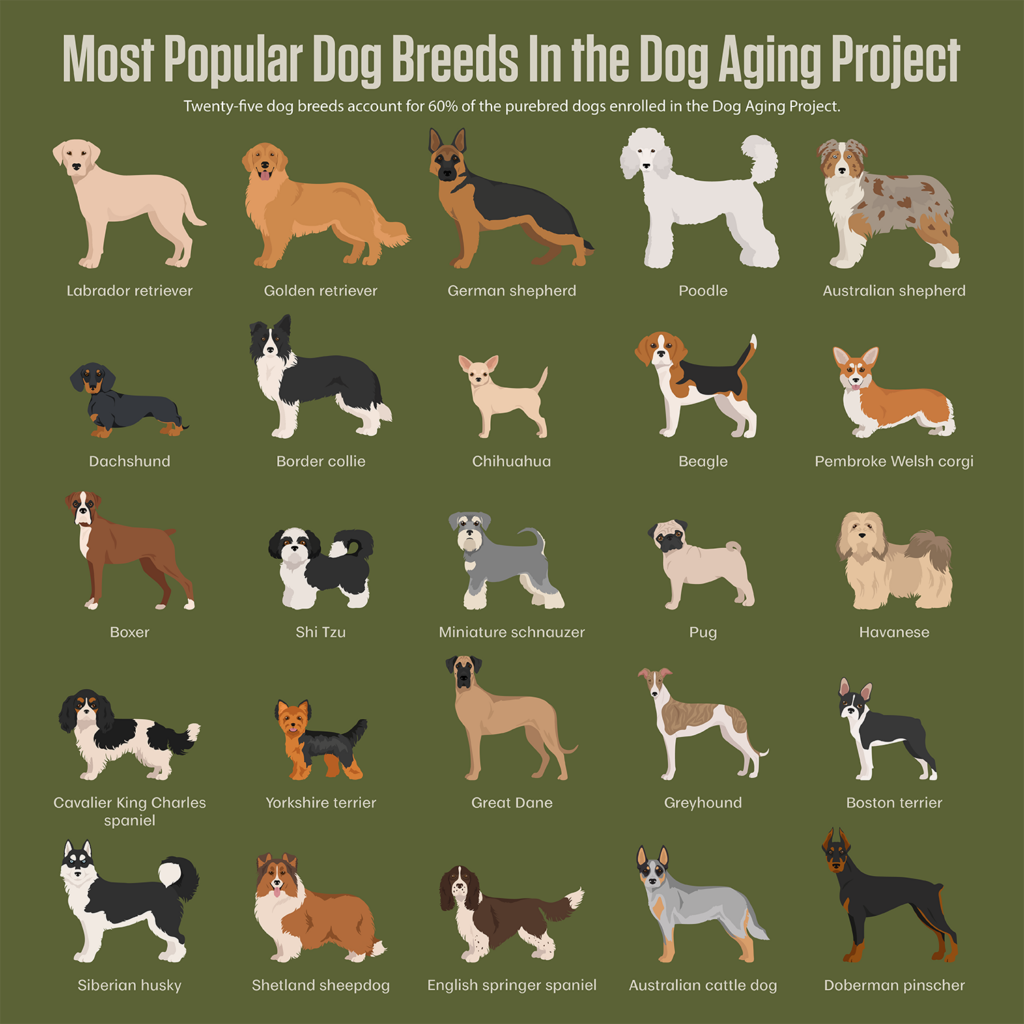
Credit: vetmed.tamu.edu
Global Dog Breed Estimates
Dog breeds vary widely across the world. Each breed has unique traits and history. The total number of dog breeds depends on different sources. These sources include kennel clubs and international organizations. They keep track of recognized breeds and new discoveries.
Estimating the exact number of dog breeds can be challenging. Different clubs recognize different breeds. Some breeds are local, while others are global. Understanding these numbers helps dog lovers and breeders alike.
Major Kennel Clubs And Their Counts
Major kennel clubs define most breed counts. The American Kennel Club (AKC) lists around 200 breeds. The United Kennel Club (UKC) recognizes more than 300 breeds. The Kennel Club (UK) tracks about 220 breeds. Each club has its own rules for breed recognition.
These clubs update their lists regularly. New breeds can get official status after meeting criteria. Some breeds appear only in one club’s list. This makes breed counts differ between clubs.
International Breed Recognition
The Fédération Cynologique Internationale (FCI) is a global body for dog breeds. It recognizes about 350 breeds worldwide. FCI’s recognition helps standardize breed names and traits internationally. Many national clubs follow FCI standards. This helps breeders and owners communicate better.
International recognition allows breeds to compete in global dog shows. It also supports breed preservation and health programs. Some breeds remain local and are not recognized globally. This affects the total count of dog breeds worldwide.
Factors Affecting Breed Numbers
Breed numbers change due to several factors. New breeds develop from crossbreeding and selection. Some breeds become extinct or merge with others. Cultural preferences influence which breeds are popular. Laws and regulations can limit breed recognition.
Genetic research sometimes reclassifies breeds or finds new ones. This keeps the list of dog breeds dynamic. Breed recognition also depends on efforts by breeders and clubs. The true number of dog breeds is always evolving.

Credit: www.rubold.com
Categories Of Dog Breeds
Dog breeds are grouped into categories based on their traits and uses. These groups help us understand their behavior and needs. Each category includes breeds with similar skills and purposes. Knowing these groups helps in choosing the right dog for your lifestyle.
Sporting And Working Dogs
Sporting dogs are active and love water and fields. They help hunters find and retrieve game. Examples include Labrador Retrievers and Spaniels. Working dogs do tough jobs like guarding and pulling. Breeds like Boxers and Siberian Huskies belong here. Both groups need exercise and mental challenges.
Toy And Companion Breeds
Toy breeds are small and perfect for apartment life. They offer great company and love being close to people. Examples are Chihuahuas and Pomeranians. Companion dogs are loyal and friendly, often used as therapy dogs. These dogs enjoy calm environments and gentle care.
Herding And Hunting Dogs
Herding dogs control livestock and need training to follow commands. Border Collies and Australian Shepherds are well-known herders. Hunting dogs track and chase game, using their keen senses. Breeds like Beagles and Dachshunds fit this group. Both types are smart and need tasks to stay happy.
Rare And Emerging Breeds
Rare and emerging dog breeds add fresh variety to the world of dogs. These breeds often have unique traits and stories. Some are just starting to get official recognition. Others have been lost and are now being brought back. There are also new mixes that people love for their special looks and personalities.
These rare and new breeds attract dog lovers who want something different. They show how dog breeding keeps evolving. Each breed has its own charm and appeal. Let’s explore some of these interesting groups.
Newly Recognized Breeds
Dog clubs sometimes add new breeds to their official lists. These breeds have met strict rules about history and traits. For example, the Lagotto Romagnolo became recognized recently. It is a hunting and truffle-finding dog from Italy. New breeds bring fresh options for dog owners and breeders.
Extinct And Revival Efforts
Some dog breeds have disappeared over time. People now work hard to bring these breeds back. They use old photos and records to guide breeding. The Alaskan Husky is an example of a breed saved from near extinction. Reviving breeds helps protect dog history and diversity.
Crossbreeds And Designer Dogs
Crossbreeds mix two or more purebred dogs. Designer dogs are crossbreeds with trendy names. Examples include the Labradoodle and Cockapoo. These dogs often combine good traits from both breeds. Many people choose them for their friendly nature and unique looks.
Breed Identification Challenges
Identifying dog breeds is not always simple. Many factors create challenges for breed identification. These challenges affect breeders, owners, and dog lovers.
Dogs within the same breed can look quite different. This variation makes it hard to confirm a breed by appearance alone. Understanding these challenges helps clarify why breed counts differ worldwide.
Genetic Variations Within Breeds
Even dogs of the same breed can have different genes. These genetic differences cause variations in size, color, and coat type. Such variations confuse breed identification. Genetic tests may not always give clear results because of this diversity.
Regional Breed Differences
Breeds can change based on the region they live in. Dogs bred in one country might look different from the same breed in another. Local breeding goals, climate, and culture influence these differences. This regional variation complicates counting and identifying breeds accurately.
Impact Of Mixed Breeding
Many dogs are mixed breeds with ancestry from several breeds. Mixed breeding blurs clear breed lines. It becomes difficult to label these dogs under one breed. Mixed dogs often share traits from many breeds, making identification tricky without detailed genetic analysis.
How Breed Counts Affect Dog Owners
Knowing how many dog breeds exist can help owners make smart choices. Each breed has unique traits and needs. This variety affects owners in many ways. It shapes their daily life, care routines, and even their relationship with their dog.
Choosing The Right Breed
Many breeds fit different lifestyles and homes. Some dogs need lots of exercise, while others prefer quiet time. Size matters too. Small dogs suit apartments better. Larger breeds need more space. Owners must pick a breed that matches their activity level and living situation. This choice can lead to a happier life for both.
Breed Popularity Trends
Popularity changes over time. Some breeds become popular due to movies or social trends. Popular breeds may be harder to find or more expensive. Less common breeds can be unique but might require more effort to care for. Trends influence what dogs people see daily. This affects social interactions and community activities for dog owners.
Health And Care Considerations
Each breed has specific health needs. Some breeds face common health problems. Knowing these helps owners plan better care. Diet, exercise, and vet visits differ by breed. Proper care can extend a dog’s life. Owners should research breed health before deciding. This knowledge helps prevent future problems and saves money.

Credit: www.purewow.com
Frequently Asked Questions
How Many Dog Breeds Exist Worldwide?
There are over 340 recognized dog breeds worldwide according to the World Canine Organization (FCI). Different countries may recognize additional local breeds, increasing the total number.
What Factors Classify A Dog Breed?
Dog breeds are classified by size, coat type, purpose, and temperament. Breed standards are set by kennel clubs to maintain purity.
Are New Dog Breeds Still Being Created?
Yes, breeders develop new dog breeds through selective breeding. This process focuses on specific traits and characteristics.
How Do Kennel Clubs Define Dog Breeds?
Kennel clubs define breeds based on physical features, behavior, and genetic lineage. They maintain breed registries and standards.
Conclusion
Dogs come in many shapes and sizes worldwide. Each breed has unique traits and needs. Knowing how many breeds exist helps us appreciate dog diversity. Whether for work or companionship, there is a breed for everyone. Exploring different breeds can be fun and educational.
Remember, every dog deserves love and care, no matter the breed. Keep learning about dogs to become a better pet owner. Dogs truly make life brighter and more joyful.


