Are you curious about what’s really inside your favorite hot dog? You might enjoy the taste, but have you ever stopped to wonder if hot dogs are actually good for your body?
Understanding the nutrition behind this popular snack can help you make smarter choices for your health. Keep reading, and you’ll discover surprising facts that could change the way you think about hot dogs forever. Don’t miss out—your next meal might depend on it!
Credit: www.dollargeneral.com
Nutritional Profile Of Hot Dogs
Hot dogs are a popular snack enjoyed worldwide. Many wonder about their nutritional value. Understanding their nutritional profile helps make better food choices. This section breaks down the calories, nutrients, and common ingredients found in hot dogs.
Calories And Macronutrients
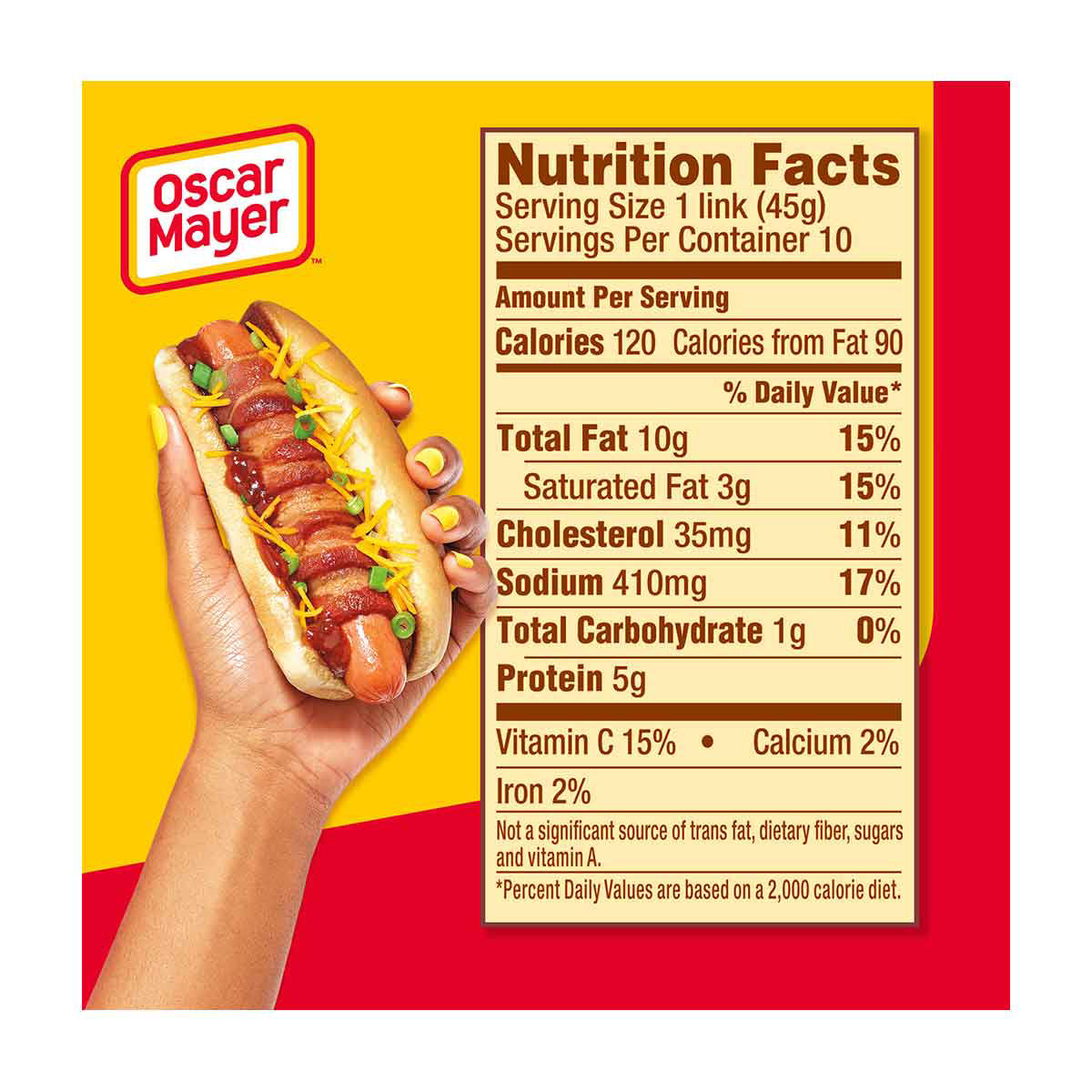
A typical hot dog contains around 150 to 180 calories. Most calories come from fat and protein. A hot dog usually has 10 to 15 grams of fat. Protein content ranges from 5 to 7 grams per serving. Carbohydrates are low, often less than 5 grams. Fat includes both saturated and unsaturated types. The calorie count can increase with toppings and bun size.
Vitamins And Minerals Content
Hot dogs provide small amounts of essential vitamins. Vitamin B12 and niacin are common in meat-based hot dogs. These vitamins support energy and brain health. Hot dogs also contain minerals like iron and zinc. Iron helps carry oxygen in the blood. Zinc supports the immune system. Sodium levels are high, which can affect blood pressure. Watching salt intake is important when eating hot dogs.
Common Ingredients In Hot Dogs
Hot dogs are made from meat, water, and seasonings. Beef, pork, or chicken are popular meat choices. Fillers like bread crumbs or soy protein may be added. Salt, spices, and preservatives enhance flavor and shelf life. Some hot dogs contain nitrates or nitrites as preservatives. These chemicals keep the meat pink and prevent bacteria. Reading labels helps identify ingredients and choose healthier options.
Health Risks Associated With Hot Dogs
Hot dogs are a popular snack but come with health risks. Many concerns arise from their ingredients and processing methods. Understanding these risks helps make better food choices.
Processed Meat Concerns
Hot dogs are processed meats. They contain chemicals to extend shelf life. These chemicals may increase cancer risk. Studies link processed meats to colorectal cancer. Eating them often may harm your health.
Sodium And Preservatives
Hot dogs have high sodium levels. Excess salt can raise blood pressure. Preservatives like nitrates are also common. Nitrates can form harmful compounds in the body. These compounds might increase heart disease risk.
Potential Allergens
Hot dogs may contain allergens like gluten or soy. People with allergies should read labels carefully. Cross-contamination is possible during production. Allergic reactions can range from mild to severe. Avoiding unknown ingredients is safer for sensitive individuals.
Comparing Hot Dogs To Other Meats
Hot dogs are a popular food choice worldwide. People often ask how hot dogs compare to other meats in nutrition and taste. This section explores how beef, chicken, and plant-based options stack up against hot dogs. Understanding these differences helps you make smarter food choices.
Beef
Beef hot dogs contain more fat than lean beef cuts. They provide protein but also have higher saturated fat. Beef is rich in iron and zinc, important for the body. Regular beef cuts offer more nutrients and less processing than hot dogs.
Chicken
Chicken hot dogs usually have less fat than beef hot dogs. They often contain added fillers and preservatives. Plain chicken meat is lean, high in protein, and low in calories. Chicken hot dogs may have less flavor but are lighter on calories.
Plant-based Options
Plant-based hot dogs use soy, peas, or wheat protein. They usually contain less saturated fat and no cholesterol. Many have added vitamins and minerals. The protein content varies but can be similar to meat hot dogs.
Nutritional Differences
Hot dogs often have more sodium than regular meat cuts. They contain preservatives for longer shelf life. Beef and chicken meats provide more natural nutrients. Plant-based options focus on reducing fat and cholesterol. Calories differ based on ingredients and processing.
Taste And Texture Variations
Beef hot dogs have a rich, meaty flavor. Chicken hot dogs are milder and less greasy. Plant-based hot dogs vary, some mimic meat well. Texture can range from soft to firm. Taste preferences depend on personal choice and habits.
Tips For Making Hot Dogs Healthier
Hot dogs can be part of a balanced diet with smart choices. Small changes make hot dogs healthier and more enjoyable. Focus on ingredients, toppings, and portion size to improve nutrition.
Choosing Better Ingredients
Pick hot dogs made from lean meats like turkey or chicken. Look for options with less salt and no added nitrates. Organic or natural hot dogs have fewer chemicals. Choose brands with simple ingredient lists for better quality.
Healthier Toppings And Buns
Use fresh vegetables like tomatoes, onions, and lettuce as toppings. Mustard and salsa add flavor without extra calories. Avoid creamy sauces like mayonnaise or cheese spreads. Choose whole grain or whole wheat buns for more fiber and nutrients.
Moderation And Portion Control
Eat hot dogs in small amounts to avoid too much fat and salt. Pair hot dogs with a side of vegetables or salad. Limit hot dog meals to once or twice a week. Balance your plate with other healthy foods to stay nourished.
Hot Dogs In A Balanced Diet
Hot dogs can fit into a balanced diet when eaten smartly. They are tasty and easy to prepare. Still, they are processed meats and may contain added salt and fats. Knowing how to enjoy them wisely helps keep your diet healthy and varied.
Frequency Of Consumption
Eating hot dogs rarely is best for health. Daily or frequent eating may increase health risks. Treat them like a special food, not a daily meal. Aim to have them once in a while.
Pairing With Nutrient-rich Foods
Combine hot dogs with vegetables like lettuce, tomatoes, or cucumbers. Add whole-grain buns for extra fiber and energy. This mix helps balance the meal with vitamins and minerals. Avoid eating hot dogs alone or with too many processed sides.
Considering Individual Dietary Needs
People with high blood pressure should limit hot dogs due to salt. Those watching calories or fats must choose smaller portions. Kids and active adults can enjoy hot dogs in moderation. Always think about personal health goals and conditions.

Credit: www.gianteagle.com

Credit: shop.gelsons.com
Frequently Asked Questions
Are Hot Dogs A Healthy Food Choice?
Hot dogs are not considered healthy due to high fat, sodium, and preservatives. They offer limited nutrients but are low in vitamins and fiber. Moderation and choosing healthier varieties can reduce health risks.
What Nutrients Do Hot Dogs Contain?
Hot dogs primarily provide protein and fat. They contain some iron and vitamin B12 but lack fiber and essential vitamins. Nutritional value varies by brand and ingredients.
Can Hot Dogs Fit Into A Balanced Diet?
Yes, in moderation hot dogs can fit into a balanced diet. Pair them with vegetables and whole grains to boost nutrition. Avoid frequent consumption to maintain overall health.
Are There Healthier Hot Dog Alternatives?
Healthier alternatives include turkey or chicken hot dogs, plant-based options, and low-sodium varieties. These choices reduce fat and preservatives while offering better nutrition.
Conclusion
Hot dogs can be tasty but are not very healthy. They often contain a lot of salt and fat. Eating them sometimes is okay, but not every day. Choose hot dogs with less additives and more natural ingredients. Add vegetables or whole grain buns to make your meal better.
Balance is key to a healthy diet. Enjoy hot dogs in moderation and keep your meals varied. Your body will thank you for smart food choices.