Choosing the right dog breed isn’t just about looks or personality—it’s about your dog’s health and happiness too. If you want a furry friend who’s less likely to face serious health problems, you need to know which breeds stand out for their strong, resilient bodies.
Imagine having a loyal companion who spends more time playing and less time at the vet. You’ll discover which dog breed has the least amount of health issues and why that matters for you and your future pet. Keep reading to find the perfect match for a long, joyful life together.
Traits Of Healthy Dog Breeds
Healthy dog breeds often share certain traits that help them live longer and feel better. These traits come from their genes, size, and how common the breed is. Understanding these traits can help choose a dog with fewer health problems. It also shows how nature and care affect a dog’s well-being.
These traits can make a big difference in a dog’s life. Dogs with strong genetics tend to avoid many common illnesses. Smaller dogs usually live longer and face fewer serious issues. Less popular breeds often have fewer inherited health problems because of less breeding pressure.
Genetic Factors Influencing Health
Genes play a key role in a dog’s health. Some breeds have strong genes that resist disease. Others carry genes that cause health problems. Breeds with diverse gene pools tend to be healthier. Selective breeding can reduce harmful genes if done right. Healthy genes lower the risk of inherited illnesses.
Role Of Size And Lifespan
Size affects a dog’s health and lifespan. Smaller dogs usually live longer than bigger dogs. Large breeds often face joint and heart problems. Small breeds have fewer age-related diseases. Size also impacts energy levels and care needs. Choosing the right size can mean fewer health issues.
Impact Of Breed Popularity
Popular breeds often face more health problems. High demand leads to rapid breeding, raising risks. Breeders may overlook health to meet demand. Less popular breeds often have healthier gene pools. Popularity can increase genetic diseases. Choosing less common breeds can reduce health risks.
Top Dog Breeds With Few Health Problems
Choosing a dog breed with few health problems helps ensure a long, happy life for your pet. Some breeds are known for their strong genetics and fewer medical issues. These dogs often require less frequent vet visits and lower care costs. Here are some top breeds that tend to be healthier than others.
Basenji
The Basenji is a small, elegant breed with a short coat. It rarely suffers from common genetic diseases. Basenjis have strong hearts and good immune systems. They are active dogs and enjoy regular exercise. Their clean habits make them easier to care for.
Australian Cattle Dog
This breed is tough and built for work. Australian Cattle Dogs have fewer joint problems than many other breeds. They have strong bones and muscles. This dog is very energetic and loves to stay busy. Regular activity keeps them fit and healthy.
Chihuahua
Chihuahuas are tiny dogs with big personalities. They often live long lives with minimal health troubles. This breed can be prone to dental issues, but regular teeth care helps. Chihuahuas adapt well to different living spaces. Their small size means less strain on their bodies.
Shiba Inu
Shiba Inus are sturdy and alert dogs from Japan. They have a good track record for health. This breed rarely faces serious genetic conditions. Shibas enjoy daily walks and playtime. Their thick coat needs regular brushing but not much else.
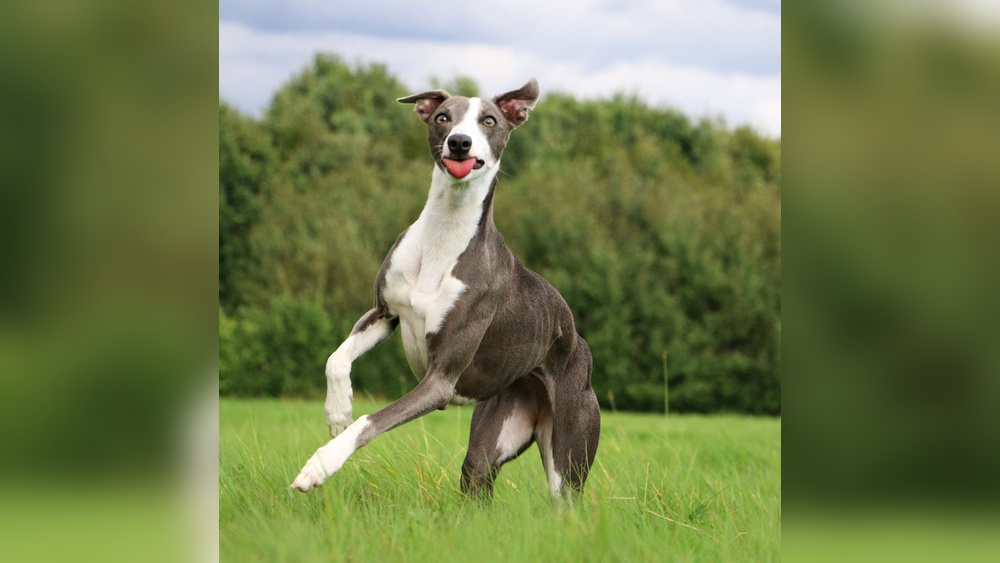
Greyhound
Greyhounds are slim and fast runners. They have surprisingly few health problems for a large breed. Their thin coats keep them cool but require warmth in cold weather. Greyhounds benefit from gentle exercise to maintain muscle tone. They are calm indoors and friendly with families.
Common Health Issues Avoided By These Breeds
Some dog breeds have fewer health problems than others. These breeds often avoid common issues that many dogs face. Knowing which health problems these breeds usually avoid helps owners choose a healthier pet. It also means less worry and fewer vet visits.
Hip Dysplasia
Hip dysplasia is a joint problem causing pain and difficulty walking. Some breeds rarely get this issue because of their strong bone structure. Avoiding hip dysplasia means dogs stay active and happy for longer.
Respiratory Problems
Breeds with short noses often have breathing troubles. Healthy breeds have normal noses that let them breathe easily. This helps dogs play and exercise without getting tired fast.
Skin Allergies
Many dogs suffer from itchy skin and allergies. Some breeds have skin less sensitive to allergens. These dogs avoid constant scratching and skin infections. Their skin stays healthy and comfortable.
Genetic Disorders
Genetic disorders can cause serious health issues. Certain breeds have fewer inherited diseases. This lowers the chance of long-term illness. Dogs with fewer genetic problems live healthier lives.

Credit: www.goodhousekeeping.com
How To Maintain Your Dog’s Health
Keeping your dog healthy takes daily effort and care. Good health improves your dog’s life and happiness. Understanding simple steps helps you protect your dog from many health problems.
Focus on regular habits that support your dog’s well-being. These habits make a big difference in how your dog feels and behaves every day.
Regular Vet Visits
Visit the vet at least once a year for a full check-up. Early detection of health issues saves your dog from serious illness. Vaccinations and parasite control keep your dog safe from common diseases. The vet can give advice about your dog’s specific needs.
Balanced Diet
Feed your dog high-quality food with all essential nutrients. Proper nutrition supports strong bones, a shiny coat, and good energy. Avoid giving too many treats or human food to prevent weight gain. Fresh water should always be available for your dog.
Exercise And Mental Stimulation
Exercise keeps your dog’s body strong and healthy. Walks, playtime, and training sessions help burn energy. Mental games and new challenges keep your dog’s mind sharp. Both physical and mental activities reduce stress and prevent boredom.
Preventive Care Tips
Use flea and tick prevention all year round. Brush your dog’s teeth regularly to avoid dental problems. Groom your dog to check for lumps, skin issues, or injuries. Keep your dog’s living area clean and safe from hazards.
Choosing A Healthy Dog Breed For Your Lifestyle
Choosing a healthy dog breed means finding one that fits your lifestyle well. Health is important, but so is how the dog lives with you. Your daily routine, home space, and activity level all matter. Picking a breed that matches these will keep both you and your dog happy. This guide helps you think about key factors before deciding.
Matching Energy Levels
Some dogs need lots of exercise and play. Others prefer calm and short walks. Choose a dog that fits your energy. If you enjoy running or hiking, active breeds suit you. For quiet days at home, low-energy dogs are better. This match keeps your dog healthy and less stressed.
Grooming Needs
Different breeds need different care. Some have short fur that is easy to brush. Others have long or thick coats needing more grooming. Pick a breed with grooming needs you can handle. Regular grooming helps prevent skin problems and keeps your dog clean.
Space And Environment Considerations
Think about your living space before choosing a dog. Big dogs need more room to move. Small dogs fit well in apartments. Also, consider noise and neighbors. Some dogs bark more and need space to play. Matching your home to the dog’s needs helps avoid stress and health issues.

Credit: www.goodhousekeeping.com

Credit: www.goodhousekeeping.com
Frequently Asked Questions
What Dog Breed Has The Fewest Health Problems?
The Basenji is known for minimal health issues. It has a strong genetic background and fewer hereditary diseases than many breeds. Regular vet checkups still ensure early detection of any health concerns.
Are Mixed Breed Dogs Healthier Than Purebreds?
Yes, mixed breeds often have better health due to genetic diversity. This lowers the risk of inherited diseases common in purebreds, making them generally more resilient and less prone to chronic conditions.
Which Small Dog Breeds Have The Least Health Issues?
Chihuahuas and Shih Tzus are known for relatively few health problems. They require regular care and proper nutrition to maintain their good health and lifespan.
How Does Genetics Affect Dog Breed Health?
Genetics play a major role in a dog’s health. Breeds with limited gene pools may inherit more diseases, while those with diverse genetics tend to be healthier overall.
Conclusion
Choosing a dog breed with fewer health issues can save you time and money. These breeds often live longer and stay active. Remember, every dog needs love, care, and regular vet visits. Health is important, but so is a good match for your lifestyle.
Research breeds carefully before deciding. A happy dog makes a happy home. Keep your new friend healthy with good food and exercise. Simple steps can prevent many problems. Enjoy the journey of finding the right dog for you.