

Are you curious about aggressive breeds of dogs and what makes them different? Understanding these breeds can help you stay safe and make smart choices, whether you’re thinking about bringing a dog into your home or just want to know more.
You might have heard stories or warnings, but the truth is often more complex than you think. Keep reading to discover the facts, debunk common myths, and learn how to handle these dogs with confidence. This knowledge could make all the difference for you and your loved ones.
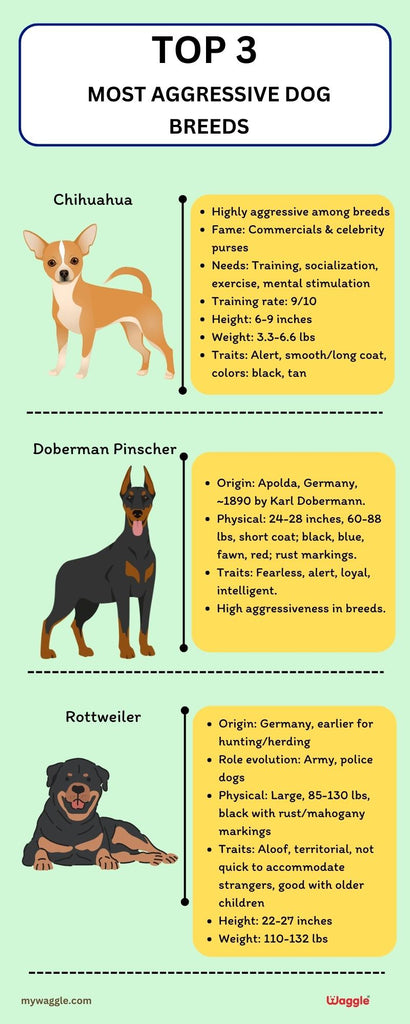
Credit: mywaggle.com
Common Aggressive Dog Breeds
Some dog breeds have a reputation for being more aggressive than others. This reputation often comes from their history, strength, and behavior patterns. Understanding these breeds helps owners manage and train them properly. It also helps people stay safe around unfamiliar dogs.
Pit Bulls
Pit Bulls are strong and muscular dogs. They were bred for fighting in the past. This history can make them aggressive if not trained well. Proper socialization and training reduce aggressive behavior. Many Pit Bulls are friendly and loyal pets.
Rottweilers
Rottweilers are large and powerful dogs. They were used as guard dogs and herders. Their protective nature can seem aggressive to strangers. Training and socializing them early helps control this behavior. They are very loyal to their families.
German Shepherds
German Shepherds are smart and obedient dogs. They work as police and service dogs. Their strong protective instinct can be mistaken for aggression. Good training teaches them when to be calm and alert. They are very trainable and reliable pets.
Doberman Pinschers
Dobermans are fast and alert dogs. They were bred as guard dogs. Their alertness can make them seem aggressive. Early training and socialization are very important. They are affectionate with family but cautious with strangers.
Chow Chows
Chow Chows have a strong and independent nature. They can be reserved and suspicious of strangers. This behavior may come across as aggression. Training helps them learn to trust people. They are loyal but need firm guidance.

Credit: dogacademy.org
Factors Behind Aggression
Understanding why some dog breeds show aggression is important. Aggression does not come from one cause. It grows from many factors working together. These factors include genetics, training, and the dog’s environment. Each plays a key role in shaping a dog’s behavior.
Genetics And Breed Traits
Some dogs inherit traits that make them more protective or alert. These traits can seem like aggression. Breeds were often made for guarding or hunting. These jobs need dogs to be watchful and strong. Their genes can make them more likely to react quickly to threats.
Training And Socialization
How a dog is trained changes its behavior a lot. Good training teaches a dog how to behave calmly. Socialization helps dogs get used to people and other animals. Dogs without this can feel scared or nervous. Fear can lead to aggressive actions.
Environment And Upbringing
The place where a dog grows up matters too. Dogs in loving homes feel safe and relaxed. Harsh or neglectful homes make dogs stressed. Stress and fear often cause aggression. Early care and attention help dogs become friendly and confident.
Signs Of Aggressive Behavior
Aggressive behavior in dogs can be hard to miss. Recognizing early signs helps prevent problems. Dogs show aggression in many ways. Learning these signs keeps you and others safe.
Body Language Cues
Body language tells a lot about a dog’s mood. Watch for stiff posture and raised hackles. A dog that stares directly and holds its tail high may feel aggressive. Ears pinned back or lowered can also signal trouble. Look for baring teeth or wrinkled nose. These signs mean the dog feels threatened or ready to attack.
Vocalizations And Growling
Growling is a clear warning sign. It signals discomfort or anger. Barking loudly and sharply may also show aggression. Some dogs snarl or snap without biting. Pay attention to deep, low sounds. These vocal signs warn others to stay away. Ignoring them can lead to bites or fights.
Situational Triggers
Certain situations can trigger aggressive behavior. Dogs may get aggressive around food or toys. Protecting their space or puppies is common. Strange people or animals nearby can cause fear aggression. Pain or illness also makes dogs irritable. Watch your dog’s reaction in new or stressful moments.
Preventing Aggression In Dogs
Preventing aggression in dogs is key to a happy and safe home. Aggression can start early but can be managed well with the right steps. Owners must focus on good habits from puppyhood to keep dogs calm and friendly.
Early Socialization Techniques
Expose puppies to different people, animals, and places early. This helps them feel safe in new situations. Gentle introductions reduce fear and build confidence. Socialization stops dogs from becoming scared or aggressive later.
Consistent Training Methods
Use simple, clear commands every day. Reward good behavior with treats or praise. Avoid harsh punishments, which can increase fear or anger. Training builds trust and teaches dogs how to behave calmly.
Safe Handling Practices
Always approach dogs calmly and quietly. Avoid sudden moves or loud noises that startle them. Learn to read body language to spot stress signs early. Safe handling helps prevent aggressive reactions and builds a strong bond.
Legal And Safety Considerations
Understanding legal and safety considerations for aggressive dog breeds is very important. Laws vary widely by location and affect owners and the public. Safety rules help protect people and other animals from harm. Owners must know their responsibilities and follow the rules.
Breed-specific Legislation
Many places have laws targeting specific dog breeds. These laws may ban or restrict breeds seen as dangerous. Owners might need special permits or must follow strict rules. The goal is to reduce dog attacks and injuries. Knowing local laws helps avoid fines and legal trouble.
Liability And Owner Responsibility
Owners are legally responsible for their dog’s actions. If a dog bites or hurts someone, the owner may face lawsuits. Keeping dogs under control is key to safety. Training and socializing aggressive breeds helps prevent problems. Owners should have proper insurance for liability protection.
Public Safety Measures
Public safety rules protect everyone near aggressive breeds. Leashes, muzzles, and secure fencing are common requirements. Dog parks and public spaces may have special rules. Educating the public about dog behavior can reduce fear and accidents. Safety helps build trust between dog owners and the community.
Myths Vs. Facts About Aggressive Breeds
Many people believe certain dog breeds are naturally aggressive. This idea comes from myths and stories passed down over time. It is important to separate myths from facts about aggressive dog breeds. Understanding the truth helps us treat dogs fairly and keep communities safe.
Media Influence
The media often shows aggressive dogs in a negative light. News reports focus on attacks involving certain breeds. This creates fear and bias against these dogs. Rare cases get more attention than normal behavior. This shapes public opinion unfairly.
Misconceptions About Breed Behavior
People think some breeds are born to be dangerous. Genetics alone do not determine a dog’s behavior. Training, environment, and owner care matter more. Aggression can appear in any breed under stress. Labeling breeds as aggressive causes misunderstanding.
Real Risks And Statistics
Studies show no breed is the most aggressive by nature. Some breeds may have stronger bites but are not always more violent. Most dog bites come from family pets, not specific breeds. Proper training and socialization reduce risks effectively.

Credit: wagwalking.com
Frequently Asked Questions
What Defines An Aggressive Breed Of Dog?
Aggressive breeds are dogs with a higher tendency to show aggression. This behavior can be due to genetics, training, or environment. However, aggression varies individually within breeds. Proper socialization and training can reduce aggressive tendencies significantly.
Are Aggressive Dog Breeds Dangerous To Families?
Some aggressive breeds can pose risks if not trained well. However, many aggressive breeds are loving with proper guidance. Supervision and training are key to ensuring safety for families and pets.
How Can I Identify Aggressive Behavior In Dogs?
Signs include growling, snarling, biting, and raised hackles. Aggressive dogs may also show stiff body posture or intense staring. Early recognition helps in managing and preventing aggressive incidents effectively.
Can Training Reduce Aggression In Certain Dog Breeds?
Yes, consistent training and socialization greatly reduce aggression. Positive reinforcement and early exposure to various situations help dogs adapt calmly. Professional trainers can assist in managing aggressive behaviors properly.
Conclusion
Aggressive dog breeds need careful training and socialization. Owners must understand each dog’s behavior and needs well. Proper care helps prevent unwanted aggression and builds trust. Every dog, regardless of breed, deserves love and respect. Safety and kindness create a happy home for dogs and people.
Learning about dog behavior helps us live together peacefully. Choose pets wisely and treat them with patience and care. Good habits make all dogs better companions.


