

Are you considering adding a furry friend to your family but worried about allergies? You’re not alone.
Many people wonder if certain dog breeds, like Dachshunds, are hypoallergenic and safe for allergy sufferers. Understanding whether Dachshunds trigger allergies can save you from sneezing fits and discomfort. You’ll discover the truth about Dachshunds and allergies, helping you make the best choice for your home and health.
Keep reading to find out if a Dachshund is the right companion for you.

Credit: pawblooms.com
Dachshund Breed Overview
Dachshunds are small dogs with a big personality. They are known for their long bodies and short legs. This unique shape makes them stand out in any crowd. Originally, they were bred to hunt badgers and other burrowing animals.
These dogs are lively and love to explore. Their curious nature makes them great companions for active families. Dachshunds come in various coat types and colors, adding to their charm.
Physical Traits
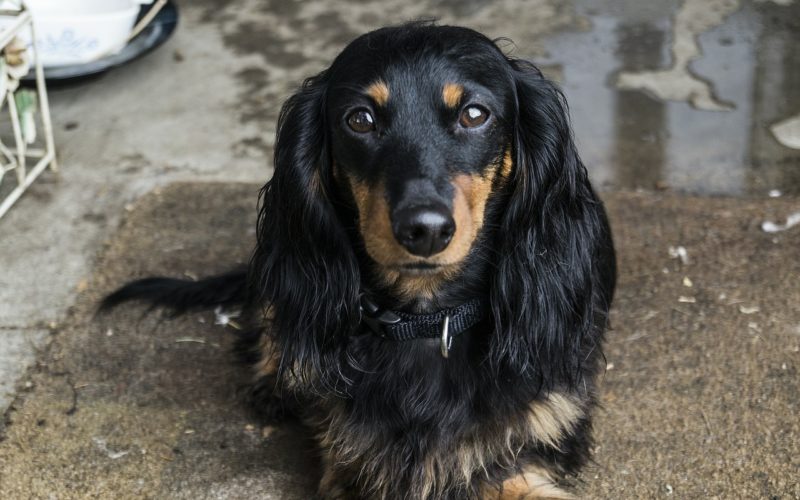
Dachshunds have a long torso and short, strong legs. Their size is small but sturdy. They weigh between 16 to 32 pounds. Their coat can be smooth, long, or wire-haired. Common colors include red, black, tan, and dapple. Their ears are floppy and their eyes bright and alert.
Temperament
Dachshunds are brave and confident dogs. They can be stubborn but are very loyal. They enjoy being close to their owners and can be good watchdogs. These dogs are playful and love to dig and chase. Early training helps manage their strong-willed nature. They usually get along well with children and other pets.
What Does Hypoallergenic Mean?
Understanding what hypoallergenic means helps many dog lovers. It refers to pets less likely to cause allergies. People with allergies often seek these breeds. The term does not mean allergy-free. It means the pet may cause fewer allergic reactions.
Common Allergens
Allergens come from pet dander, saliva, and urine. Dander is tiny skin flakes that pets shed. These small particles float in the air and stick to surfaces. Saliva and urine also carry proteins that trigger allergies. When pets lick their fur, allergens spread further. Different dog breeds produce different allergen levels. Coat type and shedding affect allergen amounts. Low-shedding dogs often cause fewer allergic reactions. Still, no dog is 100% allergen-free.
Myths And Facts
Many believe hypoallergenic dogs do not shed at all. This is a myth. Some hypoallergenic breeds shed very little, but still shed. Another myth says hairless dogs never cause allergies. Even hairless dogs produce dander and saliva. Allergies depend on individual sensitivity, not just breed. Some people react to certain breeds more than others. Testing time with a dog is best for allergy sufferers. This helps find a good match and avoid surprises.
Dachshunds And Allergies
Dachshunds are popular for their long bodies and short legs. Many people wonder if they cause allergies. Allergies happen because of proteins in a dog’s skin, saliva, or urine. These proteins can spread through dander or fur. Understanding how Dachshunds affect allergies helps decide if they fit your home.
Not all dogs cause the same allergy reactions. Some dogs shed less and produce less dander. Dachshunds have unique coats that affect shedding and allergy triggers. Let’s explore these details to learn more about Dachshunds and allergies.
Shedding And Dander Levels
Dachshunds have three coat types: smooth, long-haired, and wire-haired. Smooth-coated Dachshunds shed the least. Long-haired Dachshunds shed more fur but less dander. Wire-haired Dachshunds shed moderate amounts of both. Dander is a common allergy cause. The less dander a dog produces, the fewer allergy symptoms it may cause.
Regular brushing reduces loose fur and dander. Bathing your Dachshund can also help lower dander levels. Keep your home clean to reduce dander buildup. Vacuum floors and furniture often. This helps people with mild allergies feel better around Dachshunds.
Allergy Triggers In Dachshunds
Allergy triggers include proteins in skin flakes, saliva, and urine. Dachshunds lick themselves often, spreading saliva proteins on fur. These proteins can cause sneezing, itching, or watery eyes. Some people react more strongly to dog saliva than dander.
Each Dachshund produces different amounts of allergens. No dog breed is 100% hypoallergenic. Allergies depend on the person’s sensitivity and exposure. Spending time with a Dachshund before adopting helps test allergy reactions. This step lowers the chance of surprises later.
Credit: canna-pet.com
Comparing Hypoallergenic Breeds
Comparing hypoallergenic dog breeds helps allergy sufferers find the right pet. Different breeds shed different amounts of hair and dander. Some dogs cause fewer allergic reactions because they shed less. This section looks at popular low-shedding breeds and their suitability for allergy sufferers.
Low-shedding Alternatives
Many hypoallergenic breeds shed very little hair. Poodles and Bichon Frises are known for low shedding. Their curly coats trap loose hair and dander. Schnauzers and Portuguese Water Dogs also shed less than other breeds. These dogs need regular grooming to keep their coats healthy. Low shedding does not mean no shedding. It reduces allergens in the environment.
Suitability For Allergy Sufferers
Allergy sufferers react mostly to dander, not hair. Hypoallergenic breeds produce less dander or keep it trapped in their coat. People with mild allergies may tolerate these dogs well. Severe allergies may still cause reactions. It is important to spend time with a dog before adopting. Every person’s allergy triggers are different. Choosing a hypoallergenic breed can improve comfort and quality of life.
Managing Allergies With Dachshunds
Managing allergies with Dachshunds takes effort and care. These dogs are not fully hypoallergenic. They shed and produce dander, which can cause allergic reactions. Understanding how to reduce allergens helps many allergy sufferers enjoy life with Dachshunds.
Simple steps in grooming and home care lower allergens. These methods do not stop allergies completely but can make symptoms milder. Consistent care makes living with a Dachshund easier for allergy-sensitive people.
Grooming Tips
Regular brushing removes loose hair and dander. Use a soft brush designed for short-haired dogs. Brush your Dachshund at least twice a week. Bathing your dog every month helps reduce allergens on the skin. Use gentle, hypoallergenic dog shampoo. Dry your dog well to avoid skin irritation. Clean ears and trim nails often to keep your pet healthy. Grooming outside the house lowers indoor allergens.
Home Environment Adjustments
Keep your home clean and dust-free. Vacuum floors and furniture frequently with a HEPA filter vacuum cleaner. Wash your dog’s bedding and toys weekly. Use air purifiers in rooms where your Dachshund spends time. Avoid letting your dog sleep in your bed. Choose smooth, easy-to-clean furniture. Remove carpets or use washable rugs. Open windows to improve air circulation. These small changes reduce allergen levels indoors.

Credit: embarkvet.com
Personal Experiences And Expert Opinions
Understanding if Dachshunds are hypoallergenic requires hearing from real people and experts. Personal stories show how these dogs affect allergy sufferers daily. Expert opinions add facts and clear doubts. Both views help to form a better picture.
Allergy Sufferer Stories
Many allergy sufferers have tried living with Dachshunds. Some say their symptoms stayed mild. Others noticed sneezing and itchy eyes after a short time. The dog’s coat type seems to matter a lot. Smooth-haired Dachshunds may cause fewer reactions than long-haired ones. Cleaning the home often also helps reduce allergens. Personal experiences vary a lot, so it’s best to spend time with a Dachshund first.
Veterinarian Insights
Veterinarians explain that no dog breed is fully hypoallergenic. Dachshunds shed hair and dander, which can trigger allergies. The amount of allergens depends on the dog’s coat and care. Regular grooming and baths reduce loose hair and dander. Experts suggest allergy sufferers try short visits with the dog before adoption. They also recommend allergy testing and consulting an allergist for better guidance.
Frequently Asked Questions
Are Dachshunds Considered Hypoallergenic Dogs?
No, Dachshunds are not hypoallergenic. They shed dander and hair, which can trigger allergies in sensitive people. Hypoallergenic breeds typically shed less or produce fewer allergens.
Do Dachshunds Cause Allergies In Sensitive Individuals?
Yes, Dachshunds can cause allergies. Their fur and dander may irritate allergy sufferers. Regular grooming can help reduce allergens but won’t eliminate allergic reactions entirely.
Can Grooming Reduce Dachshund Allergy Symptoms?
Grooming can reduce allergens by removing loose fur and dander. Frequent brushing and baths help minimize allergens but do not make Dachshunds fully hypoallergenic for sensitive people.
What Dog Breeds Are Hypoallergenic Alternatives To Dachshunds?
Hypoallergenic alternatives include Poodles, Bichon Frises, and Maltese. These breeds shed less and produce fewer allergens, making them better choices for allergy sufferers than Dachshunds.
Conclusion
Dachshunds are not truly hypoallergenic dogs. They shed fur and dander, which can trigger allergies. People with mild allergies might handle them better than others. Regular grooming helps reduce allergens but does not remove them completely. Choosing a dog depends on your allergy sensitivity and lifestyle.
Consider spending time with a dachshund before adopting. This helps you see how your body reacts. Remember, no dog breed is 100% allergy-free. Understanding this helps you make a smart choice for your home and health.


