Are you curious about which dog breeds are the biggest? Whether you’re thinking about adding a gentle giant to your family or just love learning about impressive dogs, knowing the largest breeds can surprise you.
These dogs aren’t just big in size—they often have big hearts and unique personalities too. Keep reading to discover which breeds stand out for their size and what makes them truly special. Your next furry friend might just be one of these towering companions!
Largest Dog Breeds By Size
Largest dog breeds by size capture attention with their impressive stature. These dogs often stand tall and weigh much more than average breeds. Their size can be both a charm and a challenge for owners. Understanding their size helps in caring for them properly.
Many people wonder how size is measured and what affects it. Below, we explore how experts measure height and weight. We also look at factors influencing a dog’s size.
Measuring Height And Weight
Height is usually measured from the ground to the top of the shoulders. This point is called the withers. Weight is the total mass of the dog at a given time. Both height and weight vary within the breed. This depends on the dog’s age, sex, and health. Measuring correctly helps compare sizes among breeds.
Factors Influencing Size
Genetics play a major role in a dog’s size. Large breeds inherit genes for taller and heavier bodies. Nutrition also affects growth and final size. Poor diet can stunt growth, while good food supports it. Exercise and living conditions impact muscle and weight too. Age matters; puppies grow until fully mature. Gender influences size, with males often larger than females.

Credit: www.youtube.com
Top Giant Dog Breeds
Giant dog breeds are known for their impressive size and gentle nature. These dogs often become loyal family members. They need space and care to stay healthy and happy.
Each giant breed has unique traits. Some are great for guarding, while others are perfect companions. Here are some of the top giant dog breeds you should know about.
Great Dane
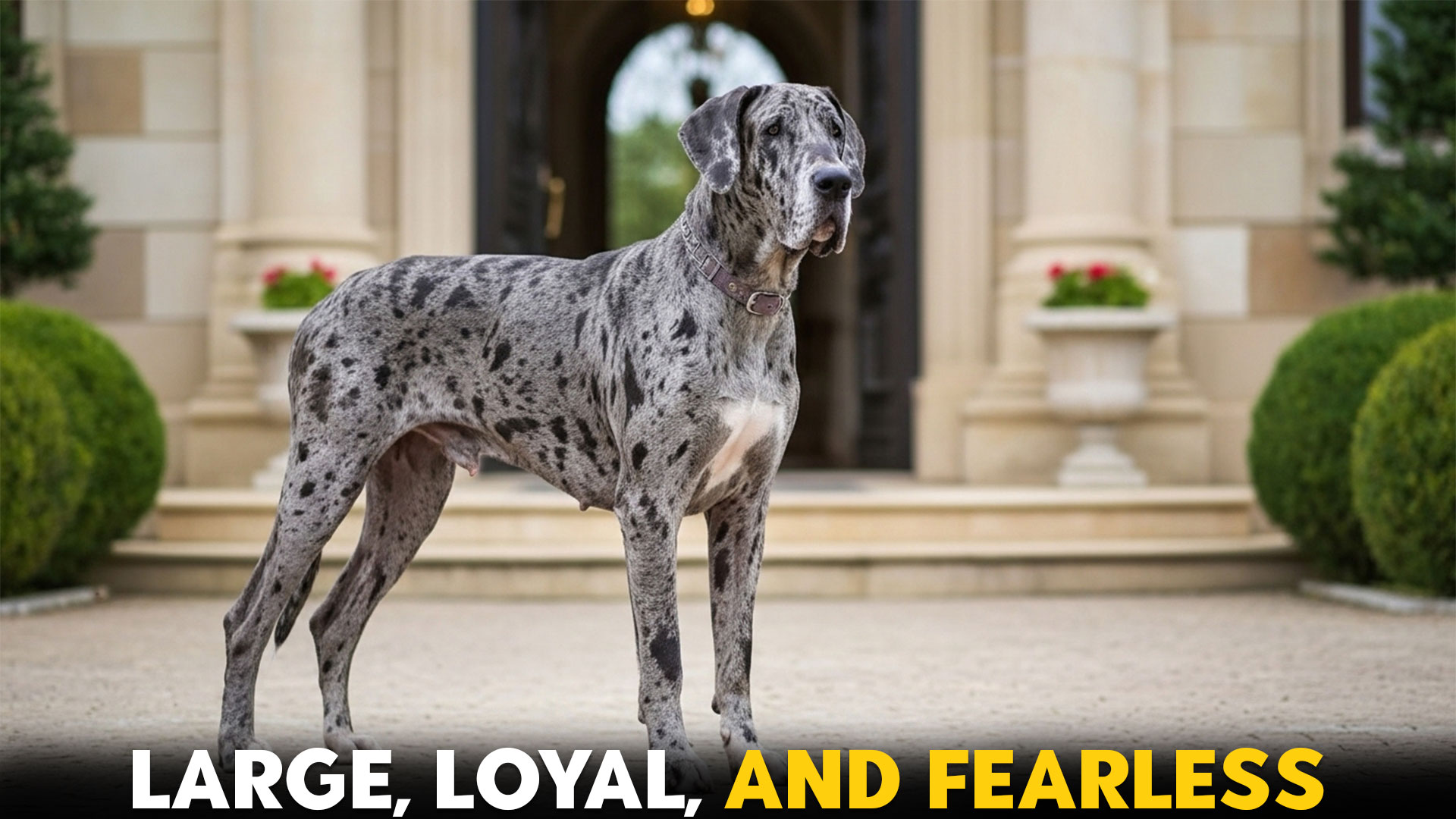
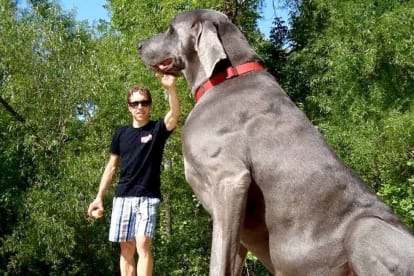
Great Danes are tall and elegant. They can stand over 30 inches tall. Despite their size, they are friendly and calm. These dogs enjoy being with people. They need regular exercise and a soft bed.
English Mastiff
English Mastiffs are among the heaviest dogs. They have a strong, muscular build. These dogs are gentle giants with a protective instinct. They do well in quiet homes. Proper training is important for them.
Saint Bernard
Saint Bernards are famous for rescue work in mountains. They have thick fur and a big heart. These dogs are patient and great with kids. They need space to move around freely. Grooming is key for their thick coat.
Irish Wolfhound
Irish Wolfhounds are tall and slender. They were bred for hunting wolves long ago. These dogs are calm and kind. They enjoy long walks and open spaces. Their short coat is easy to care for.
Newfoundland
Newfoundlands are strong swimmers and great helpers. They have thick, water-resistant fur. These dogs are gentle and protective of children. They need regular exercise and love water activities. Grooming keeps their coat healthy.
Temperament Of Giant Breeds
Giant dog breeds have a unique temperament that sets them apart. Their size often surprises people, but their gentle nature stands out more. Understanding their temperament helps owners care for them better.
Gentle Giants
Many giant breeds are calm and kind. They rarely show aggression. Their large size can feel scary, but they usually have soft hearts. These dogs enjoy quiet time and gentle pets.
Exercise Needs
Big dogs need regular exercise to stay healthy. Short walks and playtime are enough for some. They do not require intense workouts. Exercise helps prevent joint problems and keeps them happy.
Social Behavior
Giant breeds often enjoy socializing with people and other dogs. They can be protective but not overly aggressive. Early socialization helps them behave well in different settings. They thrive in loving, calm environments.
Care Tips For Giant Dogs
Caring for giant dogs needs special attention. Their size affects daily life and health. Knowing their needs helps keep them happy and healthy.
Big dogs need more food, space, and care than smaller breeds. They grow fast and have unique health risks. Proper care supports their strong bodies and long lives.
Feeding Requirements
Giant dogs eat more than small dogs. Their food must have balanced nutrients. Protein and fat support muscle and energy. Avoid overfeeding to prevent weight problems. Feed them large-breed dog food for joints and bones. Divide meals into two or three servings daily.
Health Concerns
Large dogs face joint and heart problems. Hip dysplasia and arthritis are common. Regular vet visits catch issues early. Exercise helps keep their weight in check. Watch for breathing problems and bloat risks. Early care improves their quality of life.
Living Space Considerations
Big dogs need plenty of room to move. Small apartments can be tough for them. A large yard or open area suits them best. Provide a big, comfortable bed for resting. Avoid slippery floors to protect their joints. Space helps reduce stress and keeps them active.
Choosing The Right Giant Dog
Choosing the right giant dog is a big decision. These dogs need space, care, and time. They bring joy but also many responsibilities. It is important to think about your home, habits, and future plans. Giant dogs can be great companions if chosen wisely.
Assessing Lifestyle Compatibility
Giant dogs need room to move and play. Small apartments might not be the best place for them. They often require daily exercise and outdoor time. Consider how active you are and your daily schedule. A calm, quiet lifestyle might not suit an energetic giant dog. Think about your family members and any other pets too.
Training Challenges
Training a giant dog takes patience and consistency. Their size makes early training very important. Poor training can lead to problems later. These dogs need clear rules and socialization from the start. Expect to spend time teaching basic commands and manners. Training helps keep them safe and happy.
Long-term Commitment
Giant dogs live around 6 to 10 years. They need regular vet visits and good food. Their size can mean higher costs for health care and supplies. Think about your future plans and financial ability. Caring for a giant dog is a long-term promise. They rely on you for love and care every day.
Credit: worldanimalfoundation.org
Credit: www.mensxp.com
Frequently Asked Questions
What Are The Largest Dog Breeds By Weight?
The largest dog breeds by weight include English Mastiffs, Saint Bernards, and Great Danes. They can weigh over 150 pounds. These breeds are known for their massive size and gentle temperament. Proper care is essential due to their size.
Which Dog Breed Grows The Tallest?
Great Danes are the tallest dog breed, often reaching 30-34 inches at the shoulder. They are known as “gentle giants” due to their height and friendly nature. Their long legs and lean bodies contribute to their impressive stature.
Are Big Dog Breeds Good Family Pets?
Yes, many big dog breeds are excellent family pets. Breeds like Newfoundlands and Bernese Mountain Dogs are gentle, loyal, and protective. They require proper training and socialization. Their size demands space and regular exercise.
How Much Exercise Do Giant Dog Breeds Need?
Giant dog breeds need moderate daily exercise, around 30-60 minutes. Activities like walks and playtime help maintain their health and prevent obesity. Over-exercising young large dogs can harm their joints, so balance is key.
Conclusion
Big dog breeds bring strength and loyalty to many homes. They need space to move and regular exercise. Owners must be ready for their size and care needs. These dogs often have gentle hearts despite their size. Choosing a big breed means choosing a big companion.
Each breed has unique traits to learn about. Enjoy the journey of knowing these amazing dogs well. Big dogs can be loving friends for years. They truly make a special place in families.