

Have you ever wondered why your dog acts the way it does around other dogs or even around you? Understanding pack behavior in domestic dogs can unlock the secrets to your furry friend’s actions and help you build a stronger bond.
When you grasp how dogs naturally think and behave in groups, you’ll see your pet in a whole new light. Ready to discover what makes your dog tick and how you can use this knowledge to improve your relationship? Keep reading to uncover the fascinating world of pack behavior in domestic dogs.

Credit: www.science.org
Pack Structure In Dogs
Dogs are social animals. They naturally form groups called packs. These packs have a clear structure. This structure helps dogs live together in harmony. It guides their behavior and interactions.
Understanding pack structure is important. It explains how dogs relate to each other. It also shows how they find their place in the group.
Roles Within The Pack
Each dog in a pack has a role. Some dogs lead and make decisions. Others follow and support the leader. Roles include protectors, hunters, and caregivers. These roles help the pack survive and thrive. Dogs work together to keep the group safe.
Hierarchy And Leadership
The pack has a clear hierarchy. This is a ranking system from top to bottom. The leader is usually called the alpha. The alpha guides the pack and keeps order. Other dogs know their place in the rank. This reduces fights and confusion. Leadership can change with time or challenges.
Influence Of Breed On Pack Behavior
Different dog breeds show different pack behaviors. Some breeds are more independent. Others rely heavily on the pack. Working breeds often take active roles in the pack. Toy breeds may act more like followers. Breed traits influence how dogs behave in groups.
Communication Among Pack Members
Dogs are social animals. They live and work in groups called packs. Communication among pack members is very important. It helps dogs share information, stay safe, and work as a team. Dogs use many ways to talk to each other. These include body language, sounds, and scents. Understanding these signals can help us better care for our pets.
Body Language Signals
Dogs use their bodies to send messages. Tail wagging shows excitement or friendliness. A stiff body or raised hackles can mean fear or aggression. Eye contact or looking away also has meaning. A relaxed body means calm and trust. Watching these signs helps us know what dogs feel.
Vocalizations And Their Meanings
Dogs make many sounds to communicate. Barking can warn of danger or invite play. Growling shows discomfort or a threat. Whining often means stress or a need for attention. Howling can signal location or call to the pack. Listening to these sounds helps us understand dogs better.
Scent Marking And Territory
Dogs use scent to mark their space. They leave smells from glands on their bodies. Urine marking is common to claim territory. These scents tell other dogs who is nearby. Scent signals also share information about identity and status. This helps keep the pack safe and organized.
Social Bonds And Relationships
Domestic dogs form strong social bonds with each other and with humans. These relationships shape their behavior and well-being. Dogs rely on social connections for safety, comfort, and cooperation. Understanding these bonds helps us care for them better.
Social bonds in dogs resemble a pack structure. Each dog finds a role and builds trust with others. These connections impact how dogs interact every day.
Formation Of Alliances
Dogs create alliances to strengthen their position in the group. They pick friends based on trust and shared goals. Alliances help dogs protect each other and access resources. New dogs learn quickly who to trust and follow. These bonds reduce stress and create stability in the pack.
Conflict Resolution
Conflicts happen often within dog groups. Dogs use body language to avoid fights. Growling or staring warns others to back down. Older or stronger dogs may step in to calm tensions. Quick resolution keeps the group peaceful and united. Dogs that resolve conflicts well gain respect.
Cooperation And Play
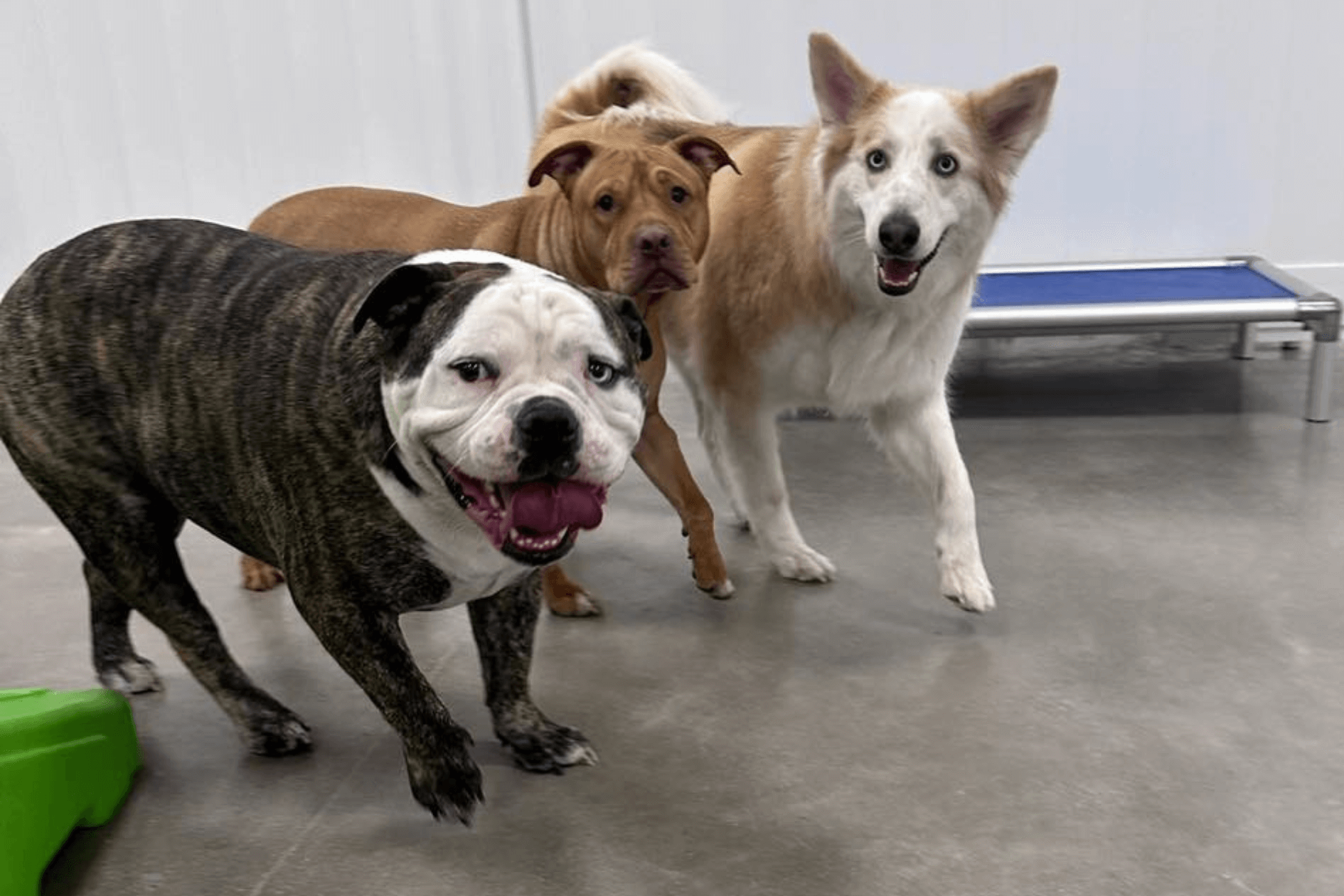
Play is a key way dogs build cooperation. Play teaches dogs to read social cues and control their strength. It helps dogs learn teamwork and problem-solving skills. Dogs often share tasks like hunting or guarding in groups. Cooperation ensures survival and strengthens social ties.
Credit: houndstownusa.com
Impact Of Human Interaction
Human interaction shapes how domestic dogs show pack behavior. Dogs see their human family as their pack. This changes their natural instincts and social actions. Understanding this impact helps owners build strong bonds with their dogs.
Human care teaches dogs new ways to live and behave. Dogs learn to trust and follow their owners. This creates harmony in the home and helps dogs feel safe.
Adapting Pack Behavior To Human Families
Dogs adjust their pack roles to fit human families. The owner often becomes the “alpha” or leader. Dogs look for guidance and protection from humans. This role change helps dogs follow rules and routines. It also reduces conflicts within the pack.
Training And Socialization Effects
Training shapes how dogs behave in a pack. Positive training encourages good manners and respect. Socialization helps dogs meet new friends and stay calm. Both training and socialization reduce fear and aggression. They teach dogs how to share space peacefully.
Challenges In Multi-dog Households
Multiple dogs in one home create complex pack dynamics. Dogs may compete for attention and resources. This can cause fights or jealousy. Owners must watch closely and manage conflicts. Proper training and clear rules help keep peace.
Behavioral Issues Linked To Pack Dynamics
Pack behavior deeply influences how dogs act around people and other animals. Problems can arise from confusion about roles in the family group. These issues often show up as challenging behaviors. Understanding these helps in managing and training dogs better.
Dogs see their human family like a pack. This view shapes their social actions and reactions. Sometimes, this leads to unwanted behaviors that owners need to recognize.
Aggression And Dominance
Dogs may act aggressive to protect their place in the pack. This behavior can be toward other dogs, people, or even family members. Dominance struggles happen when dogs try to lead or control others. Owners might see growling, biting, or stiff body language. Knowing the cause helps reduce these aggressive acts.
Separation Anxiety
Pack animals feel stress when left alone. Dogs may panic if they lose contact with their pack members. This anxiety shows as barking, chewing, or trying to escape. It happens because dogs want to stay close to their group. Helping dogs feel safe can ease this fear.
Resource Guarding
Dogs guard food, toys, or resting spots to keep their resources safe. This behavior comes from protecting pack assets. Guarding can cause growling or snapping if others get too close. It signals a dog’s need to hold on to what they value. Training can teach dogs to share and relax.
Enhancing Pack Harmony
Enhancing pack harmony in domestic dogs helps create a peaceful and balanced home. Dogs are social animals. They feel safer and happier in a well-organized group. When dogs live together peacefully, stress lowers and trust grows. Owners play a key role in shaping this harmony. Understanding dog pack behavior makes it easier to improve social bonds and reduce conflicts.
Good pack harmony means dogs respect each other and follow clear rules. This balance helps dogs enjoy their daily life more. It also strengthens the bond between dogs and their owners. Simple steps can promote positive behavior and create a calm environment for all dogs in the pack.
Promoting Positive Social Interactions
Encourage dogs to greet each other gently. Teach them to share toys and space without tension. Use rewards like treats and praise for calm behavior. Supervise playtime and step in if it gets too rough. Regular socialization with other dogs helps build good habits. Calm dogs are more likely to respect their packmates.
Effective Leadership By Owners
Owners must show confident and calm leadership. Dogs need clear rules to follow every day. Consistency in commands and routines helps dogs feel secure. Firm but kind guidance prevents confusion and fights. Leaders set the tone for the pack’s behavior. When dogs trust their owner, they follow instructions better.
Environmental Enrichment
Provide toys and activities that keep dogs busy. Mental and physical exercises reduce boredom and anxiety. Create separate resting spots for each dog. Space helps avoid competition and stress. Rotate toys and activities to keep dogs interested. A rich environment supports happy and balanced pack behavior.
Credit: www.ancarereyns.com
Frequently Asked Questions
What Is Pack Behavior In Domestic Dogs?
Pack behavior refers to the social structure dogs naturally form. It involves hierarchy, communication, and cooperation within a group.
How Does Pack Behavior Affect Dog Training?
Understanding pack behavior helps trainers establish leadership. It promotes respect, reduces aggression, and improves obedience in dogs.
Why Do Dogs Follow A Pack Leader?
Dogs follow a pack leader for guidance and security. This mimics their wild ancestors’ survival strategy in groups.
Can Pack Behavior Cause Aggression In Dogs?
Yes, pack behavior can lead to aggression if hierarchy is unclear. Proper training and socialization reduce such risks.
Conclusion
Pack behavior helps dogs feel safe and happy. Dogs follow leaders and work together naturally. This behavior shows in how they play and live with people. Understanding pack behavior builds a stronger bond with your dog. It helps you train and care for them better.
Dogs need clear rules and love to thrive. Respecting their nature makes life easier for both. Watching your dog’s pack habits reveals their true feelings. Simple actions create trust and good behavior. Pack behavior is part of what makes dogs special.

