

Are you worried about your dog showing signs of aggression? Understanding aggressive dog behavior is key to keeping everyone safe and happy.
Whether your dog growls, snaps, or acts out unexpectedly, knowing why this happens can help you take the right steps to manage it. You’ll discover the common triggers behind aggressive behavior and simple ways to handle them. Keep reading—you’ll gain the confidence to protect your dog and those around you.
Common Causes Of Aggression
Aggressive behavior in dogs can be scary and confusing. Understanding what causes aggression helps in managing and preventing it. Dogs show aggression for many reasons. Some causes come from their body, others from their surroundings.
Knowing the common causes helps owners act early. It also helps trainers and vets give the right care. Below are some key reasons dogs may act aggressively.
Genetic Factors
Some dogs inherit traits that make them more prone to aggression. Certain breeds have stronger guarding or protective instincts. These traits can increase aggressive behavior if not controlled. Genetics alone do not cause aggression but can raise the risk.
Environmental Triggers
Dogs react to their environment. Loud noises, crowded places, or strange people can stress them. A stressful environment often leads to aggressive responses. Poor socialization or rough handling during puppyhood can also cause aggression. A calm and safe environment lowers the chance of aggressive acts.
Health Issues
Pain or illness can make a dog aggressive. Dogs may bite if they hurt or feel weak. Conditions like dental problems or injury often cause sudden aggression. Regular vet checks help spot health issues early. Treating health problems often reduces aggressive behavior.
Fear And Anxiety
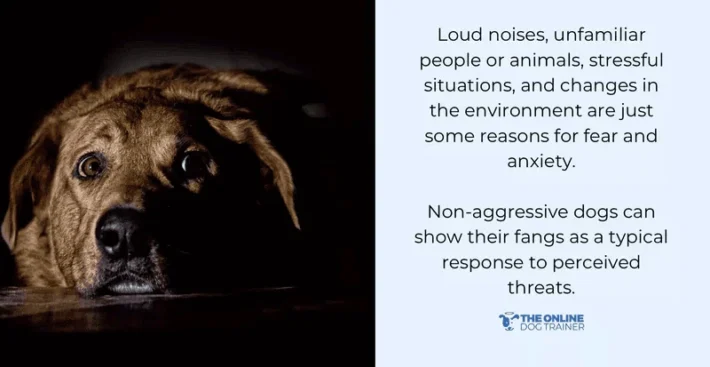
Fear is a common cause of aggression in dogs. When a dog feels scared, it may act aggressively to protect itself. Anxiety can make dogs nervous and unpredictable. Separation anxiety or past trauma can increase fear-based aggression. Helping a dog feel safe can lower aggressive reactions.
Credit: theonlinedogtrainer.com
Types Of Aggressive Behavior
Dogs show aggression in different ways. Understanding these types helps in managing their behavior. Each type has unique signs and reasons. Recognizing them is the first step to better care and training.
Territorial Aggression
Territorial aggression happens when a dog protects its space. This can be the home, yard, or even a spot at the park. The dog may growl, bark, or snap at strangers. It acts to keep others away from its territory.
Protective Aggression
Protective aggression occurs when a dog defends its family or pack. The dog sees people or animals as threats. It may stand between the threat and its loved ones. This behavior shows strong loyalty and care.
Possessive Aggression
Possessive aggression appears when a dog guards food, toys, or other items. The dog may growl or snap to keep others away. This behavior shows the dog wants to keep what it values safe. It can happen with people or other pets.
Pain-induced Aggression
Pain-induced aggression happens when a dog feels hurt or sick. The dog may bite or snap if touched in a painful area. This is a natural defense to avoid more pain. Treating the pain can reduce this aggression.
Preventing Aggression Early
Preventing aggression in dogs starts early in their lives. Early steps can stop bad habits from forming. It helps dogs grow calm and friendly. Owners also learn how to handle their pets safely. This section covers ways to reduce aggressive behavior before it begins.
Socialization Techniques
Expose dogs to many people and animals. Gentle and regular meetings build confidence. New sights and sounds should be introduced slowly. Positive experiences teach dogs to trust others. Puppies learn how to behave in groups. This reduces fear and aggression later.
Proper Training Methods
Use clear and simple commands. Reward good behavior with treats or praise. Avoid harsh punishments that cause fear. Training should be consistent and patient. Basic obedience helps dogs understand limits. Training sessions should be short and fun.
Recognizing Warning Signs
Watch for growling, stiff body, or raised fur. These signs show discomfort or fear. Early detection allows owners to act fast. Avoid pushing dogs in stressful situations. Understanding these signs prevents problems from growing.
Safe Handling Practices
Handle dogs calmly and gently. Use a leash during walks for control. Never disturb a dog while eating or sleeping. Teach children how to approach dogs safely. Proper handling builds trust and respect. It lowers chances of aggressive reactions.
Expert Training Strategies
Expert training strategies help manage aggressive dog behavior effectively. These methods focus on changing the dog’s reactions and feelings. The goal is to create a calm and safe environment. Trainers use different techniques based on the dog’s needs. Consistency and patience are key to success.
Behavior Modification
Behavior modification changes how a dog reacts to triggers. It teaches the dog new, positive responses. The process involves identifying the cause of aggression. Trainers replace aggressive behaviors with calm actions. This method takes time and steady effort.
Positive Reinforcement
Positive reinforcement rewards good behavior. It encourages the dog to repeat those actions. Treats, praise, or toys are common rewards. This approach builds trust between the dog and owner. It helps reduce fear and anxiety that cause aggression.
Desensitization And Counter-conditioning
Desensitization exposes the dog to triggers slowly. The dog learns to stay calm near the trigger. Counter-conditioning changes the dog’s emotional response. It pairs the trigger with something pleasant. These methods work best with gradual, controlled exposure.
Professional Intervention
Professional intervention involves trainers or behaviorists. Experts assess the dog’s behavior in detail. They create a tailored training plan. Professionals provide guidance and support to owners. Early help can prevent aggression from worsening.
Managing Aggressive Dogs Safely
Managing aggressive dogs safely is crucial for the well-being of both the dog and the people around it. Aggressive behavior can lead to serious harm if not controlled properly. Handling such dogs requires careful planning and the right tools. Understanding how to manage aggression helps prevent accidents and builds trust between the dog and its owner.
Using Muzzles And Leashes
Muzzles prevent dogs from biting. They are a safe way to control aggressive behavior during walks or visits to the vet. Choose a comfortable muzzle that fits well. Leashes keep dogs close and under control. Use strong, reliable leashes that do not break easily. Always supervise your dog when using these tools to ensure safety.
Creating Safe Environments
Safe environments reduce stress and triggers for aggression. Keep dogs away from loud noises and crowded places. Provide a quiet space where the dog feels secure. Use barriers like gates to limit access to certain areas. Remove objects that might cause fear or frustration. A calm setting helps lower aggressive reactions.
Emergency Response Tips
Stay calm during aggressive outbursts. Avoid sudden movements or loud voices. Slowly move away from the dog without turning your back. Use a firm voice to give simple commands. Have a plan to separate the dog safely. Keep emergency contacts ready, including a vet or animal behaviorist.
Legal And Ethical Considerations
Know your local laws about aggressive dogs. Some places require registration or special permits. Owners must take responsibility for their dog’s actions. Ethical care means training and socializing the dog properly. Avoid punishment that causes fear or pain. Responsible ownership protects the dog and community.

Credit: animalsmatter.com
When To Seek Veterinary Help
Aggressive behavior in dogs can signal more than just training issues. Sometimes, it points to underlying health problems. Knowing when to seek veterinary help is crucial. Early intervention can improve your dog’s quality of life. It also protects your family and others around your dog.
Veterinarians can check for medical causes of aggression. They offer treatments that reduce aggressive tendencies. Regular health checkups keep your dog healthy and calm. Working with behaviorists alongside vets creates a full care plan.
Identifying Medical Causes
Many health issues trigger aggressive behavior in dogs. Pain from injuries or illness often leads to sudden aggression. Brain problems like tumors or infections may change behavior. Thyroid imbalances can also cause irritability and aggression. A vet exam helps find hidden medical problems. Blood tests, X-rays, or scans provide clear answers.
Medication Options
Veterinarians may suggest medications to calm aggressive dogs. Medicines reduce anxiety, fear, or mood swings. Some drugs treat pain or inflammation that causes aggression. Medication works best with behavior training. Proper use of medicine improves safety for everyone.
Regular Health Checkups
Routine vet visits catch health issues early. These visits include physical exams and preventive care. Healthy dogs are less likely to become aggressive. Regular checkups build a strong bond with your vet. Your vet learns your dog’s normal behavior and health.
Collaborating With Behaviorists
Behaviorists specialize in dog actions and emotions. They design training plans to reduce aggression safely. Vets and behaviorists working together offer the best results. This team approach treats both body and mind. It helps your dog live a calmer, happier life.

Credit: www.groomertogroomer.com
Frequently Asked Questions
What Causes Aggressive Dog Behavior?
Aggressive dog behavior often stems from fear, pain, territorial instincts, or lack of socialization. Genetics and past trauma can also influence aggression.
How Can I Safely Manage An Aggressive Dog?
Use calm, firm commands and avoid sudden movements. Consult a professional trainer for behavior modification and ensure a secure environment.
Can Aggressive Behavior In Dogs Be Treated?
Yes, with consistent training, socialization, and sometimes medication. Early intervention improves success in reducing aggression in dogs.
When Should I Seek Professional Help For Aggression?
Seek help if your dog shows frequent biting, growling, or uncontrollable aggressive episodes. Early expert guidance prevents escalation.
Conclusion
Aggressive dog behavior can be challenging for any owner. Understanding its causes helps in managing it better. Stay calm and patient during training and interactions. Consistent care and guidance can reduce aggressive actions. Always prioritize safety for both your dog and others.
Seek help from professionals if needed. Every dog can improve with the right support. Remember, kindness and clear rules build trust and calmness. Keep learning and stay committed to positive change. Your efforts make a big difference in your dog’s life.


